IṢẸ́ ỌNÀ
ẸWÀ ÀTI ÌLERA
IṢẸ́ ỌWỌ́
ÀṢÀ ÀTI ÌTÀN
ÌṢERÉ
ÀYÍKÁ
OÚNJẸ ÀTI OHUN MÍMU
REVERSE ENGINEERING
SÁYẸ́ǸSÌ
ERÉ ÌDÁRAYÁ
ÌMỌ̀-Ẹ̀RỌ
ÀWỌN OHUN WÍWỌ̀
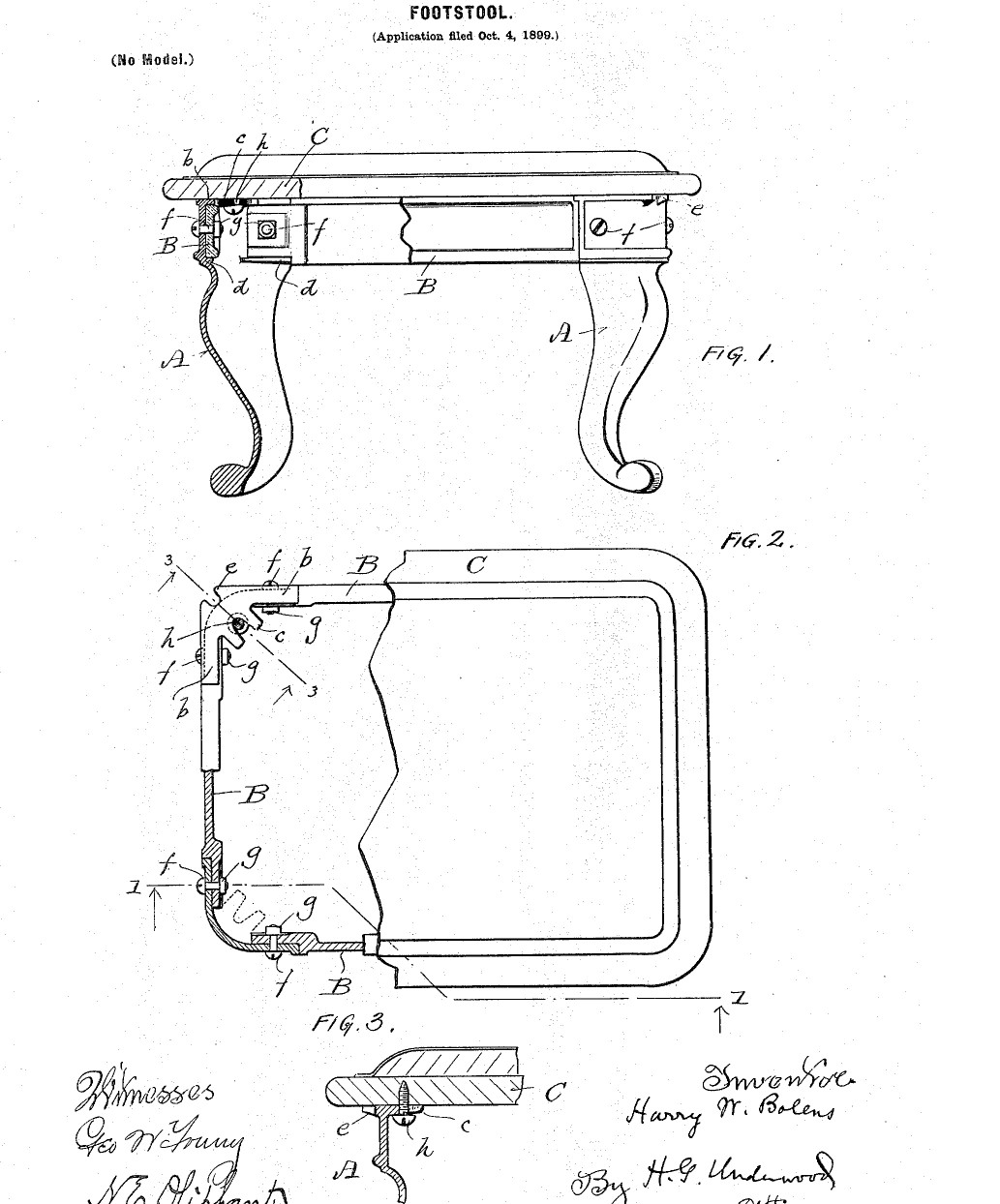


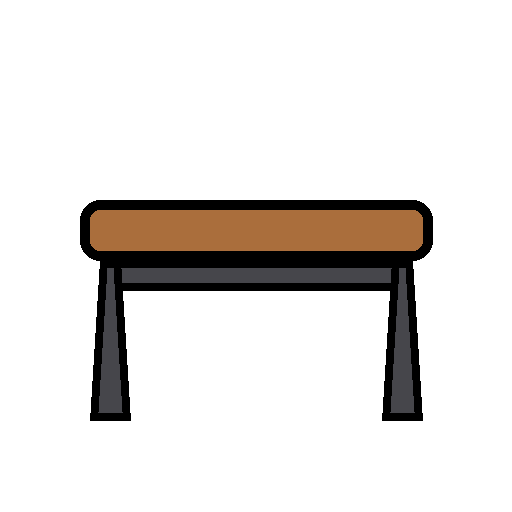
Knock-Down Footstool: Bolted Metal Legs and Rails Under a Screwed-On Wooden Top (Bolens, 1900)
Harry W. Bolens of Port Washington, Wisconsin, received US 640,265, dated 2 January 1900, for a footstool whose base comes apart: four metal corner legs and four rails bolted together, with a wooden top screwed on through lugs on the legs. It packs flat for storage and shipping.
His legs were ornamental castings; ours are bent from steel angle. All sizes are ours.
Olùbẹ̀rẹ̀
About 4 hours
Ìlànà
1
1
Cut list
Cut list
Ń ṣí ìwé Jupyter…
2
2
Read US 640,265
Read US 640,265
"The above-described base has the advantage of being a knockdown structure, and thus I provide for economical storage and transportation."
3
3
Make the legs
Make the legs
Cut four legs of steel angle to the notebook's length, his corner legs A. At the top of each, cut and bend a small tab inward to make the flange and lug (his b and c), and drill the lug for a top screw. File off sharp edges.
Àwọn ohun èlò fún ìgbésẹ̀ yìí:
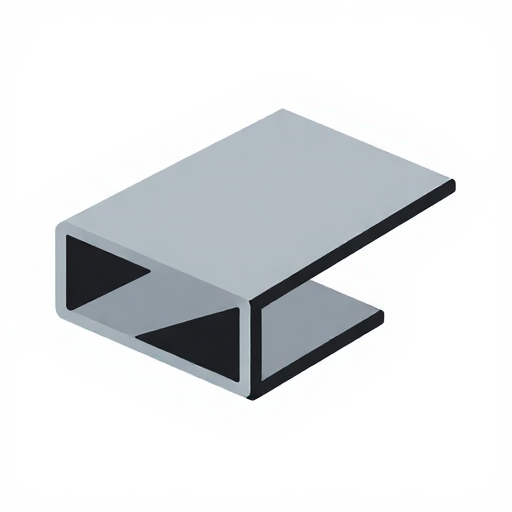 Irin igun ti irin rírọ̀1 ẹyọ
Àwọn irinṣẹ́ tí a nílò:
 Ayùn Irin
 Ìdìmú Tábìlì
 Òòlù olórí bọ́ọ̀lù
 Ẹ̀rọ Ìlùkòkò Onídúró
 Àkójọ Orí Ìlùkòkò
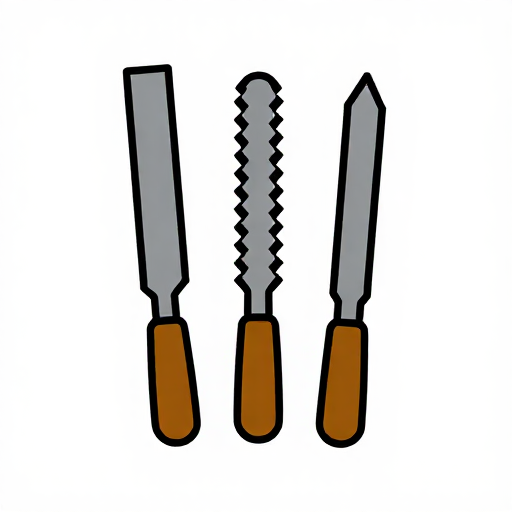 Àkójọ Ìfá
4
4
Make the rails
Make the rails
Cut two side rails and two end rails of flat bar, his rails B. Bend each end slightly (his offset ends) so it lies flush inside the leg's angle. Drill matching holes through rail ends and legs.
Àwọn ohun èlò fún ìgbésẹ̀ yìí:
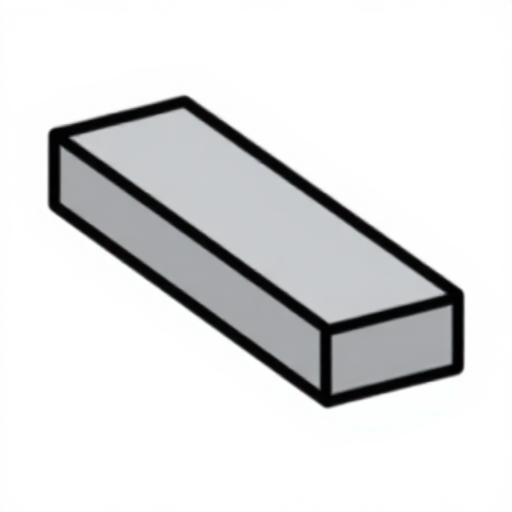 Ọ̀pá Pẹrẹsẹ Irin Pẹ́lẹ́1 ẹyọ
Àwọn irinṣẹ́ tí a nílò:
Ayùn IrinÌdìmú TábìlìẸ̀rọ Ìlùkòkò OnídúróÀkójọ Orí Ìlùkòkò5
5
Bolt the base
Bolt the base
Bolt each rail end to its leg with a bolt and nut, his bolts f and nuts g. Check the base stands square and level.
Àwọn ohun èlò fún ìgbésẹ̀ yìí:
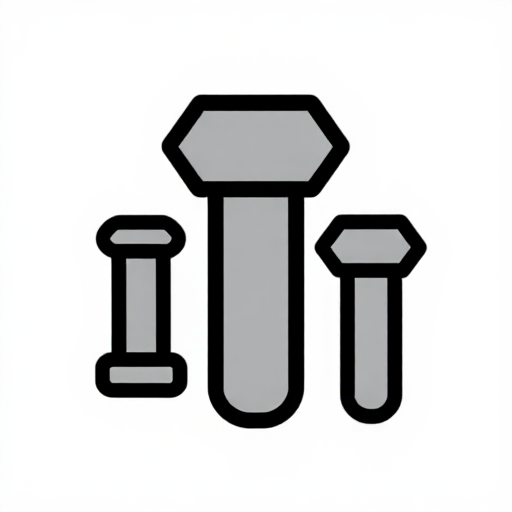 Àkójọ bọ́ọ̀lù onígun mẹ́fà1 ẹyọ
Àwọn irinṣẹ́ tí a nílò:
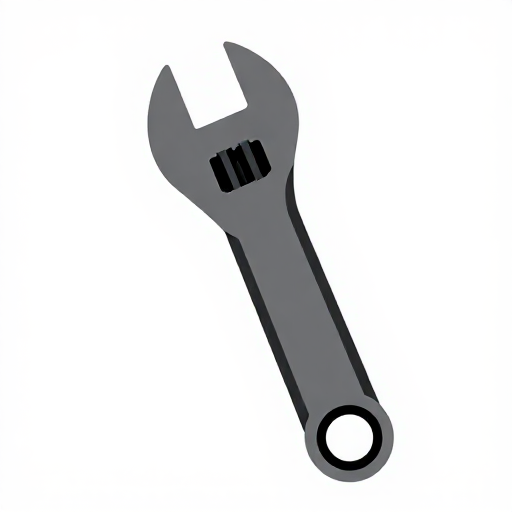 Kọ́kọ́rọ́ tí a lè ṣàtúnṣe
6
6
Fit the top
Fit the top
Cut and sand a hardwood top, his top C. Set it on the base and drive a screw up through each leg's lug into it, his screws h. Upholster it if you like, as he allows.
Àwọn ohun èlò fún ìgbésẹ̀ yìí:
 Pátákó Igi Líle1 ẹyọ
 Ìṣó igi1 ẹyọ
Àwọn irinṣẹ́ tí a nílò:
 Ayùn Ọwọ́
 Bébà Ìfá
 Ìṣù àwọn ohun ìyí skurú
7
7
Troubleshooting
Troubleshooting
Footstool troubleshooting.
Flow
Loading...
8
8
History and honest limits
History and honest limits
**Harry W. Bolens** of Port Washington, Wisconsin, US 640,265, dated 2 January 1900, filed 4 October 1899. He claimed "a footstool-base consisting of legs provided at their upper ends with inwardly-extending flanges as well as horizontal lugs ... apertured for the engagement of top securing devices" and rails between the flanges. His legs and rails were castings, though he does not limit the material; the steel angle and flat bar, the bent lugs, the hardwood top and all sizes are ours.
Àwọn ohun-èlò
5- Àyè
- Àyè
- Àyè
- 1 ẹyọÀyè
- 1 ẹyọÀyè
Ìtọ́nisọ́nà yìí ń ṣe
Blueprint tó jọra
Àwọn blueprint wọ̀nyí pín ìmọ̀ — ọ̀nà, ohun-èlò tàbí ìlànà
CC0 Àgbègbè Gbogbogbò
Blueprint yìí ti jáde lábẹ́ CC0. O lè ṣe àdàkọ, yí padà, pín, àti lò láìsí ìyọ̀ǹda.
Ṣàtìlẹ́yìn Olùṣẹ́dá nípa rírà àwọn ọjà nipasẹ̀ Blueprint wọn Ẹ̀san Olùṣẹ́dá tí àwọn Olùtajà gbé kalẹ̀, tàbí ṣẹ̀dá àtúnṣe tuntun ti Blueprint yìí kí o sì fi sínú Blueprint rẹ gẹ́gẹ́ bí ìsopọ̀ láti pín owó-wíwọlé.