IṢẸ́ ỌNÀ
ẸWÀ ÀTI ÌLERA
IṢẸ́ ỌWỌ́
ÀṢÀ ÀTI ÌTÀN
ÌṢERÉ
ÀYÍKÁ
OÚNJẸ ÀTI OHUN MÍMU
REVERSE ENGINEERING
SÁYẸ́ǸSÌ
ERÉ ÌDÁRAYÁ
ÌMỌ̀-Ẹ̀RỌ
ÀWỌN OHUN WÍWỌ̀
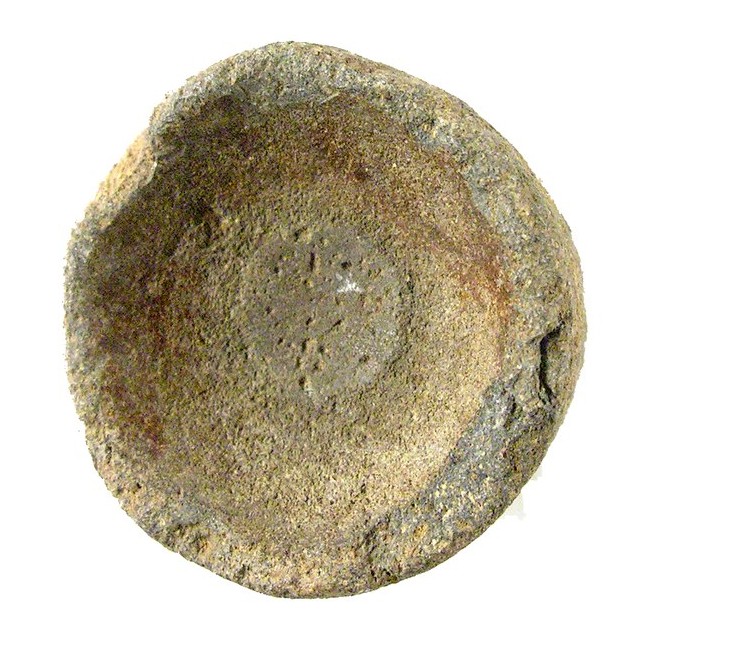


Bone Ash by Calcining Bones
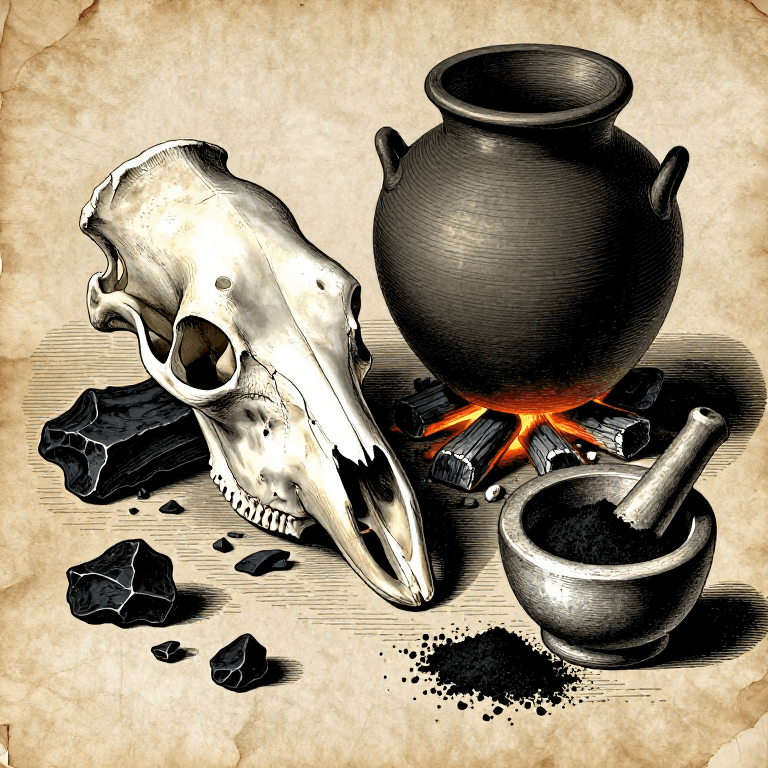
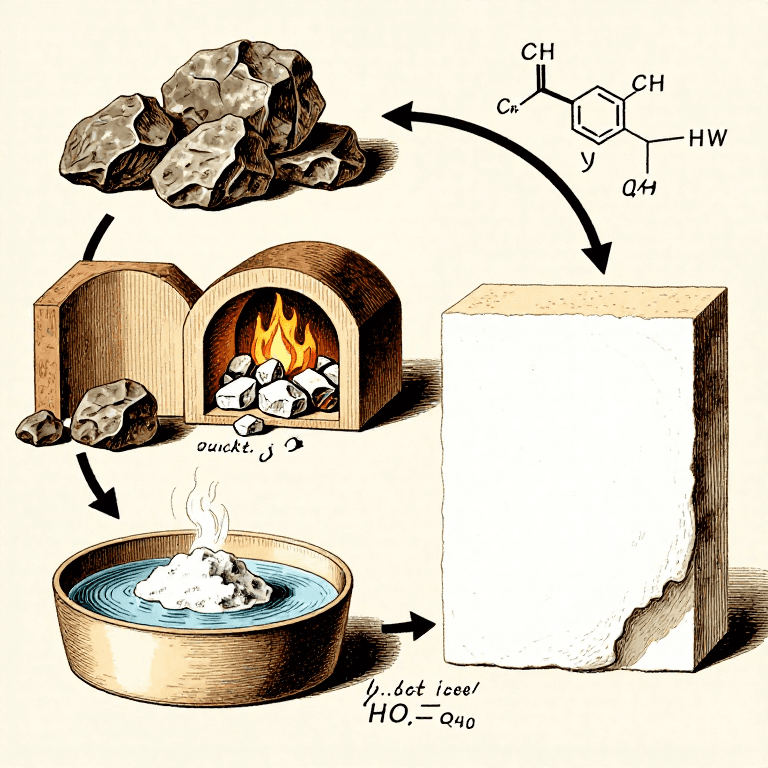
Bone ash is the white material left when bones are calcined: mainly calcium phosphate, generally given as Ca5(OH)(PO4)3, about 56% calcium oxide and 42% phosphorus pentoxide by analysis. It melts only at about 1670 °C. Its porous, high-melting structure makes it the classic cupel for separating silver and gold from lead, and it forms about half of the body of bone china.
Olùbẹ̀rẹ̀
Workshop process
Ìlànà
1
1
Clean the bones
Clean the bones
Remove any meat from the bones, then degrease them.
Àwọn ohun èlò fún ìgbésẹ̀ yìí:
 Egungun màálù1 as required
Àwọn irinṣẹ́ tí a nílò:
 Ọ̀bẹ
Ọ̀bẹ2
2
Calcine
Calcine
Calcine the bones in a kiln. For bone china they are calcined to around 1000 °C (up to about 1100 °C), which removes all organic matter and leaves the bone sterilised and white; traditional bone ash was calcined lower, at around 800 °C. Most bones keep their cellular structure through calcination. Handle the hot bones with tongs and heat-resistant gloves, and let them cool before grinding.
Àwọn irinṣẹ́ tí a nílò:
 Ìléru Ìsun
 Ẹ̀mú
Ẹ̀mú Ìbọ̀wọ́ Tí Ń Fara Da Ooru
3
3
Grind
Grind
Grind the calcined bone with water to a fine particle size, then partially dewater it.
Àwọn ohun èlò fún ìgbésẹ̀ yìí:
 Omi1 as required
Àwọn irinṣẹ́ tí a nílò:
 Odó àti Ọmọ Odó
Àwọn irinṣẹ́ tó nílò
5- Àyè
- Àyè
- Àyè
Ìtọ́nisọ́nà yìí ń ṣe

Blueprint tó jọra
Àwọn blueprint wọ̀nyí pín ìmọ̀ — ọ̀nà, ohun-èlò tàbí ìlànà
CC0 Àgbègbè Gbogbogbò
Blueprint yìí ti jáde lábẹ́ CC0. O lè ṣe àdàkọ, yí padà, pín, àti lò láìsí ìyọ̀ǹda.
Ṣàtìlẹ́yìn Olùṣẹ́dá nípa rírà àwọn ọjà nipasẹ̀ Blueprint wọn Ẹ̀san Olùṣẹ́dá tí àwọn Olùtajà gbé kalẹ̀, tàbí ṣẹ̀dá àtúnṣe tuntun ti Blueprint yìí kí o sì fi sínú Blueprint rẹ gẹ́gẹ́ bí ìsopọ̀ láti pín owó-wíwọlé.