IṢẸ́ ỌNÀ
ẸWÀ ÀTI ÌLERA
IṢẸ́ ỌWỌ́
ÀṢÀ ÀTI ÌTÀN
ÌṢERÉ
ÀYÍKÁ
OÚNJẸ ÀTI OHUN MÍMU
REVERSE ENGINEERING
SÁYẸ́ǸSÌ
ERÉ ÌDÁRAYÁ
ÌMỌ̀-Ẹ̀RỌ
ÀWỌN OHUN WÍWỌ̀
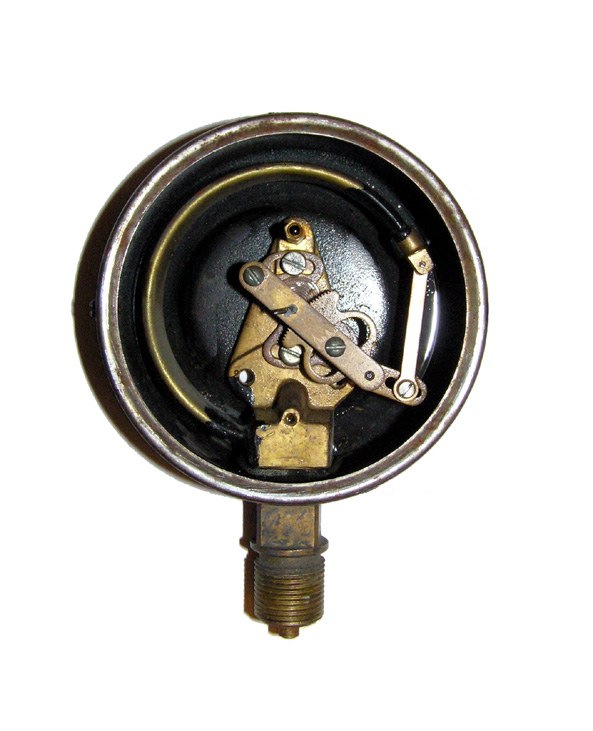


Bourdon-Tube Pressure Gauge
The heart of a dial pressure gauge is the Bourdon tube: a metal tube of oval section bent into a C and sealed at its free end. The greater the pressure, the farther the free tip moves, but only about 0.125–0.25 in (3–6 mm) across the whole range. A geared movement, built much like clockwork, turns that small movement into the sweep of a pointer, usually over 270° of dial. The tube metal must take a spring temper; phosphor bronze is used for most gauges for air, light oil or water, and beryllium copper for high pressure. The tube's wall thickness and the radius of its curve set the pressure range.
Ilọsíwájú
Factory process
Ìlànà
1
1
Roll the C
Roll the C
Pass the tubing over a lubricated steel mandrel and between two grooved, powered rollers. One roller grips the end and bends the inside radius while the other presses from outside; the grooves keep the tube from flattening.
Àwọn ohun èlò fún ìgbésẹ̀ yìí:
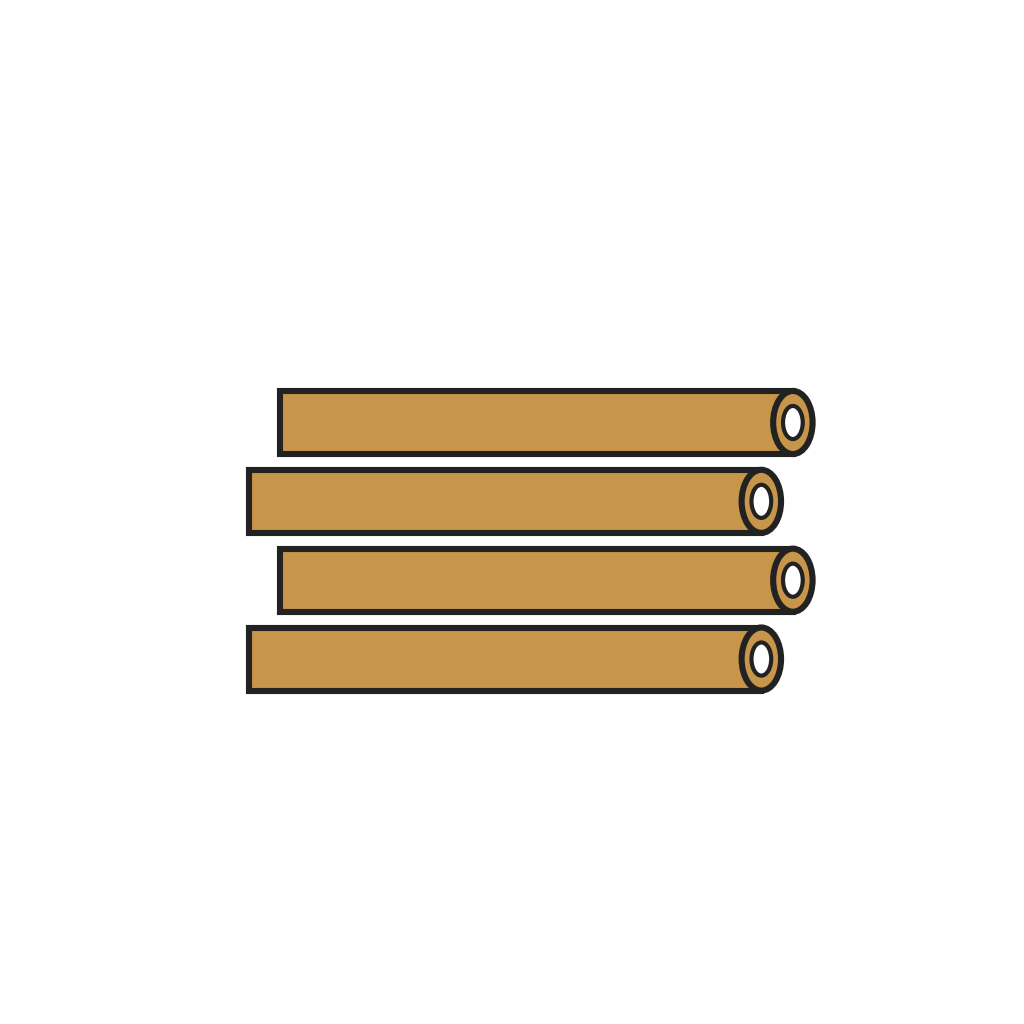 Páìpù idẹ phosphor1 as required
Àwọn irinṣẹ́ tí a nílò:
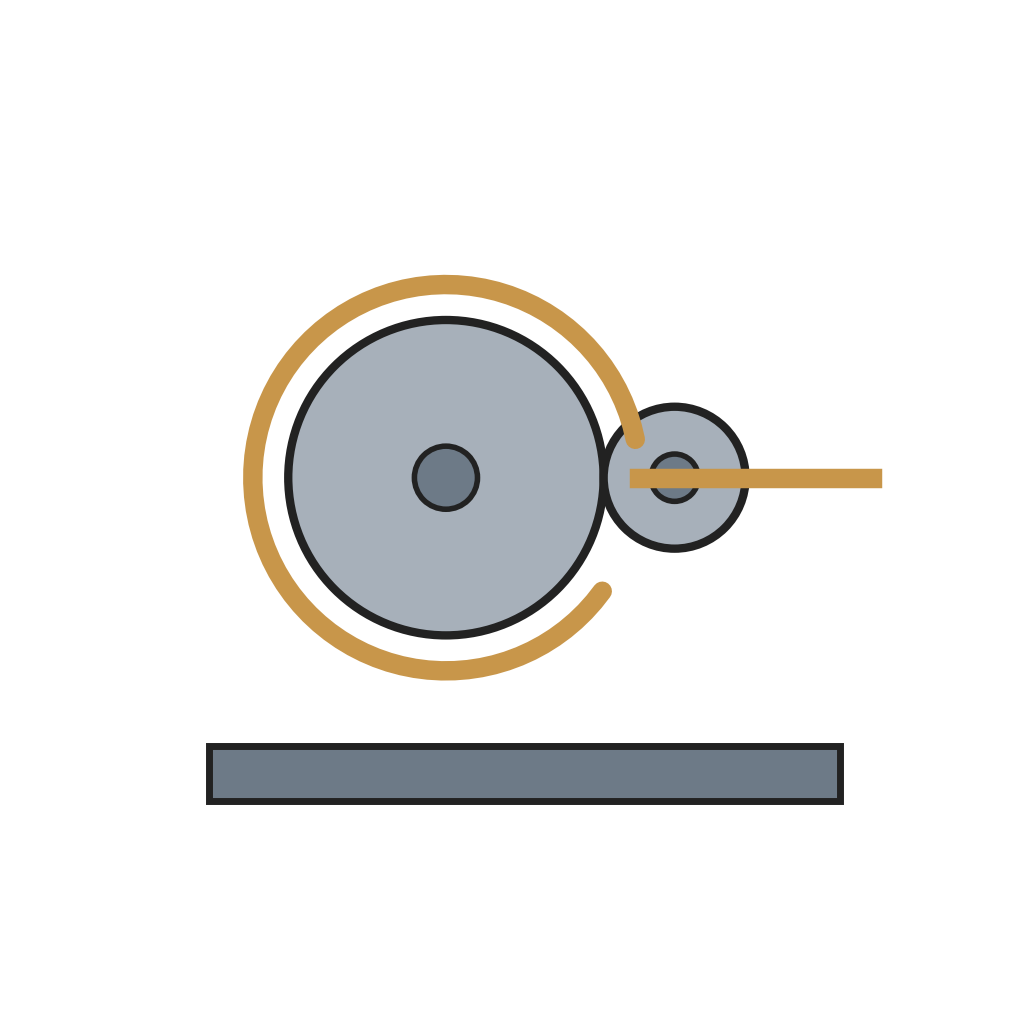 Ẹ̀rọ ìtẹ̀ ọ̀pá Bourdon
2
2
Cut and heat treat
Cut and heat treat
As the roller keeps turning, a saw blade on it cuts the tube to length. Heat treat the tubes in ovens to give them their spring temper.
Àwọn irinṣẹ́ tí a nílò:
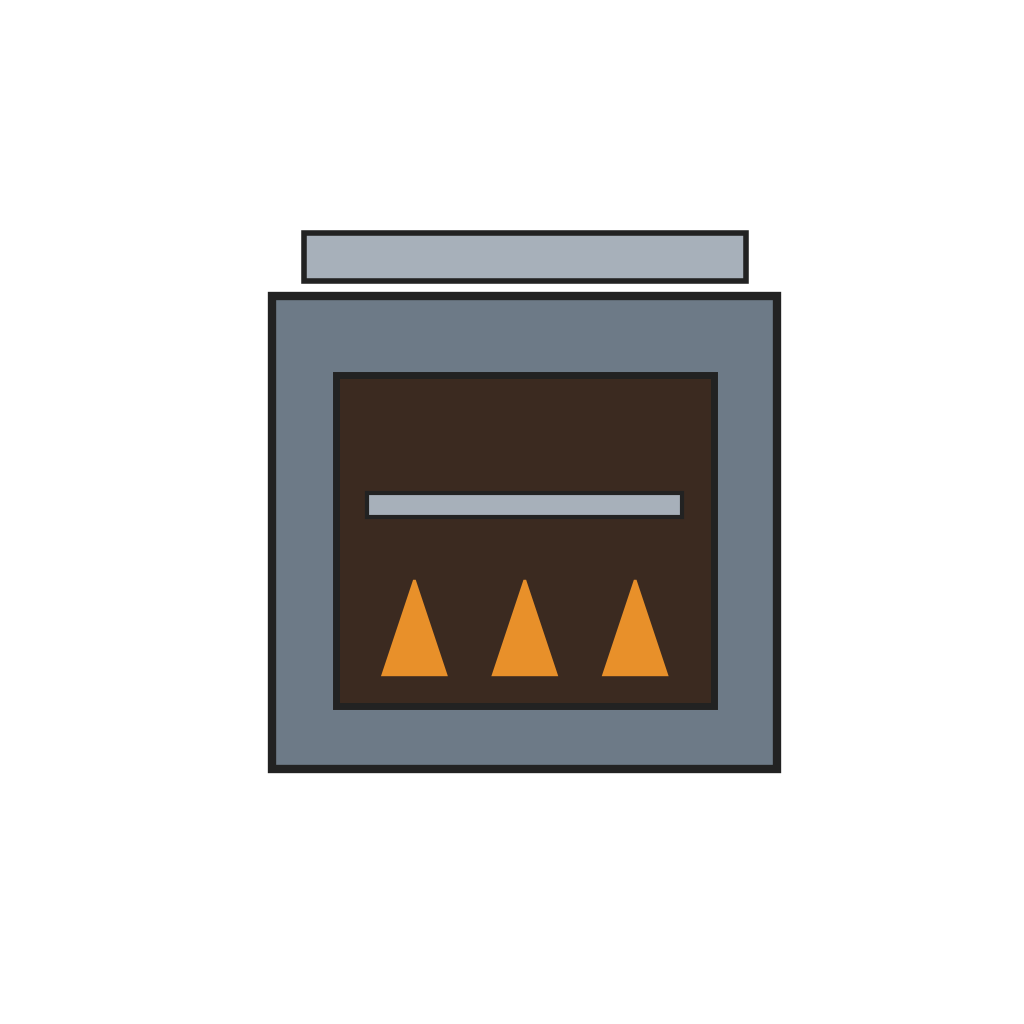 Ààrò ìtọ́jú ooru
3
3
Machine the socket
Machine the socket
Turn, drill, mill and thread the socket from bar stock in one cycle on a machining centre. One end is threaded to screw into the pressure source.
Àwọn ohun èlò fún ìgbésẹ̀ yìí:
 Ọ̀pá Róbótó Bronse1 as required
Àwọn irinṣẹ́ tí a nílò:
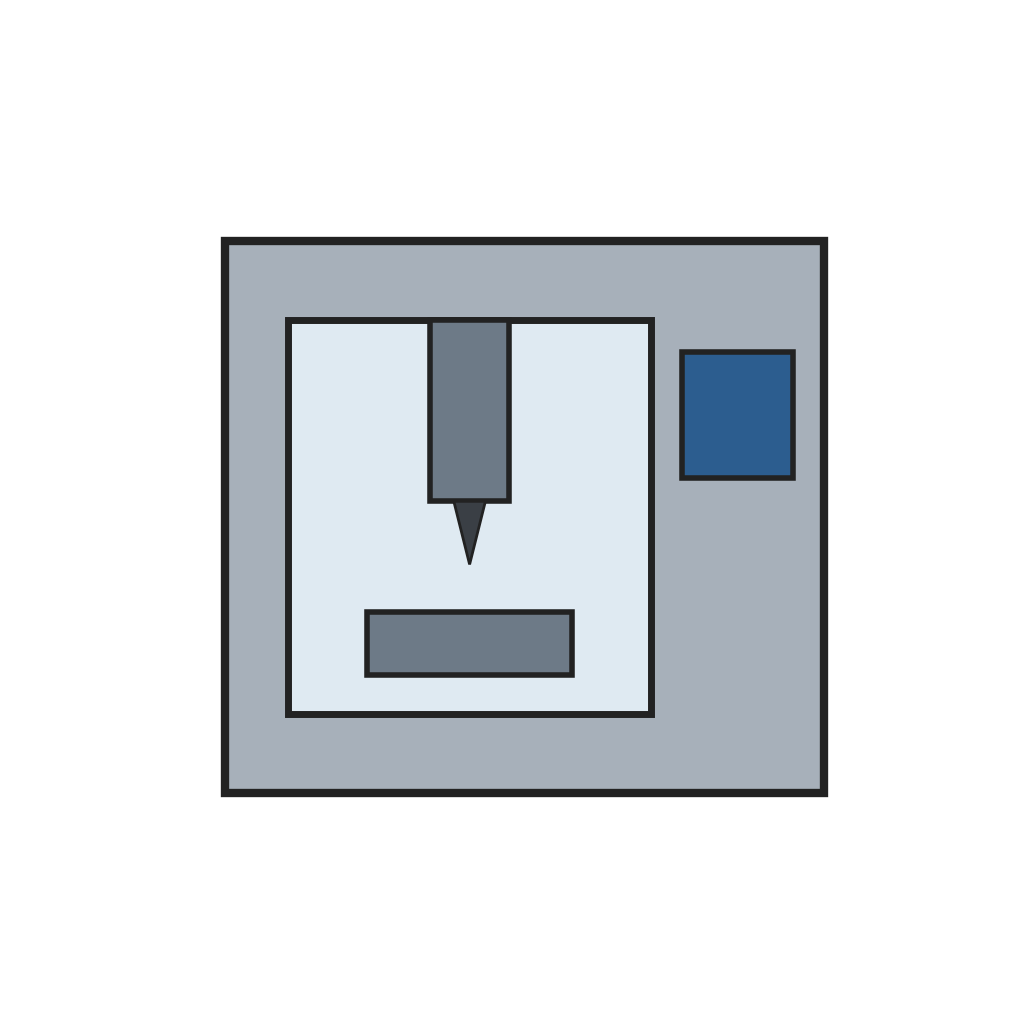 Ibùdó ẹ̀rọ CNC
4
4
Join tube and socket
Join tube and socket
Solder, braze or weld the open end of the tube to the socket, locating the free end precisely, and seal the free end the same way. Fit an endpiece to the tip; its small hole links the tip to the movement.
Àwọn irinṣẹ́ tí a nílò:
 Ọ̀gọ̀ ìdàpọ̀ brazing
5
5
Fit movement, dial and pointer
Fit movement, dial and pointer
Mount the movement, the dial and the pointer onto the socket as a group.
Àwọn ohun èlò fún ìgbésẹ̀ yìí:
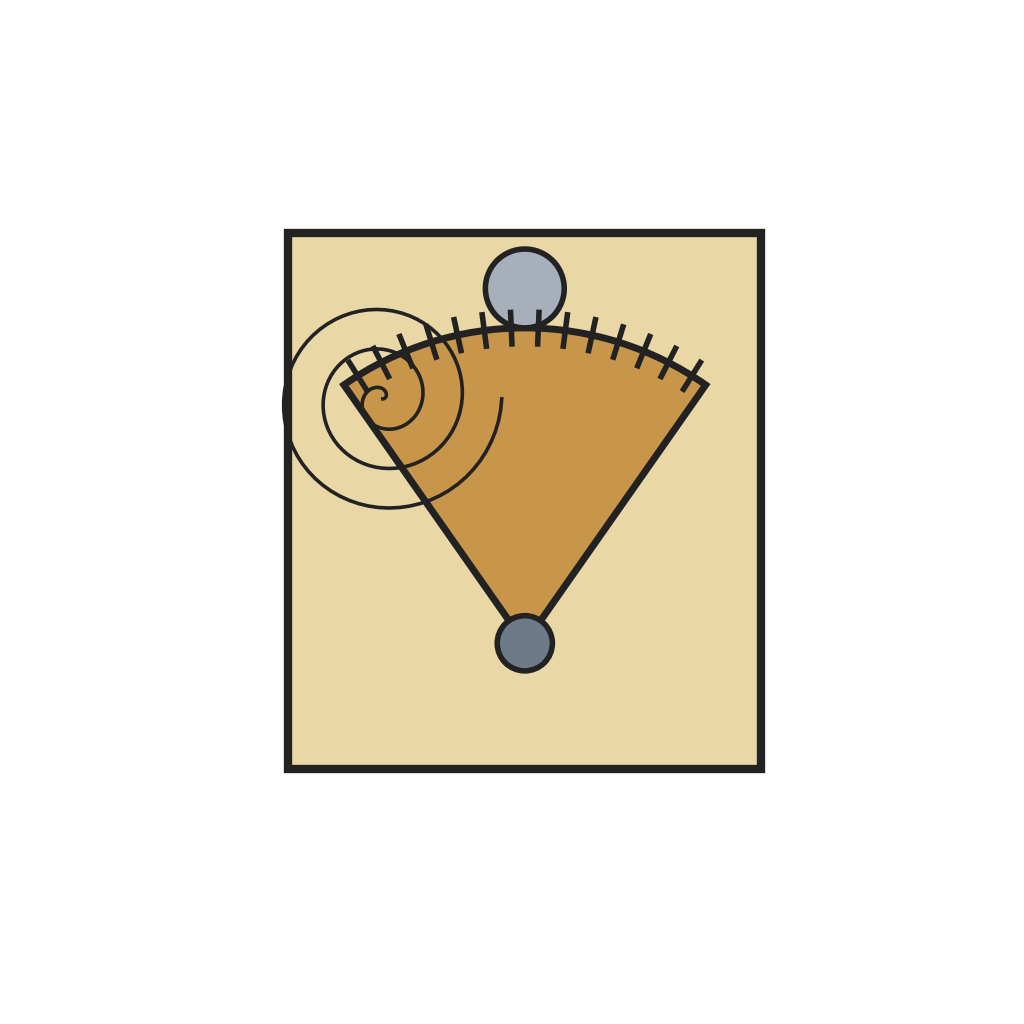 Ẹ̀rọ inú gauge ìfúnpá1 ẹyọ
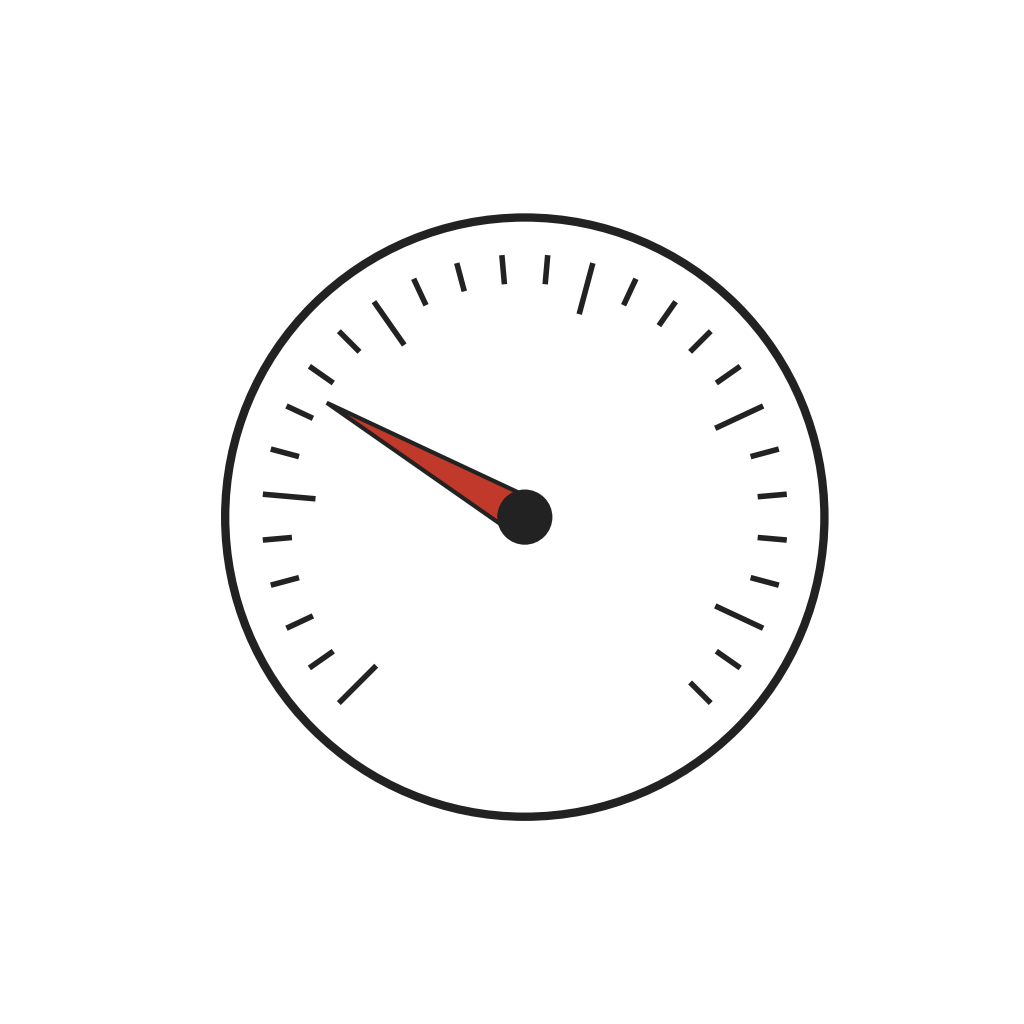 Ojú àti abẹ́rẹ́ gauge1 ẹyọ
6
6
Calibrate and case
Calibrate and case
Connect the assembly to a pressure source alongside a master gauge of known accuracy and adjust it until it reads the same; 2% is a common accuracy, finer grades 1, 0.5 or 0.25%. Then fit the case and lens.
Àwọn ohun èlò fún ìgbésẹ̀ yìí:
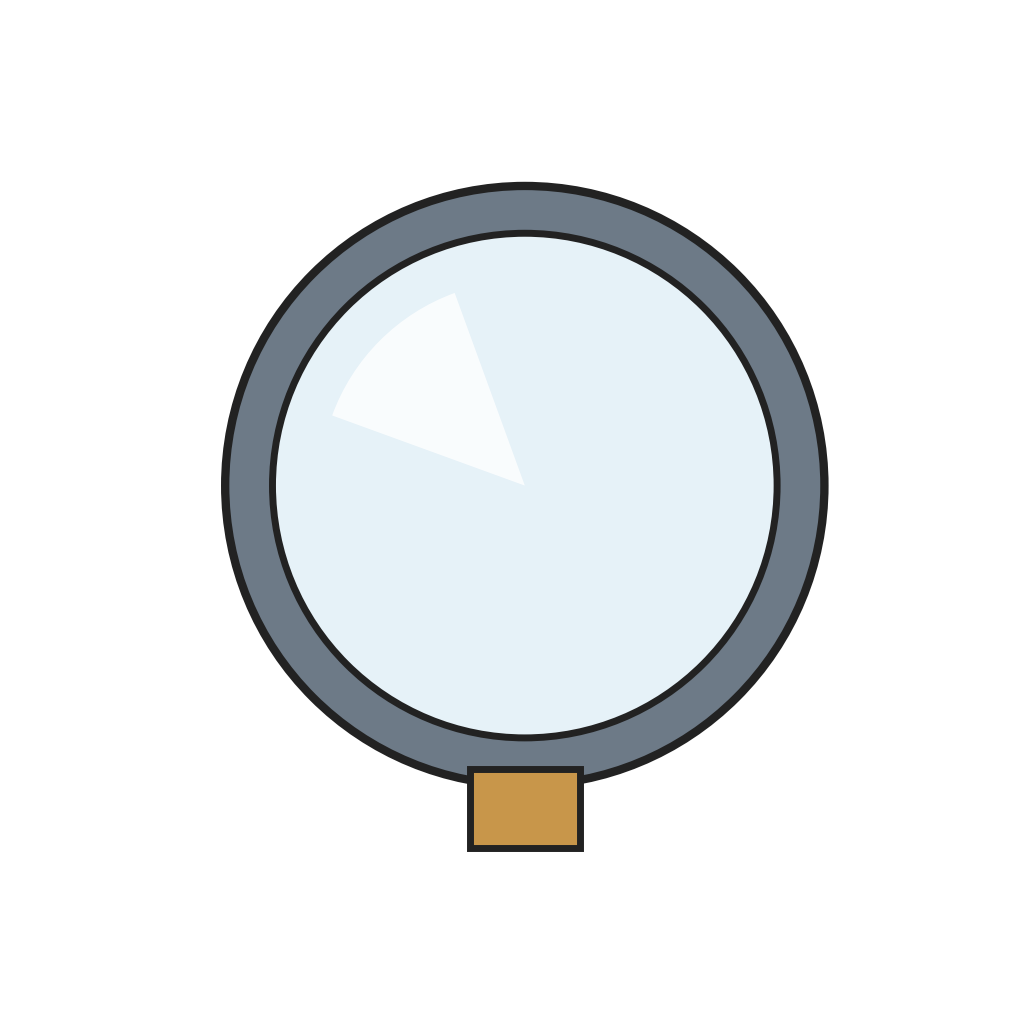 Àpótí àti dígí gauge1 ẹyọ
Àwọn irinṣẹ́ tí a nílò:
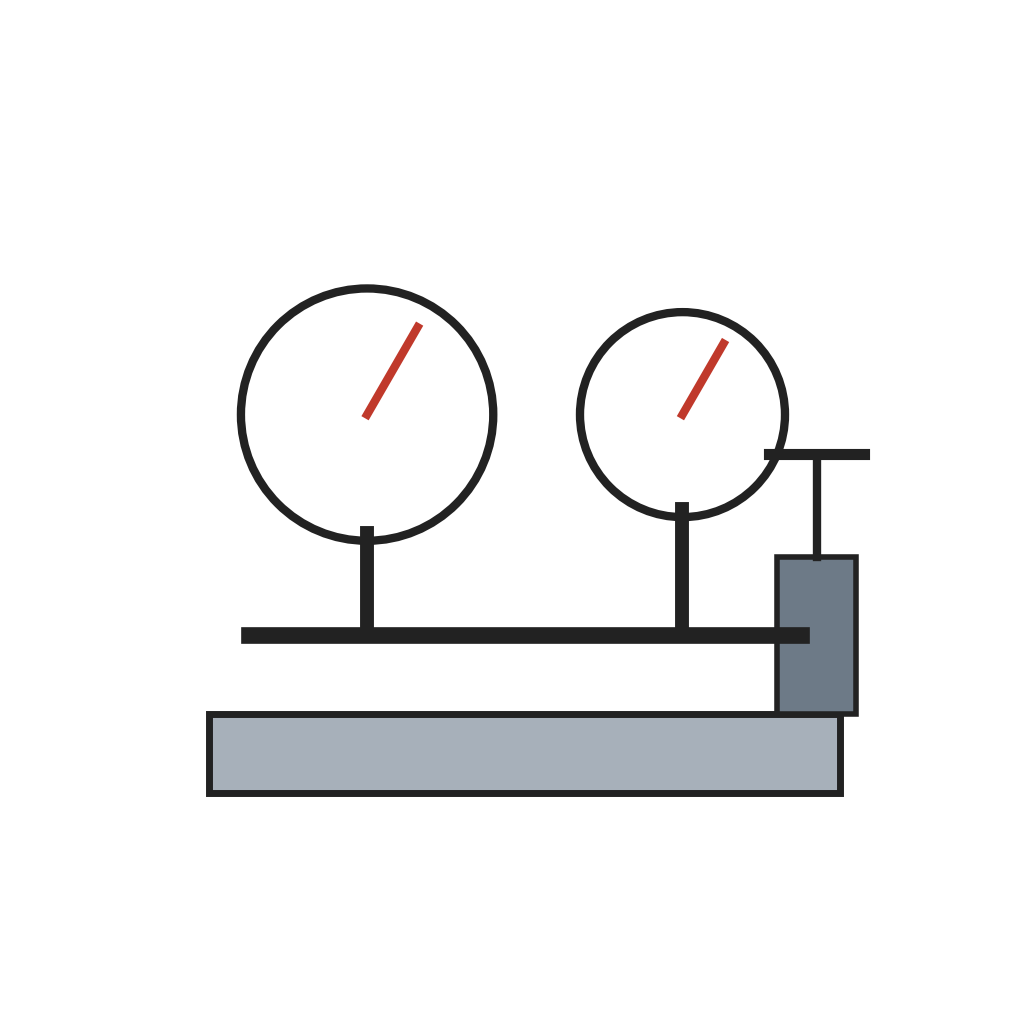 Tábìlì àtúnṣe ìwọ̀n pẹ̀lú gauge àgbà
Àwọn ohun-èlò
5- 1 as requiredÀyè
- 1 as requiredÀyè
- Àyè
- Àyè
- 1 ẹyọÀyè
Àwọn irinṣẹ́ tó nílò
5Ìtọ́nisọ́nà yìí ń ṣe
Blueprint tó jọra
Àwọn blueprint wọ̀nyí pín ìmọ̀ — ọ̀nà, ohun-èlò tàbí ìlànà
CC0 Àgbègbè Gbogbogbò
Blueprint yìí ti jáde lábẹ́ CC0. O lè ṣe àdàkọ, yí padà, pín, àti lò láìsí ìyọ̀ǹda.
Ṣàtìlẹ́yìn Olùṣẹ́dá nípa rírà àwọn ọjà nipasẹ̀ Blueprint wọn Ẹ̀san Olùṣẹ́dá tí àwọn Olùtajà gbé kalẹ̀, tàbí ṣẹ̀dá àtúnṣe tuntun ti Blueprint yìí kí o sì fi sínú Blueprint rẹ gẹ́gẹ́ bí ìsopọ̀ láti pín owó-wíwọlé.