IṢẸ́ ỌNÀ
ẸWÀ ÀTI ÌLERA
IṢẸ́ ỌWỌ́
ÀṢÀ ÀTI ÌTÀN
ÌṢERÉ
ÀYÍKÁ
OÚNJẸ ÀTI OHUN MÍMU
REVERSE ENGINEERING
SÁYẸ́ǸSÌ
ERÉ ÌDÁRAYÁ
ÌMỌ̀-Ẹ̀RỌ
ÀWỌN OHUN WÍWỌ̀
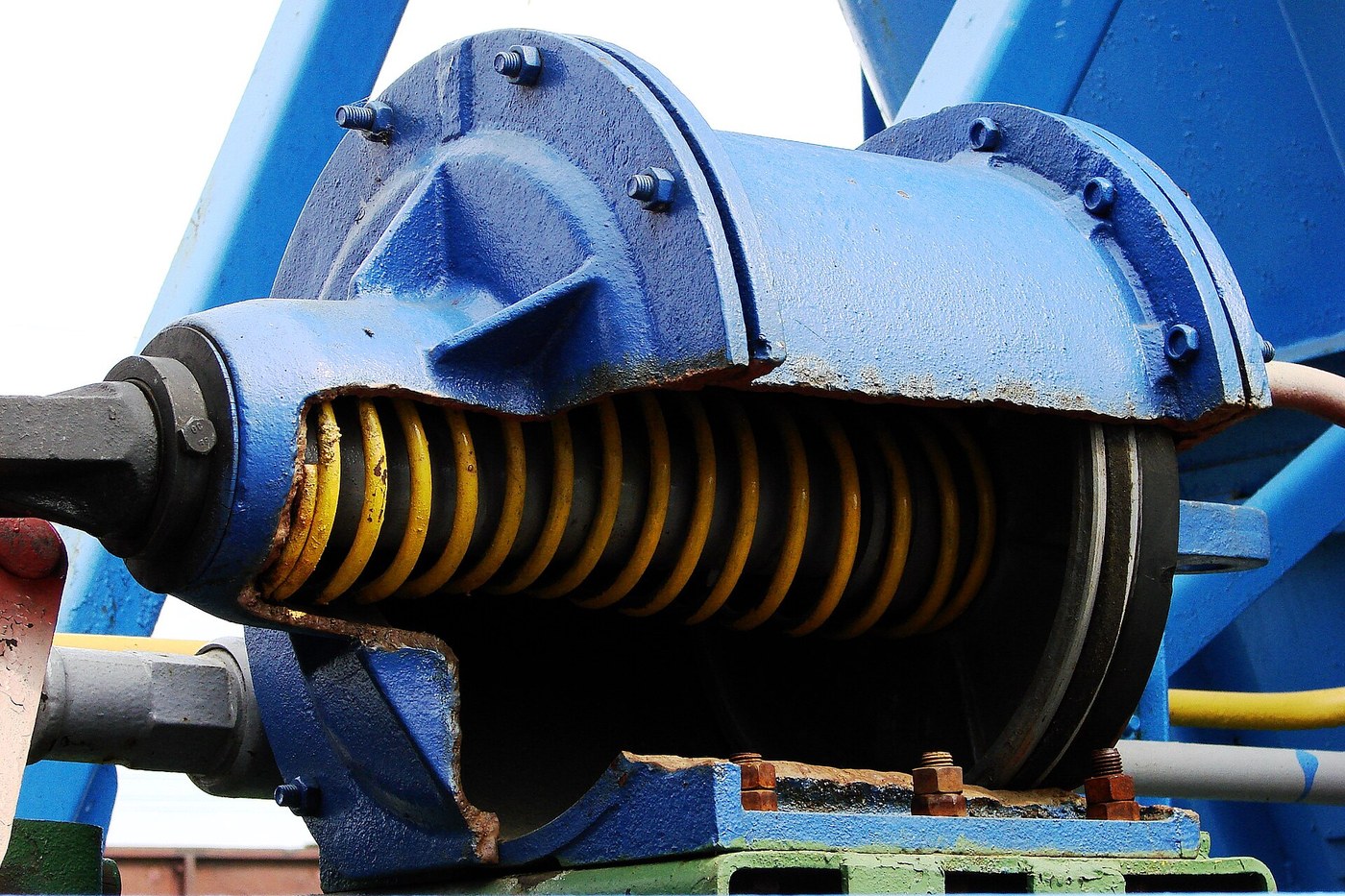


Brake Cylinder: Piston with Packing Leather, Expander Ring and Release Spring (Westinghouse Air Brake Co., 1901)
The air cylinder that puts on a railway car's brakes. Air let into the pressure end drives the piston out, and its push rod works the brake levers. When the air is let out, a release spring pushes the piston back. A cup of leather, held against the wall by a spring ring, stops the air from leaking past the piston.
Result: a brake cylinder. In the book's driver-brake example, an 8-inch cylinder fully applied puts 2,500 pounds on its piston.
Source: Westinghouse Air Brake Company, Air Brake Instruction Book (1901), pp. 55-57 and 97. Unknown: every size except the 8-inch bore, and the metal of every part except the leather; the book does not give them. Picture: Wikimedia Commons.
Ilọsíwájú
1 week
Ìlànà
1
1
Bore the cylinder
Bore the cylinder
Make the cylinder with a pressure end and an open end closed by the non-pressure head. Cut a small groove along the wall, the leakage groove: a slight flow of air into the cylinder then escapes through it to the open end instead of pushing the piston out. Unknown: the metal and the sizes (the book's example is an 8-inch cylinder). Ours: bored on a lathe.
Àwọn ohun èlò fún ìgbésẹ̀ yìí:
 Irin tí a kò mọ̀1 as required
Àwọn irinṣẹ́ tí a nílò:
 Ẹ̀rọ Ìyí Irin
 Ọ̀pá gígé inú ihò
 Àpò ohun èlò lathe (HSS)
 Kálípà Fáníà
 Ìwọ̀n tí a kò mọ̀
2
2
Make piston, follower and heads
Make piston, follower and heads
Turn the piston with its sleeve, into which the push rod from the brake levers fits, a follower plate, and the non-pressure head. Drill the piston for the studs that hold the follower. Unknown: metal and sizes. Ours: lathe and drill press.
Àwọn ohun èlò fún ìgbésẹ̀ yìí:
Irin tí a kò mọ̀1 as requiredÀwọn irinṣẹ́ tí a nílò:
Ẹ̀rọ Ìyí IrinÀpò ohun èlò lathe (HSS) Ẹ̀rọ Ìlùkòkò OnídúróKálípà FáníàÌwọ̀n tí a kò mọ̀
3
3
Fit the packing leather
Fit the packing leather
Clamp the packing leather to the piston under the follower plate with studs and nuts; its flange presses against the cylinder wall to keep the air from escaping past the piston. Put the round spring packing expander inside the flange to hold it against the wall. Keep the follower nuts tight. Ours: the leather cut to shape with a knife.
Àwọn ohun èlò fún ìgbésẹ̀ yìí:
 Awọ tí a sọ1 as requiredIrin tí a kò mọ̀1 studs and expander ring
 Nọ́ọ̀tì Onígun Mẹ́fà1 ìtò
Àwọn irinṣẹ́ tí a nílò:
 Ọ̀bẹ iṣẹ́
 Kọ́kọ́rọ́ tí a lè ṣàtúnṣeÌwọ̀n tí a kò mọ̀
4
4
Assemble with the release spring
Assemble with the release spring
Slide the piston into the cylinder, put the release spring behind it and close the cylinder with the non-pressure head, so the spring forces the piston back to release whenever the air pressure is let out of the pressure end. The book's maintenance rule: a light grease in the cylinder, especially at the top and inside the packing leather where the expander rests.
Àwọn ohun èlò fún ìgbésẹ̀ yìí:
 Àkójọ Ìsúnkì Ìtẹ̀1 release spring
Àwọn irinṣẹ́ tí a nílò:
Kọ́kọ́rọ́ tí a lè ṣàtúnṣeÌwọ̀n tí a kò mọ̀Àwọn ohun-èlò
4- 1 studs and expander ringÀyè
- 1 as requiredÀyè
- 1 ìtòÀyè
- 1 release springÀyè
Ìtọ́nisọ́nà yìí ń ṣe

CC0 Àgbègbè Gbogbogbò
Blueprint yìí ti jáde lábẹ́ CC0. O lè ṣe àdàkọ, yí padà, pín, àti lò láìsí ìyọ̀ǹda.
Ṣàtìlẹ́yìn Olùṣẹ́dá nípa rírà àwọn ọjà nipasẹ̀ Blueprint wọn Ẹ̀san Olùṣẹ́dá tí àwọn Olùtajà gbé kalẹ̀, tàbí ṣẹ̀dá àtúnṣe tuntun ti Blueprint yìí kí o sì fi sínú Blueprint rẹ gẹ́gẹ́ bí ìsopọ̀ láti pín owó-wíwọlé.