
IṢẸ́ ỌNÀ
ẸWÀ ÀTI ÌLERA
IṢẸ́ ỌWỌ́
ÀṢÀ ÀTI ÌTÀN
ÌṢERÉ
ÀYÍKÁ
OÚNJẸ ÀTI OHUN MÍMU
REVERSE ENGINEERING
SÁYẸ́ǸSÌ
ERÉ ÌDÁRAYÁ
ÌMỌ̀-Ẹ̀RỌ
ÀWỌN OHUN WÍWỌ̀
Glycerin from Candle-Works Sweet Water: Cap's Process
Charlie

Ṣẹ́dá nipasẹ̀

Charlie

13. Oṣù Kẹwà 2026DE
16
0
0
0
0

Glycerin from Candle-Works Sweet Water: Cap's Process

The sweet water washed out of lime soap in the stearin candle works holds the fat's glycerin, with lime and fatty traces. Cap's process, given in Muspratt's Chemistry (1860), turns it into glycerin: the lime is thrown down as sulfate with sulfuric acid, the liquor is boiled down out of contact with the air, neutralised with chalk, filtered, cleared with bone black and concentrated to a colourless syrup of about 51° Twaddell.
Ilọsíwájú
Several days

Ìlànà

1

Boil down the sweet water

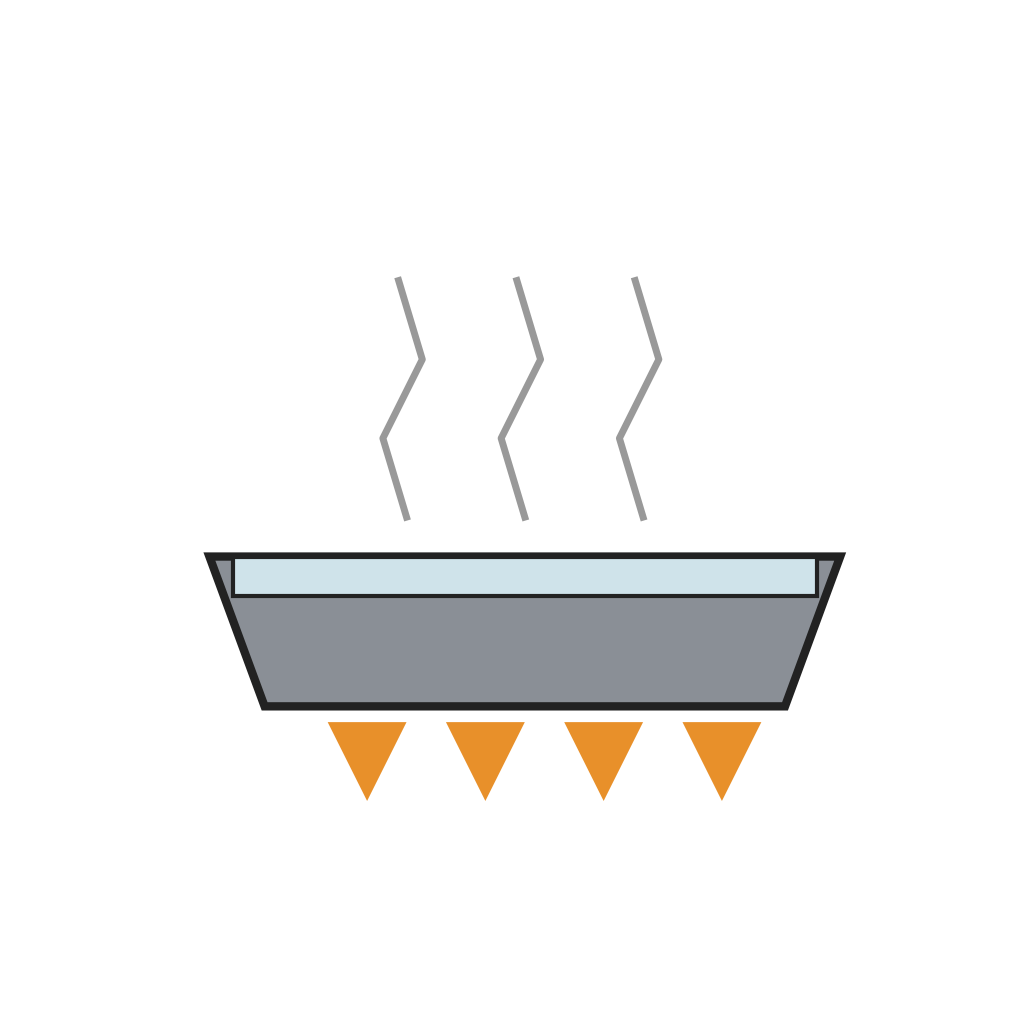
Reduce the glycerin water drawn off from the lime soap by evaporation over a fire.

Àwọn ohun èlò fún ìgbésẹ̀ yìí:

Omi gilísẹ́rọ̀lùOmi gilísẹ́rọ̀lù1 as required
Èédú òkúta bituminousÈédú òkúta bituminous1 as required

Àwọn irinṣẹ́ tí a nílò:
Agbada ìyọ̀ omi kúròAgbada ìyọ̀ omi kúrò
Ìléru bíríkìÌléru bíríkì
2

Find how much lime it holds

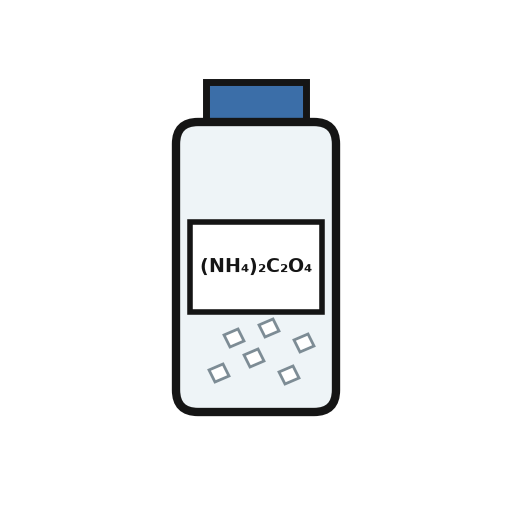
Measure out a known volume, precipitate its lime with oxalate of ammonia, collect the precipitate, dry it, burn it and weigh it. From that, work out how much sulfuric acid will just combine with all the lime.

Àwọn irinṣẹ́ tí a nílò:

Ammonium oxalateAmmonium oxalate
Bébà Ìsẹ́Bébà Ìsẹ́
Ìkòkò Amọ̀ Tí Ń Kojú InáÌkòkò Amọ̀ Tí Ń Kojú Iná
Òǹwọ̀n ìdọ́gbaÒǹwọ̀n ìdọ́gba
3

Throw the lime down with sulfuric acid

Add that amount of sulfuric acid. Sulfate of lime falls. Let it settle and decant the clear liquid into another vessel.

Àwọn ohun èlò fún ìgbésẹ̀ yìí:

Sulfuric acidSulfuric acid1 as required

Àwọn irinṣẹ́ tí a nílò:

Ọpọ́n igi ńláỌpọ́n igi ńlá
Gílásì Ààbò Fún Ìfọ́n Kẹ́míkàGílásì Ààbò Fún Ìfọ́n Kẹ́míkà
Ìbọ̀wọ́ rọ́bàÌbọ̀wọ́ rọ́bà
4

Boil it out of contact with air, to 14° Twaddell

Boil the liquid in a covered vessel, kept stirred, so the air cannot reach it. The boiling drives off volatile fatty impurities and the liquid loses colour and smell. At 14° Twaddell let it cool: more sulfate of lime falls.

Àwọn ohun èlò fún ìgbésẹ̀ yìí:

Èédú òkúta bituminousÈédú òkúta bituminous1 as required

Àwọn irinṣẹ́ tí a nílò:

Ọpọ́n igi ńláỌpọ́n igi ńlá
Ọ̀pá ìrú igiỌ̀pá ìrú igi
Ìléru bíríkìÌléru bíríkì
Òǹwọ̀n ìwúwo omiÒǹwọ̀n ìwúwo omi
5

Neutralise any excess acid with chalk

Test with litmus. If the liquid is acid, add powdered chalk or limestone a little at a time until it is neutral.

Àwọn ohun èlò fún ìgbésẹ̀ yìí:

Kábónéètì Kalisiọ̀mù - Òkúta Ẹfun Fífọ́Kábónéètì Kalisiọ̀mù - Òkúta Ẹfun Fífọ́1 as required

Àwọn irinṣẹ́ tí a nílò:

Bébà litmusBébà litmus
Ọ̀pá ìrú igiỌ̀pá ìrú igi
6

Boil on to 37.5° and filter

Boil again out of contact with air, stirring actively, to 37.5° Twaddell. Collect the sulfate and carbonate of lime on a filter.

Àwọn ohun èlò fún ìgbésẹ̀ yìí:

Èédú òkúta bituminousÈédú òkúta bituminous1 as required

Àwọn irinṣẹ́ tí a nílò:

Ọpọ́n igi ńláỌpọ́n igi ńlá
Ọ̀pá ìrú igiỌ̀pá ìrú igi
Ìléru bíríkìÌléru bíríkì
Òǹwọ̀n ìwúwo omiÒǹwọ̀n ìwúwo omi
Asẹ́Asẹ́
7

Reduce to 49°, filtering again if needed

Evaporate the filtrate, keeping it well agitated, until on cooling it marks 49° Twaddell. If more sulfate of lime falls, filter again.

Àwọn ohun èlò fún ìgbésẹ̀ yìí:

Èédú òkúta bituminousÈédú òkúta bituminous1 as required

Àwọn irinṣẹ́ tí a nílò:

Agbada ìyọ̀ omi kúròAgbada ìyọ̀ omi kúrò
Ìléru bíríkìÌléru bíríkì
Òǹwọ̀n ìwúwo omiÒǹwọ̀n ìwúwo omi
Asẹ́Asẹ́
8

Clear it through bone black

Pass it through washed animal charcoal (bone black) to take out the tinge. It comes through as a colourless solution of about 45° Twaddell.

Àwọn irinṣẹ́ tí a nílò:

Dúdú egungunDúdú egungun
Asẹ́Asẹ́
9

Concentrate to 51° Twaddell

Concentrate it carefully, driving off about a quarter of its weight of water, until the syrupy liquid reads 51.2° Twaddell. Store it closed.

Àwọn ohun èlò fún ìgbésẹ̀ yìí:

Èédú òkúta bituminousÈédú òkúta bituminous1 as required

Àwọn irinṣẹ́ tí a nílò:

Agbada ìyọ̀ omi kúròAgbada ìyọ̀ omi kúrò
Ìléru bíríkìÌléru bíríkì
Òǹwọ̀n ìwúwo omiÒǹwọ̀n ìwúwo omi
10

Cap's readings as specific gravity

Ń ṣí ìwé Jupyter…
11

Troubleshooting

Glycerin troubleshooting.

Flow

Loading...
12

History and honest limits

Muspratt (1860) gives Cap's process alongside the older lead-plaster method (olive oil and litharge, the lead removed with hydrogen sulfide). He quotes Wilson that Cap's glycerin, though better than the old product, is not absolutely pure. Bone black is used here as a filter that clears the colour; it is not part of the glycerin. The Twaddell-to-specific-gravity conversion is the standard definition of the scale.

Àwọn ohun-èlò

4

Àwọn irinṣẹ́ tó nílò

14

Ìtọ́nisọ́nà yìí ń ṣe

Blueprint tó jọra

Àwọn blueprint wọ̀nyí pín ìmọ̀ — ọ̀nà, ohun-èlò tàbí ìlànà
CC0 Àgbègbè Gbogbogbò

Blueprint yìí ti jáde lábẹ́ CC0. O lè ṣe àdàkọ, yí padà, pín, àti lò láìsí ìyọ̀ǹda.

Ṣàtìlẹ́yìn Olùṣẹ́dá nípa rírà àwọn ọjà nipasẹ̀ Blueprint wọn Ẹ̀san Olùṣẹ́dá tí àwọn Olùtajà gbé kalẹ̀, tàbí ṣẹ̀dá àtúnṣe tuntun ti Blueprint yìí kí o sì fi sínú Blueprint rẹ gẹ́gẹ́ bí ìsopọ̀ láti pín owó-wíwọlé.

Ìfọ̀rọ̀wérọ̀

(0)

Wọlé láti dara pọ̀ mọ́ ìfọ̀rọ̀wérọ̀

Ń gbé àwọn ọ̀rọ̀ wọlé...