IṢẸ́ ỌNÀ
ẸWÀ ÀTI ÌLERA
IṢẸ́ ỌWỌ́
ÀṢÀ ÀTI ÌTÀN
ÌṢERÉ
ÀYÍKÁ
OÚNJẸ ÀTI OHUN MÍMU
REVERSE ENGINEERING
SÁYẸ́ǸSÌ
ERÉ ÌDÁRAYÁ
ÌMỌ̀-Ẹ̀RỌ
ÀWỌN OHUN WÍWỌ̀


Gesso Sottile: Plaster of Paris Slaked a Month, Ground, Wrung and Tempered Warm with Parchment Size (Cennini, c. 1400)
The fine gilding and painting ground of Cennino Cennini: plaster of Paris kept under water for a month, the water changed daily until it is dead and soft as silk, dried in cakes, then ground, wrung out in linen and tempered warm with size boiled from sheep-parchment shavings, never letting it boil or froth.
Àárín
A month of slaking, then an hour to temper
Ìlànà
1
1
Slaking water
Slaking water
Ń ṣí ìwé Jupyter…
2
2
Read Cennini
Read Cennini
"Kept moist in a large tub for at least a month; renew the water every day until it almost rots."
3
3
Slake the plaster
Slake the plaster
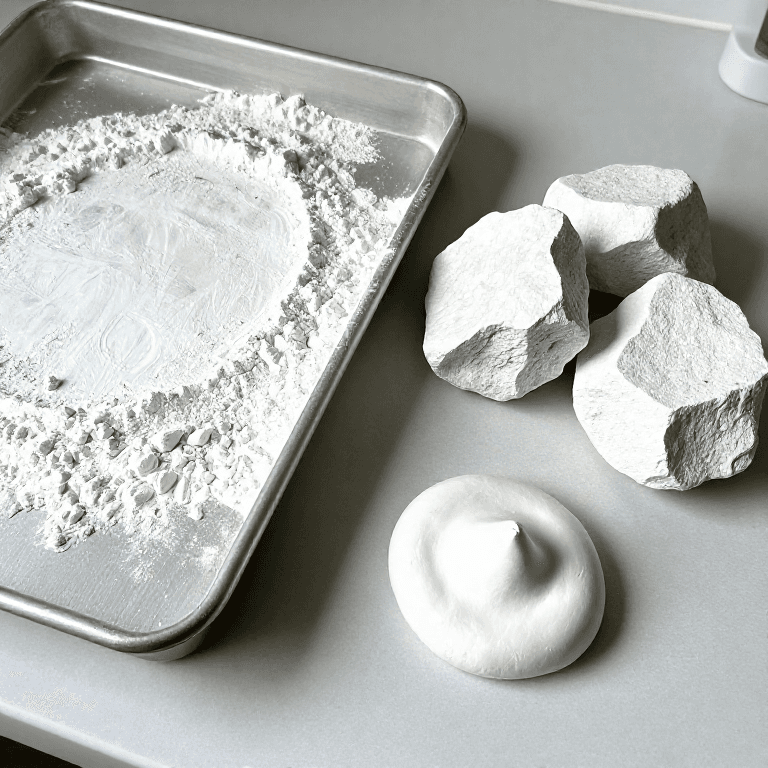
Put well-purified plaster of Paris in a large tub of water (the translator's note: about a gallon to each pound, so it cannot set). Keep it wet at least a month, changing the water every day, until it is completely slaked, all heat gone, and soft as silk.
Àwọn ohun èlò fún ìgbésẹ̀ yìí:
 Pilasita ti Paris1 ẹyọ
 Omi1 ẹyọ
Àwọn irinṣẹ́ tí a nílò:
 Àwokòtò igi
4
4
Make cakes
Make cakes
Pour off the water (strain through linen), shape the paste into cakes and let them dry.
Àwọn irinṣẹ́ tí a nílò:
 Aṣọ ọ̀gbọ̀
5
5
Boil the size
Boil the size
Boil shavings of sheep parchment in water until the water is down to one third. It is ready when a little rubbed between the palms makes one hand stick to the other. Strain it two or three times.
Àwọn ohun èlò fún ìgbésẹ̀ yìí:
 Awọ Ìkọ̀wé1 ẹyọOmi1 ẹyọ
Àwọn irinṣẹ́ tí a nílò:
 Ìkòkò olódi gíga
 Aṣọ (fún Sísẹ́)
6
6
Grind and wring
Grind and wring
Drop the cakes one by one into clean water and let them drink all they will. Grind a little at a time on the slab, adding no more water. Gather it on strong white linen until you have a loaf's worth, fold the cloth and wring out all the water you can.
Àwọn ohun èlò fún ìgbésẹ̀ yìí:
Omi1 ẹyọÀwọn irinṣẹ́ tí a nílò:
 Ìkòkò seramiki tí a fi enamel bò
 Pẹpẹ Òkúta Pẹrẹsẹ
 Ọmọ ọlọAṣọ ọ̀gbọ̀
7
7
Temper warm
Temper warm
In a new, grease-free (better glazed) pipkin, scrape the gesso fine with a knife like cheese. Add the size, less than for gesso grosso, and work it with the hand like fritter batter so it does not froth. Stand the pipkin in a cauldron of very hot water to keep it warm: it must never boil.
Àwọn irinṣẹ́ tí a nílò:
Ìkòkò seramiki tí a fi enamel bò Ọ̀bẹ
 Ìkòkò Ńlá
8
8
Troubleshooting
Troubleshooting
Gesso troubleshooting.
Flow
Loading...
9
9
History and honest limits
History and honest limits
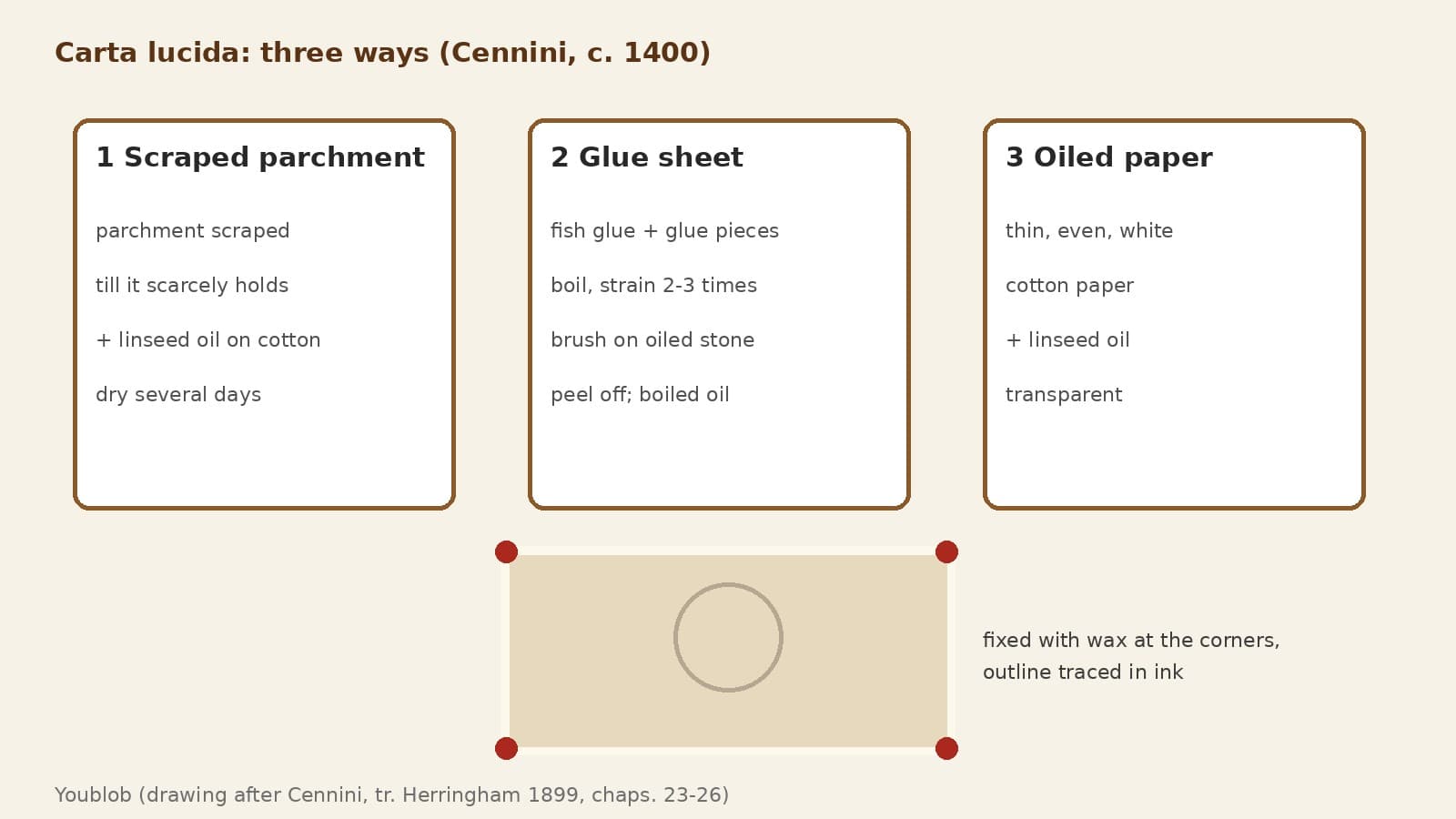
From Cennino Cennini, **Il Libro dell'Arte** (c. 1400), chaps. 113, 116-117, in Herringham's translation (1899), pp. 93-98 (checked on the archive.org scan bookartcenninoc01herrgoog). The water ratio is Herringham's footnote, not Cennini's. The smooth stone slab in place of porphyry and the metric figures are ours.
Ìtọ́nisọ́nà yìí ń ṣe

Blueprint tó jọra
Àwọn blueprint wọ̀nyí pín ìmọ̀ — ọ̀nà, ohun-èlò tàbí ìlànà
CC0 Àgbègbè Gbogbogbò
Blueprint yìí ti jáde lábẹ́ CC0. O lè ṣe àdàkọ, yí padà, pín, àti lò láìsí ìyọ̀ǹda.
Ṣàtìlẹ́yìn Olùṣẹ́dá nípa rírà àwọn ọjà nipasẹ̀ Blueprint wọn Ẹ̀san Olùṣẹ́dá tí àwọn Olùtajà gbé kalẹ̀, tàbí ṣẹ̀dá àtúnṣe tuntun ti Blueprint yìí kí o sì fi sínú Blueprint rẹ gẹ́gẹ́ bí ìsopọ̀ láti pín owó-wíwọlé.