IṢẸ́ ỌNÀ
ẸWÀ ÀTI ÌLERA
IṢẸ́ ỌWỌ́
ÀṢÀ ÀTI ÌTÀN
ÌṢERÉ
ÀYÍKÁ
OÚNJẸ ÀTI OHUN MÍMU
REVERSE ENGINEERING
SÁYẸ́ǸSÌ
ERÉ ÌDÁRAYÁ
ÌMỌ̀-Ẹ̀RỌ
ÀWỌN OHUN WÍWỌ̀
Léwu


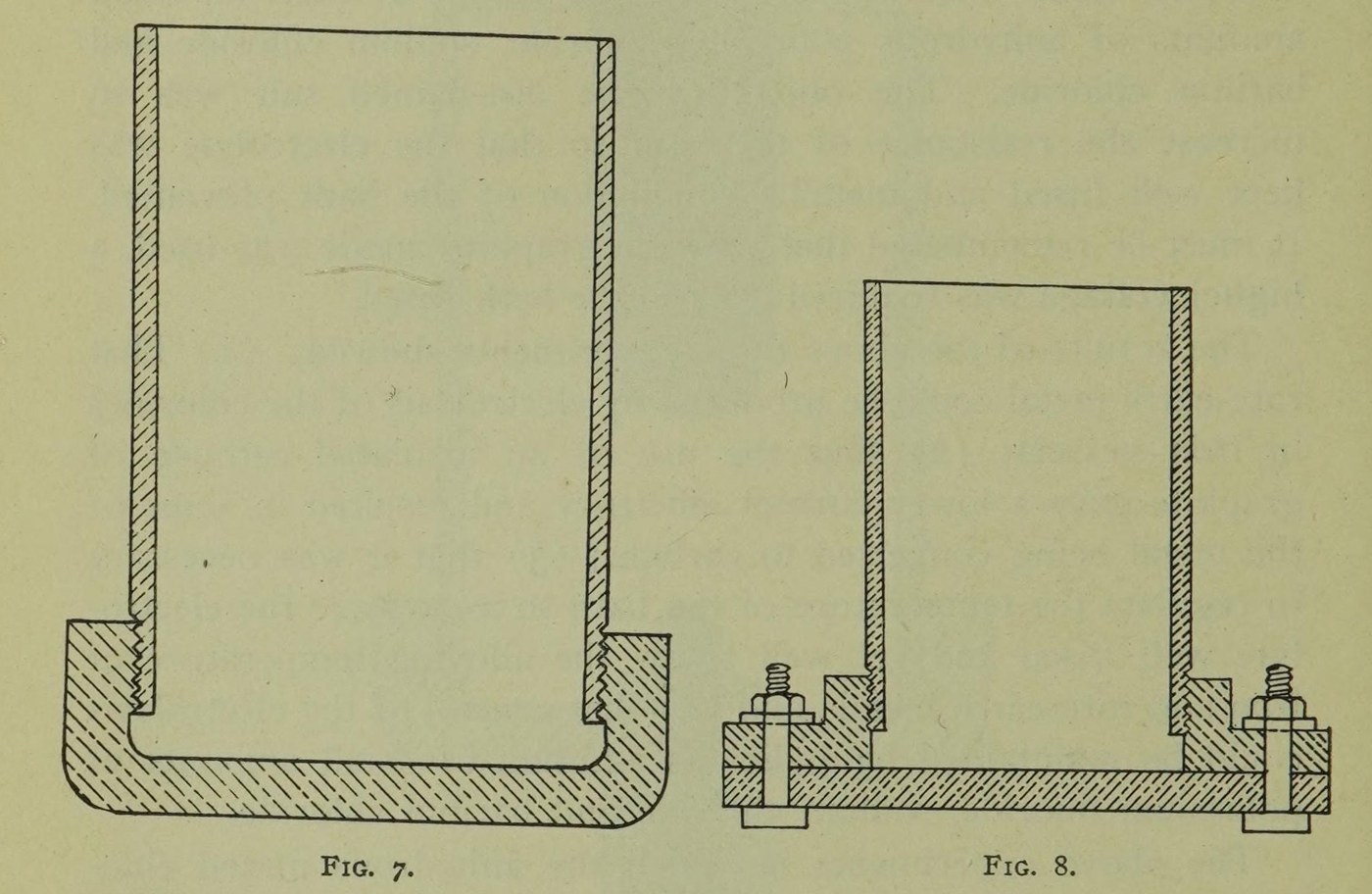
Cerium: Anhydrous Cerous Chloride Electrolysed in an Iron Pipe at 200 Amperes (Hirsch, 1911)
The hard part of making cerium is a chloride with no water and no oxide in it. Hirsch boiled purified cerium ammonium nitrate down with hydrochloric acid for weeks, dried it in a stream of dry hydrogen chloride, then electrolysed the melt in a plain iron pipe, which served as the cathode.
Result: a fused ingot of cerium metal (580 g in one run), about 98 % cerium.
Source: A. Hirsch, The Preparation and Properties of Metallic Cerium, Trans. Am. Electrochem. Soc. 20 (1911), pp. 65-85. Chlorine comes off the anode; hydrogen chloride is corrosive; the original seal used asbestos. Picture: Figs. 7 and 8 of the paper.
Ilọsíwájú
4 weeks
Àkóónú tó léwu
Blueprint yii ni awọn ilana ti o lewu. Wọle ki o mu akoonu ti o lewu ṣiṣẹ ninu awọn eto akaunti rẹ lati wo awọn itọnisọna igbesẹ-nipasẹ-igbesẹ.
WọléÌtọ́nisọ́nà yìí ń ṣe

CC0 Àgbègbè Gbogbogbò
Blueprint yìí ti jáde lábẹ́ CC0. O lè ṣe àdàkọ, yí padà, pín, àti lò láìsí ìyọ̀ǹda.
Ṣàtìlẹ́yìn Olùṣẹ́dá nípa rírà àwọn ọjà nipasẹ̀ Blueprint wọn Ẹ̀san Olùṣẹ́dá tí àwọn Olùtajà gbé kalẹ̀, tàbí ṣẹ̀dá àtúnṣe tuntun ti Blueprint yìí kí o sì fi sínú Blueprint rẹ gẹ́gẹ́ bí ìsopọ̀ láti pín owó-wíwọlé.