IṢẸ́ ỌNÀ
ẸWÀ ÀTI ÌLERA
IṢẸ́ ỌWỌ́
ÀṢÀ ÀTI ÌTÀN
ÌṢERÉ
ÀYÍKÁ
OÚNJẸ ÀTI OHUN MÍMU
REVERSE ENGINEERING
SÁYẸ́ǸSÌ
ERÉ ÌDÁRAYÁ
ÌMỌ̀-Ẹ̀RỌ
ÀWỌN OHUN WÍWỌ̀
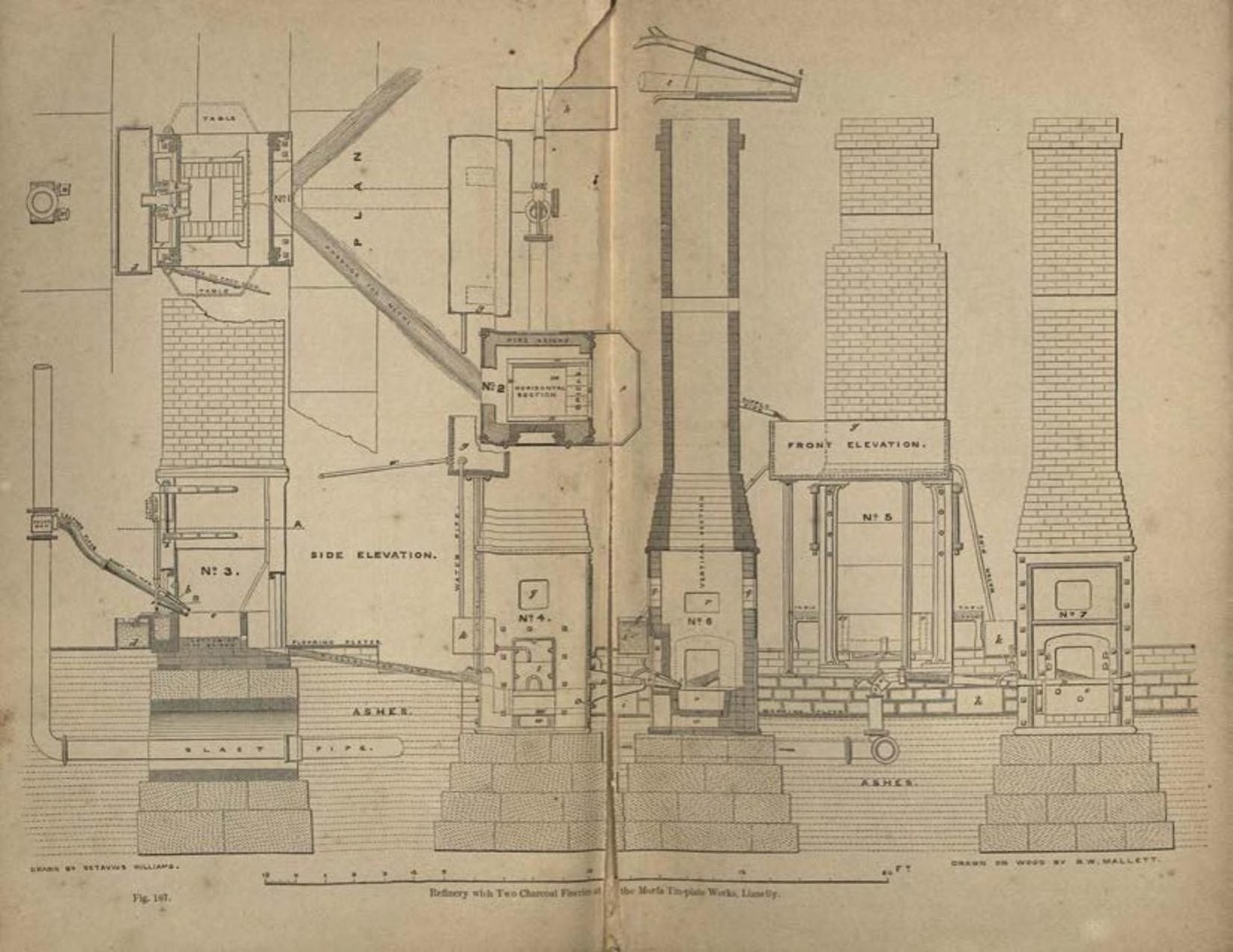


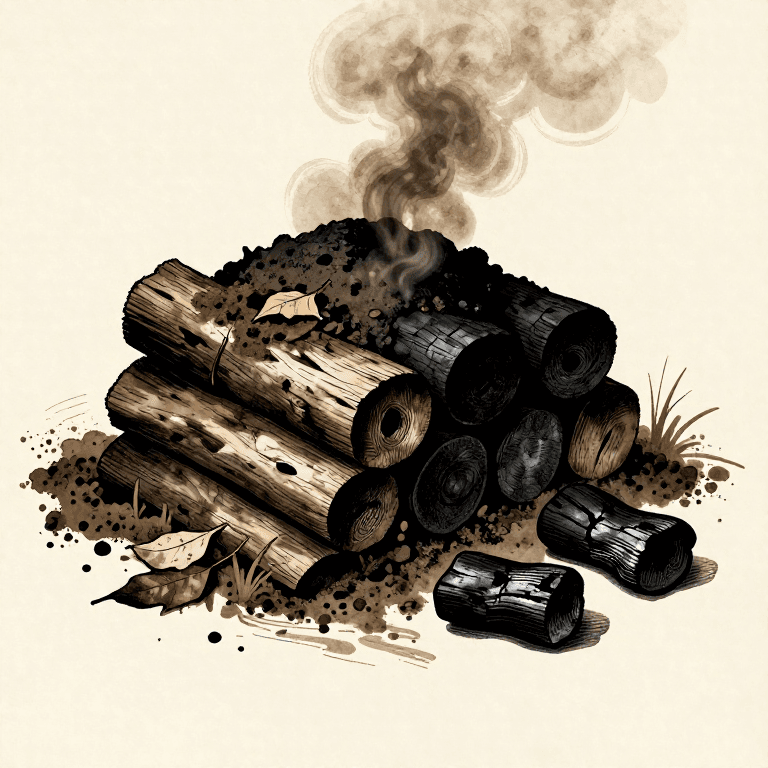
Charcoal Finery Iron: the South Wales Process, Ball Hammered into Stamps (Percy, 1864)
The best iron for charcoal tin-plates, as Percy watched it made at the Morfa Tin-plate Works, Llanelly, on 9 September 1859: pig iron melted under coke in a running-out fire flows into two charcoal fineries, where it is broken up with charcoal, melted down before a cold blast and worked into a ball, which is hammered into a slab and broken into 'stamps'.
Charcoal is used because it holds no sulphide of iron, so no sulphur passes into the iron.
Source: J. Percy, Metallurgy: Iron and Steel (1864), pp. 581-586. Picture: Fig. 107, the refinery and two charcoal fineries at Morfa.
Ilọsíwájú
Unknown
Ìlànà
1
1
Melt the pig under coke
Melt the pig under coke
Melt Pembrokeshire pig iron and Cumberland haematite pig iron together under coke in the running-out fire (melting finery), enough to fill two charcoal fineries: 5 to 6 cwt at Pont-y-Mister; 200 to 250 lb for each finery at Pontypool. Tap it at the bottom so that metal flows first, and keep the slag apart as far as you can. Not given: the proportion of the two pigs.
Àwọn ohun èlò fún ìgbésẹ̀ yìí:
 Àwọn ìdì irin aláìwẹ̀mọ́1 5-6 cwt for two fineries
 Èédú metalurgi1 ẹyọ
Àwọn irinṣẹ́ tí a nílò:
 Iná ìyọ́mọ́
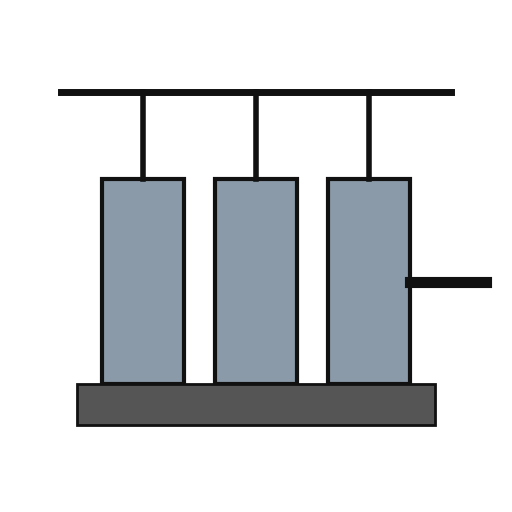 Ẹ̀rọ afẹ́fẹ́ ààrò ìyọ́rin
2
2
Fill the charcoal fineries
Fill the charcoal fineries
Run the molten metal into the two charcoal fineries, still hot from the last heat. Take off the slag that comes with it as a crust once it has set. Throw in a basket of charcoal and let the cold blast on full.
Àwọn ohun èlò fún ìgbésẹ̀ yìí:
 Èédú igi ege (igi líle)1 a basket per finery, more as needed
Àwọn irinṣẹ́ tí a nílò:
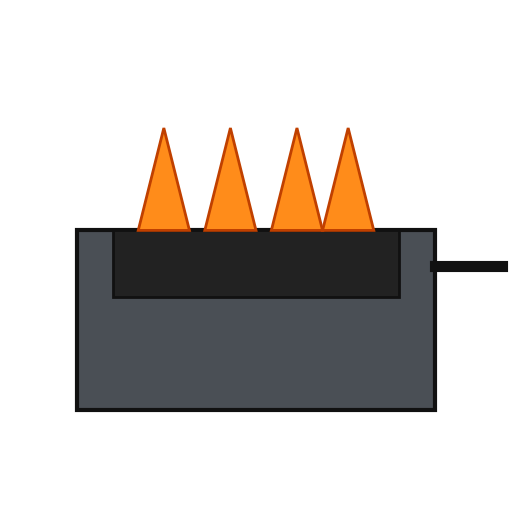 Ààrò ìsọdimímọ́Ẹ̀rọ afẹ́fẹ́ ààrò ìyọ́rin
3
3
Break up and melt down
Break up and melt down
Break the friable, half-set metal with an iron bar, mix it with the charcoal and heap it towards the tuyere side, where it melts down before the blast ('sinking a lump'). Throw water on the charcoal at intervals so that it does not burn to waste. Keep loosening and raising the metal from the bottom and the tuyere side.
Àwọn irinṣẹ́ tí a nílò:
 Ọ̀pá ìtú ináÀàrò ìsọdimímọ́
 Omi
4
4
Gather the ball
Gather the ball
Put back pieces left from the last hammering with a two-pronged fork. Tap off the cinder several times and add charcoal, using the hooks at the sides as fulcra to press loose pieces down onto the ball. Lessen the blast at the end. At Morfa the metal went in at 2 h 10 m and the ball came out at 3 h 23 m.
Àwọn irinṣẹ́ tí a nílò:
Ọ̀pá ìtú ináÀàrò ìsọdimímọ́5
5
Hammer the ball into a slab
Hammer the ball into a slab
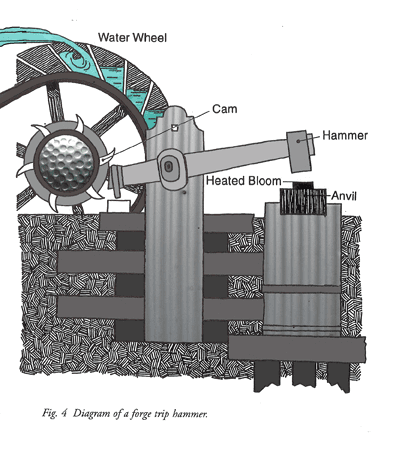
Put the ball under the cam hammer with the tuyere mark facing the hammerman. Hammer it into a narrow slab, rounded at the ends, about 1 3/4 to 2 1/4 in. thick. While it is hot, nick it across deeply in seven or eight places with a chisel-ended bar under the hammer.
Àwọn irinṣẹ́ tí a nílò:
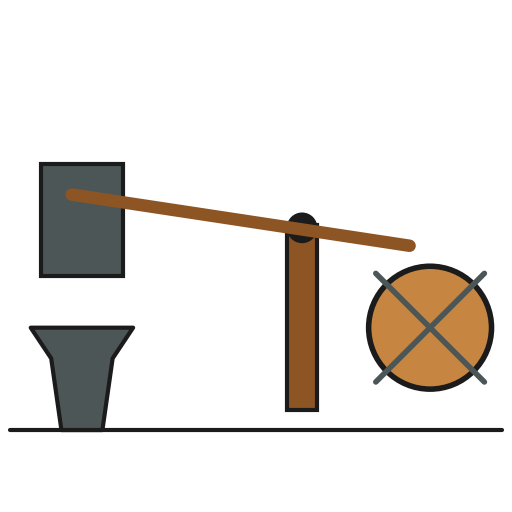 Òòlù tí a ń jù sílẹ̀
 Ẹmú Alágbẹ̀dẹ
6
6
Quench and break into stamps
Quench and break into stamps
Plunge the nicked slab, still red-hot, into cold water to loosen the oxide. Lay it nicks down across a long ribbed anvil and break it with a narrow-ended sledge into 'stamps' of about 26 lb. Set the end pieces apart, sort the rest by soundness, and return broken bits to the next charge.
Àwọn irinṣẹ́ tí a nílò:
Omi Ìdí alágbẹ̀dẹ pẹ̀lẹ́bẹ́
 Òòlù ńláẸmú Alágbẹ̀dẹ
Àwọn ohun-èlò
3- 1 5-6 cwt for two fineriesÀyè
- 1 ẹyọÀyè
- 1 a basket per finery, more as neededÀyè
Àwọn Ohun Èlò Ìtọ́nisọ́nà Tí A So Pọ̀

Ìtọ́nisọ́nà yìí ń ṣe
CC0 Àgbègbè Gbogbogbò
Blueprint yìí ti jáde lábẹ́ CC0. O lè ṣe àdàkọ, yí padà, pín, àti lò láìsí ìyọ̀ǹda.
Ṣàtìlẹ́yìn Olùṣẹ́dá nípa rírà àwọn ọjà nipasẹ̀ Blueprint wọn Ẹ̀san Olùṣẹ́dá tí àwọn Olùtajà gbé kalẹ̀, tàbí ṣẹ̀dá àtúnṣe tuntun ti Blueprint yìí kí o sì fi sínú Blueprint rẹ gẹ́gẹ́ bí ìsopọ̀ láti pín owó-wíwọlé.