IṢẸ́ ỌNÀ
ẸWÀ ÀTI ÌLERA
IṢẸ́ ỌWỌ́
ÀṢÀ ÀTI ÌTÀN
ÌṢERÉ
ÀYÍKÁ
OÚNJẸ ÀTI OHUN MÍMU
REVERSE ENGINEERING
SÁYẸ́ǸSÌ
ERÉ ÌDÁRAYÁ
ÌMỌ̀-Ẹ̀RỌ
ÀWỌN OHUN WÍWỌ̀
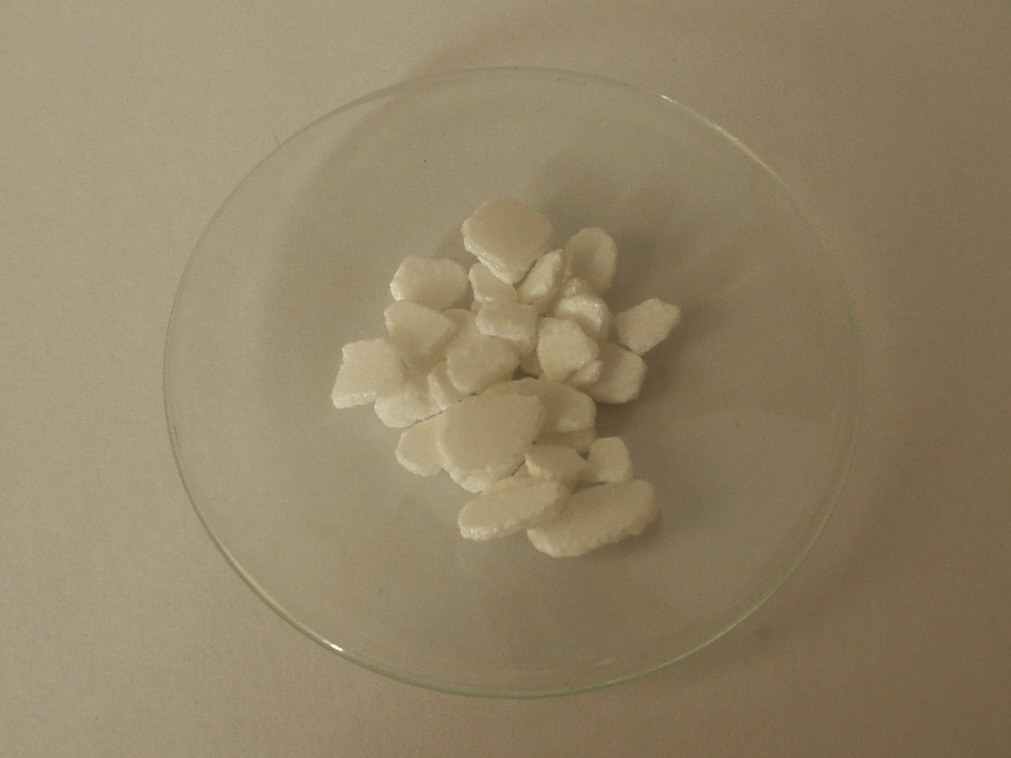


Chloride of Calcium from Marble and Spirit of Salt
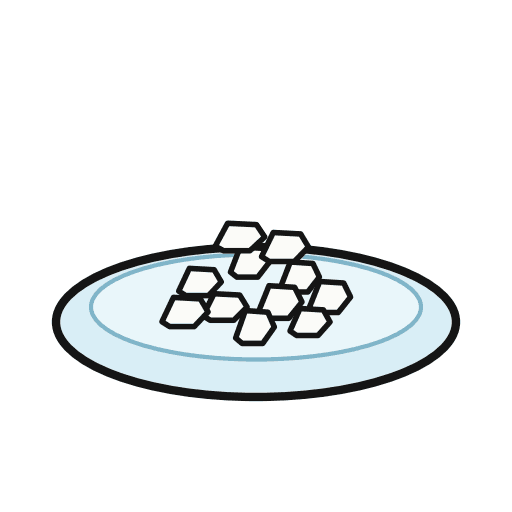
Calcium chloride is the salt left when marble or limestone dissolves in hydrochloric acid. George Fownes's chemistry manual (1856) gives exactly that as the usual way to make it. The crystals that separate from a strong solution draw water from the air so greedily that, dried hard or fused, the salt is used to dry gases; in solution it is used in refining borax.
Àárín
A day, plus drying
Ìlànà
1
1
Weigh marble and acid
Weigh marble and acid
Weigh the marble and the hydrochloric acid. The notebook (step 6) works out the amounts: 1 kg of marble takes about 2.3 kg of acid at specific gravity 1.162.
Àwọn ohun èlò fún ìgbésẹ̀ yìí:
 Ekuru marble1 kg
 Hydrochloric acid2.3 kg
Àwọn irinṣẹ́ tí a nílò:
 Òǹwọ̀n ìdọ́gba
2
2
Dissolve the marble in the acid
Dissolve the marble in the acid
Put the acid in a large glass jar and add the marble a little at a time, stirring. It fizzes as carbon dioxide escapes, so leave plenty of room in the jar. When a fresh pinch no longer fizzes, the acid is used up; let any undissolved marble settle and pour the clear solution off.
Àwọn irinṣẹ́ tí a nílò:
 Ìgò Gílásì
 Ọ̀pá Ìrúwé Gílásì
 Gílásì Ààbò Fún Ìfọ́n Kẹ́míkà
 Ìbọ̀wọ́ rọ́bà
3
3
Boil it down to a strong solution
Boil it down to a strong solution
Evaporate the solution in a pan until it is strong. On cooling, the salt separates as colourless prismatic crystals, which hold 6 parts of water to each part of the chloride (Fownes).
Àwọn ohun èlò fún ìgbésẹ̀ yìí:
 Èédú1 as required
Àwọn irinṣẹ́ tí a nílò:
 Agbada ìyọ̀ omi kúrò
 Ààrò ÈédúỌ̀pá Ìrúwé GílásìGílásì Ààbò Fún Ìfọ́n Kẹ́míkàÌbọ̀wọ́ rọ́bà
4
4
Drive off the water, or fuse it
Drive off the water, or fuse it
Heat the crystals to expel their water. Raised to a strong red heat in a crucible, the dry salt fuses; cast or broken into pieces, fused chloride is the form used to dry gases.
Àwọn ohun èlò fún ìgbésẹ̀ yìí:
Èédú1 as requiredÀwọn irinṣẹ́ tí a nílò:
 Ìkòkò Amọ̀ Tí Ń Kojú InáÀàrò Èédú
 Ẹmú Ìkòkò Ìyọ́
 Ìbọ̀wọ́ Tí Ń Fara Da Ooru
5
5
Keep it shut away from the air
Keep it shut away from the air
The crystals are exceedingly deliquescent: left open they take water from the air and run to a liquid. Store the salt hot from drying in a stoppered jar.
Àwọn irinṣẹ́ tí a nílò:
Ìgò Gílásì6
6
Marble in, chloride out
Marble in, chloride out
Ń ṣí ìwé Jupyter…
7
7
Troubleshooting
Troubleshooting
Calcium chloride troubleshooting.
Flow
Loading...
8
8
History and honest limits
History and honest limits
Fownes (1856) names marble dissolved in hydrochloric acid as the usual source and adds that calcium chloride is also a by-product of several manufactures; Ure (1839) notes it as the residue of making ammonia from sal ammoniac and lime. Fownes gives no quantities; those in the notebook come from the equation. Testing for the end of the fizzing, and leaving room in the jar, are ordinary practice, not his words.
Àwọn irinṣẹ́ tó nílò
10- Àyè
- Àyè
Ìtọ́nisọ́nà yìí ń ṣe
Blueprint tó jọra
Àwọn blueprint wọ̀nyí pín ìmọ̀ — ọ̀nà, ohun-èlò tàbí ìlànà
CC0 Àgbègbè Gbogbogbò
Blueprint yìí ti jáde lábẹ́ CC0. O lè ṣe àdàkọ, yí padà, pín, àti lò láìsí ìyọ̀ǹda.
Ṣàtìlẹ́yìn Olùṣẹ́dá nípa rírà àwọn ọjà nipasẹ̀ Blueprint wọn Ẹ̀san Olùṣẹ́dá tí àwọn Olùtajà gbé kalẹ̀, tàbí ṣẹ̀dá àtúnṣe tuntun ti Blueprint yìí kí o sì fi sínú Blueprint rẹ gẹ́gẹ́ bí ìsopọ̀ láti pín owó-wíwọlé.