IṢẸ́ ỌNÀ
ẸWÀ ÀTI ÌLERA
IṢẸ́ ỌWỌ́
ÀṢÀ ÀTI ÌTÀN
ÌṢERÉ
ÀYÍKÁ
OÚNJẸ ÀTI OHUN MÍMU
REVERSE ENGINEERING
SÁYẸ́ǸSÌ
ERÉ ÌDÁRAYÁ
ÌMỌ̀-Ẹ̀RỌ
ÀWỌN OHUN WÍWỌ̀
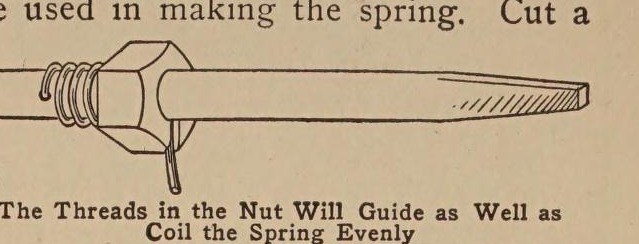


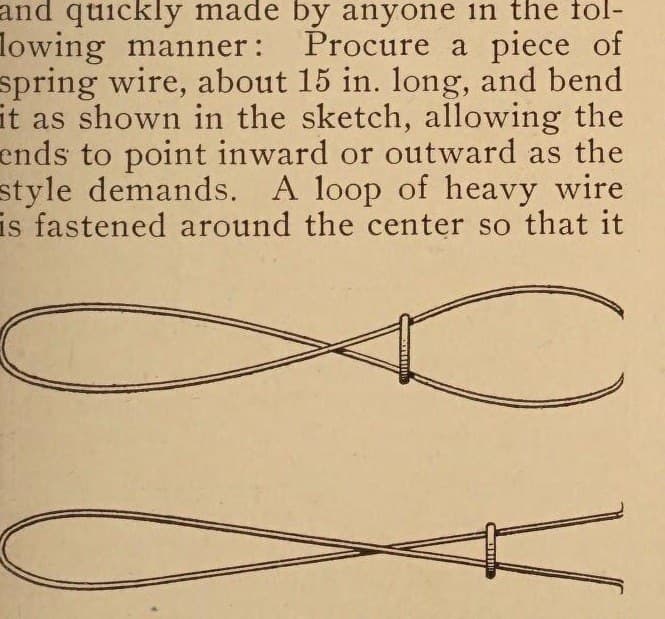
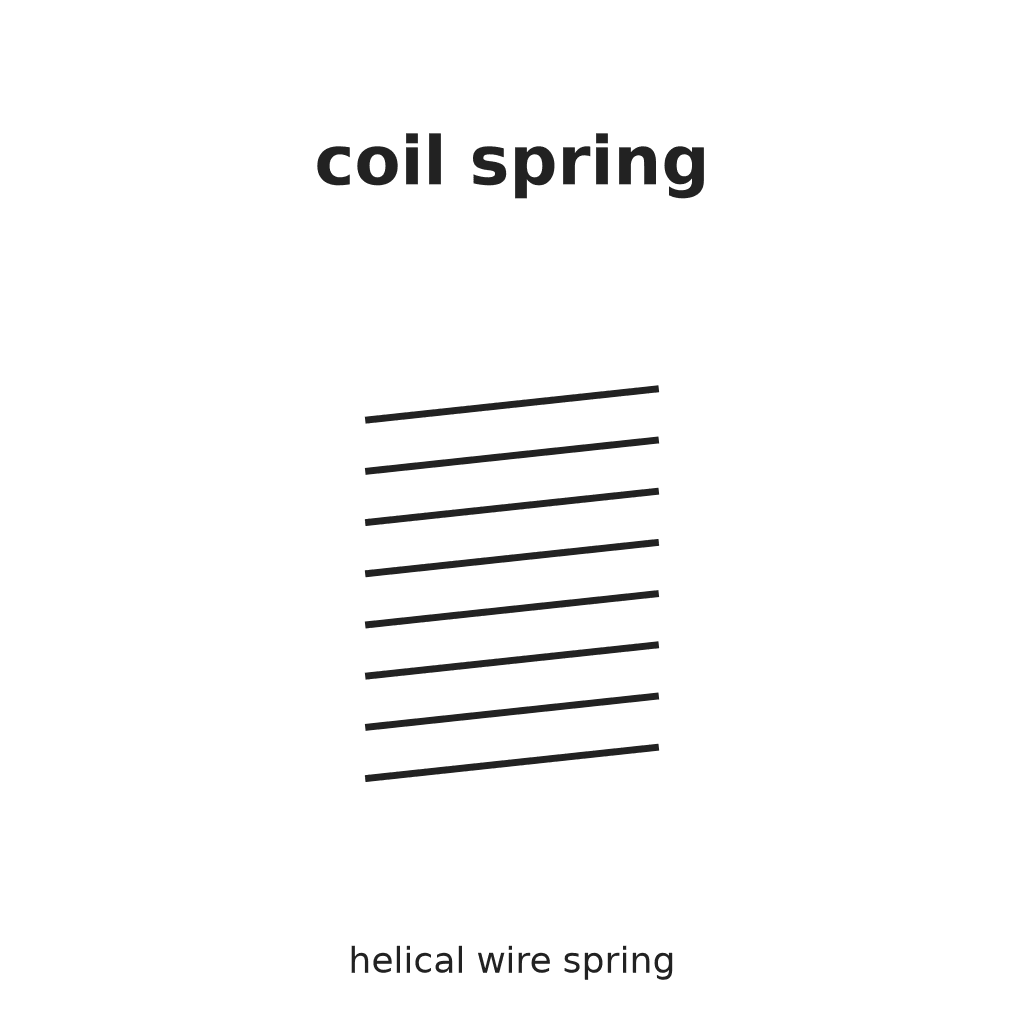
Coil Spring: Small Springs Wound Through a Nut (Boy Mechanic, 1915)
Small, even coil springs wound by hand: spring wire is turned round a rod that runs through a nut held in a vise, and the nut's thread lays every coil at the same pitch.
Variable: the nut's thread pitch gives open or closed coils.
Source: The Boy Mechanic, Book 2 (1915), p. 197. Picture: the book's sketch.
Olùbẹ̀rẹ̀
Unknown
Ìlànà
1
1
Prepare the nut and rod
Prepare the nut and rod
Take a nut whose thread will take the spring wire, and file a small notch, as deep as the thread, where the thread starts. Take a smooth rod that passes snugly through the nut. Shape one end to fit a brace (or a drill chuck) and drill a hole across the other end for the wire.
Àwọn irinṣẹ́ tí a nílò:
 Nọ́ọ̀tì Onígun Mẹ́fà
 Ọ̀pá Róbótó Irin Rírọ̀
 Ìfá Irin
 Ìlù ọwọ́
2
2
Wind the spring
Wind the spring
Bend the end of the wire at right angles and push it into the hole. Grip the nut in a vise, put the rod through it, and turn the rod with the brace, guiding the wire into the notch at the start of the thread. The wire follows the thread and comes out as an even spring. Cut it to length.
Àwọn ohun èlò fún ìgbésẹ̀ yìí:
 Okùn irin kámánì1 ẹyọ
Àwọn irinṣẹ́ tí a nílò:
 Ìdìmú Tábìlì
 Ìlù ọwọ́ pẹ̀lú orí
 Ìlàǹkàn irin
Àwọn ohun-èlò
1- 1 ẹyọÀyè
Àwọn irinṣẹ́ tó nílò
7- Àyè
- Àyè
- Àyè
- Àyè
Àwọn Ohun Èlò Ìtọ́nisọ́nà Tí A So Pọ̀
Ìtọ́nisọ́nà yìí ń ṣe
CC0 Àgbègbè Gbogbogbò
Blueprint yìí ti jáde lábẹ́ CC0. O lè ṣe àdàkọ, yí padà, pín, àti lò láìsí ìyọ̀ǹda.
Ṣàtìlẹ́yìn Olùṣẹ́dá nípa rírà àwọn ọjà nipasẹ̀ Blueprint wọn Ẹ̀san Olùṣẹ́dá tí àwọn Olùtajà gbé kalẹ̀, tàbí ṣẹ̀dá àtúnṣe tuntun ti Blueprint yìí kí o sì fi sínú Blueprint rẹ gẹ́gẹ́ bí ìsopọ̀ láti pín owó-wíwọlé.