IṢẸ́ ỌNÀ
ẸWÀ ÀTI ÌLERA
IṢẸ́ ỌWỌ́
ÀṢÀ ÀTI ÌTÀN
ÌṢERÉ
ÀYÍKÁ
OÚNJẸ ÀTI OHUN MÍMU
REVERSE ENGINEERING
SÁYẸ́ǸSÌ
ERÉ ÌDÁRAYÁ
ÌMỌ̀-Ẹ̀RỌ
ÀWỌN OHUN WÍWỌ̀
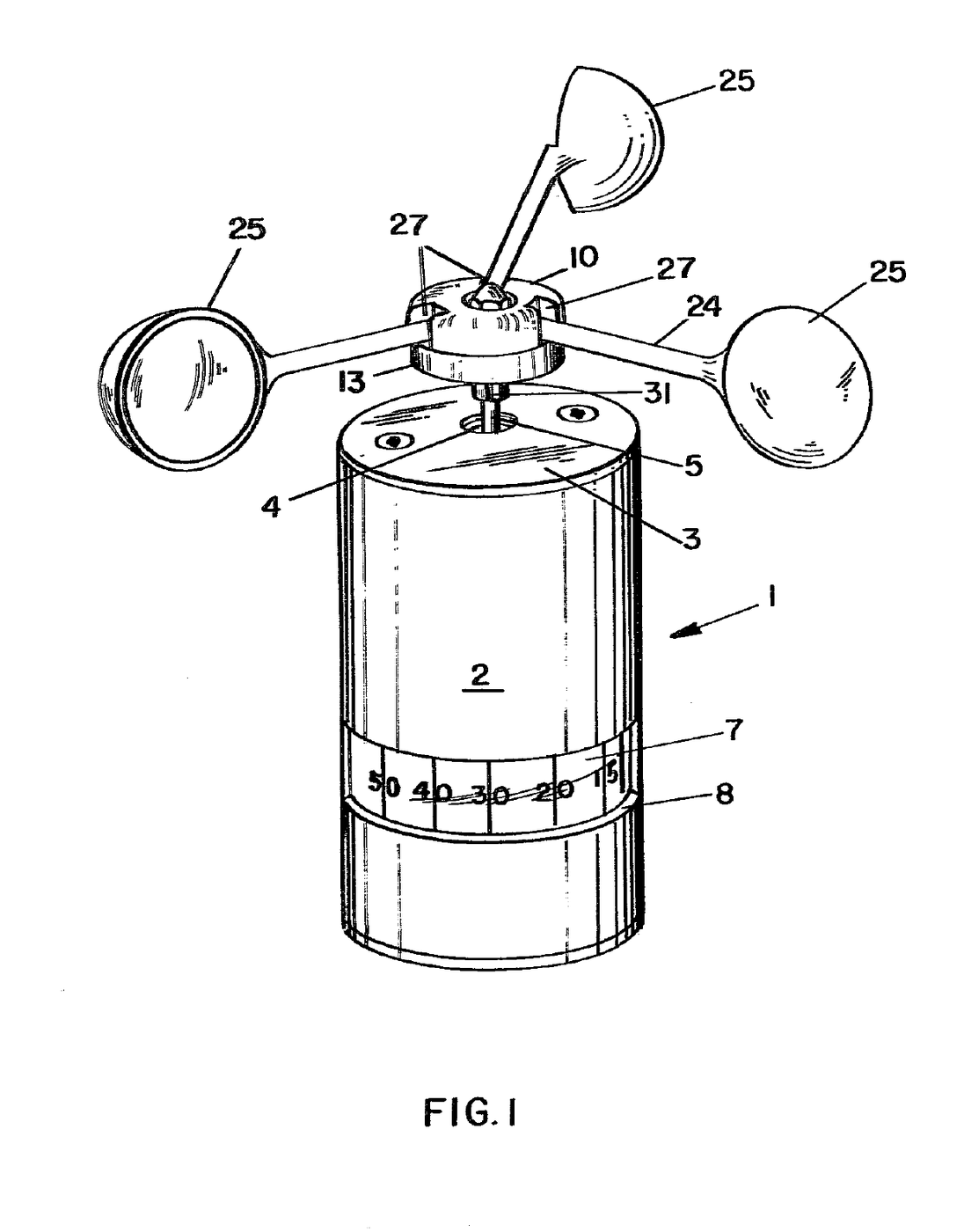


Hand-Held Cup Anemometer with Folding Cups: Simerl, 1978
R. A. Simerl of Annapolis, Maryland, patented this hand-held wind meter in 1978, US 4,102,188. A cylindrical casing small enough to hold in the hand carries a spindle with three light plastic cups on radial arms. The wind spins the cups, and the spindle's rotation is read as wind speed on a calibrated gauge behind a window in the casing. Earlier cup anemometers had their arms fixed to the spindle; here each arm is hinged to a link in a sliding cap, so pushing the cap up folds all three cups upright and parallel to the spindle for storage.
Àárín
Workshop process
Ìlànà
1
1
Casing and spindle
Casing and spindle
Journal a metal spindle vertically in the casing (aluminium or plastic), projecting through a central opening in its top. Inside, conventional electronic apparatus monitors the spindle's rotation and turns a calibrated gauge behind an arcuate window. Cut two annular grooves near the spindle's upper end and thread its tip.
Àwọn ohun èlò fún ìgbésẹ̀ yìí:
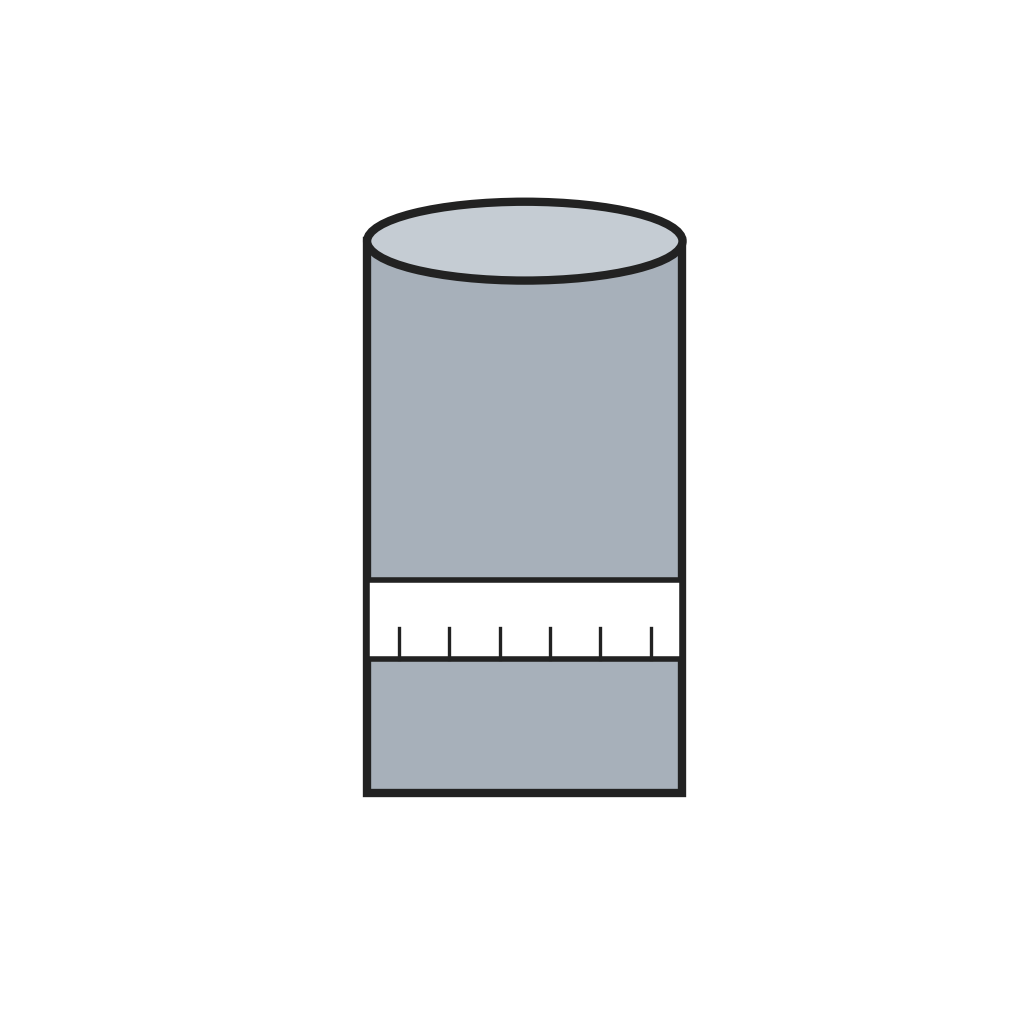 Àpótí ọwọ́ ìwọ̀n atẹ́gùn pẹ̀lú fèrèsé ìwọ̀n1 ẹyọ
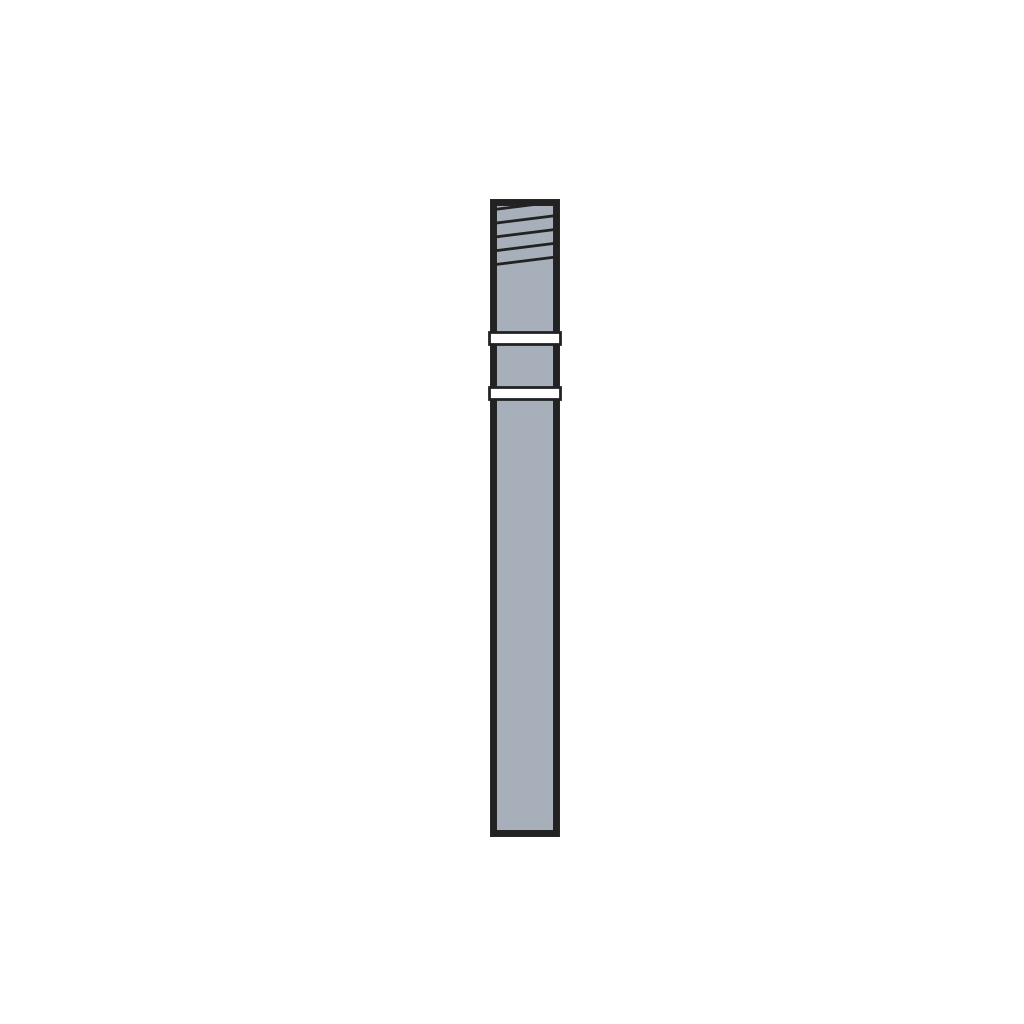 Ọ̀pá ìyípo ìwọ̀n atẹ́gùn oníhò1 ẹyọ
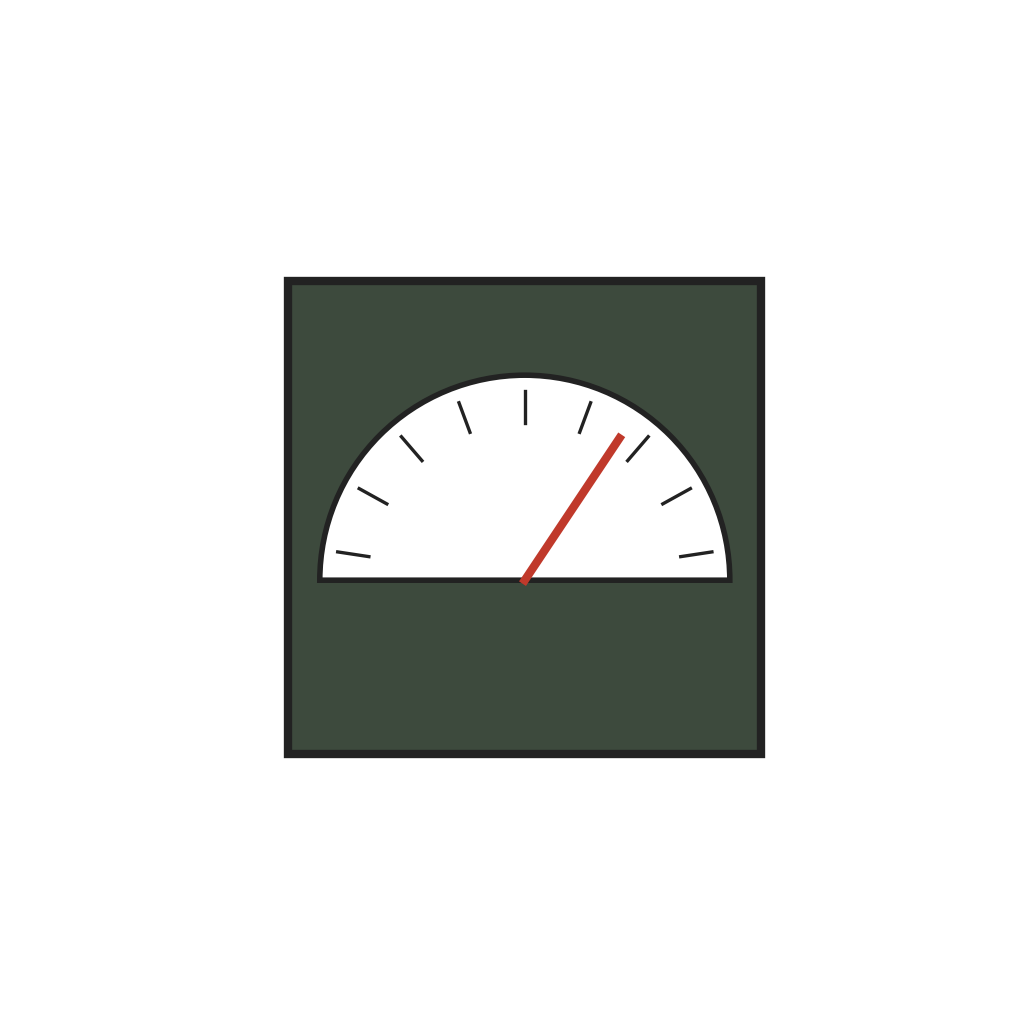 Olùwọ̀n ìyípo ọ̀pá àti ìwọ̀n atẹ́gùn1 ẹyọ
2
2
Spider cap
Spider cap
Make the cap in two plastic parts: a top with three vertical slots in its side wall and pins on its rim, and a bottom with a tubular hub split by four slots and ending in an inturned rib. Fix a spider plate on the spindle's reduced upper end inside the top, slide the hub over the spindle, mate the pins with recesses in the bottom's rim, and fit a lock nut on the threaded tip.
Àwọn ohun èlò fún ìgbésẹ̀ yìí:
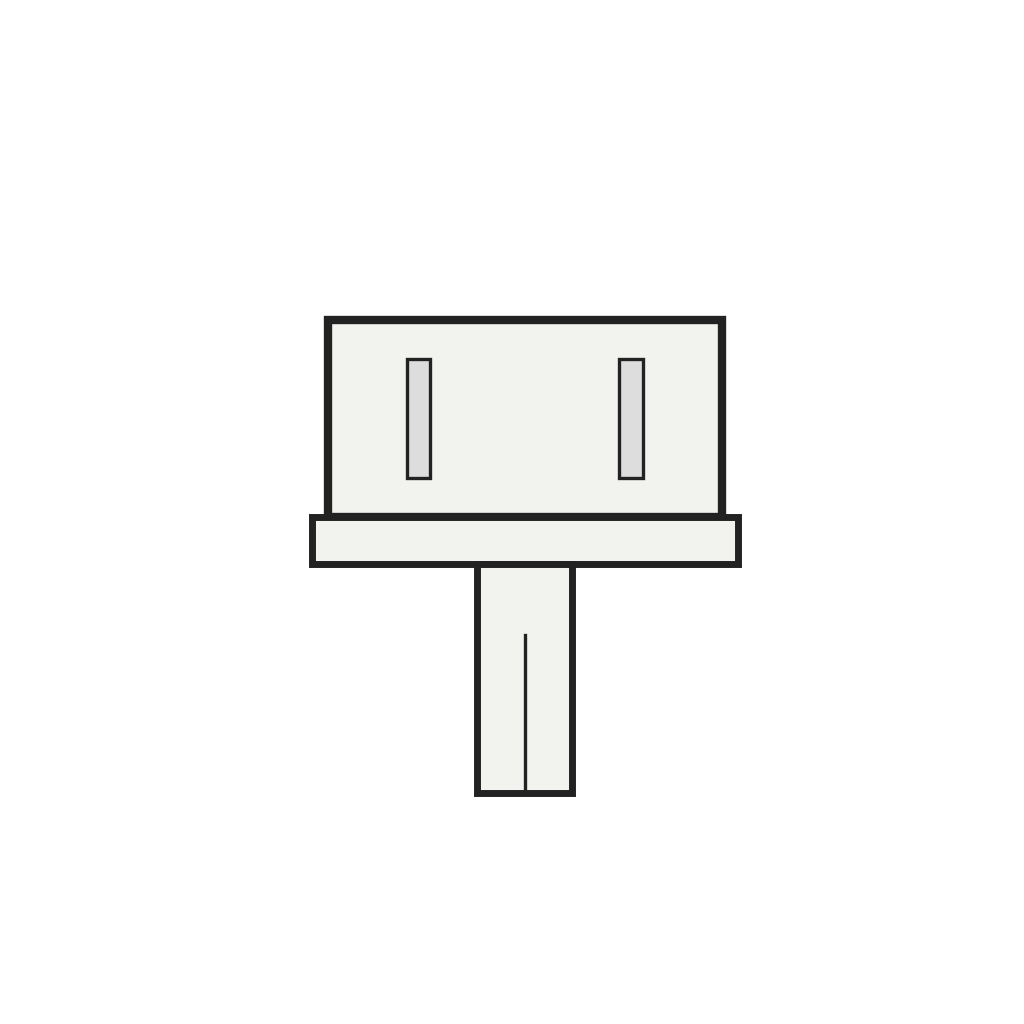 Ìbòrí ìràwọ̀ apá méjì pẹ̀lú àárín oníhò1 ẹyọ
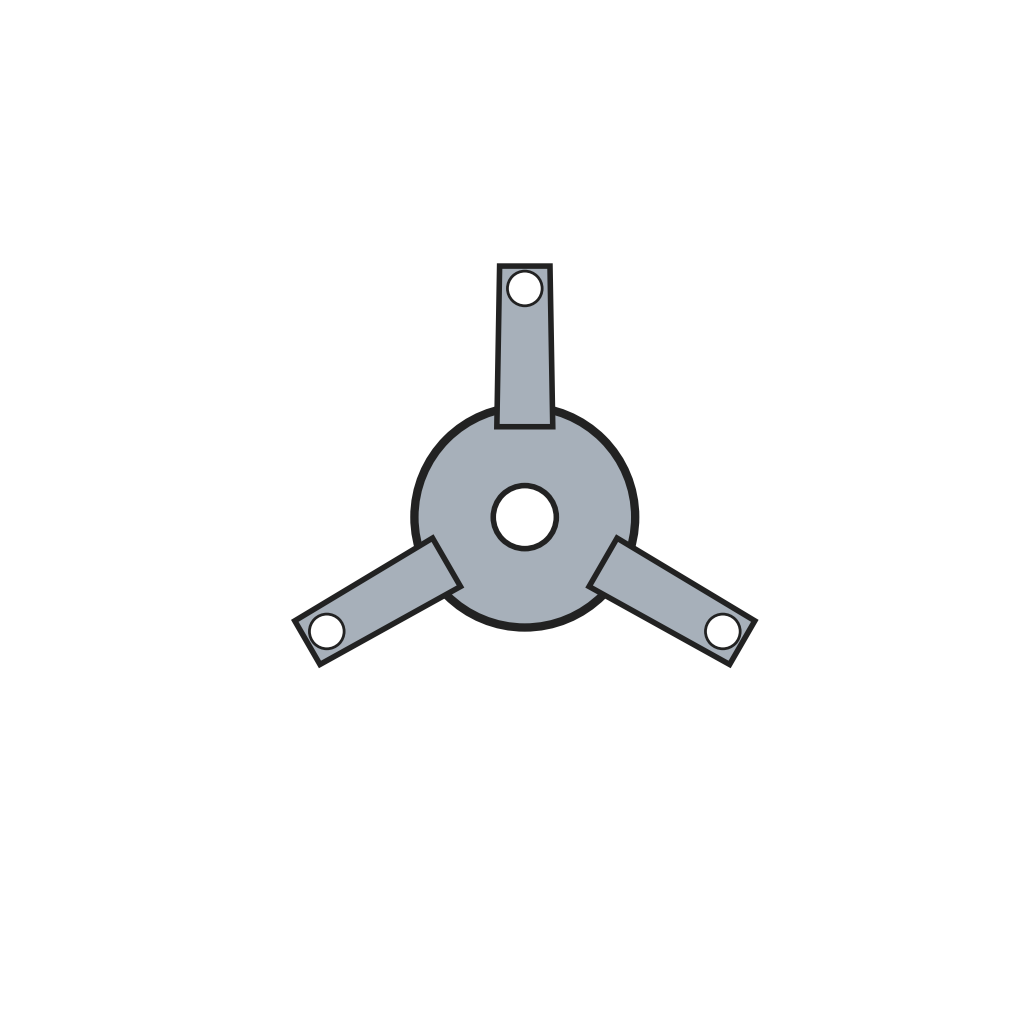 Àwo ìràwọ̀1 ẹyọ
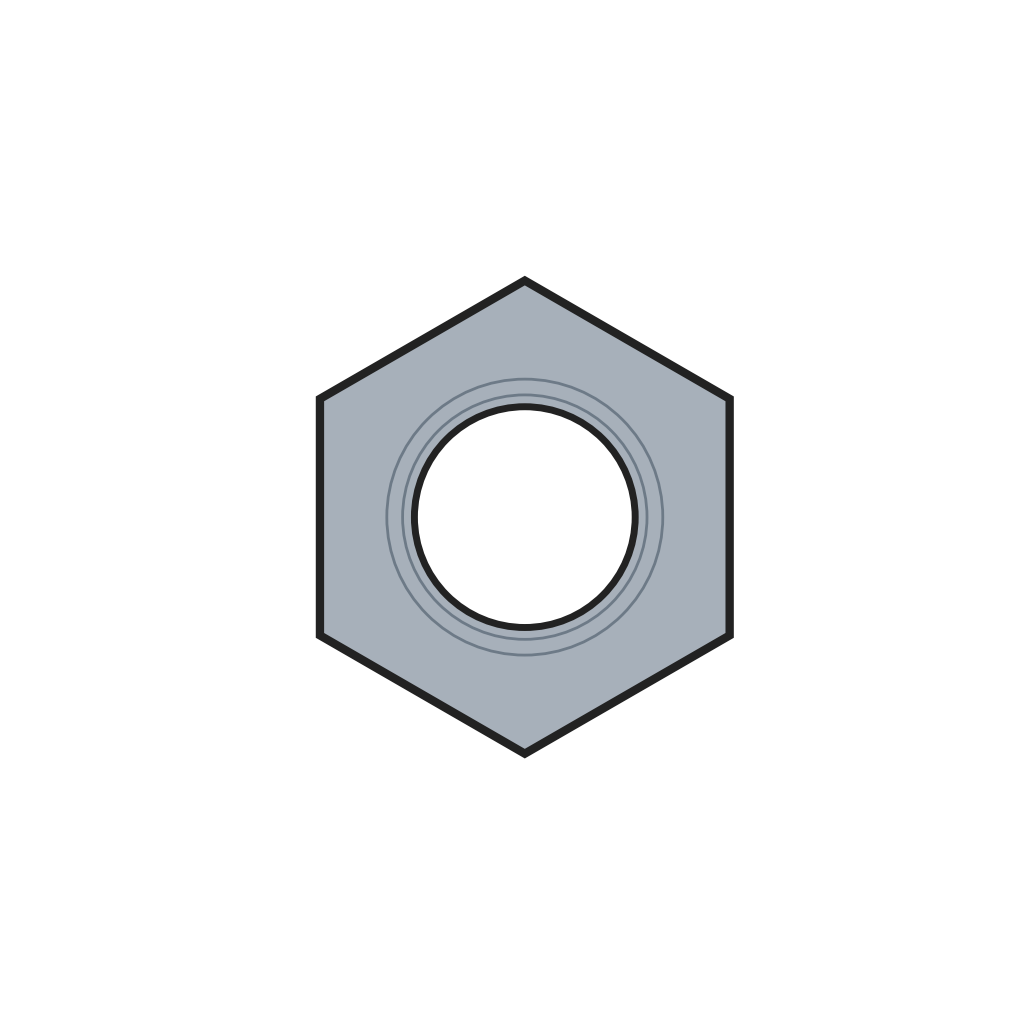 Nọ́ọ̀tì ìdìmú1 ẹyọ
3
3
Cup arms
Cup arms
Make three plastic arms with a wind cup on each outer end. Pass their inner ends through the slots and pivot each to the lower end of a link, itself pivoted in its slot and running up at about 45° to a pivot on the spider plate.
Àwọn ohun èlò fún ìgbésẹ̀ yìí:
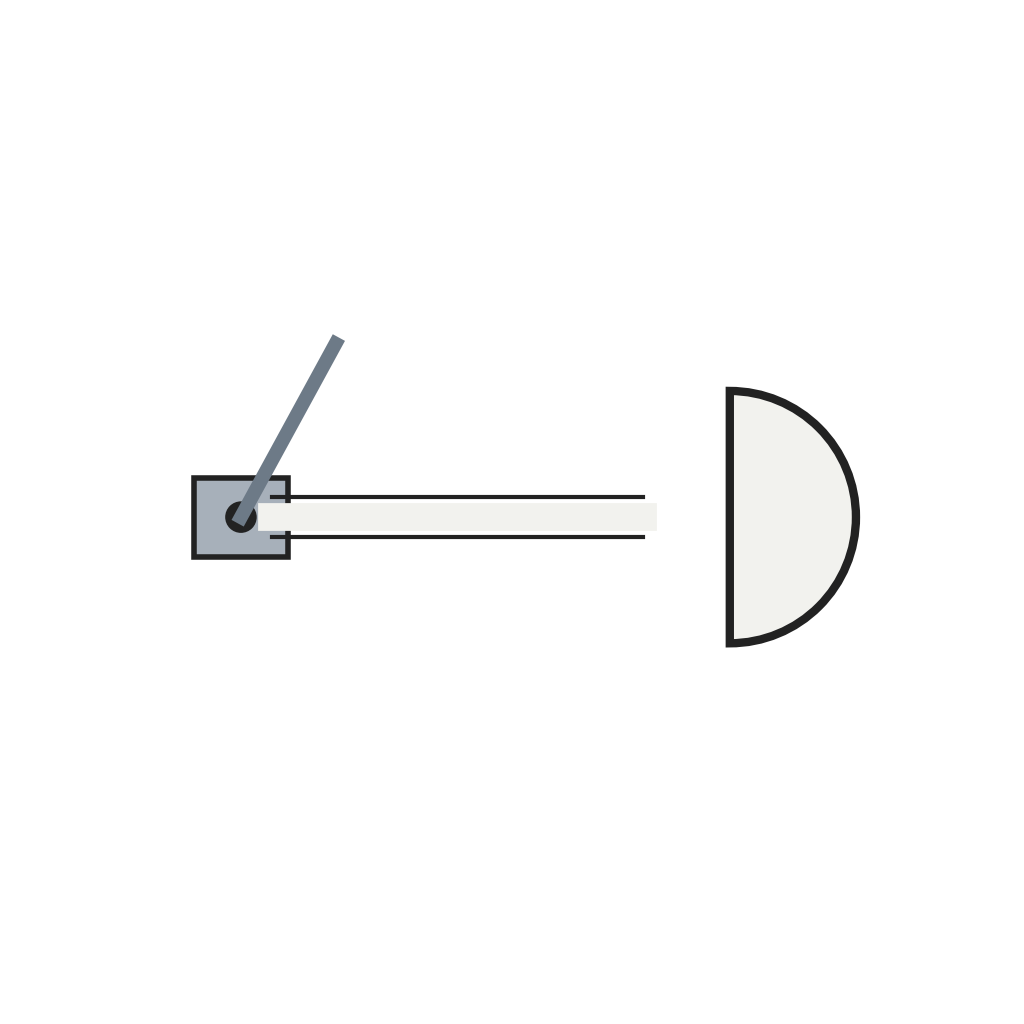 Apá kọ́ọ̀pù oníke pẹ̀lú àwọn ìsopọ̀ yíyí3 ẹyọ
4
4
Fold and open
Fold and open
With the hub's rib in the lower groove, the arms stand horizontal and the cups turn in the wind. Push the cap top up: the flexing hub's rib cams out and snaps into the upper groove, and the links swing the arms up to stand parallel to the spindle. Press it down to open them again.
Àwọn ohun-èlò
7- Àyè
- 1 ẹyọÀyè
- 1 ẹyọÀyè
Ìtọ́nisọ́nà yìí ń ṣe

Blueprint tó jọra
Àwọn blueprint wọ̀nyí pín ìmọ̀ — ọ̀nà, ohun-èlò tàbí ìlànà

CC0 Àgbègbè Gbogbogbò
Blueprint yìí ti jáde lábẹ́ CC0. O lè ṣe àdàkọ, yí padà, pín, àti lò láìsí ìyọ̀ǹda.
Ṣàtìlẹ́yìn Olùṣẹ́dá nípa rírà àwọn ọjà nipasẹ̀ Blueprint wọn Ẹ̀san Olùṣẹ́dá tí àwọn Olùtajà gbé kalẹ̀, tàbí ṣẹ̀dá àtúnṣe tuntun ti Blueprint yìí kí o sì fi sínú Blueprint rẹ gẹ́gẹ́ bí ìsopọ̀ láti pín owó-wíwọlé.