

IṢẸ́ ỌNÀ
ẸWÀ ÀTI ÌLERA
IṢẸ́ ỌWỌ́
ÀṢÀ ÀTI ÌTÀN
ÌṢERÉ
ÀYÍKÁ
OÚNJẸ ÀTI OHUN MÍMU
REVERSE ENGINEERING
SÁYẸ́ǸSÌ
ERÉ ÌDÁRAYÁ
ÌMỌ̀-Ẹ̀RỌ
ÀWỌN OHUN WÍWỌ̀
Corn Whiskey (Moonshine): Indian Corn Alone, Scalded, Malted, Singled and Doubled (Hall, 1818)
Alchometer

Ṣẹ́dá nipasẹ̀

Alchometer

19. Oṣù Kọkànlá 2026GB
4
0
0
1
0

Corn Whiskey (Moonshine): Indian Corn Alone, Scalded, Malted, Singled and Doubled (Hall, 1818)

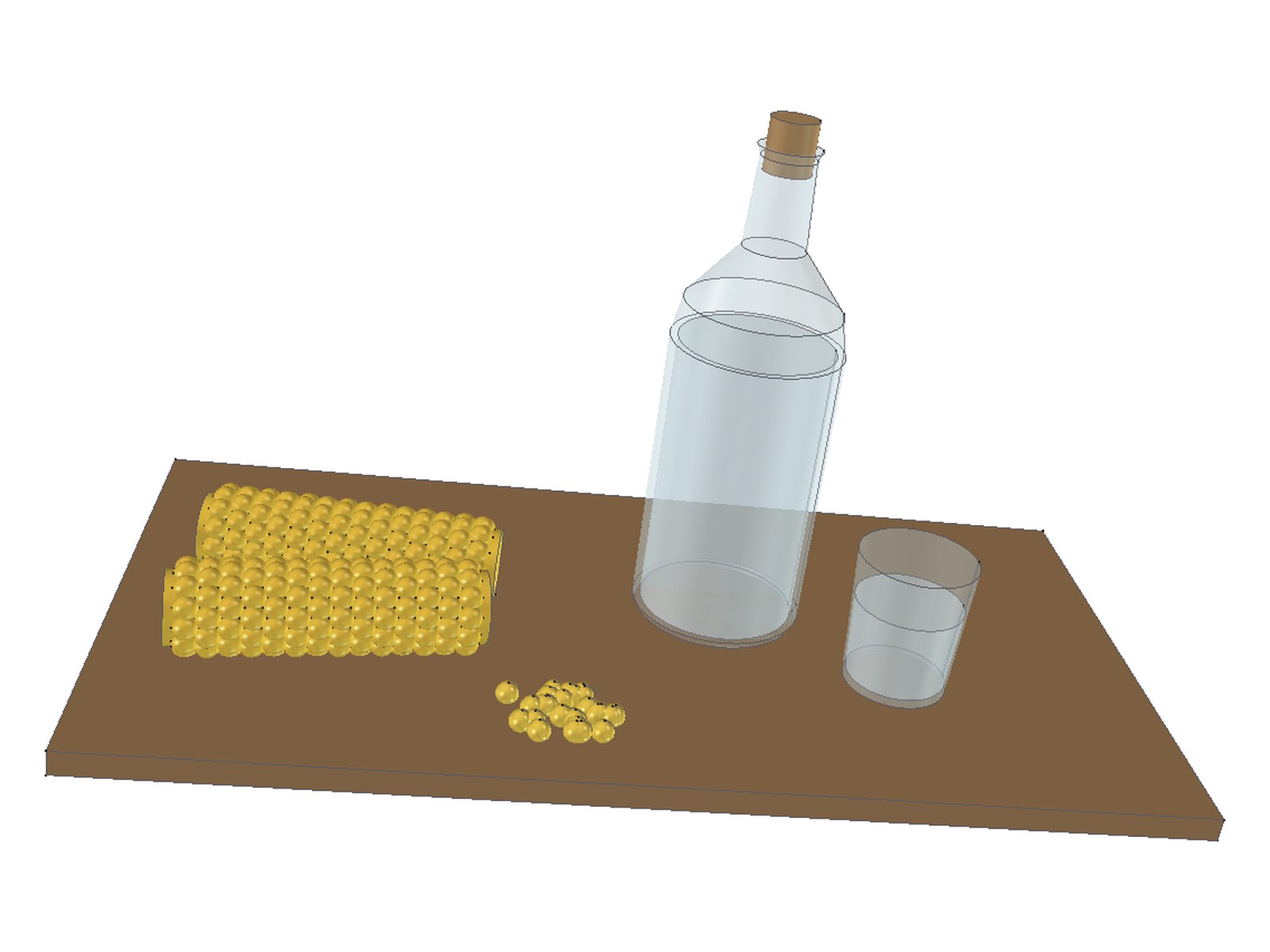
Plain corn whiskey, the clear spirit called moonshine, with no flavouring, as Harrison Hall mashes Indian corn alone in The Distiller (Philadelphia, 1818). Cornmeal is soaked at 110 F, scalded with boiling water and malted, then fermented with yeast and returns. It is distilled to singlings, then doubled, and cut when the proof is off. Distilling spirits without a licence is illegal in many countries: check your law first.
Ilọsíwájú
About 1 week

Ìlànà

1

Read Hall, and the law

Hall on corn alone: "This should be avoided if possible, the weight of corn being very great, and having a very small proportion of bran, it sinks to the bottom of the hogshead and is consequently difficult to be fermented." Ours: distilling spirits without a licence is illegal in many countries, Norway and the United States among them. Check your law first.
2

The still

A pot still with a worm in a tub of cold water.
3

Your size

Ń ṣí ìwé Jupyter…
4

Scald a clean cask

Scald the mashing cask completely and keep anything acid out of it. Hall: the grand secret of good fermentation is cleanliness.

Àwọn irinṣẹ́ tí a nílò:

Àgbá igiÀgbá igi
Ìkòkò ŃláÌkòkò Ńlá
5

Soak the meal at 110 F

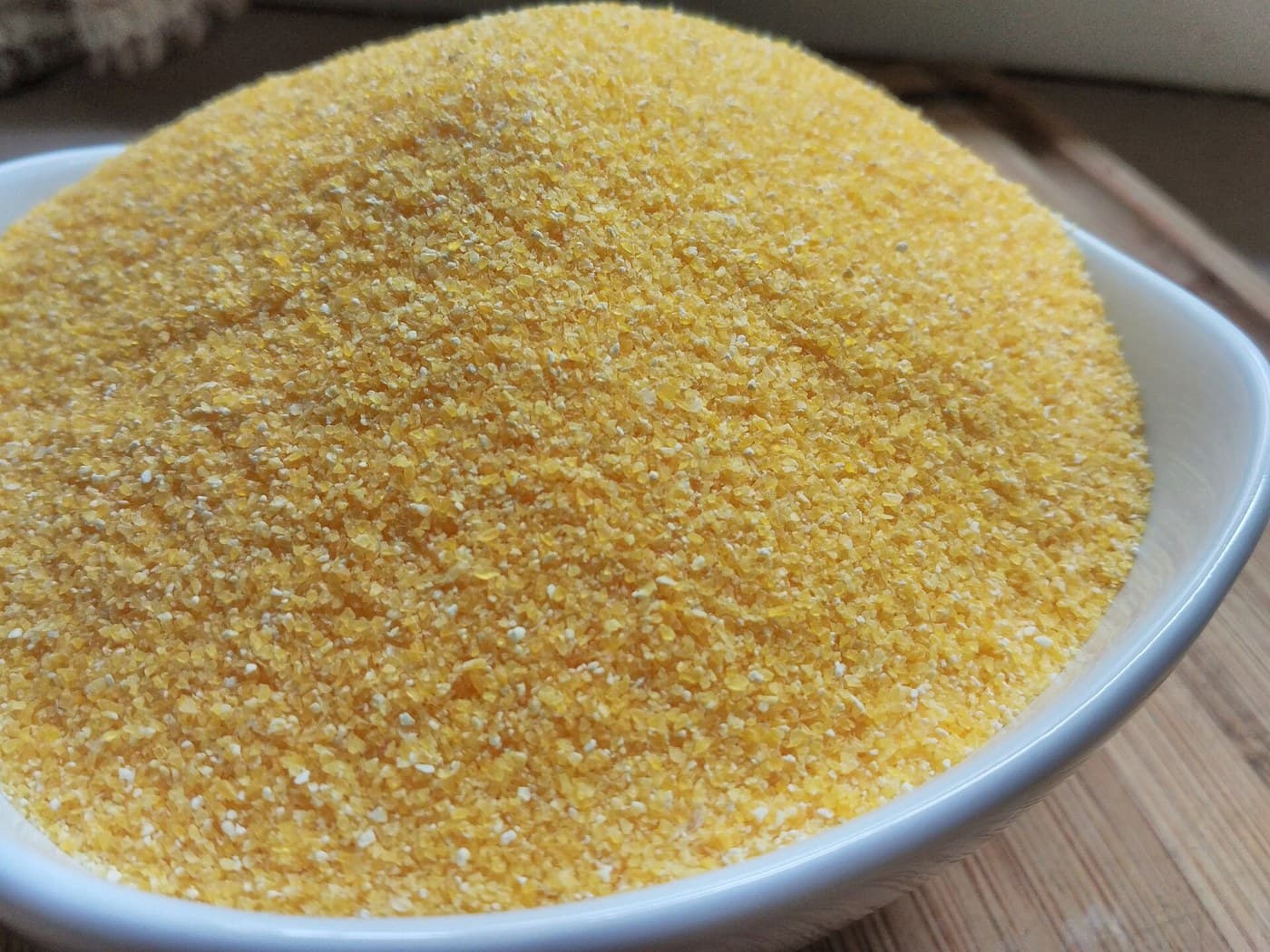
Put the first water, at about 110 F (43 C), in the cask. Stir in the cornmeal well and let it stand one to two hours.

Àwọn ohun èlò fún ìgbésẹ̀ yìí:

Ìyẹ̀fun àgbàdoÌyẹ̀fun àgbàdo1 as required
OmiOmi1 as required

Àwọn irinṣẹ́ tí a nílò:

Àgbá igiÀgbá igi

Ọ̀pá ìrú igiỌ̀pá ìrú igi
Ẹ̀rọ Ìwọ̀n Ooru ÌdánáẸ̀rọ Ìwọ̀n Ooru Ìdáná
Òṣùwọ̀n Díjítà Ilé ÌdánáÒṣùwọ̀n Díjítà Ilé Ìdáná
6

Scald with boiling water

Add the boiling water (twice the first), stir it well and cover it for thirty minutes. Well scalded corn cracks, water oozes from the cracks, the oar moves freely and little sticks to it.

Àwọn ohun èlò fún ìgbésẹ̀ yìí:

OmiOmi1 as required

Àwọn irinṣẹ́ tí a nílò:
Ìkòkò ŃláÌkòkò Ńlá
Ọ̀pá ìrú igiỌ̀pá ìrú igi
7

Add the malt

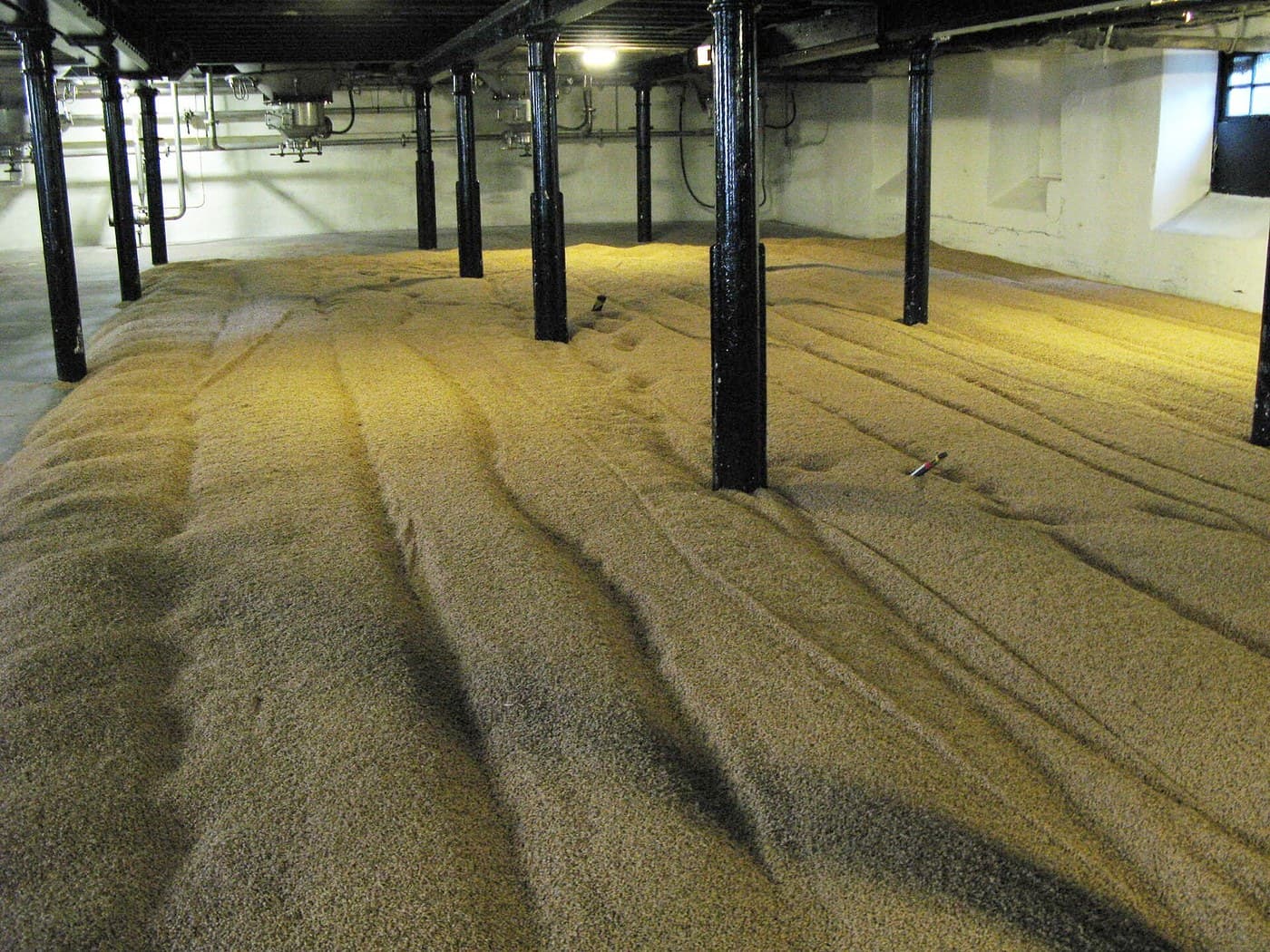
Add the ground malt and stir it often until it is fit to cool off. Hall's rate: 10 to 15 lb a hogshead in cold weather, less in warm.

Àwọn ohun èlò fún ìgbésẹ̀ yìí:

Malt fẹ́ẹ́rẹ́Malt fẹ́ẹ́rẹ́1 as required

Àwọn irinṣẹ́ tí a nílò:

Ọ̀pá ìrú igiỌ̀pá ìrú igi
8

Cool off and yeast

Cool it off with returns and water, warmer than a mixed-grain mash (that one: 80-90 F in winter, 75 F in summer), and fill the cask within six inches of the top. Stir in yeast: corn alone needs more than the one or two quarts of a mixed mash. Cover it. Ours: on your first batch there are no returns yet, so use water.

Àwọn ohun èlò fún ìgbésẹ̀ yìí:

Ìwúkàrà ọtí bíàÌwúkàrà ọtí bíà1 as required
OmiOmi1 as required

Àwọn irinṣẹ́ tí a nílò:

Àgbá igiÀgbá igi
Ẹ̀rọ Ìwọ̀n Ooru ÌdánáẸ̀rọ Ìwọ̀n Ooru Ìdáná
Ọ̀pá ìrú igiỌ̀pá ìrú igi
9

Ferment until fit for the still

Leave it covered and at rest. Hall's mixed mash is fit for the still in 50 or 60 hours.

Àwọn irinṣẹ́ tí a nílò:

Àgbá igiÀgbá igi
10

Charge and paste the still

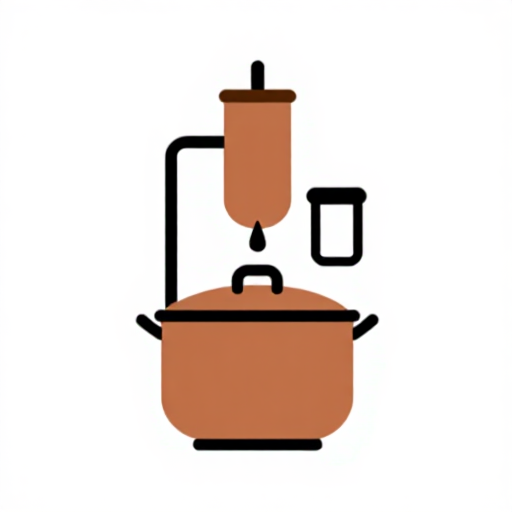
Charge the still with the wash. Keep stirring until it boils, so the corn does not burn on. Paste the joints with rye meal and water, well worked in the hand.

Àwọn ohun èlò fún ìgbésẹ̀ yìí:

Ìyẹ̀fun ryeÌyẹ̀fun rye1 as required
OmiOmi1 as required

Àwọn irinṣẹ́ tí a nílò:

Ẹ̀rọ ìpọn-ọtíẸ̀rọ ìpọn-ọtí
Ọ̀pá ìrú igiỌ̀pá ìrú igi
11

Run the singlings

Run the singlings through a flannel strainer. If wash runs out of the worm, damp the fire. Stop when a little thrown on the still head no longer burns at a candle.

Àwọn irinṣẹ́ tí a nílò:

Ẹ̀rọ ìpọn-ọtíẸ̀rọ ìpọn-ọtí
Aṣọ Flannel Irun ÀgùntànAṣọ Flannel Irun Àgùntàn
Àbẹ́làÀbẹ́là
Ìgò ìwọ̀nÌgò ìwọ̀n
12

Keep the returns

Let the spent wash settle. The thin top part is the returns for the next mash. Hall: they add about a tenth to the yield, but leave them out for a week now and then.

Àwọn irinṣẹ́ tí a nílò:

Àgbá igiÀgbá igi
13

Double: first shot back

Put the singlings in the still again. The first running, the first shot, goes back into the singlings.

Àwọn irinṣẹ́ tí a nílò:

Ẹ̀rọ ìpọn-ọtíẸ̀rọ ìpọn-ọtí
Ìgò gíláàsì kékeré (fún àpẹẹrẹ)Ìgò gíláàsì kékeré (fún àpẹẹrẹ)
14

Cut when the proof is off

Run spirit into a clean receiver until the proof is off: no bubbles stay on top of the liquor in the receiver. That is your corn whiskey.

Àwọn irinṣẹ́ tí a nílò:

Ìgò ìwọ̀nÌgò ìwọ̀n
Ìgò gíláàsì kékeré (fún àpẹẹrẹ)Ìgò gíláàsì kékeré (fún àpẹẹrẹ)
15

Feints to the next doubling

Run the rest as long as it will burn: the feints. Keep them apart and run them again in the next doubling. Never mix feints into the whiskey. Keep a wet sheet ready for the doubling still.

Àwọn irinṣẹ́ tí a nílò:

Àgbá igiÀgbá igi
Àbẹ́làÀbẹ́là
Aṣọ òwúAṣọ òwú
16

Bottle it clear

Bottle the clear whiskey and stopper it. Nothing is added: this is the plain spirit.

Àwọn irinṣẹ́ tí a nílò:

Àwọn ìgò dígí pẹ̀lú ìdéríÀwọn ìgò dígí pẹ̀lú ìdérí
17

Troubleshooting

Corn whiskey problems and fixes.

Flow

Loading...
18

History and honest limits

**Harrison Hall**, *The Distiller* (2nd ed., Philadelphia, 1818), pp. 100, 121-128, 150, 198, 225-226, 231. Hall does not say how much warmer to cool off corn alone, or how much more yeast it needs; neither do we. Ours: the metric figures, water in place of returns on the first batch, the law note.

Àwọn ohun-èlò

5

Àwọn irinṣẹ́ tó nílò

12

Ìtọ́nisọ́nà yìí ń ṣe

CC0 Àgbègbè Gbogbogbò

Blueprint yìí ti jáde lábẹ́ CC0. O lè ṣe àdàkọ, yí padà, pín, àti lò láìsí ìyọ̀ǹda.

Ṣàtìlẹ́yìn Olùṣẹ́dá nípa rírà àwọn ọjà nipasẹ̀ Blueprint wọn Ẹ̀san Olùṣẹ́dá tí àwọn Olùtajà gbé kalẹ̀, tàbí ṣẹ̀dá àtúnṣe tuntun ti Blueprint yìí kí o sì fi sínú Blueprint rẹ gẹ́gẹ́ bí ìsopọ̀ láti pín owó-wíwọlé.

Ìfọ̀rọ̀wérọ̀

(0)

Wọlé láti dara pọ̀ mọ́ ìfọ̀rọ̀wérọ̀

Ń gbé àwọn ọ̀rọ̀ wọlé...