IṢẸ́ ỌNÀ
ẸWÀ ÀTI ÌLERA
IṢẸ́ ỌWỌ́
ÀṢÀ ÀTI ÌTÀN
ÌṢERÉ
ÀYÍKÁ
OÚNJẸ ÀTI OHUN MÍMU
REVERSE ENGINEERING
SÁYẸ́ǸSÌ
ERÉ ÌDÁRAYÁ
ÌMỌ̀-Ẹ̀RỌ
ÀWỌN OHUN WÍWỌ̀
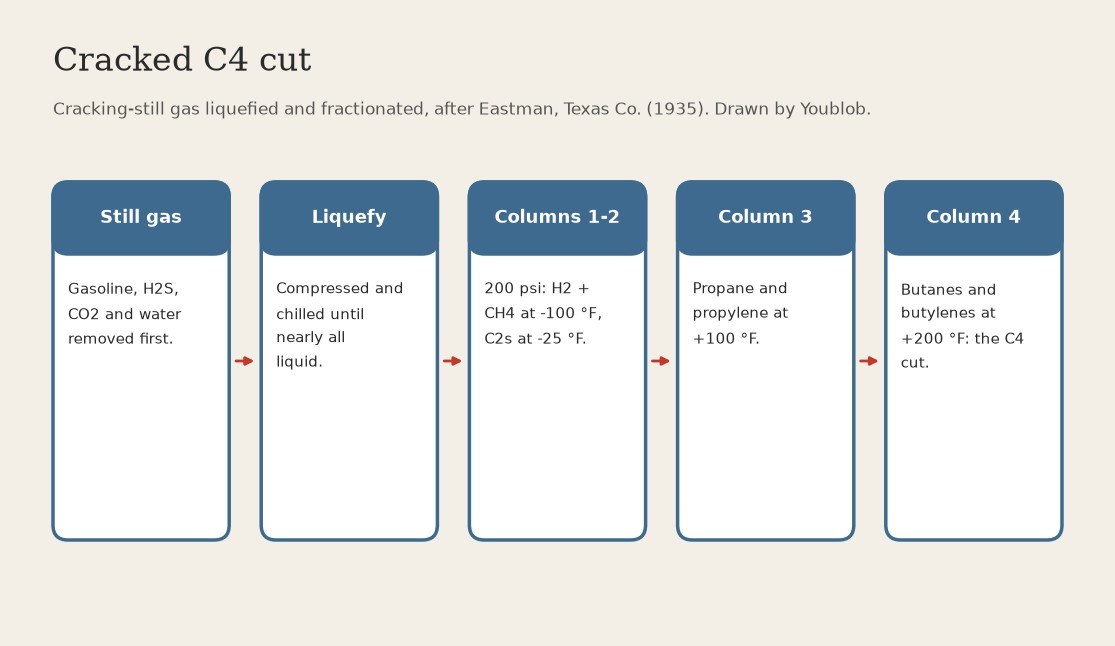


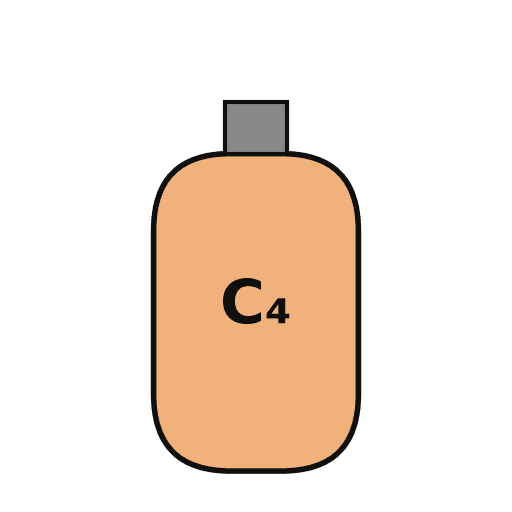
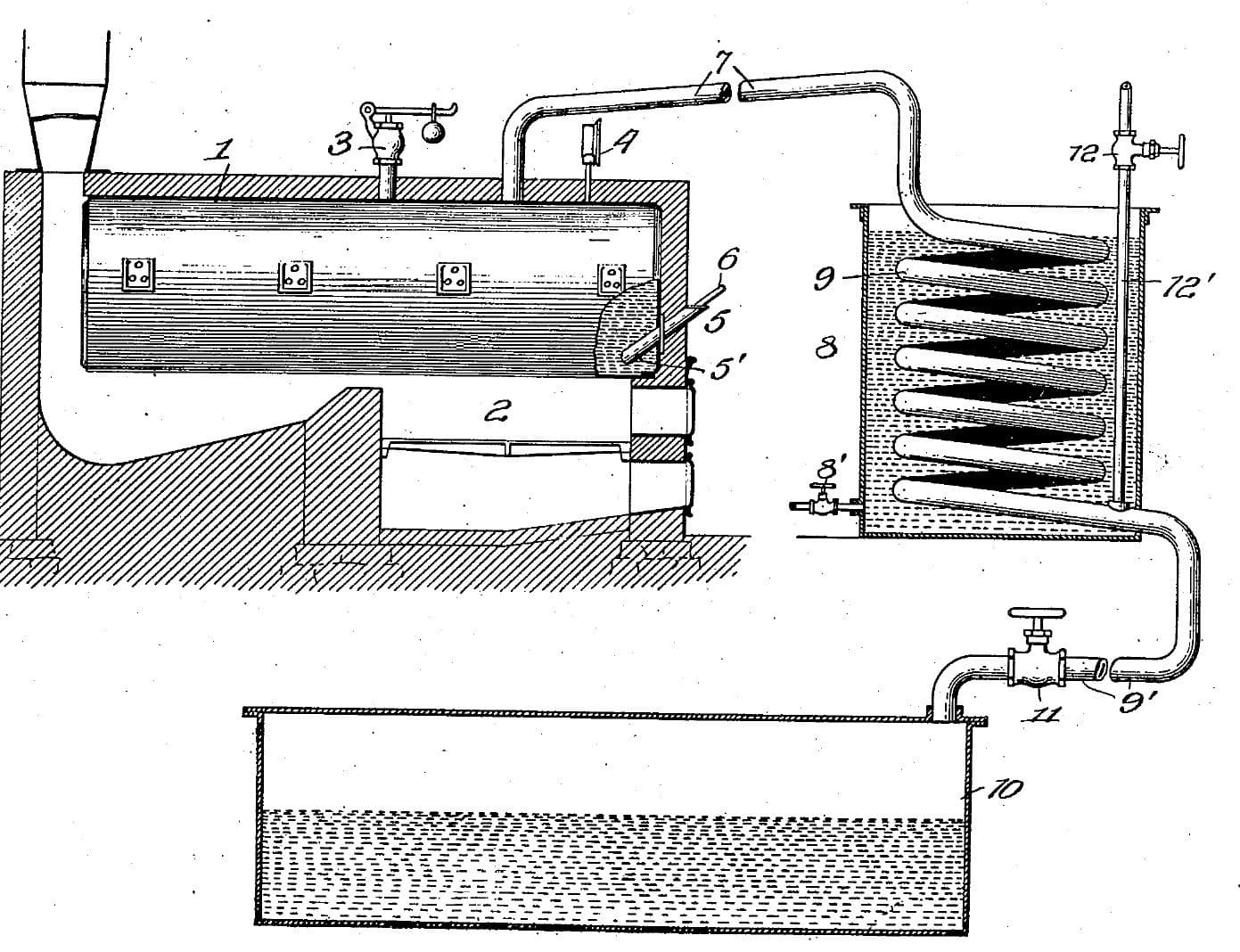
Cracked C4 Cut: Cracking-Still Gas Liquefied and Split in Four Columns at 200 psi (Eastman, Texas Co., US 2,014,724)
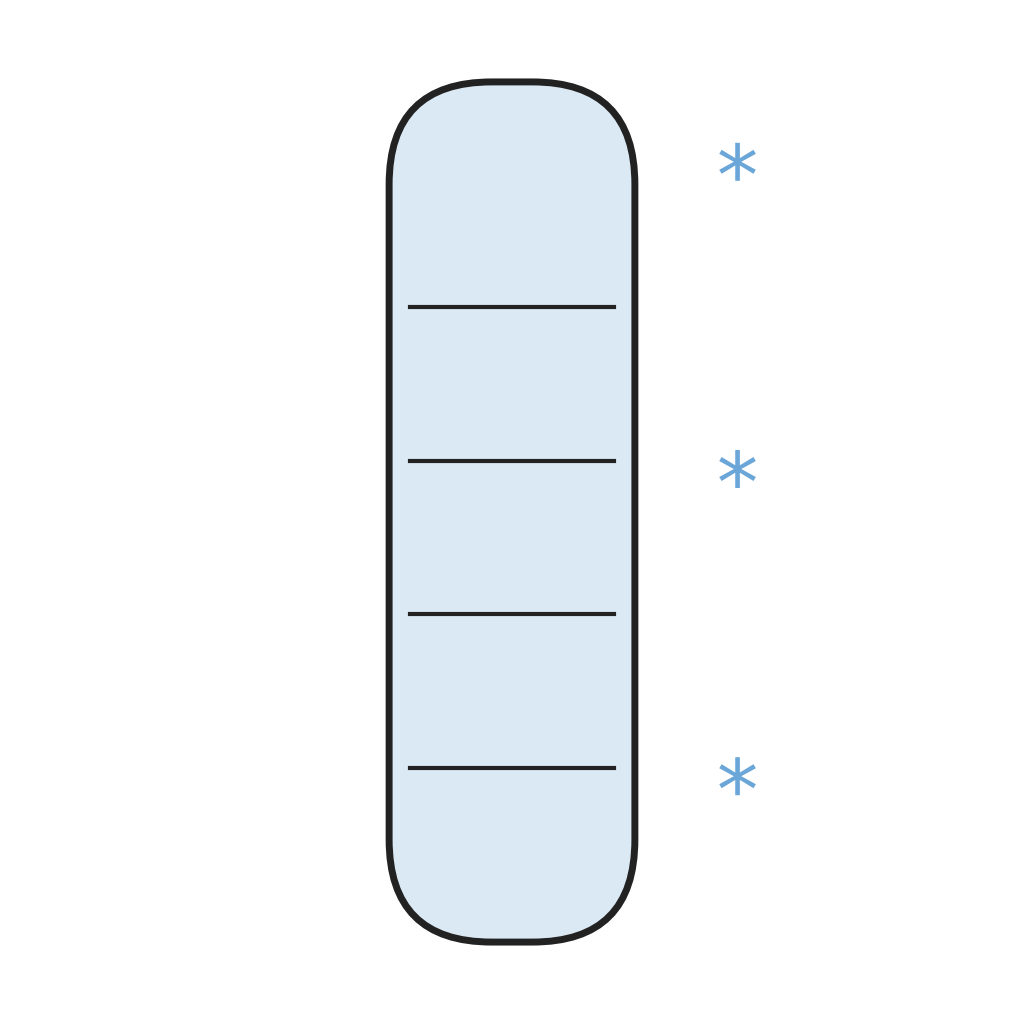
The gas from a cracking still is a mixture of light hydrocarbons. Compress it, chill it until it liquefies, and run it through four columns in turn: each column sends one group off its top, and the fourth gives the butanes and butylenes together, the C4 cut.
Result: a liquefied butane-butylene cut. Eastman does not give its composition.
Source: Eastman, US 2,014,724 (1935). Not given: the cut's make-up, how the impurities are removed, the refrigerant. The gas from Burton's still is used here as the same kind of cracking-still gas. Extremely flammable gases under pressure. Picture drawn by Youblob.
Ògbóǹtarìgì
1 day
Ìlànà
1
1
Clean the cracking-still gas
Clean the cracking-still gas
Take the gas from a cracking still, preferably after its gasoline has been separated and impurities such as hydrogen sulfide, carbon dioxide and water removed. Eastman does not say how they are removed.
Àwọn ohun èlò fún ìgbésẹ̀ yìí:
 Gáàsì ìfọ́ epo1 as required
Àwọn irinṣẹ́ tí a nílò:
 Àgbá gáàsì tí a fi ìfúnpá kún
2
2
Compress and chill it until it liquefies
Compress and chill it until it liquefies
Compress the gas, then cool it far enough that it liquefies almost completely.
Àwọn irinṣẹ́ tí a nílò:
 Ẹ̀rọ ìfun gáàsì
 Òpó ìpọn tí ó tutù gidigidi
 Ẹ̀rọ Ìwọ̀n Ìtẹ̀
3
3
Take off methane and hydrogen, then the C2s
Take off methane and hydrogen, then the C2s
Run the liquid through a series of fractionating columns at about 200 lbs per square inch. Methane and hydrogen escape from the top of the first column, at about -100 °F; ethylene and ethane from the second, at about -25 °F. Eastman burns the methane and hydrogen as fuel in his cracking furnaces.
Àwọn irinṣẹ́ tí a nílò:
Òpó ìpọn tí ó tutù gidigidiẸ̀rọ Ìwọ̀n Ìtẹ̀4
4
Take off propane and propylene
Take off propane and propylene
Propane and propylene leave the top of the third column, at about +100 °F.
Àwọn irinṣẹ́ tí a nílò:
 Ohun ìsun tí ó pínẸ̀rọ Ìwọ̀n Ìtẹ̀
5
5
Take the butanes and butylenes from the fourth column
Take the butanes and butylenes from the fourth column
The butane and butylene come off the top of the fourth column, at about +200 °F under the same pressure. This is the C4 cut. Ours: condense it into pressure cylinders.
Àwọn irinṣẹ́ tí a nílò:
Ohun ìsun tí ó pínẸ̀rọ Ìwọ̀n Ìtẹ̀Àgbá gáàsì tí a fi ìfúnpá kúnÀwọn ohun-èlò
1- 1 as requiredÀyè
Ìtọ́nisọ́nà yìí ń ṣe
Blueprint tó jọra
Àwọn blueprint wọ̀nyí pín ìmọ̀ — ọ̀nà, ohun-èlò tàbí ìlànà
CC0 Àgbègbè Gbogbogbò
Blueprint yìí ti jáde lábẹ́ CC0. O lè ṣe àdàkọ, yí padà, pín, àti lò láìsí ìyọ̀ǹda.
Ṣàtìlẹ́yìn Olùṣẹ́dá nípa rírà àwọn ọjà nipasẹ̀ Blueprint wọn Ẹ̀san Olùṣẹ́dá tí àwọn Olùtajà gbé kalẹ̀, tàbí ṣẹ̀dá àtúnṣe tuntun ti Blueprint yìí kí o sì fi sínú Blueprint rẹ gẹ́gẹ́ bí ìsopọ̀ láti pín owó-wíwọlé.