IṢẸ́ ỌNÀ
ẸWÀ ÀTI ÌLERA
IṢẸ́ ỌWỌ́
ÀṢÀ ÀTI ÌTÀN
ÌṢERÉ
ÀYÍKÁ
OÚNJẸ ÀTI OHUN MÍMU
REVERSE ENGINEERING
SÁYẸ́ǸSÌ
ERÉ ÌDÁRAYÁ
ÌMỌ̀-Ẹ̀RỌ
ÀWỌN OHUN WÍWỌ̀
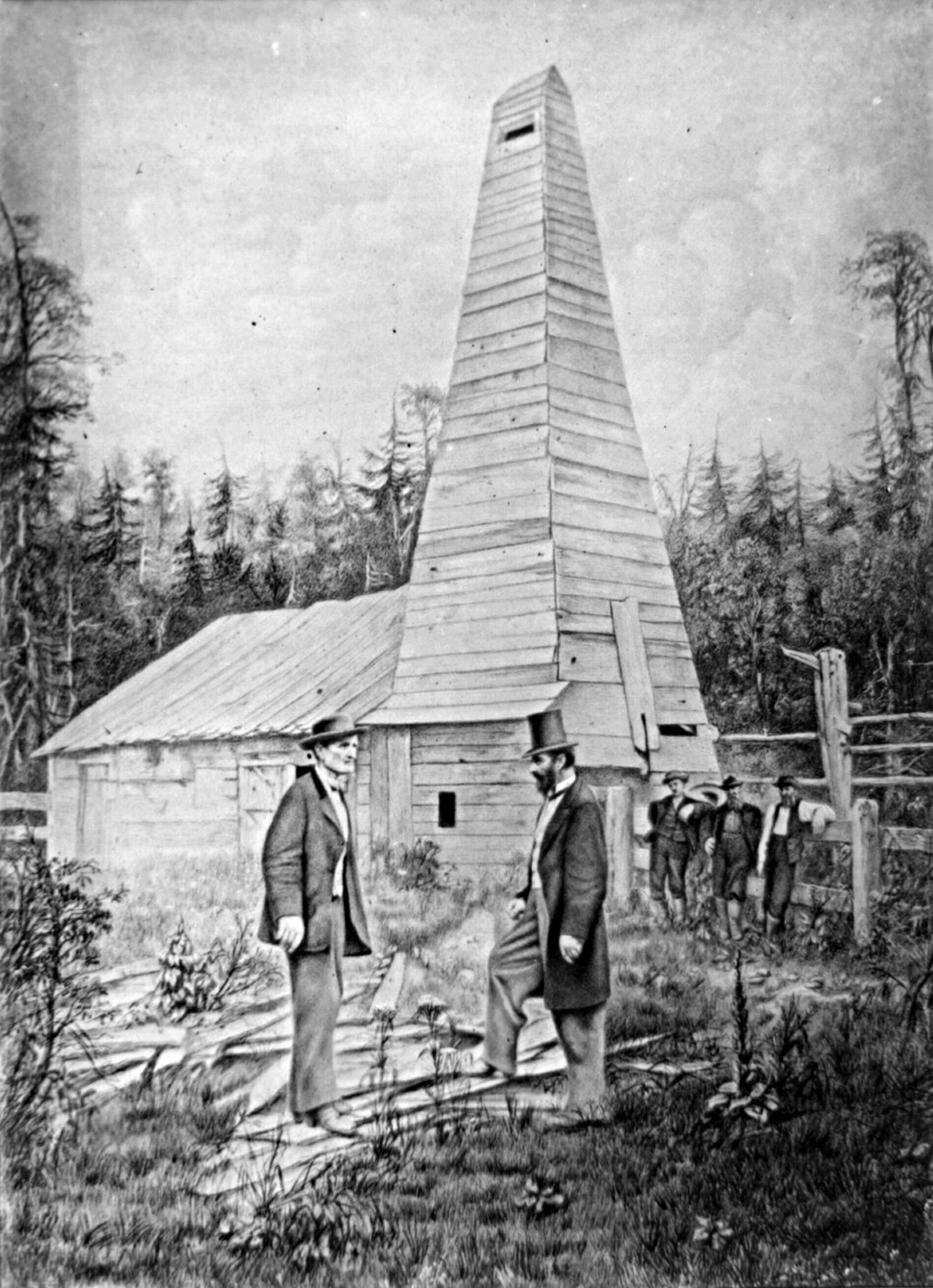


Crude Oil from a Drilled Well: the American Cable-Tool Method (Crew 1887)
How the Pennsylvania oil wells were drilled: no rotating drill pipe, just a heavy string of tools on a cable, lifted and dropped by a rocking beam so the bit chips its way through rock. A well of 1500 feet took a few weeks. Once the oil sand is reached, tubing is run in and the oil flows, or is pumped, to tanks.
Source: Crew, A Practical Treatise on Petroleum (1887), after Carll's survey of the Pennsylvania oil regions, with the costs of a Bradford well of 1878. Not described here: the pumping gear, and the nitroglycerin 'torpedo' once used to shatter the oil sand. Gas from a strong well can overcome a man: Crew tells of a foreman who fell unconscious under the bull wheel. Picture: the Drake well, the first American oil well (public domain).
Ilọsíwájú
3 weeks
Ìlànà
1
1
Raise the rig: derrick about 75 ft, walking beam, wheels
Raise the rig: derrick about 75 ft, walking beam, wheels
Set the timber foundation: mud sills in trenches, main sill and sub-sills, all locked with wedges (keys), no mortices or tenons. Raise the derrick, about 75 ft high and 12 ft square at the base, with a crown pulley on top. Fit the samson post and walking beam, the band wheel, the bull wheel that winds the cable, the sand-pump reel, and the engine and boiler. A headache post under the beam catches it if the crank pin breaks.
Àwọn irinṣẹ́ tí a nílò:
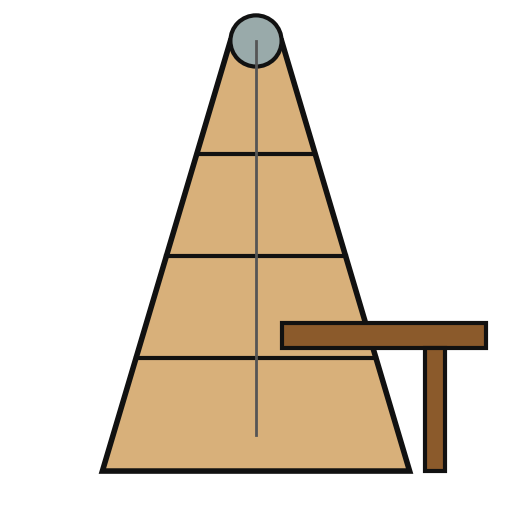 Ẹ̀rọ ìwalẹ̀ okùn
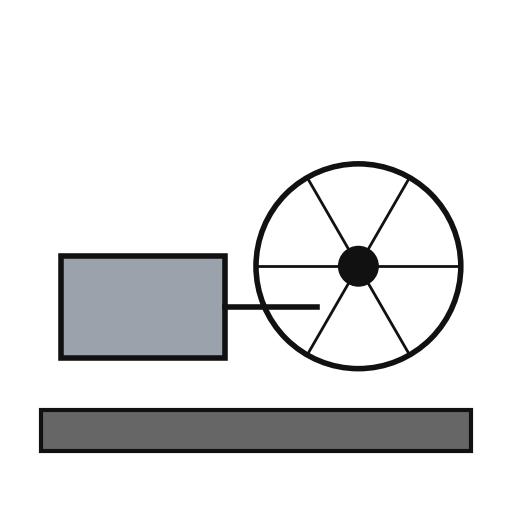 Ẹ̀rọ oníyòò tí kò ṣí
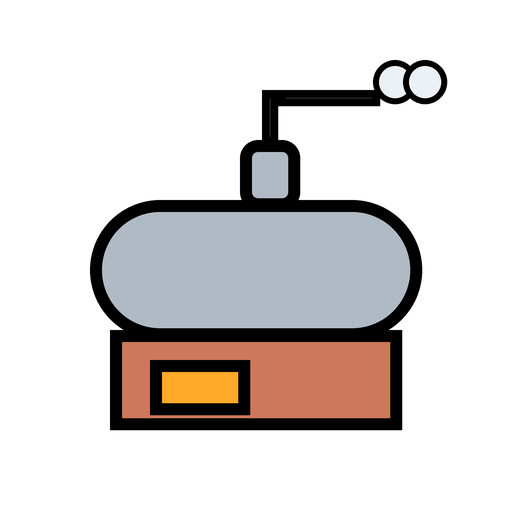 Bọ́ìlà èéfín omi
2
2
Set a conductor down to bed-rock
Set a conductor down to bed-rock
Sink a wooden conductor of heavy planks spiked together through the soil and gravel and fit it tight on the rock, so mud cannot wash into the well. Where the rock lies deep, drive an iron pipe down to it in joints instead, with a pile-driver, and clear the earth out of it.
Àwọn irinṣẹ́ tí a nílò:
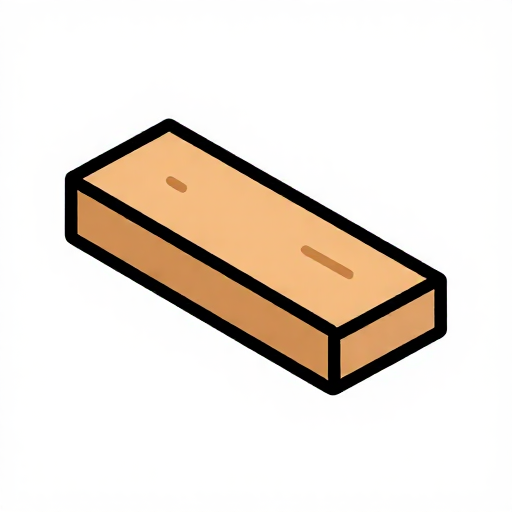 Pátákó igi
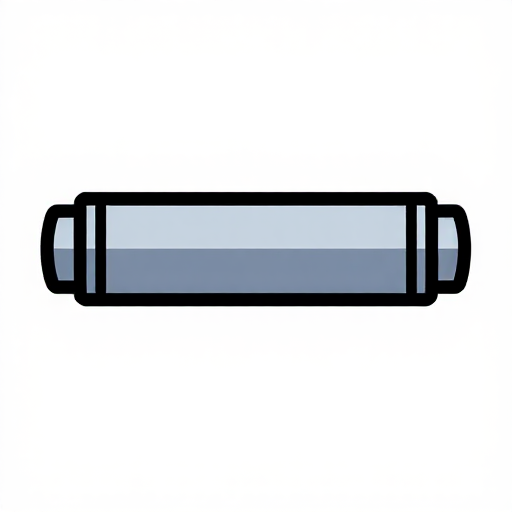 Páìpù irin (ògiri nípọn, ẹnu oníhá)
3
3
Spud the hole, then string up the tools
Spud the hole, then string up the tools
The tools are about 62 ft long and weigh about 2100 lb strung up: centre bit, auger stem (4-in iron, 28 to 40 ft), jars, and sinker bar (14 to 16 ft) on the cable. Until the hole is deep enough to hang them below the floor, spud: lift and drop the auger stem by coiling and uncoiling the cable on the bull wheel. Then string the tools up and let them down with the bull-wheel brake.
Àwọn irinṣẹ́ tí a nílò:
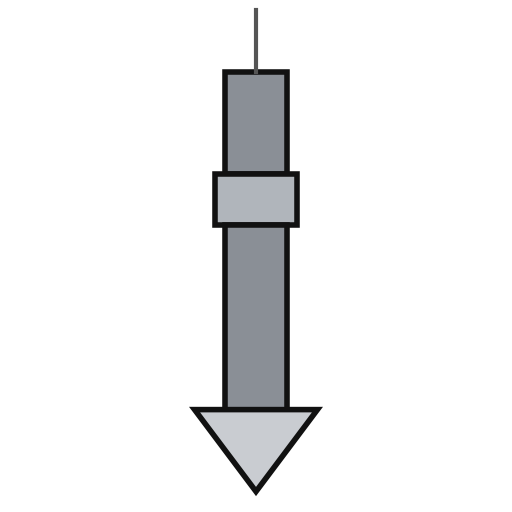 Irinṣẹ́ ìwalẹ̀ okùnẸ̀rọ ìwalẹ̀ okùn
4
4
Drill: the beam drops about a ton 2 ft each stroke
Drill: the beam drops about a ton 2 ft each stroke
Hook the cable to the walking beam through the temper screw. Each stroke lifts and drops the tools about 2 ft. The driller walks the temper-screw lever round to turn the bit, watches the jars, and lets the screw out as the bit goes down. Draw the tools out when the screw is run out or the bit is dull, and sharpen it. Work goes on day and night in two shifts.
Àwọn irinṣẹ́ tí a nílò:
Irinṣẹ́ ìwalẹ̀ okùnẸ̀rọ ìwalẹ̀ okùnẸ̀rọ oníyòò tí kò ṣí5
5
Bail the chips with the sand pump
Bail the chips with the sand pump
Pour water into the well so the broken rock stays in suspension. Each time the tools come out, run the sand pump down on its own line and bail out the mud and sand. A reamer can be run in place of the bit to true the hole.
Àwọn irinṣẹ́ tí a nílò:
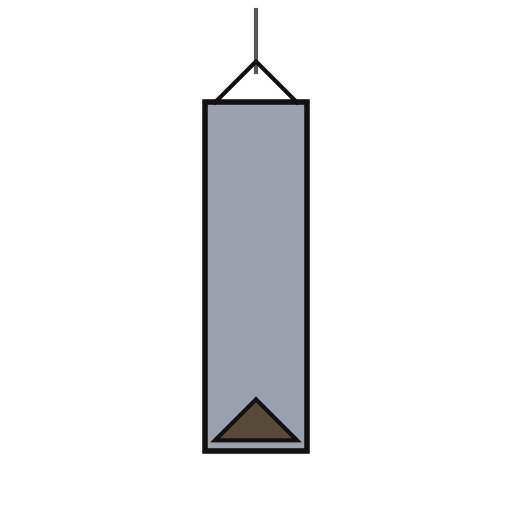 Ẹ̀rọ ìfa iyanrìn
 Omi
6
6
Shut off the water, case the hole
Shut off the water, case the hole
At the bottom of the water-bearing rocks, set a seed-bag packing to keep the water out of the well, and run in casing. The Bradford well of 1878 had about 300 ft of casing for about 1500 ft of hole.
Àwọn irinṣẹ́ tí a nílò:
Páìpù irin (ògiri nípọn, ẹnu oníhá) Ìdí kànga
7
7
Tube the well and run the oil to tanks
Tube the well and run the oil to tanks
On reaching the oil sand, run in the tubing (about 1600 ft in the Bradford well) with a packer and a working barrel, fit the casing head, and connect it with tees and elbows to the tanks: a 25-barrel and a 250-barrel tank. A new well often flows on its own gas; when it slows, it has to be pumped. Crew does not describe the pumping gear.
Àwọn irinṣẹ́ tí a nílò:
Páìpù irin (ògiri nípọn, ẹnu oníhá)Ìdí kànga Táńkì ìtọ́jú epo
Ìtọ́nisọ́nà yìí ń ṣe
CC0 Àgbègbè Gbogbogbò
Blueprint yìí ti jáde lábẹ́ CC0. O lè ṣe àdàkọ, yí padà, pín, àti lò láìsí ìyọ̀ǹda.
Ṣàtìlẹ́yìn Olùṣẹ́dá nípa rírà àwọn ọjà nipasẹ̀ Blueprint wọn Ẹ̀san Olùṣẹ́dá tí àwọn Olùtajà gbé kalẹ̀, tàbí ṣẹ̀dá àtúnṣe tuntun ti Blueprint yìí kí o sì fi sínú Blueprint rẹ gẹ́gẹ́ bí ìsopọ̀ láti pín owó-wíwọlé.