IṢẸ́ ỌNÀ
ẸWÀ ÀTI ÌLERA
IṢẸ́ ỌWỌ́
ÀṢÀ ÀTI ÌTÀN
ÌṢERÉ
ÀYÍKÁ
OÚNJẸ ÀTI OHUN MÍMU
REVERSE ENGINEERING
SÁYẸ́ǸSÌ
ERÉ ÌDÁRAYÁ
ÌMỌ̀-Ẹ̀RỌ
ÀWỌN OHUN WÍWỌ̀
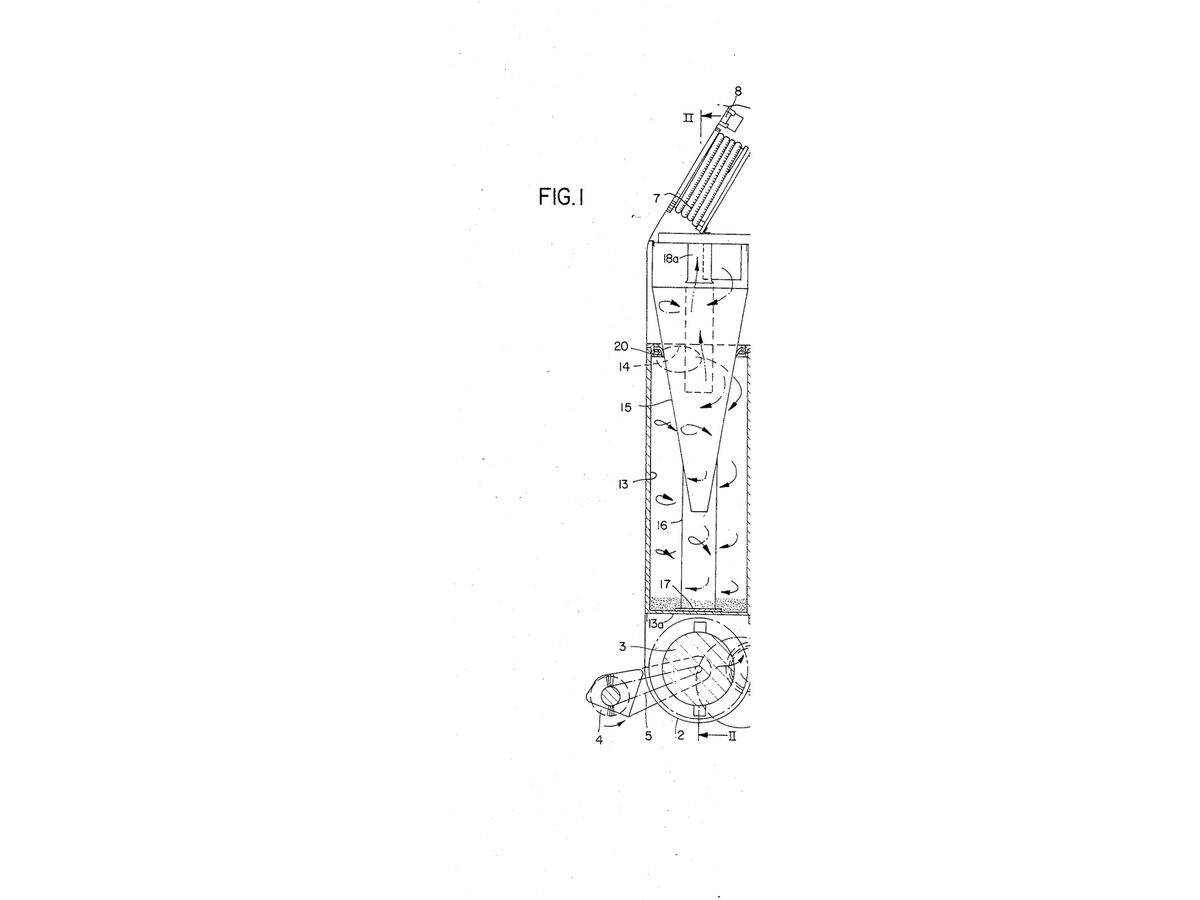


Cyclone Vacuum Separator
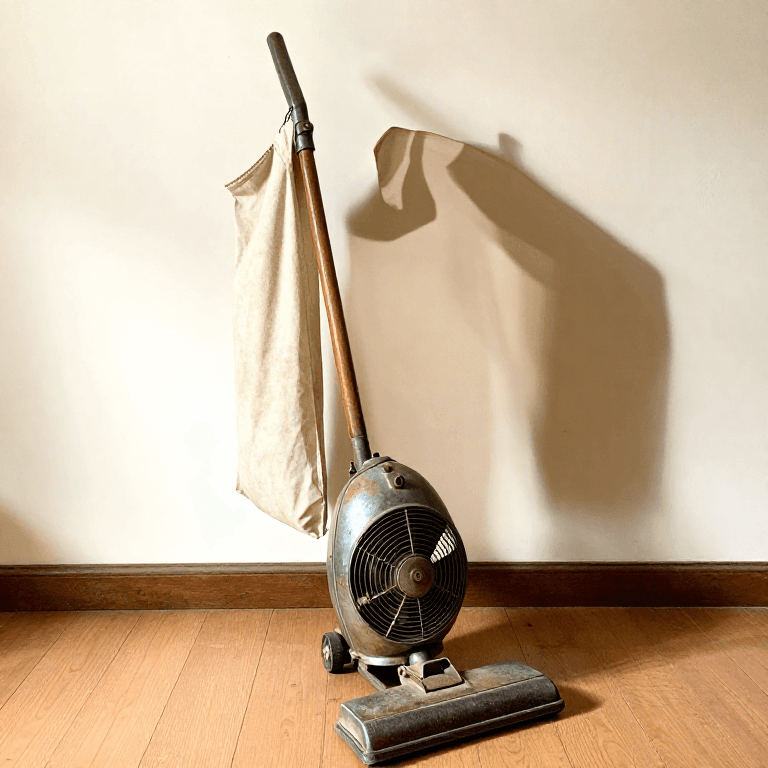
Spangler's cleaner, already published, pulls air through a bag: the bag is both the filter and the bin, so suction falls away as it fills. James Dyson, who had used industrial cyclones in a sawmill, put the same idea in a cleaner - and then a second, finer cyclone behind the first, so both grit and dust come out of the air before any filter.
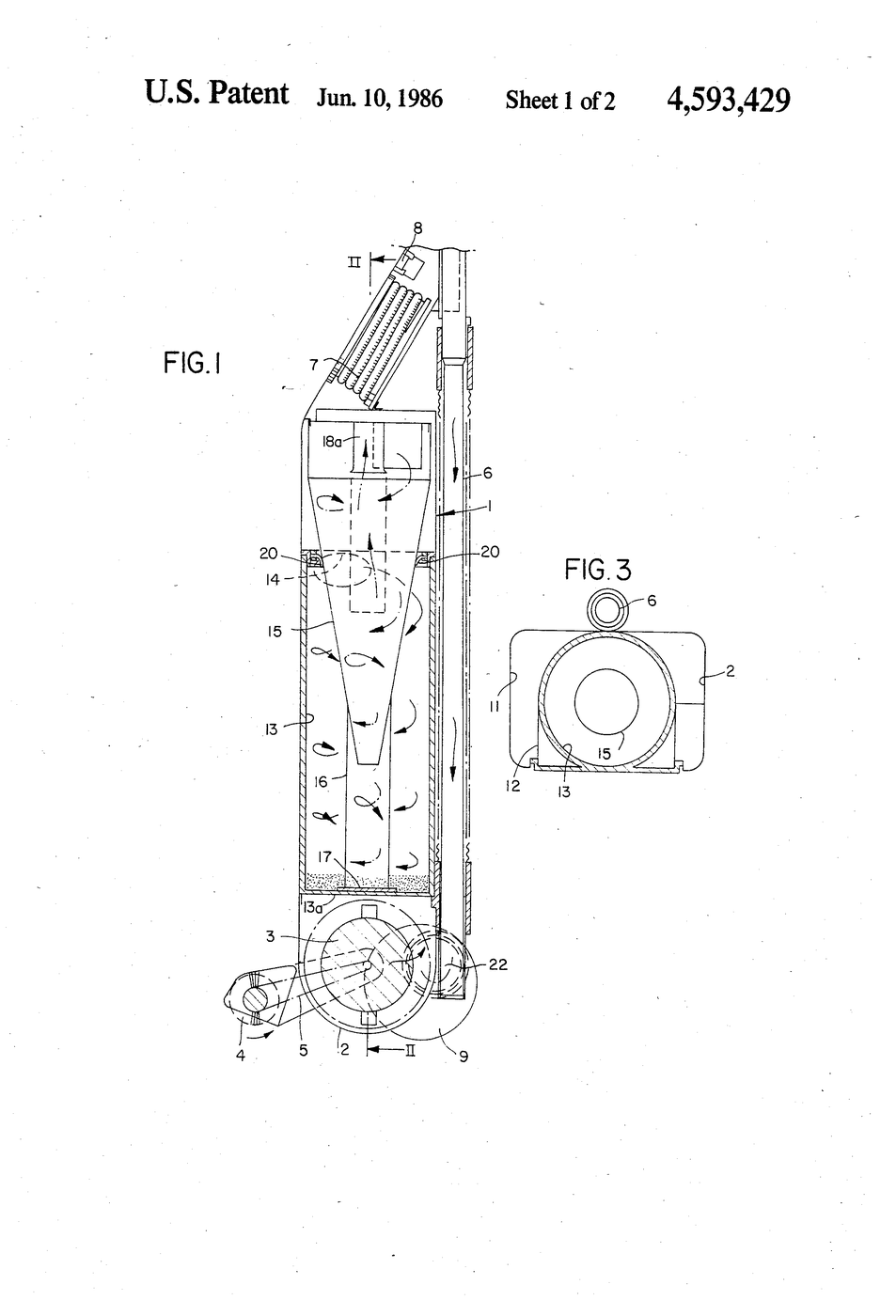
**US 4,593,429**, "Vacuum cleaning appliance", Dyson, filed 14. August 1984, granted 10. June 1986: a lower-efficiency outer cyclone and a high-efficiency inner cyclone in series, so "dust bags are not required".
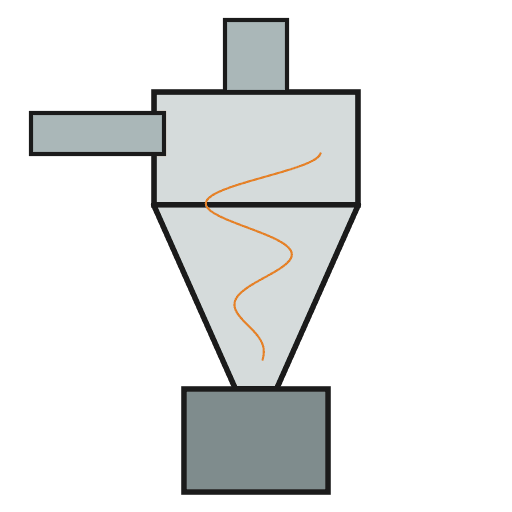
**You build the outer cyclone** from a bottle and pipe on a workshop vacuum, and weigh what it separates - sawdust and flour - to find where it stops working, and how far a home-made cyclone falls short of the textbook.
Àárín
3 hours
Ìlànà
1
1
Cut the body
Cut the body
Cut the bottom from a 2 litre bottle: that is the cone, open end down into a jar. The neck end carries the outlet.
Àwọn ohun èlò fún ìgbésẹ̀ yìí:
 Ìgò ohun mímu ṣíṣu (lítà 2)1 ẹyọ
 Ìgò Gílásì1 ẹyọ
Àwọn irinṣẹ́ tí a nílò:
 Ọ̀bẹ Iṣẹ́ Ọwọ́
 Gílásì Ààbò Tí Ó Mọ́
2
2
Tangential inlet
Tangential inlet
Cut a 20 x 45 mm slot high on the bottle's side and glue in a short PVC pipe so the air enters along the wall, not towards the middle. This is what makes the air spin.
Àwọn ohun èlò fún ìgbésẹ̀ yìí:
 Páìpù PVC1 ẹyọ
 Ìdílẹ̀ Silikoni20 ml
Àwọn irinṣẹ́ tí a nílò:
Ọ̀bẹ Iṣẹ́ Ọwọ́ Ìdíwọ̀n
3
3
Vortex finder
Vortex finder
Fit a pipe down the centre from the neck so it reaches just below the inlet slot: clean air leaves up this tube. Seal round it. Connect the vacuum to the tube and the inlet to the hose.
Àwọn ohun èlò fún ìgbésẹ̀ yìí:
 Àkójọpọ̀ Ìsopọ̀ Páìpù PVC1 ìtò
 Ọ̀pá vinyl tí ó mọ́1 mítà
Àwọn irinṣẹ́ tí a nílò:
 Ìbọn ìlẹ̀mọ́ gbígbóná
 Tépù ìbòmọ́lẹ̀
4
4
A filter you can weigh
A filter you can weigh
Tape a weighed coffee filter paper over the vacuum's own inlet as a catch filter. Everything the cyclone misses lands there.
Àwọn ohun èlò fún ìgbésẹ̀ yìí:
 Ìwé ìsẹ́ kọfí / ìwé ìsẹ́2 ẹyọ
Àwọn irinṣẹ́ tí a nílò:
 Òṣùwọ̀n Díjítà Pípé
5
5
Feed it two dusts
Feed it two dusts
Weigh 50 g of sawdust and feed it slowly into the hose with the vacuum running. Weigh what lands in the jar and what the stocking gained. Repeat with 50 g of flour, and once more with the cyclone bypassed.
Àwọn ohun èlò fún ìgbésẹ̀ yìí:
 Erùpẹ̀ igi50 g
 Ìyẹ̀fun àìlèwú50 g
Àwọn irinṣẹ́ tí a nílò:
 Ẹ̀rọ amúnúkúrò eruku ilé-iṣẹ́Òṣùwọ̀n Díjítà Pípé
6
6
Cut size and your efficiency
Cut size and your efficiency
Ń ṣí ìwé Jupyter…
7
7
History & Context
History & Context
**What the patent specifies:** two cyclones in series - a coarse one and a fine one - so no dust bag is needed and the air leaving is substantially clean. **Modern build (derived):** the coarse stage alone, on a workshop vacuum, with a weighed filter behind it.
Cyclones were old in industry - sawmills and cement works had used them for a century - and the invention was bringing them, in series, into a domestic cleaner. Their limits: fine dust below the cut size still needs a filter, cyclones cost pressure drop, and a full bin upsets the flow.
Àwọn ohun-èlò
9- Àyè
- 1 ẹyọÀyè
- 1 ẹyọÀyè
- 20 mlÀyè
- Àyè
- 1 mítàÀyè
- Àyè
- 50 gÀyè
- 50 gÀyè
Àwọn irinṣẹ́ tó nílò
7- Àyè
Ìtọ́nisọ́nà yìí ń ṣe
Blueprint tó jọra
Àwọn blueprint wọ̀nyí pín ìmọ̀ — ọ̀nà, ohun-èlò tàbí ìlànà

CC0 Àgbègbè Gbogbogbò
Blueprint yìí ti jáde lábẹ́ CC0. O lè ṣe àdàkọ, yí padà, pín, àti lò láìsí ìyọ̀ǹda.
Ṣàtìlẹ́yìn Olùṣẹ́dá nípa rírà àwọn ọjà nipasẹ̀ Blueprint wọn Ẹ̀san Olùṣẹ́dá tí àwọn Olùtajà gbé kalẹ̀, tàbí ṣẹ̀dá àtúnṣe tuntun ti Blueprint yìí kí o sì fi sínú Blueprint rẹ gẹ́gẹ́ bí ìsopọ̀ láti pín owó-wíwọlé.