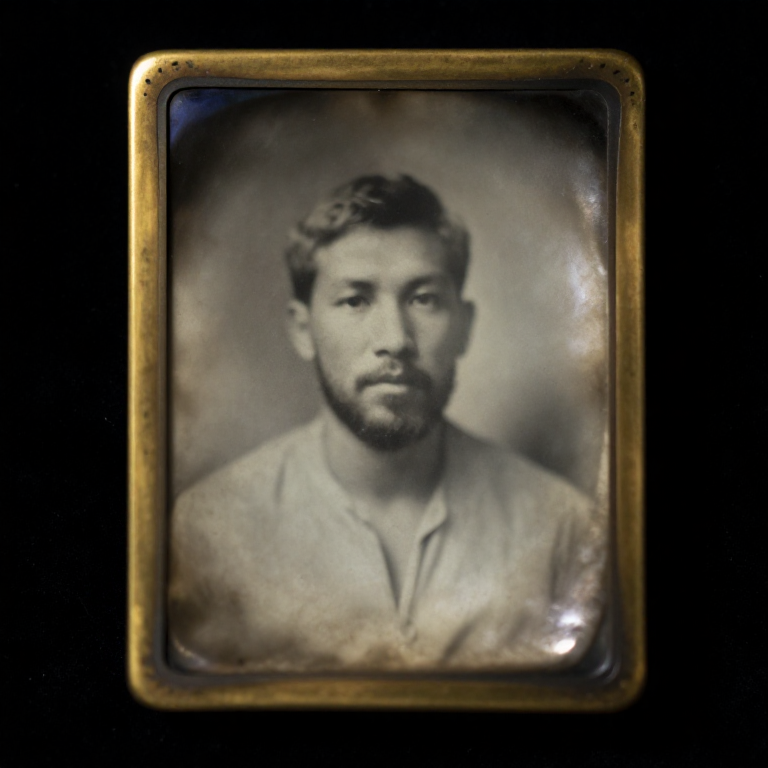


Making a Daguerreotype — The First Practical Photograph, Drawn in Silver and Mercury
In 1839 Louis Daguerre announced a way to fix the fleeting image of the camera obscura permanently onto a metal plate, and the world suddenly had photography. A daguerreotype is unlike a modern photo: it is a single, unrepeatable image formed in a film of silver on a mirror-polished plate, so sharp and detailed that nothing matched it for decades.
The method is pure chemistry and patience. A silver-faced plate is fumed with iodine to make a light-sensitive skin of silver iodide, exposed in a camera for minutes, then developed by holding it over a dish of warm mercury — whose vapour clings to exactly the spots that light has struck, building the picture. A bath of hyposulphite of soda dissolves away the unexposed silver so the image stops reacting to light.
The results were miraculous and the process was perilous: mercury vapour is a potent poison, and many early photographers paid for their art with their health. Each daguerreotype is also unique — there is no negative — which is why every surviving one is a singular object. It is the chemical bridge between the camera obscura and all photography that followed.
Àkóónú tó léwu
Blueprint yii ni awọn ilana ti o lewu. Wọle ki o mu akoonu ti o lewu ṣiṣẹ ninu awọn eto akaunti rẹ lati wo awọn itọnisọna igbesẹ-nipasẹ-igbesẹ.
Blueprint tó jọra
Àwọn blueprint wọ̀nyí pín ìmọ̀ — ọ̀nà, ohun-èlò tàbí ìlànà
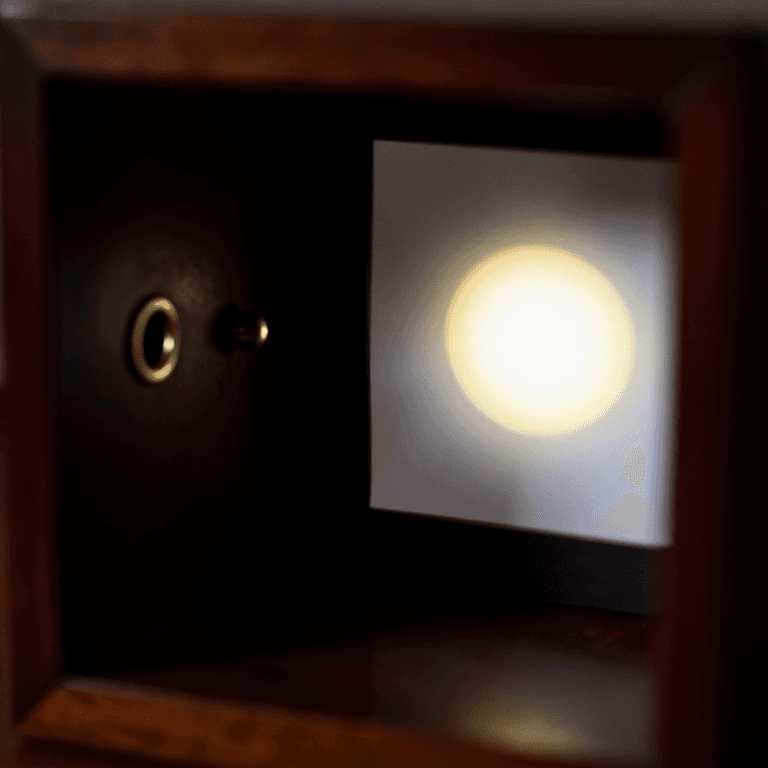
Building a Camera Obscura — Projecting the Sun and Eclipses Safely
láti ọwọ́ Astro
Iṣẹ́ Igi
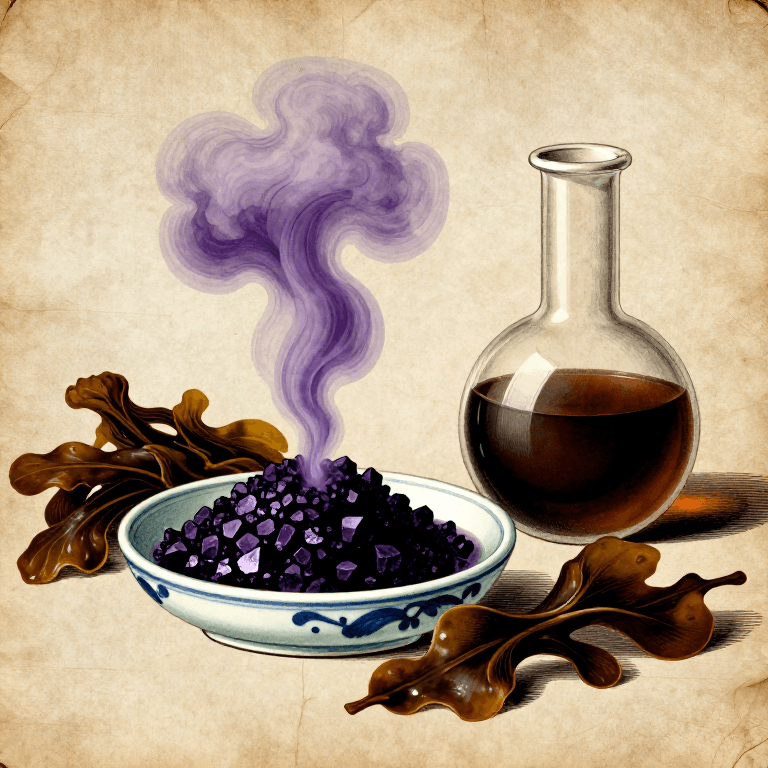
Extracting Iodine from Seaweed Ash — The Violet Vapor That Prevents Goiter
láti ọwọ́ Peter
Òkun
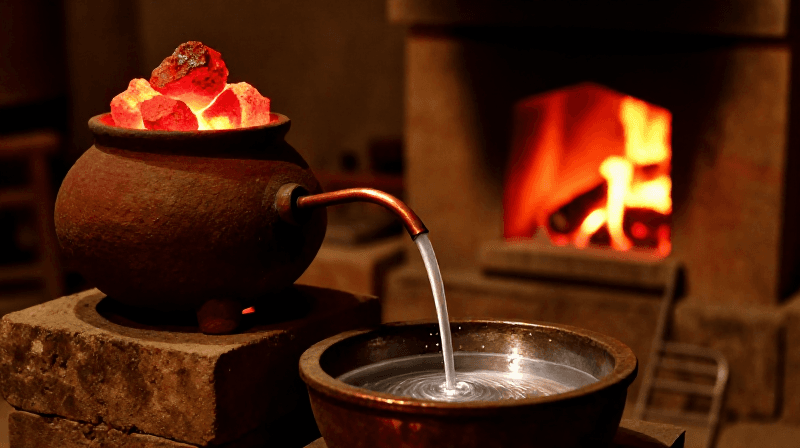
Extracting Mercury from Cinnabar — Distillation of Quicksilver from Red Ore
láti ọwọ́ Peter
Ìwakùsà
CC0 Àgbègbè Gbogbogbò
Blueprint yìí ti jáde lábẹ́ CC0. O lè ṣe àdàkọ, yí padà, pín, àti lò láìsí ìyọ̀ǹda.
Ṣàtìlẹ́yìn Olùṣẹ́dá nípa rírà àwọn ọjà nipasẹ̀ Blueprint wọn Ẹ̀san Olùṣẹ́dá tí àwọn Olùtajà gbé kalẹ̀, tàbí ṣẹ̀dá àtúnṣe tuntun ti Blueprint yìí kí o sì fi sínú Blueprint rẹ gẹ́gẹ́ bí ìsopọ̀ láti pín owó-wíwọlé.