IṢẸ́ ỌNÀ
ẸWÀ ÀTI ÌLERA
IṢẸ́ ỌWỌ́
ÀṢÀ ÀTI ÌTÀN
ÌṢERÉ
ÀYÍKÁ
OÚNJẸ ÀTI OHUN MÍMU
REVERSE ENGINEERING
SÁYẸ́ǸSÌ
ERÉ ÌDÁRAYÁ
ÌMỌ̀-Ẹ̀RỌ
ÀWỌN OHUN WÍWỌ̀
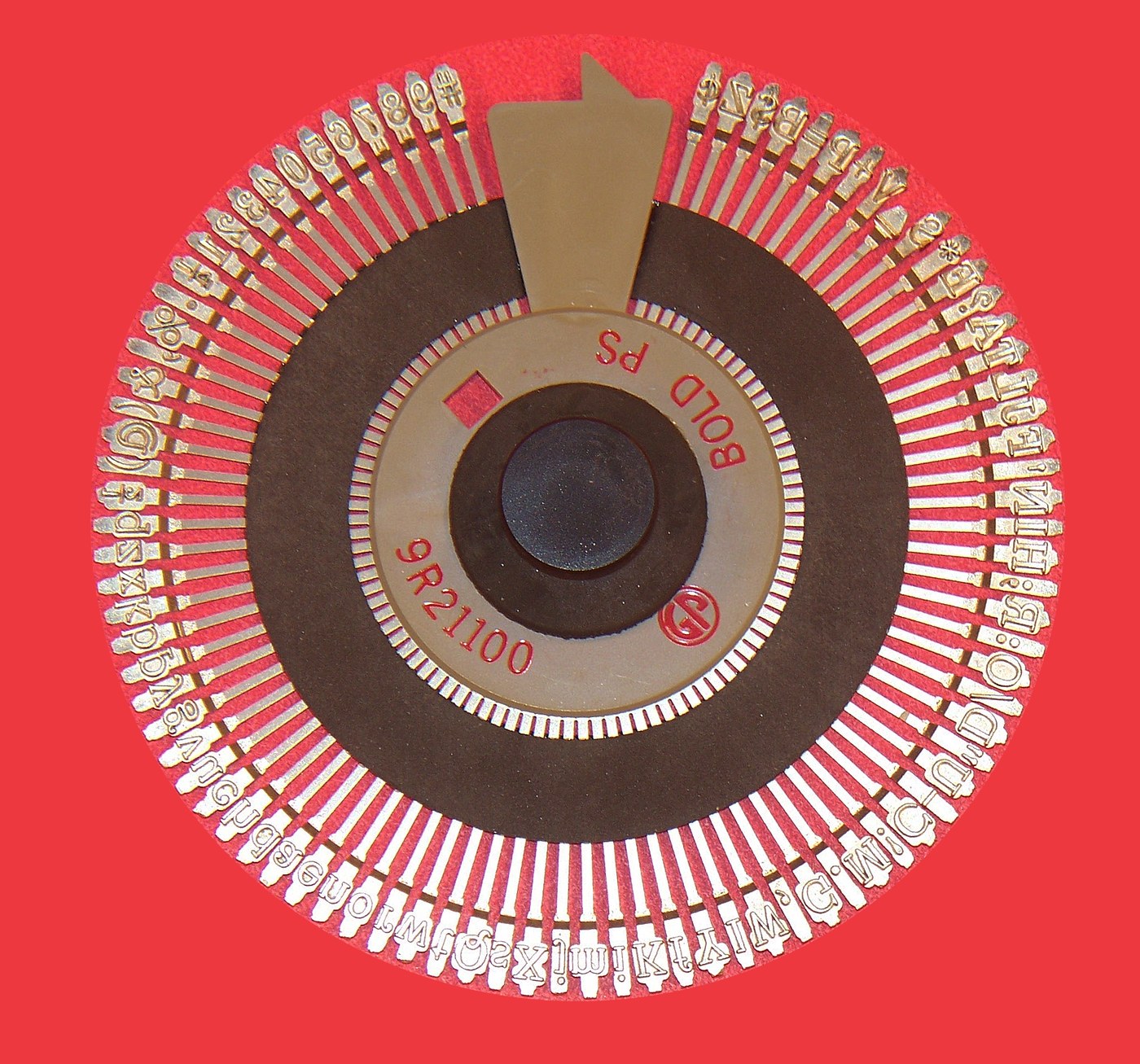


The Daisy Wheel
A typewriter carries its letters on forty-odd steel bars, each with its own linkage back to a key, and changing the typeface means rebuilding the machine. IBM's Selectric of 1961 shrank all of it onto one golfball that tilts and rotates - eighty-eight characters you could swap in seconds - at the price of a cam train that had to solve two axes at once.
David Lee at Diablo Systems asked in 1972 what happens if you use only ONE axis. Put the characters on the ends of ninety-six flexible spokes radiating from a hub, spin the right spoke into place, and hit it from behind with a solenoid hammer. The wheel is a moulded disc you can bend in your fingers, it costs almost nothing, and swapping a typeface takes about two seconds.
Everything about the machine then reduces to one number: how long to turn the wheel, stop it dead, and strike. Turning is quick. Stopping is not - a wheel still ringing prints a blurred letter, so settling eats nearly half the cycle, and that is what puts every daisy wheel printer ever built between thirty and fifty-five characters a second.
It is worth seeing what this machine gave up and what it kept. It cannot print a picture. It cannot print a character that is not moulded on the wheel. But because the letter is a solid shape struck through a carbon film ribbon, it prints sharper than any dot process of its day - which is exactly why the late 1970s office bought them, and exactly why they vanished the moment dots got small enough that nobody could see them.
Àárín
3 hours
Ìlànà
1
1
Cut a wheel and mount it
Cut a wheel and mount it
Cut a 90 mm disc from 0.5 mm polypropylene sheet and slit it into 24 spokes with the craft knife, leaving a 20 mm hub. Glue a small raised letter - a punch, a bit of type, or a blob of cured epoxy filed to shape - on the end of each.
Press the hub onto the motor shaft and check it runs true with the dial indicator.
Àwọn ohun èlò fún ìgbésẹ̀ yìí:
 Ewé polypropylene (A4)1 ewé
 Ìlẹ̀mọ́ epoxy ẹ̀yà méjì (tí ń le kíákíá)1 tube
Àwọn irinṣẹ́ tí a nílò:
 Ọ̀bẹ Iṣẹ́ Ọwọ́
 Ẹ̀rọ DC oníhàmọ́
 Ìwọ̀n Abẹ́rẹ̀ (Dial Indicator)
 Òṣùwọ̀n Kálípà Díjítà Ìnṣì 6
 Àkójọ Ìfá Kékeré
2
2
Strike it, and watch it ring
Strike it, and watch it ring
Mount the solenoid behind the wheel so its plunger hits a spoke square, with ribbon and paper against a hard backing in front.
Drive the motor to a new petal and fire the hammer at decreasing delays. Print a line at each delay: below about eight milliseconds the letters smear sideways. You have just measured the settling time that sets the whole machine's speed.
Àwọn ohun èlò fún ìgbésẹ̀ yìí:
 Bébà10 ewé
 Okùn aṣọ oníkíkọ̀ fún ẹ̀rọ ìtẹ̀wé1 ẹyọ
Àwọn irinṣẹ́ tí a nílò:
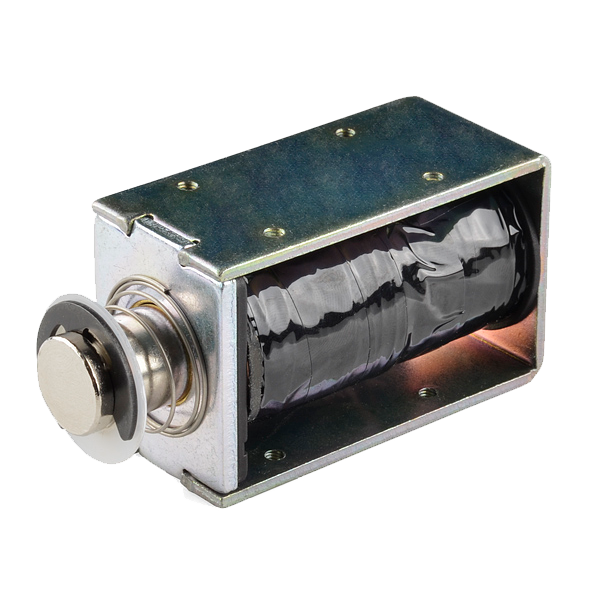 Solenoid - 36 V
 Ìpèsè Agbára Tábìlì
 Ẹ̀rọ Ìdá Ìgbì
 Òsílóskóòpù Díjítà
 Lúpù Ìgbéga
3
3
Move, settle, strike - and four ways to carry a letter
Move, settle, strike - and four ways to carry a letter
Ń ṣí ìwé Jupyter…
Àwọn irinṣẹ́ tí a nílò:
 Kọ̀ǹpútà Tábìlì
4
4
Compendium: hammer energy and the multi-strike ribbon
Compendium: hammer energy and the multi-strike ribbon
A full stop and a capital W do not need the same blow. Strike them equally and the full stop punches a hole while the W prints grey, so the printer stores a hammer energy per character and varies the solenoid pulse to match the inked area. That table, not the wheel, is what makes the page look evenly weighted - and it is the same idea as varying pulse width on a thermal head, arrived at independently.
The ribbon is the other half of the sharpness. A fabric ribbon holds ink in a weave, so the weave prints too. Daisy wheels used a carbon film ribbon: a polyester tape with a thin carbon-wax layer that transfers ONCE, cleanly, leaving a letter-shaped hole in the tape. It gives a mark as sharp as the type, costs a fresh strip of ribbon for every character printed, and leaves a legible negative of everything you typed on the used spool - a security problem that fabric ribbons never had.
Àwọn ohun-èlò
4- Àyè
- 10 ewéÀyè
Àwọn irinṣẹ́ tó nílò
11- 1 vendor sell this, none ship to you yetÀyè
- Solenoid - 36 Vìdá 10%$14.06
- 1 vendor sell this, none ship to you yetÀyè
- Àyè
Blueprint tó jọra
Àwọn blueprint wọ̀nyí pín ìmọ̀ — ọ̀nà, ohun-èlò tàbí ìlànà



CC0 Àgbègbè Gbogbogbò
Blueprint yìí ti jáde lábẹ́ CC0. O lè ṣe àdàkọ, yí padà, pín, àti lò láìsí ìyọ̀ǹda.
Ṣàtìlẹ́yìn Olùṣẹ́dá nípa rírà àwọn ọjà nipasẹ̀ Blueprint wọn Ẹ̀san Olùṣẹ́dá tí àwọn Olùtajà gbé kalẹ̀, tàbí ṣẹ̀dá àtúnṣe tuntun ti Blueprint yìí kí o sì fi sínú Blueprint rẹ gẹ́gẹ́ bí ìsopọ̀ láti pín owó-wíwọlé.