IṢẸ́ ỌNÀ
ẸWÀ ÀTI ÌLERA
IṢẸ́ ỌWỌ́
ÀṢÀ ÀTI ÌTÀN
ÌṢERÉ
ÀYÍKÁ
OÚNJẸ ÀTI OHUN MÍMU
REVERSE ENGINEERING
SÁYẸ́ǸSÌ
ERÉ ÌDÁRAYÁ
ÌMỌ̀-Ẹ̀RỌ
ÀWỌN OHUN WÍWỌ̀
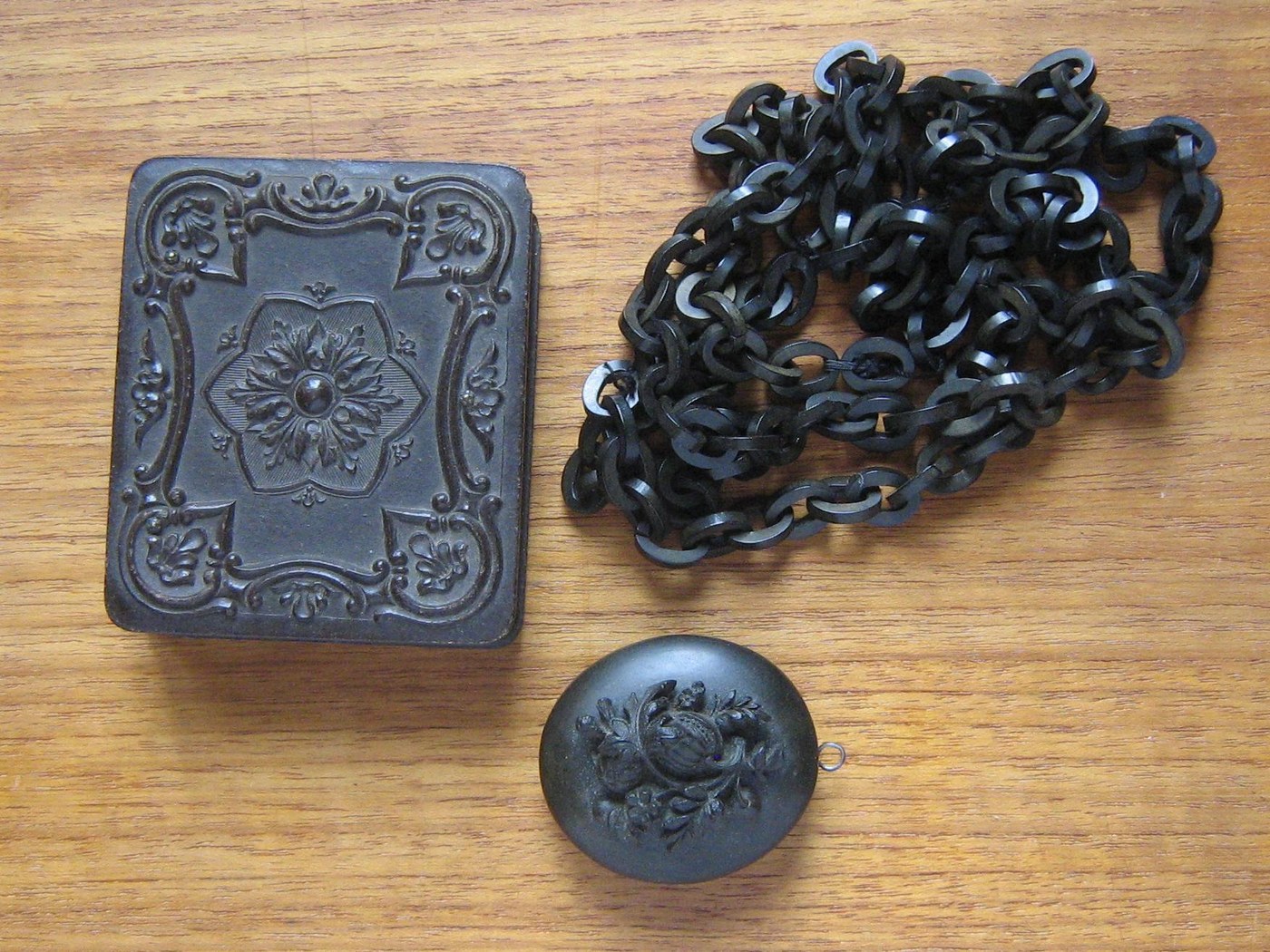


Ebonite Rod: Rubber and an Equal Weight of Sulphur, Cured Hours in the Heat, Goodyear 1851
Ebonite is rubber with a great deal of sulphur. Nelson Goodyear's patent (1851) uses about equal weights of the two, far more than for soft rubber, moulded and then cured at 260–275 °F for three to six hours or longer. It comes out hard and stiff.
The picture: ebonite objects (photo by FBQ, Wikimedia Commons, CC BY-SA 3.0).
Àárín
1 day
Ìlànà
1
1
Weigh equal parts
Weigh equal parts
Weigh the rubber and the sulphur, about equal parts by weight. Much less sulphur will not make it hard.
Àwọn ohun èlò fún ìgbésẹ̀ yìí:
 Àwo rọ́bà tí a fi èéfín gbẹ500 g
 Ìyẹ̀fun sulfur500 g
Àwọn irinṣẹ́ tí a nílò:
 Òǹwọ̀n ìdọ́gba
2
2
Work the sulphur in
Work the sulphur in
Mix the sulphur into the rubber the usual way rubber is compounded: on the rubber mill, until the sulphur is spread evenly through.
Àwọn irinṣẹ́ tí a nílò:
 Ẹ̀rọ rọ́bà olórólà méjì
3
3
Mould the rod
Mould the rod
Press the compound firmly into a tube to shape it as a rod.
Àwọn irinṣẹ́ tí a nílò:
 Ọ̀pá irin 12 mm
4
4
Cure it
Cure it
Heat it to 260–275 °F (about 127–135 °C) and hold it there three to six hours, or longer. Let it cool and push out the hard rod.
Àwọn irinṣẹ́ tí a nílò:
 Ààrò
 Ẹ̀rọ Ìwọ̀n Ooru
Àwọn ohun-èlò
2- Àyè
- 500 gÀyè
Àwọn irinṣẹ́ tó nílò
5- Àyè
Ìtọ́nisọ́nà yìí ń ṣe
CC0 Àgbègbè Gbogbogbò
Blueprint yìí ti jáde lábẹ́ CC0. O lè ṣe àdàkọ, yí padà, pín, àti lò láìsí ìyọ̀ǹda.
Ṣàtìlẹ́yìn Olùṣẹ́dá nípa rírà àwọn ọjà nipasẹ̀ Blueprint wọn Ẹ̀san Olùṣẹ́dá tí àwọn Olùtajà gbé kalẹ̀, tàbí ṣẹ̀dá àtúnṣe tuntun ti Blueprint yìí kí o sì fi sínú Blueprint rẹ gẹ́gẹ́ bí ìsopọ̀ láti pín owó-wíwọlé.