IṢẸ́ ỌNÀ
ẸWÀ ÀTI ÌLERA
IṢẸ́ ỌWỌ́
ÀṢÀ ÀTI ÌTÀN
ÌṢERÉ
ÀYÍKÁ
OÚNJẸ ÀTI OHUN MÍMU
REVERSE ENGINEERING
SÁYẸ́ǸSÌ
ERÉ ÌDÁRAYÁ
ÌMỌ̀-Ẹ̀RỌ
ÀWỌN OHUN WÍWỌ̀
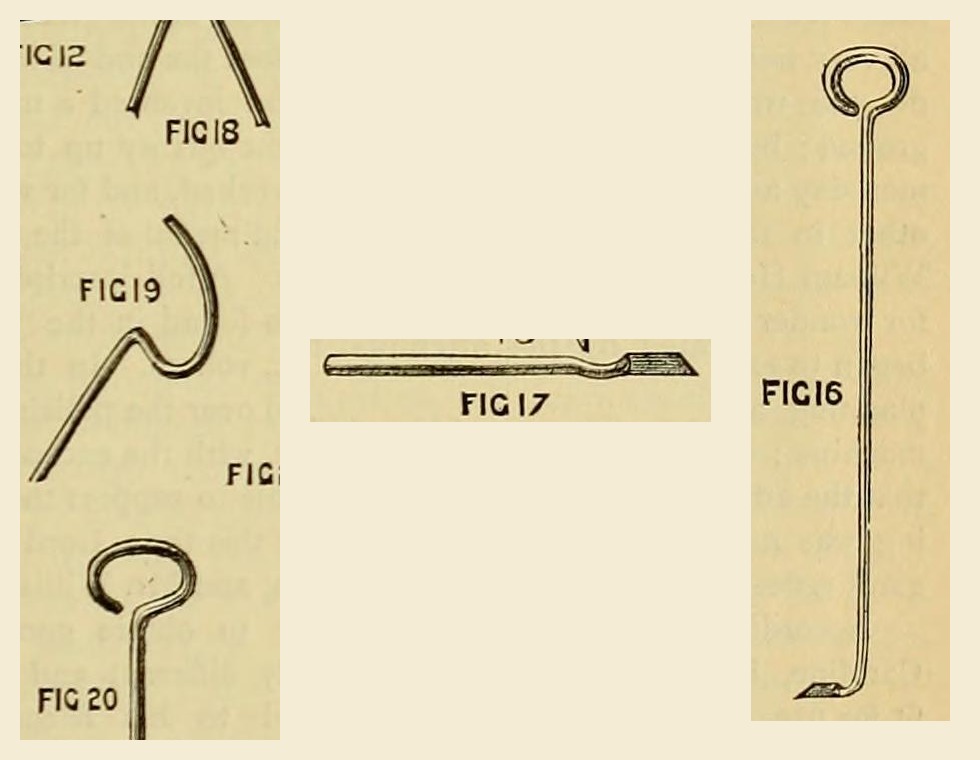


Smith's Fire Rake (Poker): a 3/8 in. Rod Drawn to a Flat Point, Crooked, and Looped Over the Anvil (Edwinson, 1886)
The first job George Edwinson set his readers in Amateur Work (1886): the smith's rake for the forge fire, which "might be dubbed a poker". A yard of 3/8 in. iron rod drawn to a square then flat point with quarter turns, bent into a crook, and the other end bent round in three heats into a loop handle.
Olùbẹ̀rẹ̀
An hour at the forge
Ìlànà
1
1
His sizes
His sizes
Ń ṣí ìwé Jupyter…
2
2
Read Edwinson
Read Edwinson
"The rake, Fig. 16, might be dubbed a poker, and as this is the most simple tool, we will deal with that first."
3
3
Light a small fire
Light a small fire
Pile slack round the tuyere, scoop a shallow pit in front of it, put in shavings with a few cinders on top, light and blow gently. Draw slack in until the heap glows, then damp the outside so the fire stays within 6 in. (15 cm) of the tuyere.
Àwọn ohun èlò fún ìgbésẹ̀ yìí:
 Èédú òkúta bituminous1 ẹyọ
Àwọn irinṣẹ́ tí a nílò:
 Ìléru alágbẹ̀dẹ
4
4
Draw the point
Draw the point
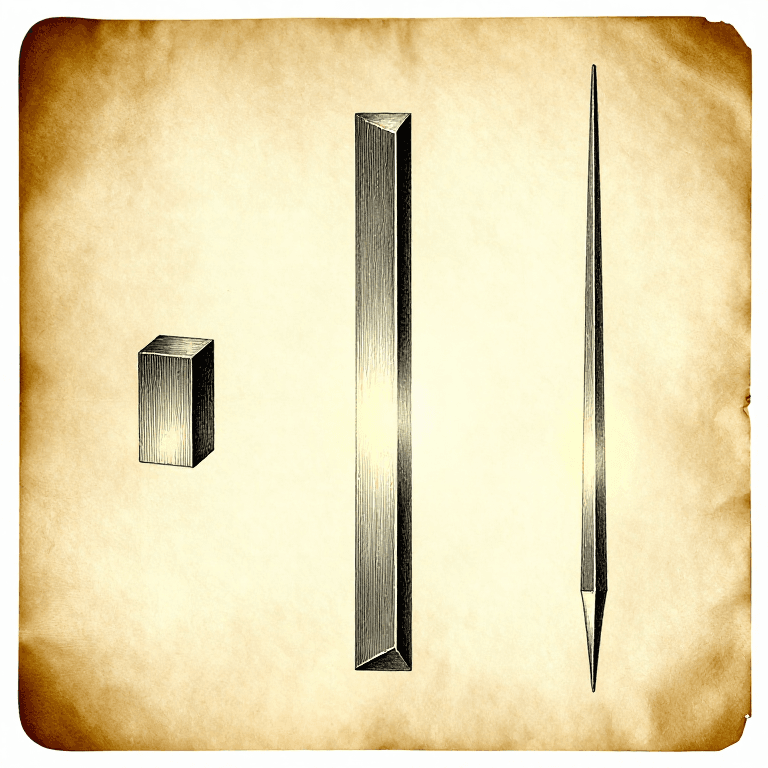
Cut 36 in. (91 cm) of 3/8 in. (10 mm) iron rod with a cold chisel. Heat 2 in. of one end glowing white. On the outer edge of the anvil, hammer it lightly on the tip, giving the rod a quarter turn after each blow and drawing it back, to a square point. Strike only while it glows; reheat at a dull red. Next heat, round the corners and draw a flat tapering point (fig. 17).
Àwọn ohun èlò fún ìgbésẹ̀ yìí:
 Ọ̀pá irin lílù1 ẹyọ
Àwọn irinṣẹ́ tí a nílò:
 Àyà irin tútùÌléru alágbẹ̀dẹ
 Ìdí Alágbẹ̀dẹ
 Òòlù
5
5
Crook the end
Crook the end
Heat the point to a dull red and bend it over the outer edge of the anvil with a few light blows into the crook (fig. 16).
Àwọn irinṣẹ́ tí a nílò:
Ìléru alágbẹ̀dẹÌdí Alágbẹ̀dẹÒòlù6
6
Bend the loop
Bend the loop
Heat the rod about 10 in. from the other end to redness and bend it over the anvil edge (fig. 18). Heat 3 in. more of the bent part and shape it (fig. 19). Heat again and bring the end round to touch the shoulder (fig. 20), then shape the loop hot with light blows. (Experienced smiths scarf the end and weld it to the shoulder.)
Àwọn irinṣẹ́ tí a nílò:
Ìléru alágbẹ̀dẹÌdí Alágbẹ̀dẹÒòlù7
7
Troubleshooting
Troubleshooting
Rake troubleshooting.
Flow
Loading...
8
8
History and honest limits
History and honest limits
From George Edwinson, "Smithing and Forging" II, **Amateur Work, Illustrated**, vol. V (1886), pp. 211-213 and figs. 15-20 (checked on the archive.org scan amateurworkillus05lond). Metric figures and the tools are ours.
Àwọn ohun-èlò
2- Àyè
- 1 ẹyọÀyè
Ìtọ́nisọ́nà yìí ń ṣe

Blueprint tó jọra
Àwọn blueprint wọ̀nyí pín ìmọ̀ — ọ̀nà, ohun-èlò tàbí ìlànà
CC0 Àgbègbè Gbogbogbò
Blueprint yìí ti jáde lábẹ́ CC0. O lè ṣe àdàkọ, yí padà, pín, àti lò láìsí ìyọ̀ǹda.
Ṣàtìlẹ́yìn Olùṣẹ́dá nípa rírà àwọn ọjà nipasẹ̀ Blueprint wọn Ẹ̀san Olùṣẹ́dá tí àwọn Olùtajà gbé kalẹ̀, tàbí ṣẹ̀dá àtúnṣe tuntun ti Blueprint yìí kí o sì fi sínú Blueprint rẹ gẹ́gẹ́ bí ìsopọ̀ láti pín owó-wíwọlé.