IṢẸ́ ỌNÀ
ẸWÀ ÀTI ÌLERA
IṢẸ́ ỌWỌ́
ÀṢÀ ÀTI ÌTÀN
ÌṢERÉ
ÀYÍKÁ
OÚNJẸ ÀTI OHUN MÍMU
REVERSE ENGINEERING
SÁYẸ́ǸSÌ
ERÉ ÌDÁRAYÁ
ÌMỌ̀-Ẹ̀RỌ
ÀWỌN OHUN WÍWỌ̀
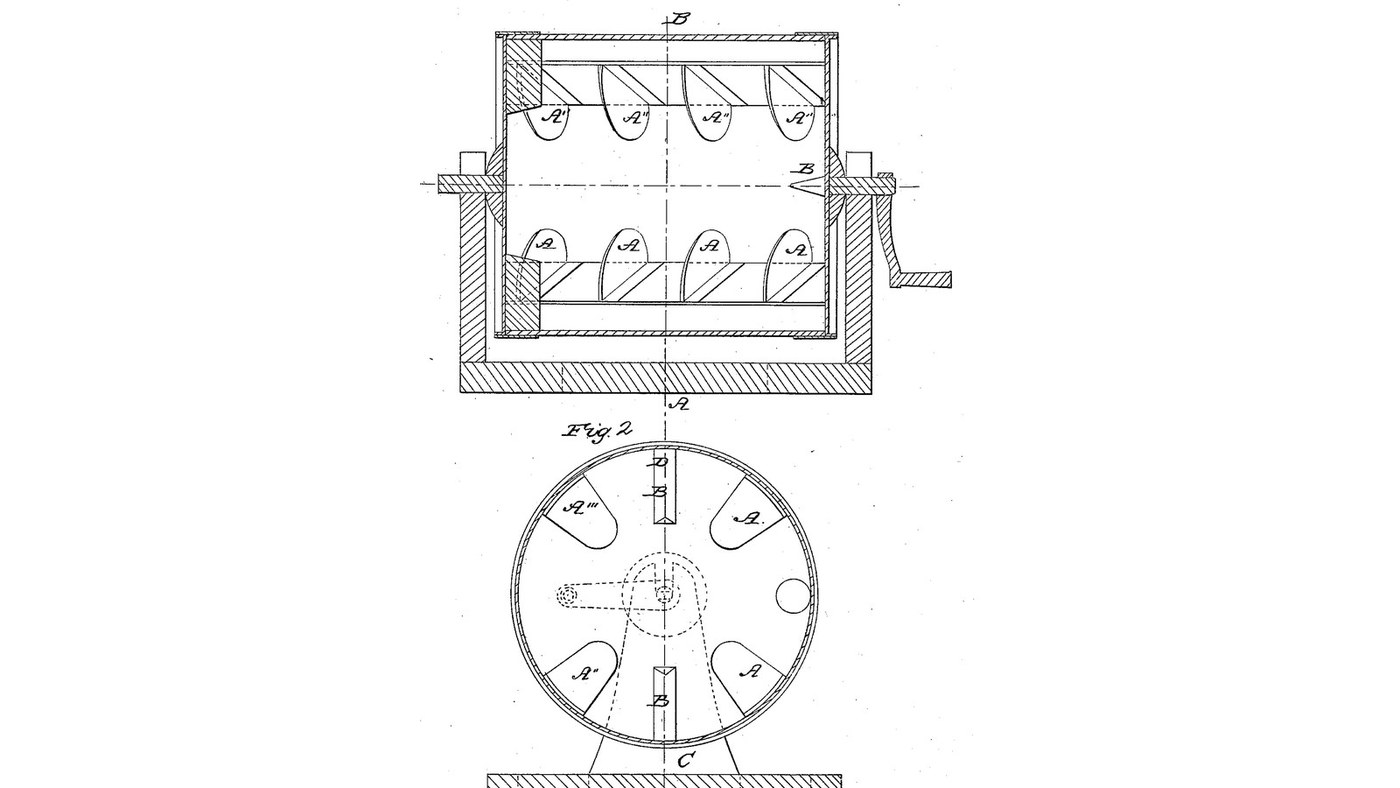

Oblique-Slat Barrel Churn: Rows of Slats Inside a Turning Barrel Point Opposite Ways and Throw the Cream End to End
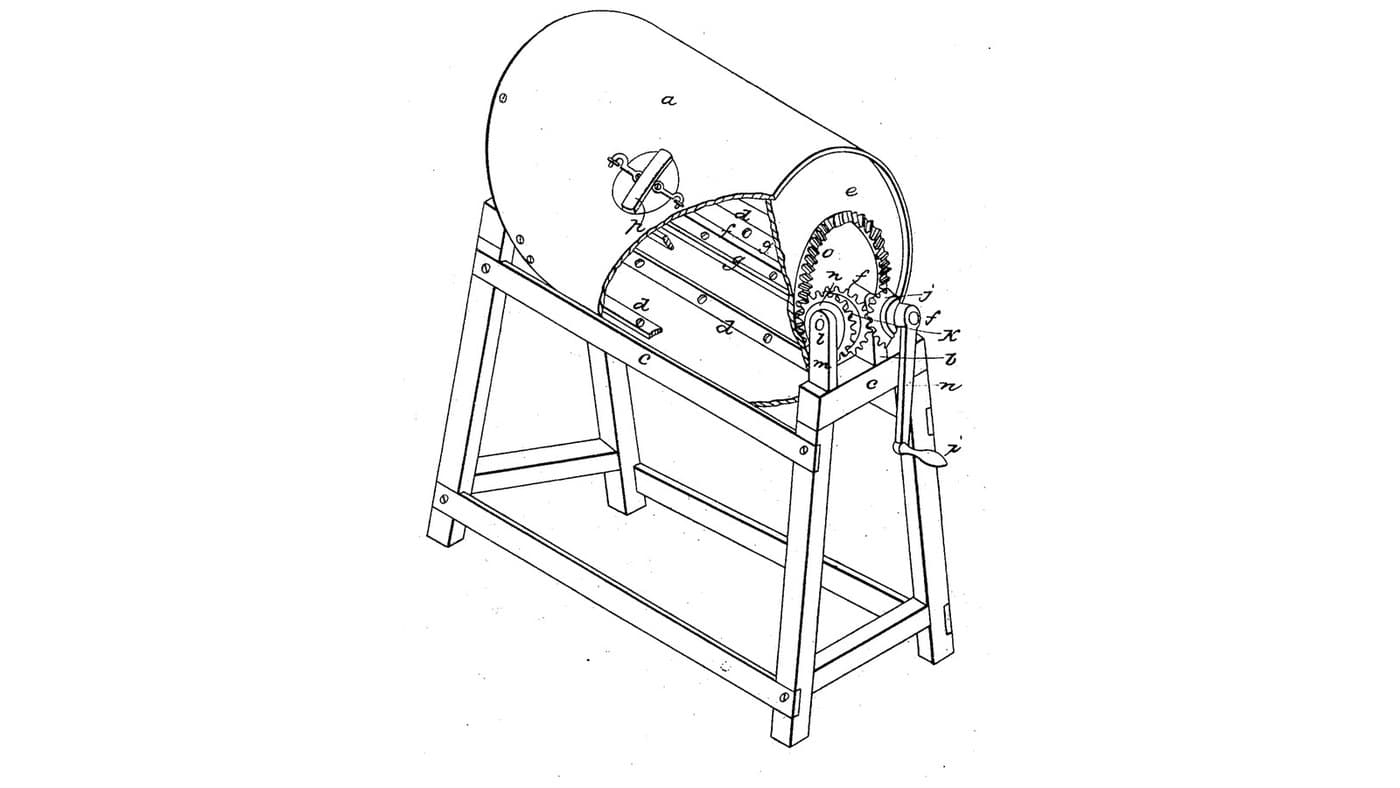
Pearson Embree of West Chester, Pennsylvania, received US 27,536, dated 20 March 1860, for a churn. Inside a common barrel churn turned by a crank, rows of wooden slats about a quarter of the diameter high point obliquely to the barrel's motion, each row the opposite way to the last. Some throw the cream toward one end, some toward the other; it strikes other slats or the projections on the heads and turns back.
The slats' height follows the patent's proportion; every other size here is ours.
Àárín
About 2 days
Ìlànà
1
1
Slats a quarter of the diameter high
Slats a quarter of the diameter high
Ń ṣí ìwé Jupyter…
2
2
Cream thrown end to end, two weeks before
Cream thrown end to end, two weeks before
Newbrough rocks his barrel so the cream runs end to end through pins. Embree turns his, and oblique slats throw it.
3
3
Read US 27,536
Read US 27,536
"The slats A A A, etc., throw the cream toward an end of the churn (one portion of the slats throwing to one end and the remaining portion to the other end); as the cream is thrown violently toward the end it either strikes other slats, or the projections B B by either of which means its course is reversed and great agitation of the cream produced."
4
4
Barrel, heads and door
Barrel, heads and door
Cut 430 mm of food-grade PE pipe 315 mm across with a 12 mm wall. Cut two heads from 15 mm HDPE sheet to fit inside it and bore both 20 mm on the centre. Cut a door 200 x 120 mm in the pipe's side, between two rows of slats; keep the piece, screw two HDPE strips along its long edges so it rests on the pipe, and hold it with two hooks and eyes.
Àwọn ohun èlò fún ìgbésẹ̀ yìí:
 Páìpù pọ́líẹ́tílínì tí ó nípọn1 ẹyọ
 Pẹpẹ HDPE1 ẹyọ
 Ìkọ̀ àti ojú2 ẹyọ
 Skurú ẹ̀rọ4 ẹyọ
 Ẹ̀kù Ìdìmú Onínáílọ́ọ̀nù4 ẹyọ
Àwọn irinṣẹ́ tí a nílò:
 Ayùn Jígísò
 Ẹ̀rọ Ìlùkòkò Aláìlókùn
 Àkójọ Orí Ìlùkòkò
 Àkójọ orí kànnàkànnà
 Àwọn Ìfá (Ìfá Ọwọ́)
 Ìṣù àwọn ohun ìyí skurú
 Okùn Ìdíwọ̀n
5
5
Slats A, A', A'', A''' and projections B
Slats A, A', A'', A''' and projections B
Cut four hardwood strips 30 x 18 mm, 390 long, and sixteen hardwood slats 90 x 12 mm standing 73 mm from the barrel's wall, a quarter of its 291 mm inside diameter; round their ends if you like. Set four slats in each strip, 100 mm apart, each at 45 degrees to the strip: in the first and third strips one way, in the second and fourth the other. Screw the strips inside the barrel a quarter turn apart, through the wall with stainless screws and lock nuts, sealed with silicone, so each row points the opposite way from the row before. Screw two hardwood projections B, 20 x 90 mm and 30 deep, on each head's inner face, opposite each other, between the rows.
Àwọn ohun èlò fún ìgbésẹ̀ yìí:
 Pátákó Igi Líle1 ẹyọ
 Ìdìpọ̀ Igi1 ẹyọSkurú ẹ̀rọ16 ẹyọẸ̀kù Ìdìmú Onínáílọ́ọ̀nù16 ẹyọ
 Ìdílẹ̀ Silikoni1 ẹyọ
 Ìṣó igi8 ẹyọ
Àwọn irinṣẹ́ tí a nílò:
 Ayùn tábìlì
 Ẹ̀rọ Ìwọ̀n IgunẸ̀rọ Ìlùkòkò AláìlókùnÀkójọ Orí Ìlùkòkò
 Ìdìmú oní-ọ̀pá
 Bébà ÌfáÌṣù àwọn ohun ìyí skurú
 Kọ́kọ́rọ́ tí a lè ṣàtúnṣe
6
6
Shaft, stand and crank
Shaft, stand and crank
Pass a 20 mm stainless shaft 680 mm long through both heads, press the heads into the pipe's ends, screw them through the wall and seal the heads and the shaft's passages with silicone sealant. Make a hardwood stand: a base 600 x 400 mm and two uprights 40 x 120 mm, 30 mm beyond each end of the barrel, bored 20.8 mm 260 mm above the floor. Rest the shaft in them with collars, and fit a hardwood crank 130 mm long with a dowel handle on its long end.
Àwọn ohun èlò fún ìgbésẹ̀ yìí:
 Ọ̀pá irin tí kò ń yá1 ẹyọÌdílẹ̀ Silikoni1 ẹyọSkurú ẹ̀rọ8 ẹyọPátákó Igi Líle2 ẹyọÌdìpọ̀ Igi1 ẹyọÌṣó igi8 ẹyọ
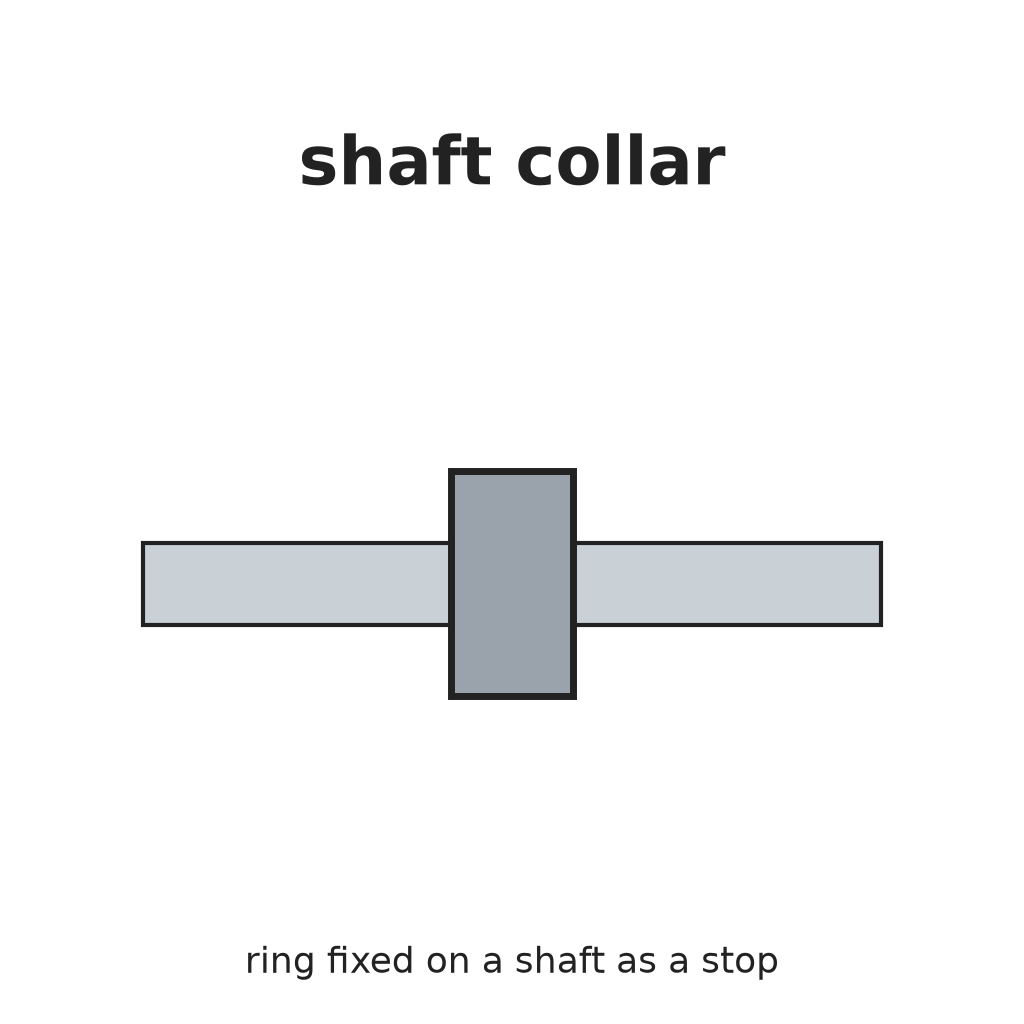 Shaft Collar2 ẹyọ
 Àwọn dowel igi líle1 ẹyọ
Àwọn irinṣẹ́ tí a nílò:
 Ayùn IrinÀwọn Ìfá (Ìfá Ọwọ́)Ayùn tábìlìẸ̀rọ Ìlùkòkò AláìlókùnÀkójọ Orí ÌlùkòkòÀkójọ orí kànnàkànnàÌṣù àwọn ohun ìyí skurú
7
7
The build in 3D
The build in 3D
FreeCAD model of this build, the barrel cut through the middle: four rows of oblique slats, alternate rows pointing opposite ways, the projections B on the heads, the door, the shaft, stand and crank.
8
8
Churn
Churn
Turn the door uppermost, pour in about 8 litres of heavy cream at about 15 °C, checked with the thermometer, and close it. Turn the crank steadily, timing it. When the butter comes, stop with the door uppermost, open it, tip the buttermilk out into a bowl, take out the butter, wash it in cold water until it runs clear, salt and weigh it.
Àwọn ohun èlò fún ìgbésẹ̀ yìí:
 Ọ̀rá wàrà tó nípọn8 l
 Iyọ̀ Òkun Rúkèrúdò1 ẹyọ
 Omi1 ẹyọ
Àwọn irinṣẹ́ tí a nílò:
 Ẹ̀rọ ìwọ̀n ooru oníhun tí ó dúró sí inú
 Aago Ìdúró
 Òṣùwọ̀n Díjítà Ilé Ìdáná
 Àwo ìdàpọ̀ ńlá ti irin tí kò ń yá
9
9
Troubleshooting
Troubleshooting
Oblique-slat barrel churn troubleshooting.
Flow
Loading...
10
10
History and honest limits
History and honest limits
**Pearson Embree** of West Chester, Chester County, Pennsylvania, US 27,536, 20 March 1860, "Churn". He claimed the slats or projections on the inner surface, each row pointing obliquely in the line of motion and the next row the opposite way. He says they make butter "in much less time than by the ordinary revolving churns". The slat height follows his quarter-diameter; the PE barrel, the 45-degree angle, the counts and all other sizes are ours.
Àwọn ohun-èlò
15- Àyè
- 1 ẹyọÀyè
- 2 ẹyọÀyè
- 28 ẹyọÀyè
- 20 ẹyọÀyè
- 2 ẹyọÀyè
- 2 ẹyọÀyè
- 2 ẹyọÀyè
- 16 ẹyọÀyè
- 1 ẹyọÀyè
- 2 ẹyọÀyè
- 1 ẹyọÀyè
- Àyè
- 1 ẹyọÀyè
- 1 ẹyọÀyè
Àwọn irinṣẹ́ tó nílò
17- 1 vendor sell this, none ship to you yetÀyè
- 1 vendor sell this, none ship to you yetÀyè
- 1 vendor sell this, none ship to you yetÀyè
- 1 vendor sell this, none ship to you yetÀyè
- Àyè
- Àyè
- Àyè
Àwọn fáìlì àpẹrẹ
1Ìtọ́nisọ́nà yìí ń ṣe
Blueprint tó jọra
Àwọn blueprint wọ̀nyí pín ìmọ̀ — ọ̀nà, ohun-èlò tàbí ìlànà
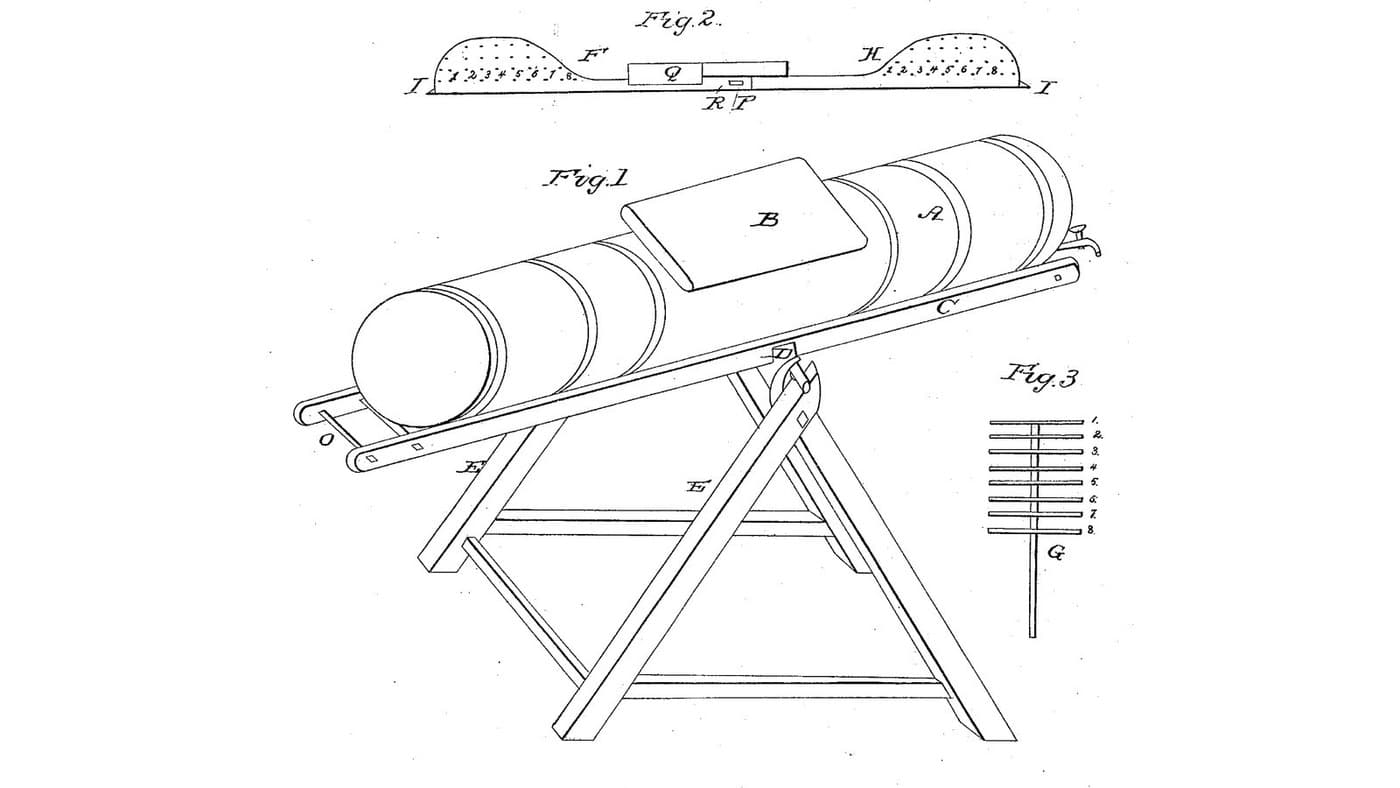
Rocking Barrel Brake-Pin Churn: Cream Rushes End to End Through Rows of Pins, a Diagonal Board Gathers the Butter
láti ọwọ́ Buttercup
Iṣẹ́ Igi
9
0
0
0
0
0
Counter-Turning Cylinder Churn: The Ribbed Cylinder Turns One Way While the Dashers Inside Turn the Other
láti ọwọ́ Buttercup
Iṣẹ́ Igi
10
0
0
0
0
0
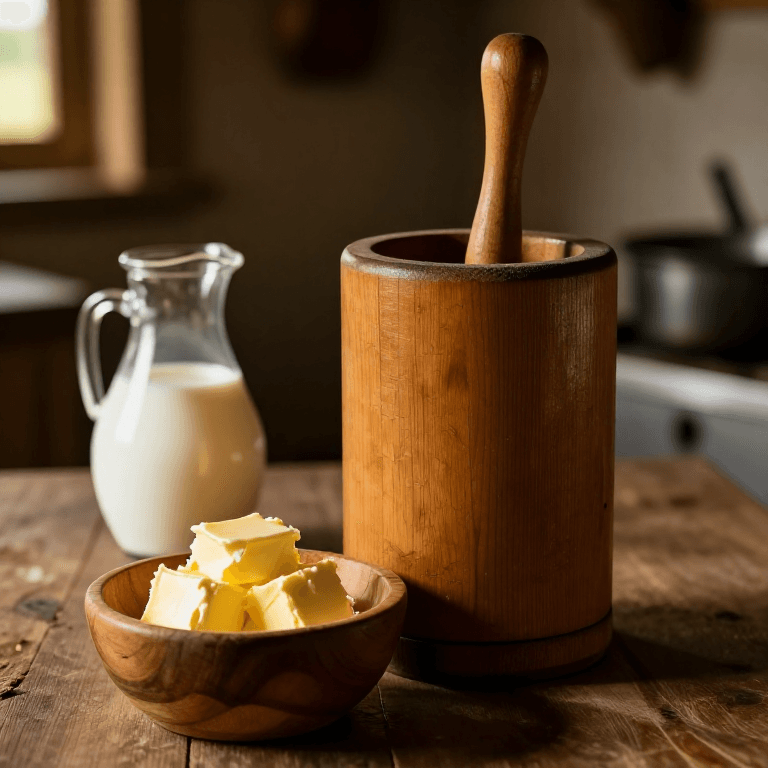
Churning Butter from Cream — The 5,000-Year-Old Fat Separation
láti ọwọ́ TheChef
IṢẸ́ ỌWỌ́
63
0
0
0
0
0
CC0 Àgbègbè Gbogbogbò
Blueprint yìí ti jáde lábẹ́ CC0. O lè ṣe àdàkọ, yí padà, pín, àti lò láìsí ìyọ̀ǹda.
Ṣàtìlẹ́yìn Olùṣẹ́dá nípa rírà àwọn ọjà nipasẹ̀ Blueprint wọn Ẹ̀san Olùṣẹ́dá tí àwọn Olùtajà gbé kalẹ̀, tàbí ṣẹ̀dá àtúnṣe tuntun ti Blueprint yìí kí o sì fi sínú Blueprint rẹ gẹ́gẹ́ bí ìsopọ̀ láti pín owó-wíwọlé.