IṢẸ́ ỌNÀ
ẸWÀ ÀTI ÌLERA
IṢẸ́ ỌWỌ́
ÀṢÀ ÀTI ÌTÀN
ÌṢERÉ
ÀYÍKÁ
OÚNJẸ ÀTI OHUN MÍMU
REVERSE ENGINEERING
SÁYẸ́ǸSÌ
ERÉ ÌDÁRAYÁ
ÌMỌ̀-Ẹ̀RỌ
ÀWỌN OHUN WÍWỌ̀
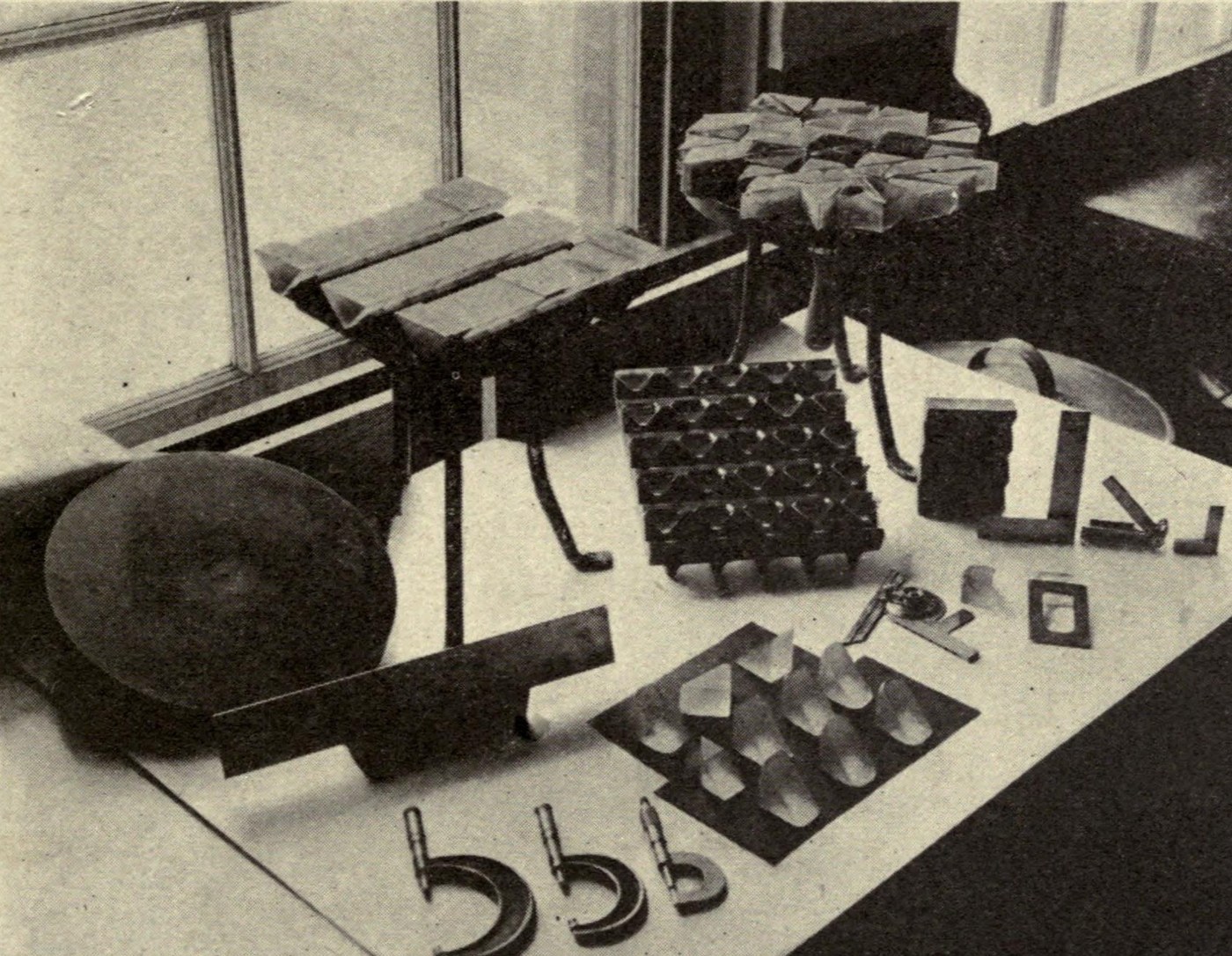


Equilateral Glass Prism: Sawn, Ground and Pitch-Polished
A prism splits white light into its colours, so its faces must be optically flat and its angles true. This is how the US arsenals ground prisms in 1918, as F. E. Wright recorded for the Ordnance Department in 1921: saw a blank from optical glass, rough-grind it on iron disks, set a batch of prisms in plaster, fine-grind, and polish on pitch with rouge. Wright's worked example is a right-angle prism; an equilateral prism has three 60° angles, made the same way.
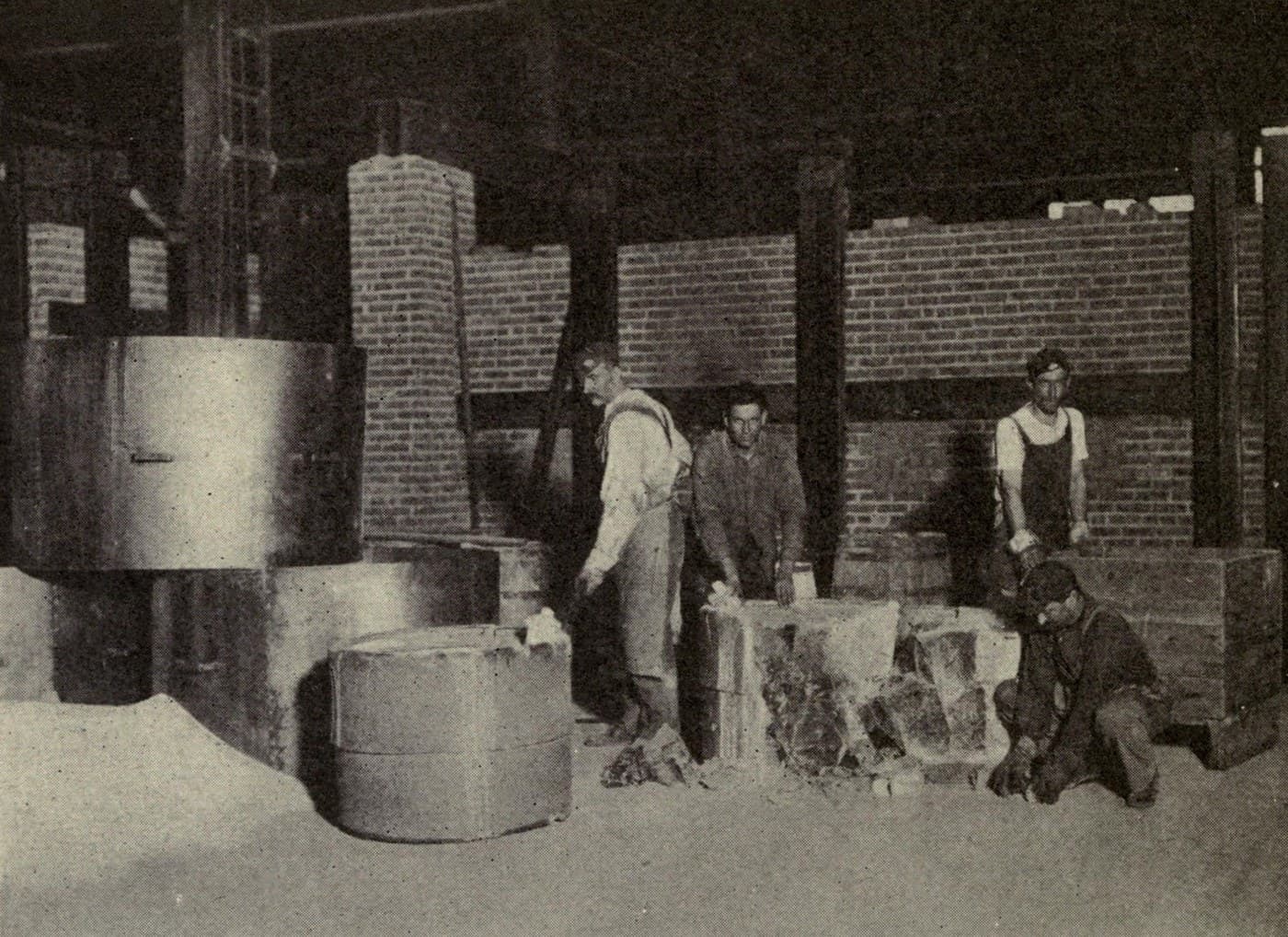
The picture: blocking prisms for rough grinding at Frankford Arsenal (Wright 1921, Fig. 77, public domain).
Ilọsíwájú
2-3 days
Ìlànà
1
1
Saw out the blank
Saw out the blank
Saw a triangular blank from a block of optical glass with a diamond saw, using kerosene as lubricant. Leave several millimetres extra on each face for grinding.
Àwọn ohun èlò fún ìgbésẹ̀ yìí:
 Gilasi Opitika1 as required
Àwọn irinṣẹ́ tí a nílò:
 Ayùn Dáyámọ́ndì
 Kẹ́rọ́sínì
 Òṣùwọ̀n Kálípà Díjítà Ìnṣì 6
 Gíláàsì ààbò
2
2
Rough-grind the faces
Rough-grind the faces
Grind one triangular end flat on a rotating iron disk with 90 or 150 mesh grit. Then rough out the three side faces at right angles to it, checking the 60° angles with an angle gauge.
Àwọn irinṣẹ́ tí a nílò:
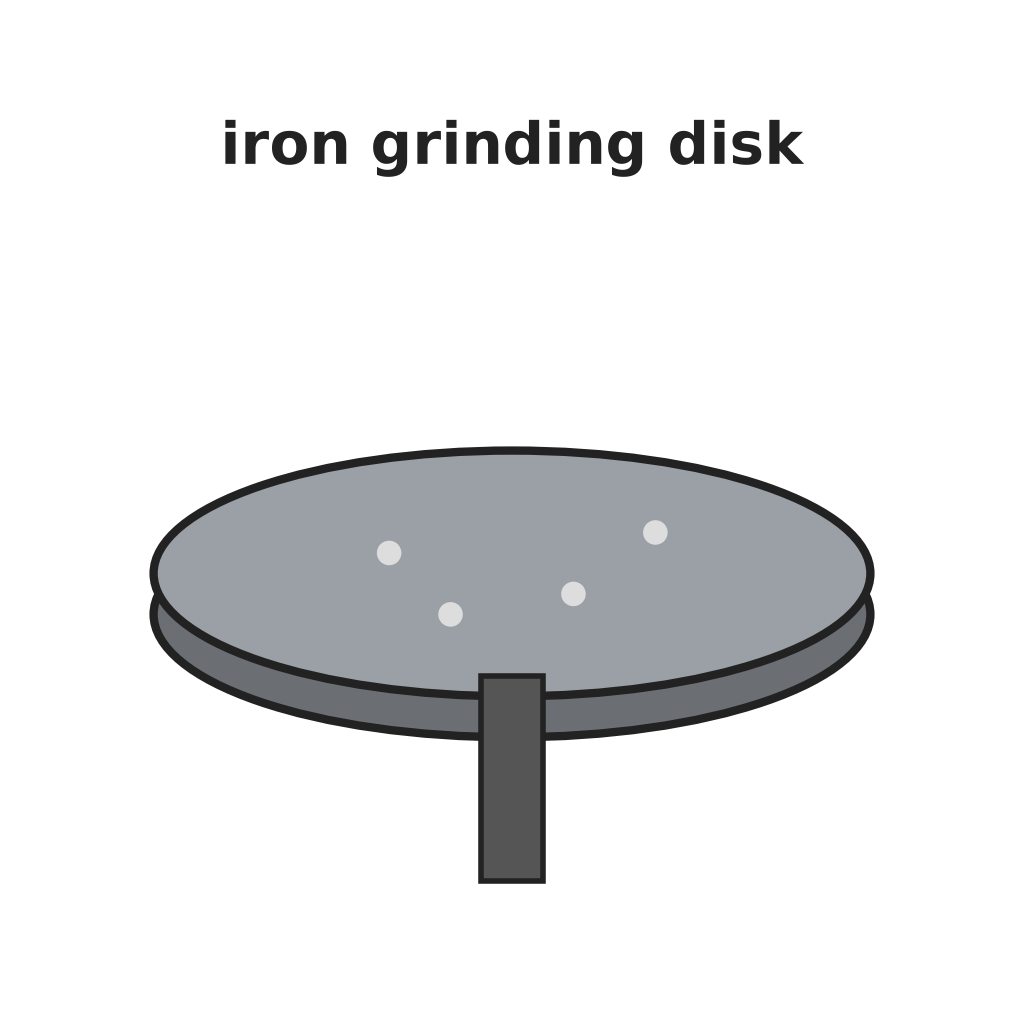 Àwo Lílọ Irin
 Ìṣù èérún ìlọ̀ silicon carbide
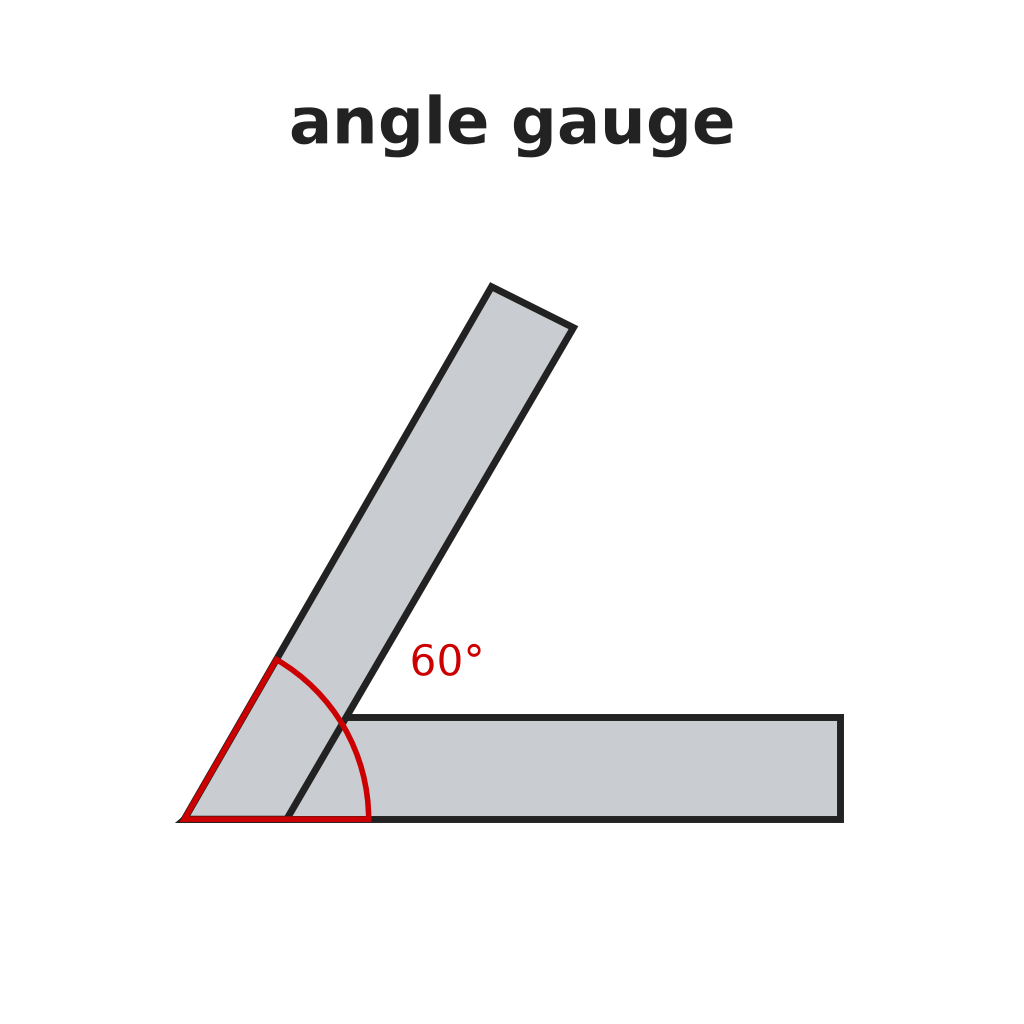 Wọ̀n Igun
3
3
Grind the ends in a batch
Grind the ends in a batch
Wax 20 or more prisms by their ground ends onto a heated iron disk and grind the other ends together: 90, 150, then 220 mesh, then smoothing grit. Change grit only when the surface is free of scratches. Regrind to the set thickness.
Àwọn irinṣẹ́ tí a nílò:
Àwo Lílọ IrinÌṣù èérún ìlọ̀ silicon carbide Ìdí parafíìnì
 Ìdí Oyin
 Pátákó GbígbónáÒṣùwọ̀n Kálípà Díjítà Ìnṣì 6
4
4
Block the prisms in plaster
Block the prisms in plaster
Set the prisms face down in melted paraffin on a flat iron disk and coat their backs with beeswax. Clamp a ring round them, fill with plaster of Paris and a little Portland cement (10 : 1), and let it harden about 16 hours. Cut the plaster back 1/8 in from the prisms and give it two coats of shellac.
Àwọn irinṣẹ́ tí a nílò:
Pátákó GbígbónáÌdí parafíìnìÌdí Oyin Pilasita ti Paris
 Símẹ́ǹtì Portland
 Èròjà Ìdí Oyin
5
5
Fine-grind
Fine-grind
Grind the block on a slightly convex plate with wet flour emery (the part that settles out of water between 10 and 60 minutes). After five minutes check with a magnifier: the faces should have an even velvet finish, slightly hollow by less than 0.001 in.
Àwọn irinṣẹ́ tí a nílò:
Àwo Lílọ IrinÌṣù èérún ìlọ̀ silicon carbide Lúpù Ìgbéga
6
6
Polish on pitch
Polish on pitch
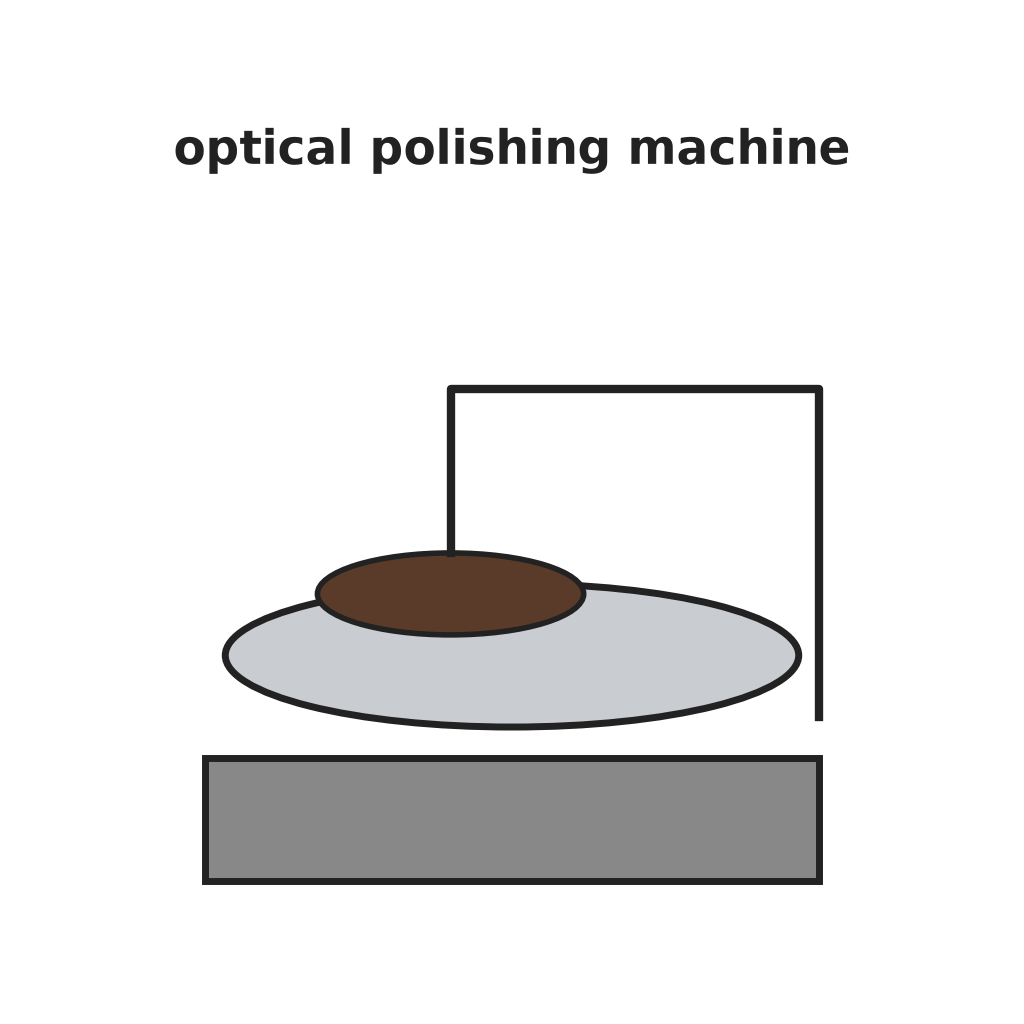
Pour strained pitch with a little rosin 1/4 in deep on an iron tool and cut crossed grooves 1/8 in wide, 1 in apart. Press it true with a rouge-wetted flat. Polish the block with creamy rouge and water on the machine, usually 4–8 hours, running nearly dry at the end.
Àwọn irinṣẹ́ tí a nílò:
 Ọ̀dà igi tí ó le
 Ọ̀dà igi paini
 Pupa ìdán alágbẹ̀dẹ wúrà
 Ẹ̀rọ Dídán Opitika
7
7
Test for flatness
Test for flatness
Lay an optical flat on each face and look at the Newton colours in sodium light (salt in a Bunsen flame). Straight bands to the edge, or one colour over the whole face, mean it is flat.
Àwọn irinṣẹ́ tí a nílò:
 Ojú pẹ̀lẹ́bẹ́ optiki (ìtọ́kasí)
 Ọ̀gọ̀ Bunsen
 Iyọ̀Lúpù Ìgbéga
8
8
Free, clean, check the angle, repeat
Free, clean, check the angle, repeat
Break the plaster away, clean the prisms with benzene and check each angle with the angle gauge. Correct by hand on a flat tool with smoothing grit. Repeat blocking and polishing for every face, smallest face first.
Àwọn irinṣẹ́ tí a nílò:
 Òòlù
 BenzeneWọ̀n IgunÀwo Lílọ IrinÌṣù èérún ìlọ̀ silicon carbide
Àwọn ohun-èlò
1- 1 as requiredÀyè
Àwọn irinṣẹ́ tó nílò
23- Àyè
- Àyè
- Àyè
- Àyè
- Àyè
- Àyè
- Àyè
- Àyè
- Àyè
Ìtọ́nisọ́nà yìí ń ṣe

Blueprint tó jọra
Àwọn blueprint wọ̀nyí pín ìmọ̀ — ọ̀nà, ohun-èlò tàbí ìlànà
CC0 Àgbègbè Gbogbogbò
Blueprint yìí ti jáde lábẹ́ CC0. O lè ṣe àdàkọ, yí padà, pín, àti lò láìsí ìyọ̀ǹda.
Ṣàtìlẹ́yìn Olùṣẹ́dá nípa rírà àwọn ọjà nipasẹ̀ Blueprint wọn Ẹ̀san Olùṣẹ́dá tí àwọn Olùtajà gbé kalẹ̀, tàbí ṣẹ̀dá àtúnṣe tuntun ti Blueprint yìí kí o sì fi sínú Blueprint rẹ gẹ́gẹ́ bí ìsopọ̀ láti pín owó-wíwọlé.