IṢẸ́ ỌNÀ
ẸWÀ ÀTI ÌLERA
IṢẸ́ ỌWỌ́
ÀṢÀ ÀTI ÌTÀN
ÌṢERÉ
ÀYÍKÁ
OÚNJẸ ÀTI OHUN MÍMU
REVERSE ENGINEERING
SÁYẸ́ǸSÌ
ERÉ ÌDÁRAYÁ
ÌMỌ̀-Ẹ̀RỌ
ÀWỌN OHUN WÍWỌ̀
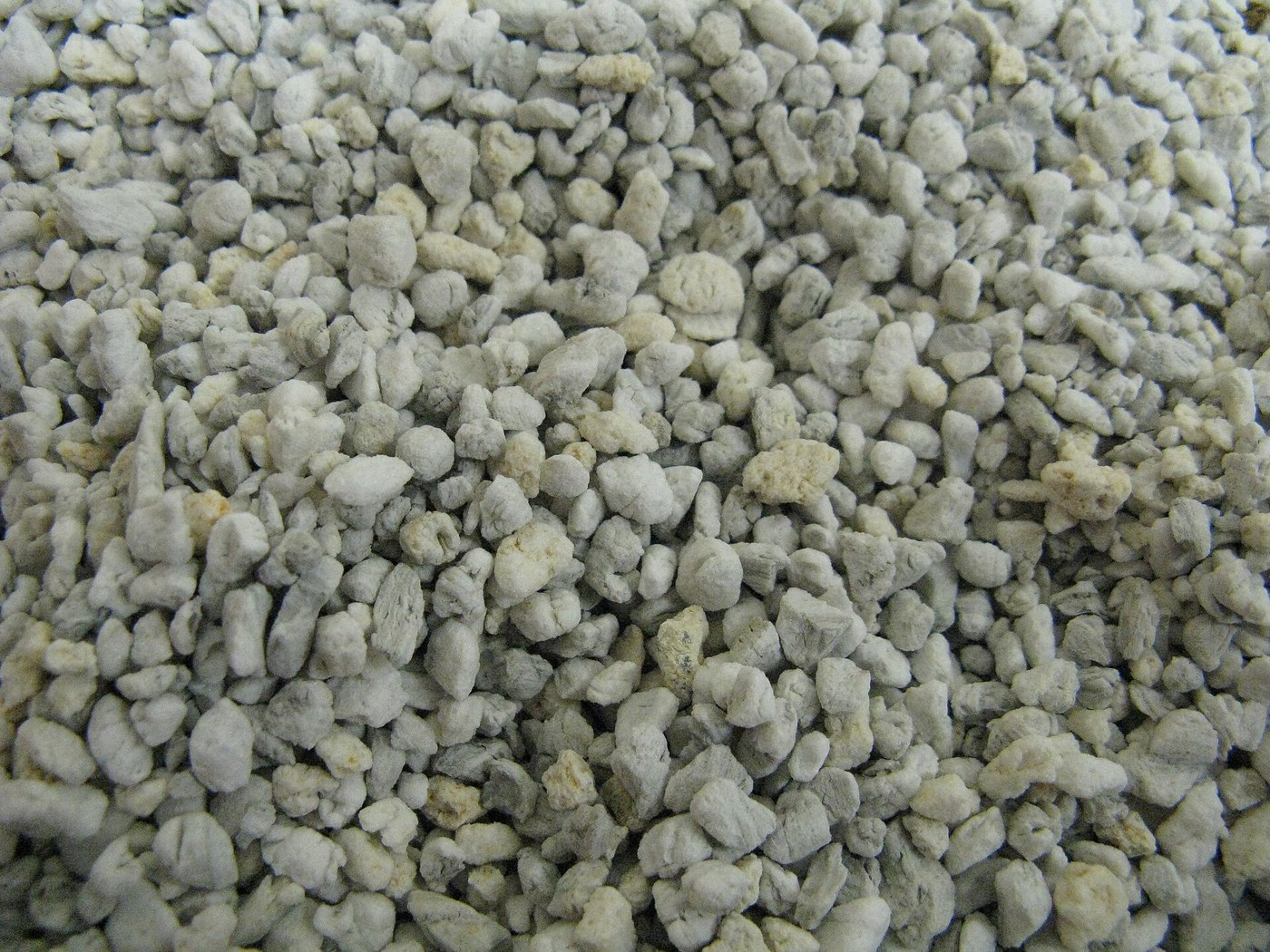


Expanded Perlite: Volcanic Glass Puffed in a Minute of Fierce Heat
Perlite is a volcanic glass with water locked inside. Heated fast into its softening range, the water turns to steam and puffs each grain up to 7–16 times its volume, brilliant white and light (Wikipedia). The U.S. Bureau of Mines (1946) found that grains up to ¼ inch need only 1 to 3 minutes at the right heat, somewhere between 1,600 and 2,600 °F depending on the ore.
The picture: expanded perlite (photo by KENPEI, Wikimedia Commons, CC BY-SA 3.0).
Àárín
A few hours
Ìlànà
1
1
Crush and size
Crush and size
Break the perlite ore into grains no bigger than ¼ inch and sieve out the large pieces.
Àwọn ohun èlò fún ìgbésẹ̀ yìí:
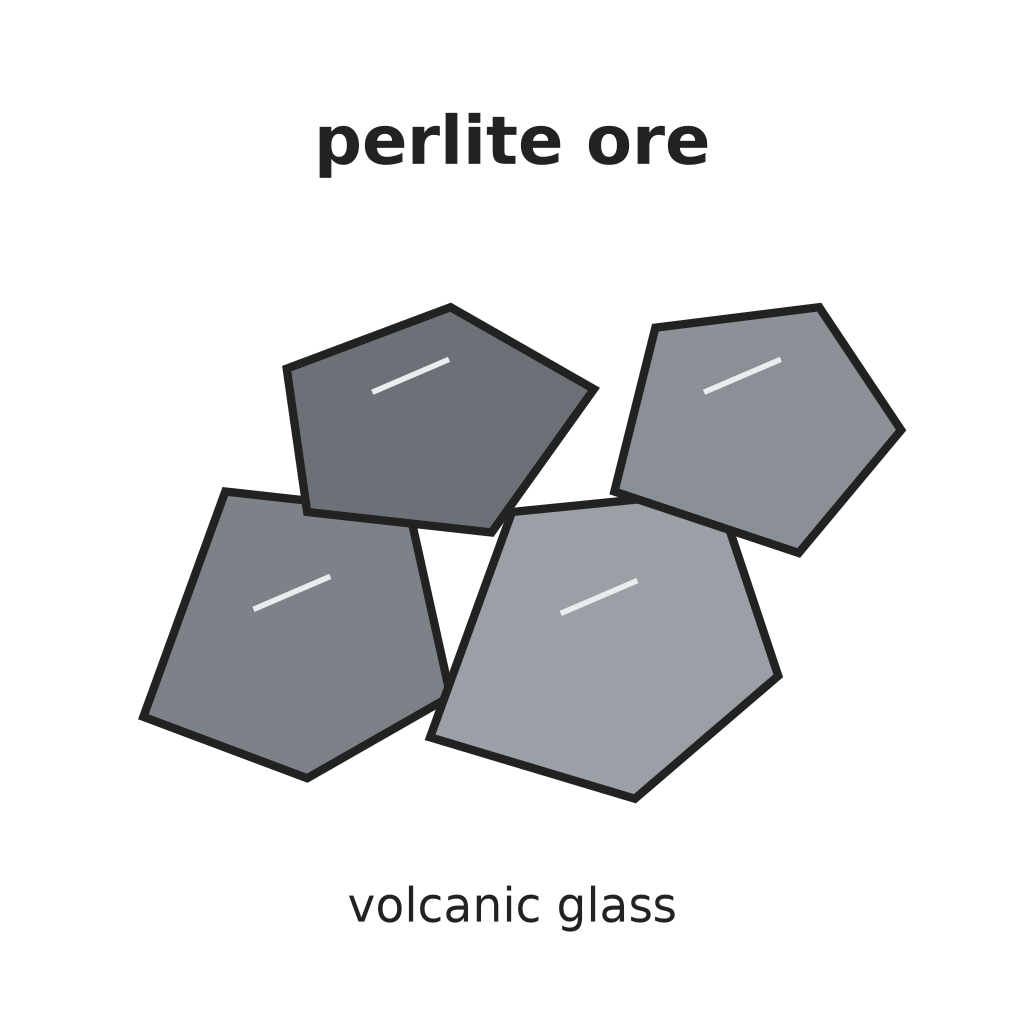 Òkúta Perlite1 kg
Àwọn irinṣẹ́ tí a nílò:
 Òòlù ọwọ́
 Ajọ ńlá
2
2
Heat it fast
Heat it fast
Heat the kiln first. Drop a thin layer of grains in on a hot dish for 1 to 3 minutes, then take them out. Slow heating does not work.
Àwọn irinṣẹ́ tí a nílò:
 Ìléru Ìsun
 Àwo tí kò jìn
 Ẹmú Onígùn Gígùn
 Ìbọ̀wọ́ wẹ́lídìn
3
3
Find your ore's heat
Find your ore's heat
Each ore has its own heat, between 1,600 and 2,600 °F. Too cool and it hardly puffs; hotter puffs it more. Too hot and it melts, lets the gas out, and shrinks back to dense slag. Test small lots first.
Àwọn irinṣẹ́ tí a nílò:
Ìléru ÌsunÀwo tí kò jìnẸmú Onígùn Gígùn4
4
Float off the duds
Float off the duds
Tip the cooled grains into water. The expanded ones float; grains that did not expand sink. Skim the floaters off and dry them.
Àwọn irinṣẹ́ tí a nílò:
 Bàkẹ́ẹ̀tì
 Omi
Àwọn ohun-èlò
1- 1 kgÀyè
Ìtọ́nisọ́nà yìí ń ṣe

CC0 Àgbègbè Gbogbogbò
Blueprint yìí ti jáde lábẹ́ CC0. O lè ṣe àdàkọ, yí padà, pín, àti lò láìsí ìyọ̀ǹda.
Ṣàtìlẹ́yìn Olùṣẹ́dá nípa rírà àwọn ọjà nipasẹ̀ Blueprint wọn Ẹ̀san Olùṣẹ́dá tí àwọn Olùtajà gbé kalẹ̀, tàbí ṣẹ̀dá àtúnṣe tuntun ti Blueprint yìí kí o sì fi sínú Blueprint rẹ gẹ́gẹ́ bí ìsopọ̀ láti pín owó-wíwọlé.