IṢẸ́ ỌNÀ
ẸWÀ ÀTI ÌLERA
IṢẸ́ ỌWỌ́
ÀṢÀ ÀTI ÌTÀN
ÌṢERÉ
ÀYÍKÁ
OÚNJẸ ÀTI OHUN MÍMU
REVERSE ENGINEERING
SÁYẸ́ǸSÌ
ERÉ ÌDÁRAYÁ
ÌMỌ̀-Ẹ̀RỌ
ÀWỌN OHUN WÍWỌ̀
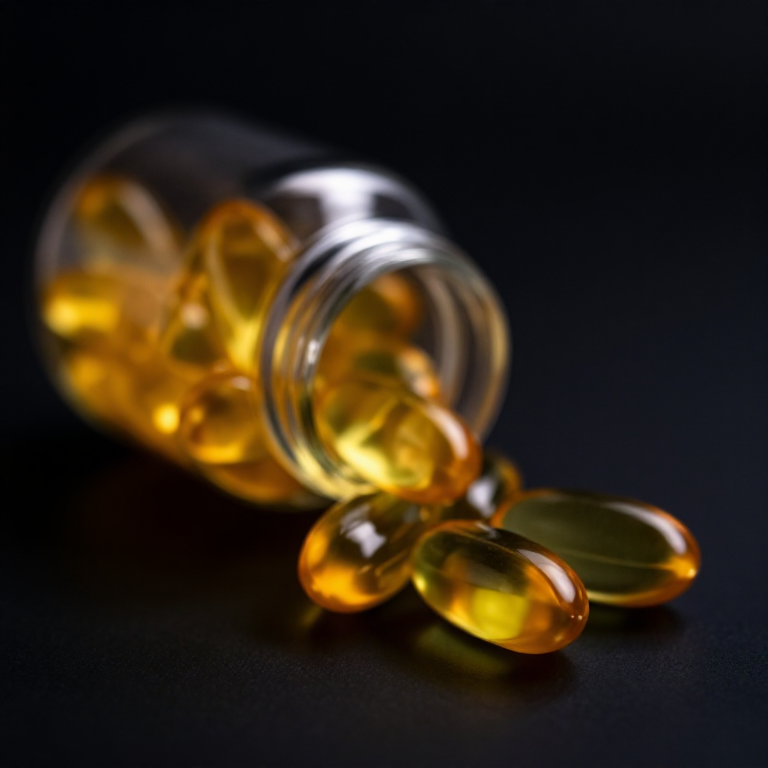

Extracting Omega-3 Fish Oil from Fatty Fish — The Marine Fatty Acids That Built the Brain
Àárín
An afternoon to render and settle, then a week of watching it keep or turn
Ìlànà
1
1
Understand the Marine Omega-3 Food Chain
Understand the Marine Omega-3 Food Chain
Omega-3 fatty acids originate in marine phytoplankton — diatoms and dinoflagellates that synthesize EPA and DHA as structural components of their cell membranes, where these highly flexible fatty acids maintain membrane fluidity in cold ocean water. Zooplankton (copepods, krill) graze on phytoplankton and accumulate omega-3s. Small pelagic fish (anchoveta, sardine, menhaden, herring) eat zooplankton, concentrating the fatty acids in their body oil and liver. Larger predatory fish accumulate even higher levels. Humans cannot efficiently synthesize EPA and DHA from plant-based alpha-linolenic acid — dietary intake from marine sources is essential.
2
2
Identify the Key Fish Species
Identify the Key Fish Species
The global fish oil industry processes approximately 20 million tonnes of fish annually. Peruvian anchoveta (Engraulis ringens) is the single largest source, caught in the Humboldt Current upwelling zone off Peru and Chile. Atlantic menhaden (Brevoortia tyrannus) dominates North American production. European sources include herring (Clupea harengus), mackerel (Scomber scombrus), sprat, and sandeel. Antarctic krill (Euphausia superba) is an emerging source with naturally low contaminant levels. Each species has a distinct fatty acid profile — anchoveta averages 17% EPA and 9% DHA, while tuna oil is higher in DHA (25%) than EPA (6%).
3
3
Follow Industrial Wet Reduction Processing
Follow Industrial Wet Reduction Processing
Fish oil is produced by the wet reduction (wet rendering) process. Whole fish or processing waste is cooked in continuous steam cookers at 95-100°C for 15-20 minutes to coagulate protein and rupture fat cells. The cooked mass is pressed in twin-screw presses to separate liquid (press liquor) from solid (press cake used for fish meal). The press liquor passes through decanters and disc-stack centrifuges that separate it into crude fish oil, stickwater (aqueous protein), and fine solids. A modern fish meal factory processes 500-2,000 tonnes of raw fish per day.
4
4
Run a wet reduction in your own kitchen
Run a wet reduction in your own kitchen
The industrial sequence in the previous step — cook, press, separate — works at kitchen scale with a pot and a cloth. Doing it once makes every later step of this blueprint concrete.
Buy whole fresh oily fish: sardines, anchovies, mackerel or herring, all of which the species step names. Oily fish go off fast, and oxidised oil is precisely the thing you are trying not to make, so buy them the day you render them and keep them cold until you start.
Weigh the whole fish and record the figure. That is the denominator for your yield.
Gut them, put them in the pot with just enough water to stop them catching, and bring the temperature to about 95 °C with the thermometer in the fish rather than in the water. Hold it there for twenty minutes. That is the same cook the industrial step describes, doing the same two jobs: coagulating the protein so it stops holding on to the oil, and rupturing the fat cells so the oil can leave.
Strain the whole mass through fine cheesecloth into the settling jar, pressing to drive the liquor out. What passes through is press liquor — oil, water and dissolved protein together. What stays in the cloth is press cake, which is what the industry dries and sells as fish meal. You have just made both of the streams the previous step lists, in a pot.
Àwọn ohun èlò fún ìgbésẹ̀ yìí:
 Ẹja ọlọ́ràá tuntun (ẹja anchovy)1 kg
Àwọn irinṣẹ́ tí a nílò:
 Ìkòkò Ńlá
 Ẹ̀rọ Ìwọ̀n Ooru Ìdáná
 Aṣọ Ìsẹ́ Kékeré
 Ìgò dígí ìdúbúlẹ̀
 Òṣùwọ̀n Pípé
5
5
Separate the three fractions and measure the yield
Separate the three fractions and measure the yield
Let the jar stand somewhere cool for several hours. It separates into the three fractions the industrial decanter produces: oil on top, stickwater below it, and fine solids at the bottom. You do not need a centrifuge — gravity does the same sorting, only slowly, which is exactly the comparison the centrifuge blueprint in this corpus opens with.
Skim or pipette the oil off the top and weigh it. Divide by the whole-fish mass you recorded: that is your yield as a fraction of live weight.
Expect it to vary enormously — between species, and between seasons within one species. A herring in autumn and the same herring in spring are different raw materials. That variability is not noise to be averaged away; it is the reason the quotas in the sustainability step are set from biomass surveys each year rather than from a fixed number.
Then set up the oxidation comparison. Fill a dark glass bottle to the very top and refrigerate it; leave a second sample half-full in a clear jar in the light. Compare smell and colour over a week. What you are smelling go wrong is the polyunsaturated bonds oxidising, and the more double bonds a fatty acid carries the faster it happens — which is why EPA with five and DHA with six are among the least stable fats you can have in a kitchen, and why the refining and deodorisation steps exist at all.
**SAFETY — this is not a supplement.** Your oil has had none of the refining the next step describes: no degumming, no neutralisation, no bleaching, and in particular no activated-carbon treatment, which is the stage that removes dioxins, PCBs and heavy metals in commercial production. Oily fish concentrate those contaminants from their environment, and nothing you did in a pot removes them. Render it, measure it, learn from it — and do not eat it as a health product.
Àwọn ohun èlò fún ìgbésẹ̀ yìí:
 Àwọn ìgò dígí dúdú pẹ̀lú ìdérí1 ẹyọ
Àwọn irinṣẹ́ tí a nílò:
Ìgò dígí ìdúbúlẹ̀Òṣùwọ̀n Pípé6
6
Examine Refining and Purification
Examine Refining and Purification
Crude fish oil undergoes multi-step refining. Degumming with citric acid removes phospholipids. Alkali neutralization with sodium hydroxide removes free fatty acids as soap stock. Bleaching with activated earth adsorbs pigments and some contaminants. Winterization at 0°C crystallizes and removes saturated fats, increasing the omega-3 concentration. Deodorization under high vacuum (2-4 mbar) at 180-250°C strips volatile off-flavors. Activated carbon treatment removes environmental contaminants including dioxins, PCBs, and heavy metals to levels far below regulatory limits.
7
7
Understand Molecular Distillation for Concentration
Understand Molecular Distillation for Concentration
Pharmaceutical-grade omega-3 concentrates are produced by molecular (short-path) distillation. Fish oil triglycerides are first converted to ethyl esters by transesterification with ethanol. The ethyl esters are then separated by molecular distillation under extreme vacuum (0.001 mbar) — the different molecular weights of EPA-EE (330 Da) and DHA-EE (356 Da) cause them to evaporate at slightly different rates across a very short path. This produces concentrates containing 60-90% total EPA+DHA, compared to 30% in natural fish oil. The ethyl esters can be reconverted to triglyceride form for better bioavailability.
8
8
Explore EPA and DHA Biochemistry
Explore EPA and DHA Biochemistry
EPA (eicosapentaenoic acid, 20:5n-3) is a 20-carbon fatty acid with 5 double bonds. It is the precursor to series-3 prostaglandins and resolvins — signaling molecules that actively resolve inflammation. EPA competes with arachidonic acid (20:4n-6) for the cyclooxygenase and lipoxygenase enzymes, shifting the balance from pro-inflammatory to anti-inflammatory mediators. DHA (docosahexaenoic acid, 22:6n-3) is a 22-carbon chain with 6 double bonds. DHA constitutes 40% of polyunsaturated fatty acids in the brain and 60% in the retina. Its extreme flexibility allows rapid conformational changes in membrane proteins critical for neurotransmission and phototransduction.
9
9
Review Clinical Evidence
Review Clinical Evidence
The cardiovascular benefits of omega-3s were first observed in Greenlandic Inuit populations in the 1970s by Bang and Dyerberg, who noted low heart disease rates despite a high-fat marine diet. The GISSI-Prevenzione trial (1999) showed 1 g/day of EPA+DHA reduced cardiovascular death by 20% in post-heart-attack patients. The REDUCE-IT trial (2019) found 4 g/day of high-purity EPA (icosapent ethyl) reduced major cardiovascular events by 25%. DHA supplementation during pregnancy supports fetal brain and eye development. Evidence for cognitive decline prevention remains inconclusive.
10
10
Examine Sustainability and Fishery Management
Examine Sustainability and Fishery Management
The fish oil industry depends on sustainable fishery management. Peruvian anchoveta is managed by IMARPE with strict quotas based on biomass surveys — catches have fluctuated between 3-8 million tonnes annually. El Niño events collapse catches by warming surface waters and disrupting upwelling. The Marine Stewardship Council (MSC) certifies sustainable fisheries. Antarctic krill harvesting is regulated by CCAMLR with precautionary catch limits. Algal oil (from fermented Schizochytrium or Crypthecodinium microalgae) is a growing alternative that bypasses the marine food chain entirely, producing DHA directly without fish.
11
11
Investigate Algal Omega-3 Production
Investigate Algal Omega-3 Production
Microalgae are the original source of marine omega-3s. Industrial production ferments heterotrophic algae (Schizochytrium sp.) in stainless steel bioreactors at 25-30°C using glucose as carbon source — no sunlight needed. The algae accumulate DHA at 30-50% of dry cell weight. After fermentation, cells are lysed mechanically or enzymatically, and oil is extracted with hexane or supercritical CO₂. Algal DHA oil is vegan, free of ocean contaminants, and environmentally efficient. DSM (now dsm-firmenich) and Corbion are the major producers, supplying infant formula and supplements worldwide.
Àwọn irinṣẹ́ tí a nílò:
Òṣùwọ̀n Pípé12
12
Document Findings and Nutritional Significance
Document Findings and Nutritional Significance
Record omega-3 fish oil key data: EPA (20:5n-3) and DHA (22:6n-3) are the principal marine omega-3 fatty acids, concentrated in cold-water fish at 15-30% of total lipids. Global fish oil production is approximately 1 million tonnes per year. The omega-3 story traces a line from microscopic phytoplankton to the human brain — these ancient molecules that evolved to keep cell membranes fluid in freezing ocean water turned out to be essential for the most complex structure in biology: the nervous system.
Àwọn ohun-èlò
2- Àyè
Àwọn Ohun Èlò Ìtọ́nisọ́nà Tí A So Pọ̀
10% Ìpín
Producing Cod Liver Oil from Atlantic Cod — Norway's Liquid Gold
láti ọwọ́ Bob
Òkun
59
0
0
0
4
0
10% Ìpín
Constructing a Stone Fish Weir — River Channel Trap
láti ọwọ́ Bob
Iṣẹ́ Òkúta
118
0
0
0
3
0
10% Ìpín
Weaving a Wicker Fish Trap — Funnel-Entry Basket Trap
láti ọwọ́ Bob
Iṣẹ́ Igi
87
0
0
0
3
0

10% Ìpín
Willow Bark Tea — Nature's Pain Reliever (Precursor to Aspirin)
láti ọwọ́ Bob
Igbó
80
0
0
0
5
0

10% Ìpín
Tapping Birch Sap — Spring Harvest from Living Trees
láti ọwọ́ Bob
Ti Omi
93
0
0
0
6
0
Ìtọ́nisọ́nà yìí ń ṣe
Blueprint tó jọra
Àwọn blueprint wọ̀nyí pín ìmọ̀ — ọ̀nà, ohun-èlò tàbí ìlànà

Léwu
Isolating Phosphorus from Bone Ash — The Element Discovered in Urine
láti ọwọ́ Olùṣẹ́dá aláìlórúkọ
Ìgbà Àtijọ́
52
0
0
0
1
0

Growing Saltpeter from Niter Beds — The Explosive Element in Every Living Thing
láti ọwọ́ Peter
Ìgbà Àtijọ́
268
0
0
0
5
0
Léwu
Extracting Iodine from Seaweed Ash — The Violet Vapor That Prevents Goiter
láti ọwọ́ Peter
Òkun
56
0
0
0
4
0
CC0 Àgbègbè Gbogbogbò
Blueprint yìí ti jáde lábẹ́ CC0. O lè ṣe àdàkọ, yí padà, pín, àti lò láìsí ìyọ̀ǹda.
Ṣàtìlẹ́yìn Olùṣẹ́dá nípa rírà àwọn ọjà nipasẹ̀ Blueprint wọn Ẹ̀san Olùṣẹ́dá tí àwọn Olùtajà gbé kalẹ̀, tàbí ṣẹ̀dá àtúnṣe tuntun ti Blueprint yìí kí o sì fi sínú Blueprint rẹ gẹ́gẹ́ bí ìsopọ̀ láti pín owó-wíwọlé.