IṢẸ́ ỌNÀ
ẸWÀ ÀTI ÌLERA
IṢẸ́ ỌWỌ́
ÀṢÀ ÀTI ÌTÀN
ÌṢERÉ
ÀYÍKÁ
OÚNJẸ ÀTI OHUN MÍMU
REVERSE ENGINEERING
SÁYẸ́ǸSÌ
ERÉ ÌDÁRAYÁ
ÌMỌ̀-Ẹ̀RỌ
ÀWỌN OHUN WÍWỌ̀
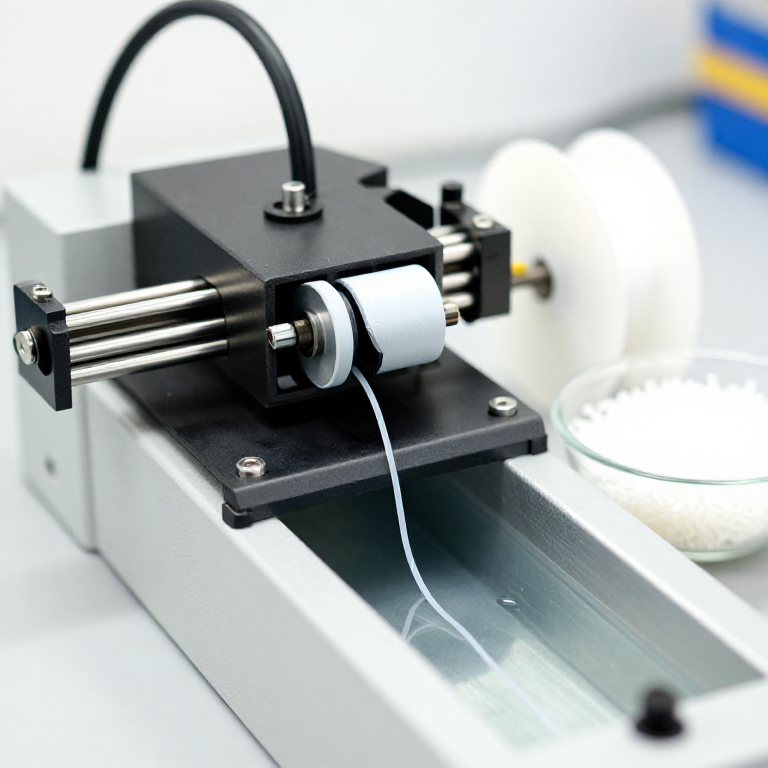

3D Printer Filament Extruded from Pellets
Filament is made the way a 3D printer prints, only continuously: dry plastic pellets fall from a hopper onto a turning screw inside a heated barrel, melt as they are carried forward, and are pushed out through a round nozzle. The strand is cooled in air or a water bath, drawn by a puller at a steady speed so it keeps its diameter, and wound on a spool. Commercial 1.75 mm filament is typically held to about ±0.02 mm; a small line should be measured.
PETG and many other plastics take up moisture, which makes bubbles and weak prints: makers dry PETG at about 55–70 °C for 5–8 hours, depending on the resin. Melt temperatures follow the resin's datasheet; PETG is usually printed at about 230–260 °C.
Àárín
A day per few kilograms
Ìlànà
1
1
Dry the pellets
Dry the pellets
Dry the pellets in a dryer as the resin maker specifies; for PETG about 55–70 °C for 5–8 hours.
Àwọn ohun èlò fún ìgbésẹ̀ yìí:
 Àwọn kóró PETG2 kg
 Ìyẹ̀fun ṣíṣu tí ó ń bàjẹ́ (PLA)2 kg
 Àwọn kóró ABS2 kg
Àwọn irinṣẹ́ tí a nílò:
 Ẹ̀rọ ìgbẹ kóró
 Òṣùwọ̀n Díjítà Ilé Ìdáná
2
2
Heat the barrel
Heat the barrel
Set the barrel's heating zones to rise from the hopper end to the nozzle within the resin's datasheet range and let them settle.
Àwọn irinṣẹ́ tí a nílò:
 Agba Ẹ̀rọ Ìtújáde Onídìmú Kan
 Àpò ìfúnni pellet
3
3
Extrude
Extrude
Fill the hopper and start the screw slowly. Purge until the strand comes out clear of old material and bubbles.
Àwọn irinṣẹ́ tí a nílò:
Agba Ẹ̀rọ Ìtújáde Onídìmú KanÀpò ìfúnni pellet Ìbọ̀wọ́ Tí Ń Fara Da Ooru
 Gíláàsì ààbò
4
4
Cool and pull
Cool and pull
Lead the strand through a water bath or past the fan to the puller. Adjust the puller's speed: faster pulls the strand thinner, slower lets it swell.
Àwọn ohun èlò fún ìgbésẹ̀ yìí:
 Omi50 lítà
Àwọn irinṣẹ́ tí a nílò:
 Àgbá pilasitiki ńlá 100 l
 Àbẹ̀bẹ̀ àpótí (ìwọ̀n tí ó ń yípadà)
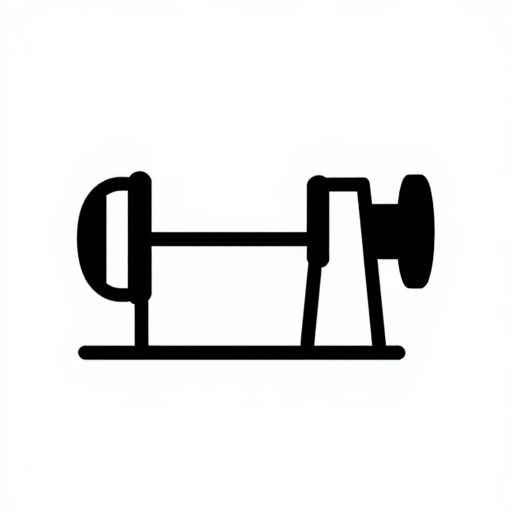 Ẹ̀rọ ìfà àti ìká okùn
5
5
Measure and wind
Measure and wind
Measure the diameter every few metres and wind the filament on a spool. Keep it sealed and dry.
Àwọn irinṣẹ́ tí a nílò:
 Òṣùwọ̀n Kálípà Díjítà Ìnṣì 6Ẹ̀rọ ìfà àti ìká okùnÒṣùwọ̀n Díjítà Ilé Ìdáná
6
6
Troubleshooting
Troubleshooting
Filament extrusion troubleshooting.
Flow
Loading...
Àwọn ohun-èlò
4- 2 kgÀyè
- 2 kgÀyè
- 50 lítàÀyè
Àwọn irinṣẹ́ tó nílò
10- Àyè
Ìtọ́nisọ́nà yìí ń ṣe



CC0 Àgbègbè Gbogbogbò
Blueprint yìí ti jáde lábẹ́ CC0. O lè ṣe àdàkọ, yí padà, pín, àti lò láìsí ìyọ̀ǹda.
Ṣàtìlẹ́yìn Olùṣẹ́dá nípa rírà àwọn ọjà nipasẹ̀ Blueprint wọn Ẹ̀san Olùṣẹ́dá tí àwọn Olùtajà gbé kalẹ̀, tàbí ṣẹ̀dá àtúnṣe tuntun ti Blueprint yìí kí o sì fi sínú Blueprint rẹ gẹ́gẹ́ bí ìsopọ̀ láti pín owó-wíwọlé.