IṢẸ́ ỌNÀ
ẸWÀ ÀTI ÌLERA
IṢẸ́ ỌWỌ́
ÀṢÀ ÀTI ÌTÀN
ÌṢERÉ
ÀYÍKÁ
OÚNJẸ ÀTI OHUN MÍMU
REVERSE ENGINEERING
SÁYẸ́ǸSÌ
ERÉ ÌDÁRAYÁ
ÌMỌ̀-Ẹ̀RỌ
ÀWỌN OHUN WÍWỌ̀
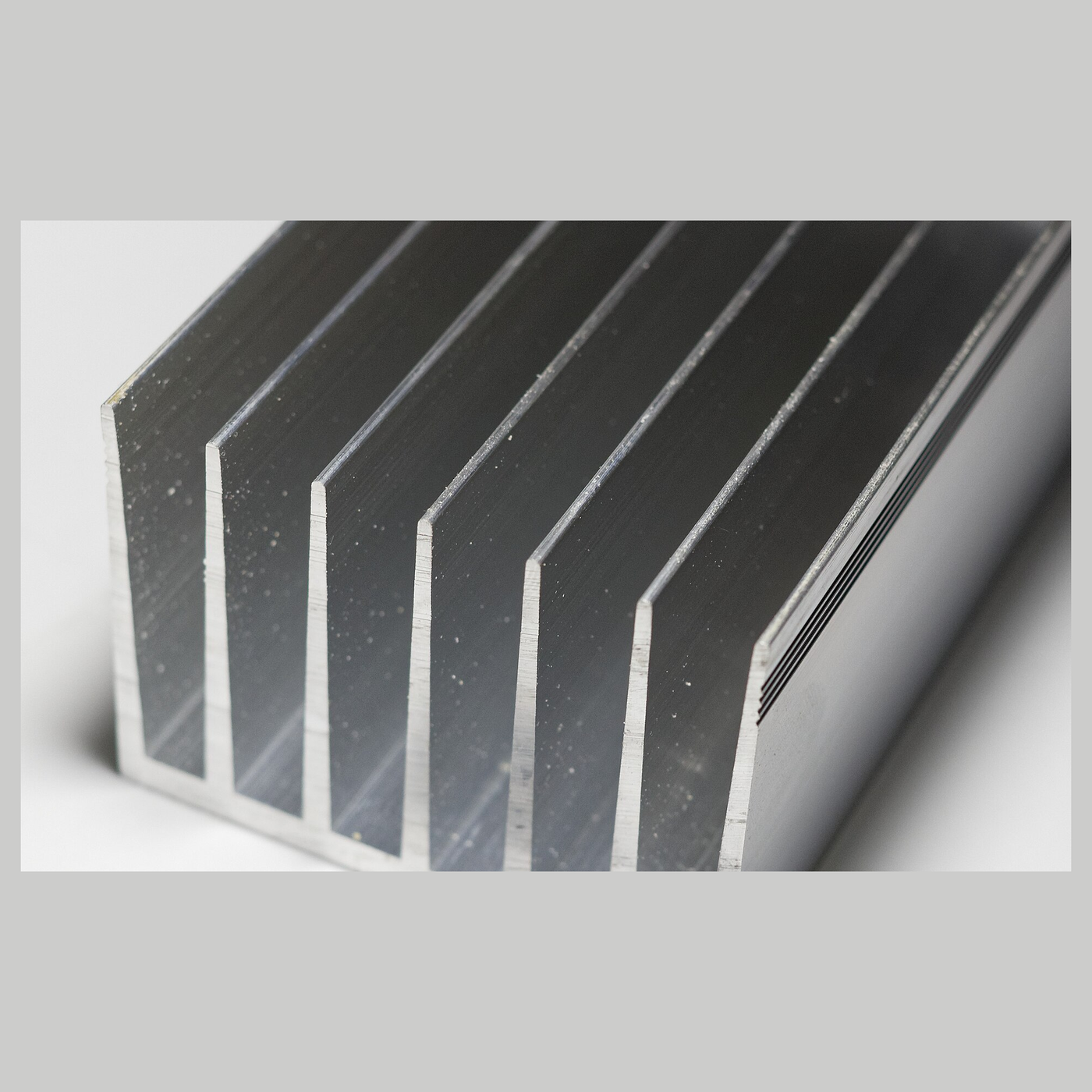

Fins and the Heat Sink: A Fin That Is Too Long Does Nothing
Every heat exchanger in this batch is limited by its gas side: air takes heat from a surface reluctantly. The answer is more surface — fins on a motorcycle cylinder, on a car radiator's tubes, on an air-conditioner's coil, on the aluminium block clipped to a computer chip.
But a fin is not free surface. Heat has to be conducted out along it, so its tip is cooler than its root, and past a certain length the extra metal does almost nothing. Fin efficiency is the idea that decides what fins are made of and how long they are.
This rung works out fin efficiency for four metals and two air speeds, then measures real heat sinks on a hot power resistor, with and without a fan, in kelvin per watt.
Olùbẹ̀rẹ̀
About 3 hours
Ìlànà
1
1
Fin efficiency, and where a fin stops helping
Fin efficiency, and where a fin stops helping
Ń ṣí ìwé Jupyter…
2
2
Measure thermal resistance in kelvin per watt
Measure thermal resistance in kelvin per watt
Take a 10 W power resistor. Run it from the bench power supply at a known power — for example 5 W: set the voltage to √(5 × R) — and read the current to confirm.
Tape a waterproof temperature probe to the resistor body and log its temperature until it stops rising, for four arrangements:
1. bare, lying on a wooden block;
2. clipped to a small heat sink with a thin layer of thermal paste;
3. on the largest heat sink in the assortment;
4. on the same large sink with a small fan blowing across it.
For each, **thermal resistance = (resistor temperature − air temperature) ÷ power**, in K/W. Expect the bare resistor to be many times worse than the fan-cooled sink. Try the large sink without paste: the rise shows how much a dry contact adds.
Àwọn ohun èlò fún ìgbésẹ̀ yìí:
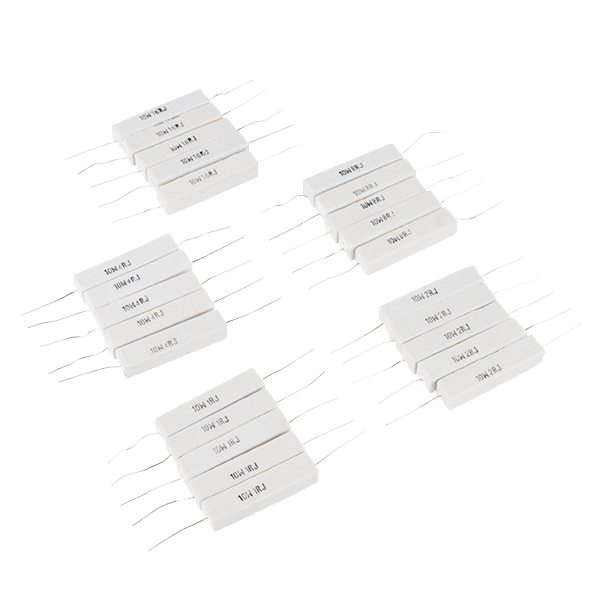 Power Resistor Kit - 10W (25 pack)1 àkópọ̀
 Àkójọ heat sink (aluminium)1 ìtò
 Ìdàpọ̀ ooru (Arctic Silver)1 ẹyọ
 Okùn Ìsopọ̀1 ìtò
Àwọn irinṣẹ́ tí a nílò:
 Orísun iná DC
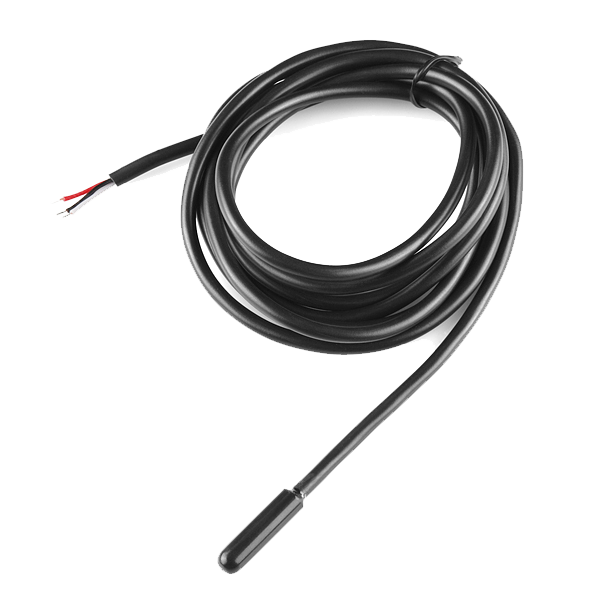 Temperature Sensor - Waterproof (DS18B20)
 Òǹwọ̀n ooru ilé ìdáná
 Ẹ̀rọ afẹ́fẹ́ ìtutù (PWM)
 Aago Ìdúró
3
3
Read a heat sink
Read a heat sink
Look at the heat sinks you just measured. The fins are short, closely spaced and made of aluminium — exactly what the notebook's tables recommend. Closer spacing adds surface, but in still air the fins' own warm boundary layers merge and choke each other; with a fan they can be closer. That is why sinks designed for fans have many thin fins, and passive sinks have fewer, wider-spaced ones, standing vertically so the warm air can rise out between them.
The thick base spreads the heat from a small hot component across all the fins. Where the source is far from the fins, a heat pipe (the previous rung) carries it there.
4
4
It still runs too hot: find out why
It still runs too hot: find out why
The usual reasons a component on a heat sink overheats, in order.
Flow
Loading...
5
5
Context
Context
A practice rung: extended surfaces appear in this catalogue on the steam engine's cylinder, the Seebeck thermocouple's cold junction and every air-cooled machine. The fin equation used in the notebook is standard heat-transfer theory.
**Honest limits of the numbers.** The convection coefficients are assumed round values; real ones depend on spacing, orientation and air speed, which is why step 2 measures rather than calculates. The fin model assumes a uniform coefficient and an insulated tip, both simplifications.
Àwọn ohun-èlò
4- 1 àkópọ̀$5.64
- Àkójọ heat sink (aluminium)ìdá 10%1 ìtòÀyè
- Àyè
- láti$1.60
Àwọn irinṣẹ́ tó nílò
5- $9.43
- Àyè
Àpapọ̀ Ìfojúsùn
Ohun tí ẹni tó ṣe é rà. Àwọn ohun èlò tí kò ní iye owó ni o máa rà níbi tí o bá ti rà á.
Blueprint tó jọra
Àwọn blueprint wọ̀nyí pín ìmọ̀ — ọ̀nà, ohun-èlò tàbí ìlànà
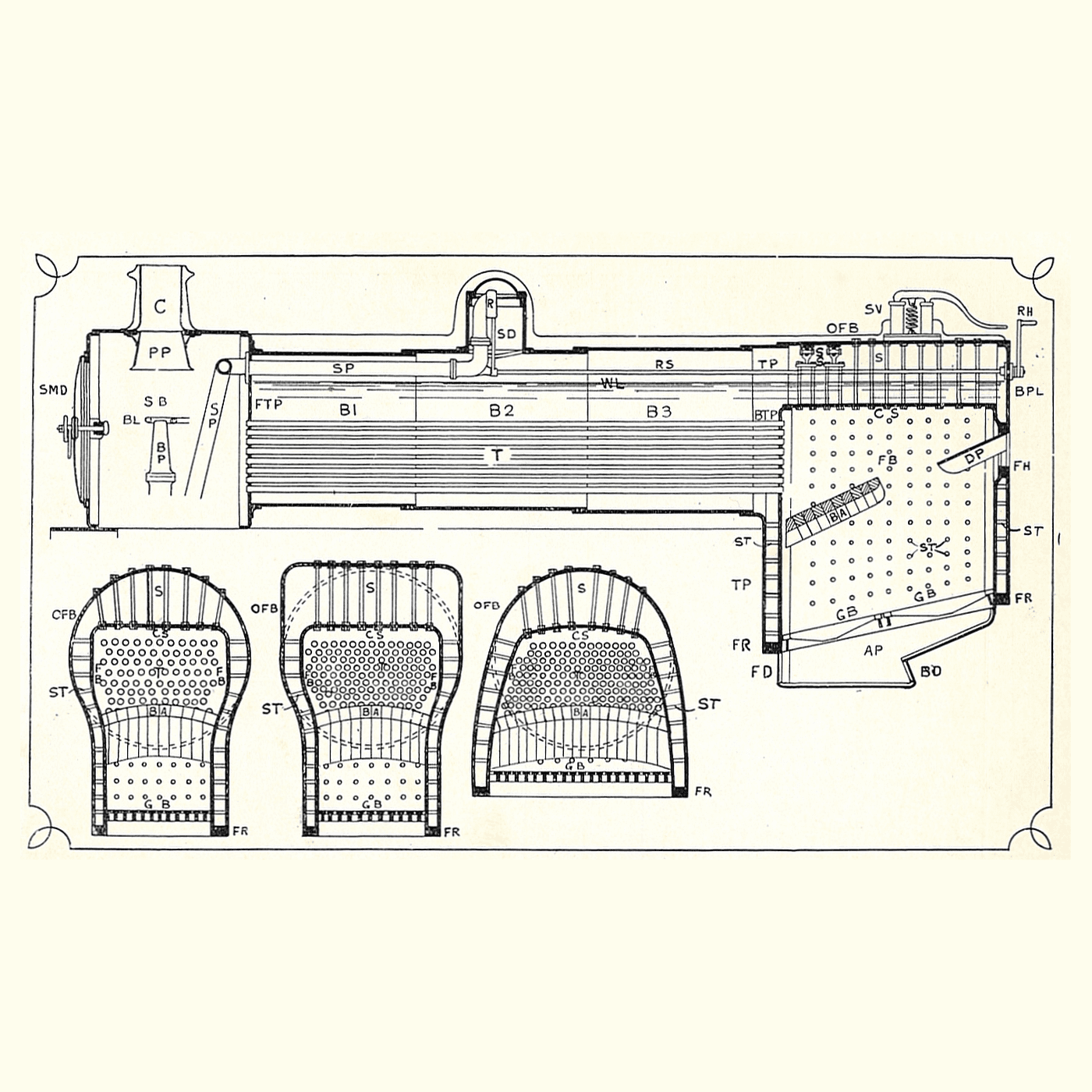
The Fire-Tube Boiler: Surface, Not Fire, Makes Steam
láti ọwọ́ Martin
Ìmọ̀ Ẹ̀rọ
12
0
0
0
0
0
The Radiator: Mostly Convection, and Why Temperature Is Everything
láti ọwọ́ Emma
Ìmọ̀ Ẹ̀rọ
5
0
0
0
0
0
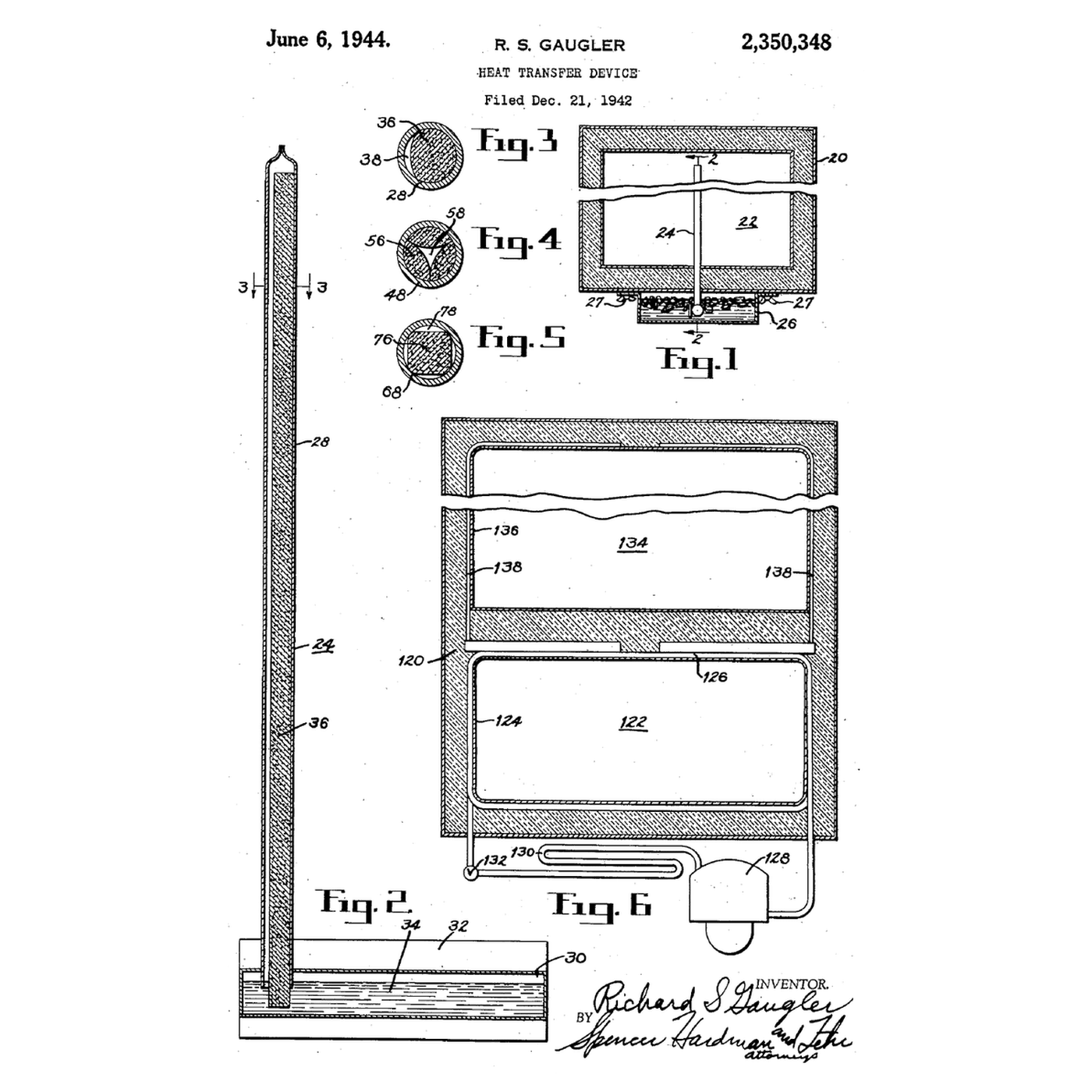
The Heat Pipe: Evaporation, Condensation and a Wick That Pumps
láti ọwọ́ Emma
Ìmọ̀ Ẹ̀rọ
13
0
0
0
0
0
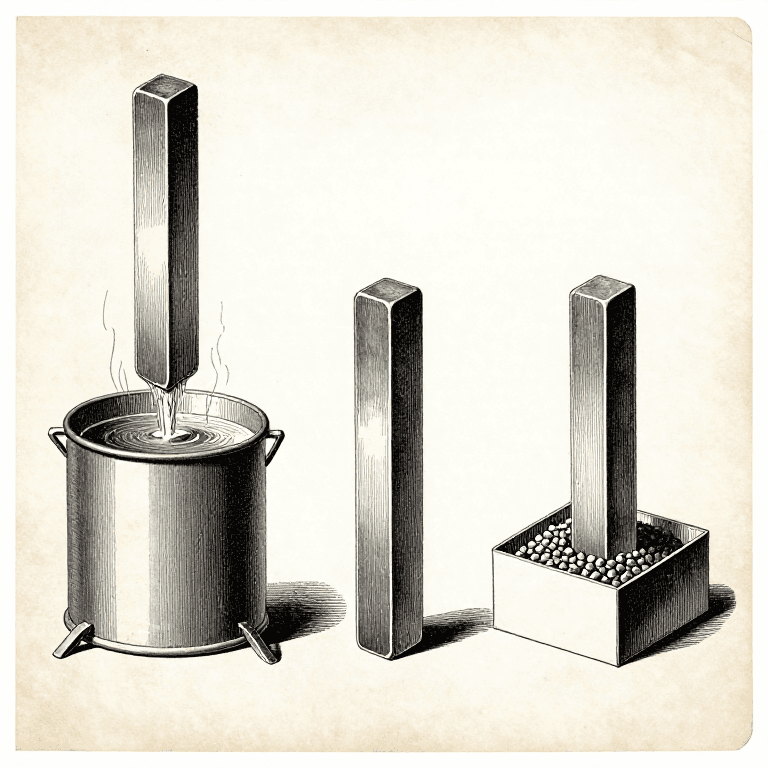
Cooling Is a Process Too: Still Air, Insulated, or Quenched
láti ọwọ́ Penny
Iṣẹ́ Irin
24
0
0
0
0
0
Seebeck Thermocouple
láti ọwọ́ Ed
ÌMỌ̀-Ẹ̀RỌ
35
0
0
0
0
0
CC0 Àgbègbè Gbogbogbò
Blueprint yìí ti jáde lábẹ́ CC0. O lè ṣe àdàkọ, yí padà, pín, àti lò láìsí ìyọ̀ǹda.
Ṣàtìlẹ́yìn Olùṣẹ́dá nípa rírà àwọn ọjà nipasẹ̀ Blueprint wọn Ẹ̀san Olùṣẹ́dá tí àwọn Olùtajà gbé kalẹ̀, tàbí ṣẹ̀dá àtúnṣe tuntun ti Blueprint yìí kí o sì fi sínú Blueprint rẹ gẹ́gẹ́ bí ìsopọ̀ láti pín owó-wíwọlé.