IṢẸ́ ỌNÀ
ẸWÀ ÀTI ÌLERA
IṢẸ́ ỌWỌ́
ÀṢÀ ÀTI ÌTÀN
ÌṢERÉ
ÀYÍKÁ
OÚNJẸ ÀTI OHUN MÍMU
REVERSE ENGINEERING
SÁYẸ́ǸSÌ
ERÉ ÌDÁRAYÁ
ÌMỌ̀-Ẹ̀RỌ
ÀWỌN OHUN WÍWỌ̀
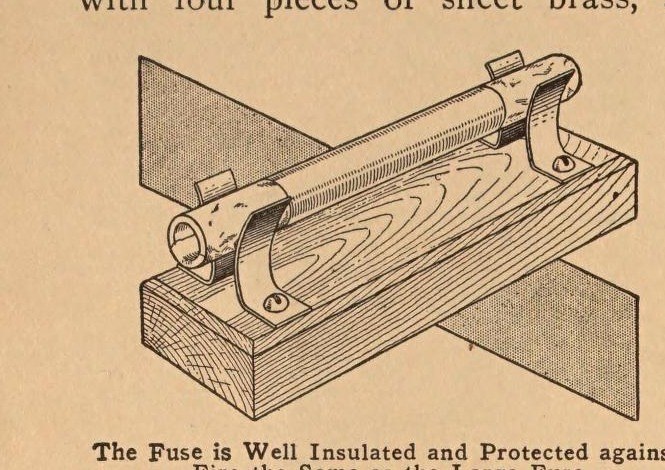


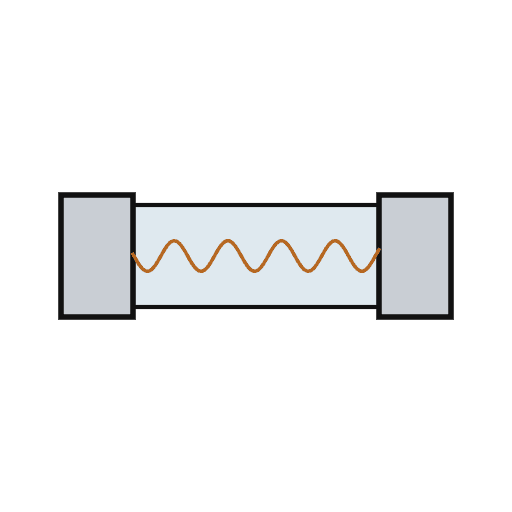
Fuse: a Tinfoil Fuse in a Glass Tube, with a Brass-Clip Block (Boy Mechanic, 1919)
A small cartridge fuse for battery circuits: a thin strip of tinfoil inside a short glass tube, its ends capped with pasted foil, held in spring clips of brass on a wooden block.
Variable: the strip's width, 1/8 in or less, to suit the current.
Source: The Boy Mechanic, Book 3 (1919), pp. 151-152. Picture: the book's sketch.
Olùbẹ̀rẹ̀
Unknown
Ìlànà
1
1
Make the clip block
Make the clip block
Shape four pieces of sheet brass and screw them to a wooden base so their upper ends form spring clamps that hold a glass tube about 1 in long (sketch). Wire the clamps into the circuit.
Àwọn ohun èlò fún ìgbésẹ̀ yìí:
 Pẹlẹbẹ Bronse1 four clips
 Ìṣù Igi Líle1 ẹyọ
 Ìṣó igi4 ẹyọ
Àwọn irinṣẹ́ tí a nílò:
 Ìlàǹkàn irin
 Ìfá Irin
 Ìlọ̀sí olójú pẹlẹbẹ
2
2
Make the fuse
Make the fuse
Cut a piece of glass tubing about 1 in long. Cut a very thin strip of tinfoil about 1 1/2 in long and 1/8 in or less wide, to suit the current. Lay it through the tube and bend its ends over the rim. Wrap a piece of tinfoil round each end, over the strip's ends, and paste it to the tube. Push the fuse into the clips.
Àwọn ohun èlò fún ìgbésẹ̀ yìí:
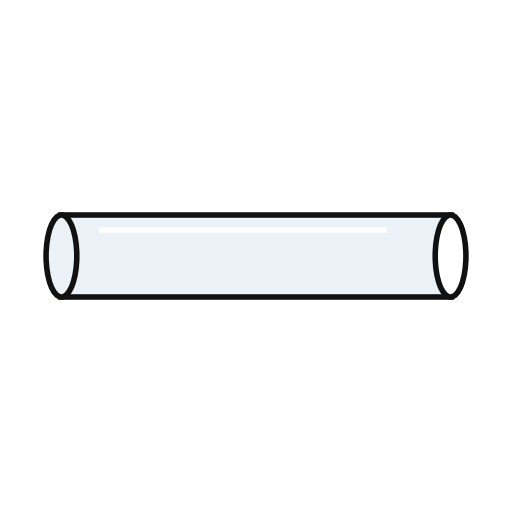 Ọpọ́n gíláàsì1 1 in
 Irin tí a kò mọ̀1 tinfoil
 Ìdí ìyẹ̀fun àlìkámà1 ẹyọ
Àwọn irinṣẹ́ tí a nílò:
 Ọ̀gọ̀ ìfẹ́ dígí orí tábìlìÌlàǹkàn irin
 Àwọn ìfọ̀wọ́ kékeré
Àwọn ohun-èlò
6- 1 four clipsÀyè
- 1 ẹyọÀyè
- 4 ẹyọÀyè
- 1 1 inÀyè
- 1 tinfoilÀyè
- 1 ẹyọÀyè
Àwọn irinṣẹ́ tó nílò
5- Àyè
- Àyè
Àwọn Ohun Èlò Ìtọ́nisọ́nà Tí A So Pọ̀

Ìtọ́nisọ́nà yìí ń ṣe
CC0 Àgbègbè Gbogbogbò
Blueprint yìí ti jáde lábẹ́ CC0. O lè ṣe àdàkọ, yí padà, pín, àti lò láìsí ìyọ̀ǹda.
Ṣàtìlẹ́yìn Olùṣẹ́dá nípa rírà àwọn ọjà nipasẹ̀ Blueprint wọn Ẹ̀san Olùṣẹ́dá tí àwọn Olùtajà gbé kalẹ̀, tàbí ṣẹ̀dá àtúnṣe tuntun ti Blueprint yìí kí o sì fi sínú Blueprint rẹ gẹ́gẹ́ bí ìsopọ̀ láti pín owó-wíwọlé.