IṢẸ́ ỌNÀ
ẸWÀ ÀTI ÌLERA
IṢẸ́ ỌWỌ́
ÀṢÀ ÀTI ÌTÀN
ÌṢERÉ
ÀYÍKÁ
OÚNJẸ ÀTI OHUN MÍMU
REVERSE ENGINEERING
SÁYẸ́ǸSÌ
ERÉ ÌDÁRAYÁ
ÌMỌ̀-Ẹ̀RỌ
ÀWỌN OHUN WÍWỌ̀
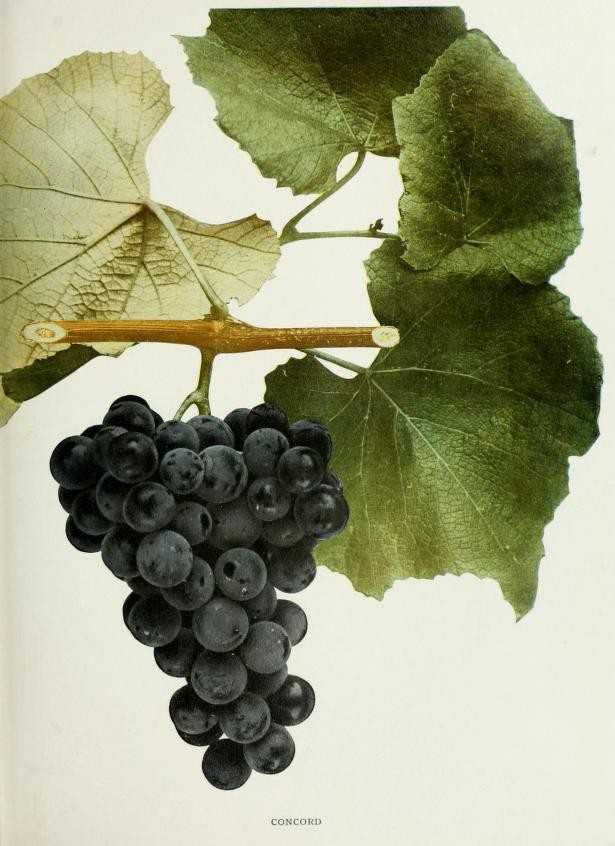


Grape Juice: Concord Grapes Heated, Pressed and Pasteurized Twice Below 180 F (USDA / New York Station, 1939)
Home grape juice by the New York State Experiment Station's method, as broadcast by the U.S. Department of Agriculture in 1939: ripe Concord grapes heated until the juice runs, pressed through a jelly bag, heated to 165-180 F (never above 180), jarred and pasteurized, then left 3 to 6 months so the gritty crystals settle, strained and pasteurized again.
Olùbẹ̀rẹ̀
About 4 months, two short sessions
Ìlànà
1
1
The temperatures in Celsius
The temperatures in Celsius
Ń ṣí ìwé Jupyter…
2
2
Read the 1939 leaflet
Read the 1939 leaflet
"Too much heat gives a cooked bitter flavor to the juice. Too little heat will not sterilize it for keeping."
3
3
Wash and stem
Wash and stem
Use fully ripe, sound, clean Concord or other slip-skin grapes. Wash and stem them.
Àwọn ohun èlò fún ìgbésẹ̀ yìí:
 Èso àjàrà1 as required
Àwọn irinṣẹ́ tí a nílò:
 Ajọ̀
4
4
Heat until the juice flows
Heat until the juice flows
Heat them in an aluminium or enamelware kettle until the juice flows easily and the colour of the skins spreads through the whole mass.
Àwọn irinṣẹ́ tí a nílò:
 Ìkòkò Ńlá
 Ṣíbí Igi
5
5
Press through a jelly bag
Press through a jelly bag
Press the juice through a jelly bag.
Àwọn irinṣẹ́ tí a nílò:
 Àpò ìsẹ́
 Ìgò ìwọ̀n
6
6
Heat to 165-180 F
Heat to 165-180 F
Heat the juice to simmering, between 165 and 180 F (74-82 C), never above 180 F. Use a thermometer.
Àwọn irinṣẹ́ tí a nílò:
Ìkòkò Ńlá Ẹ̀rọ Ìwọ̀n Ooru Ìdáná
7
7
Fill hot jars
Fill hot jars
Pour it hot into hot sterilized jars, leaving as little air space at the top as possible. Seal them.
Àwọn irinṣẹ́ tí a nílò:
 Ìgò ìtọ́jú oúnjẹ (Mason)
8
8
Pasteurize 20 minutes
Pasteurize 20 minutes
Pasteurize the sealed jars in a water bath for 20 minutes at simmering temperature.
Àwọn irinṣẹ́ tí a nílò:
 Ìkòkò ìdáàbò oúnjẹ nínú omi gbígbónáẸ̀rọ Ìwọ̀n Ooru Ìdáná
9
9
Store 3 to 6 months
Store 3 to 6 months
Put the jars away in a cool dark place for 3 to 6 months, so the tartrate crystals settle.
Àwọn irinṣẹ́ tí a nílò:
Ìgò ìtọ́jú oúnjẹ (Mason)10
10
Strain, sweeten, pasteurize again
Strain, sweeten, pasteurize again
Strain the juice off the particles at the bottom. Add sugar to taste if wanted, heat it once more and pasteurize it in sealed jars as before.
Àwọn ohun èlò fún ìgbésẹ̀ yìí:
 Ṣúgà funfun1 as required
Àwọn irinṣẹ́ tí a nílò:
Àpò ìsẹ́Ìkòkò ŃláẸ̀rọ Ìwọ̀n Ooru ÌdánáÌgò ìtọ́jú oúnjẹ (Mason)Ìkòkò ìdáàbò oúnjẹ nínú omi gbígbóná11
11
Troubleshooting
Troubleshooting
Grape juice problems and fixes.
Flow
Loading...
12
12
History and honest limits
History and honest limits
From the U.S. Department of Agriculture's radio script "Putting up apple and grape juice at home", Housekeepers' Chat, 2 September 1939, reporting the New York State Experiment Station's directions. It gives no batch size. These are 1939 directions: check current home-canning safety guidance for your jars and altitude as well. Ours: the Celsius figures.
Ìtọ́nisọ́nà yìí ń ṣe
Blueprint tó jọra
Àwọn blueprint wọ̀nyí pín ìmọ̀ — ọ̀nà, ohun-èlò tàbí ìlànà

CC0 Àgbègbè Gbogbogbò
Blueprint yìí ti jáde lábẹ́ CC0. O lè ṣe àdàkọ, yí padà, pín, àti lò láìsí ìyọ̀ǹda.
Ṣàtìlẹ́yìn Olùṣẹ́dá nípa rírà àwọn ọjà nipasẹ̀ Blueprint wọn Ẹ̀san Olùṣẹ́dá tí àwọn Olùtajà gbé kalẹ̀, tàbí ṣẹ̀dá àtúnṣe tuntun ti Blueprint yìí kí o sì fi sínú Blueprint rẹ gẹ́gẹ́ bí ìsopọ̀ láti pín owó-wíwọlé.