IṢẸ́ ỌNÀ
ẸWÀ ÀTI ÌLERA
IṢẸ́ ỌWỌ́
ÀṢÀ ÀTI ÌTÀN
ÌṢERÉ
ÀYÍKÁ
OÚNJẸ ÀTI OHUN MÍMU
REVERSE ENGINEERING
SÁYẸ́ǸSÌ
ERÉ ÌDÁRAYÁ
ÌMỌ̀-Ẹ̀RỌ
ÀWỌN OHUN WÍWỌ̀
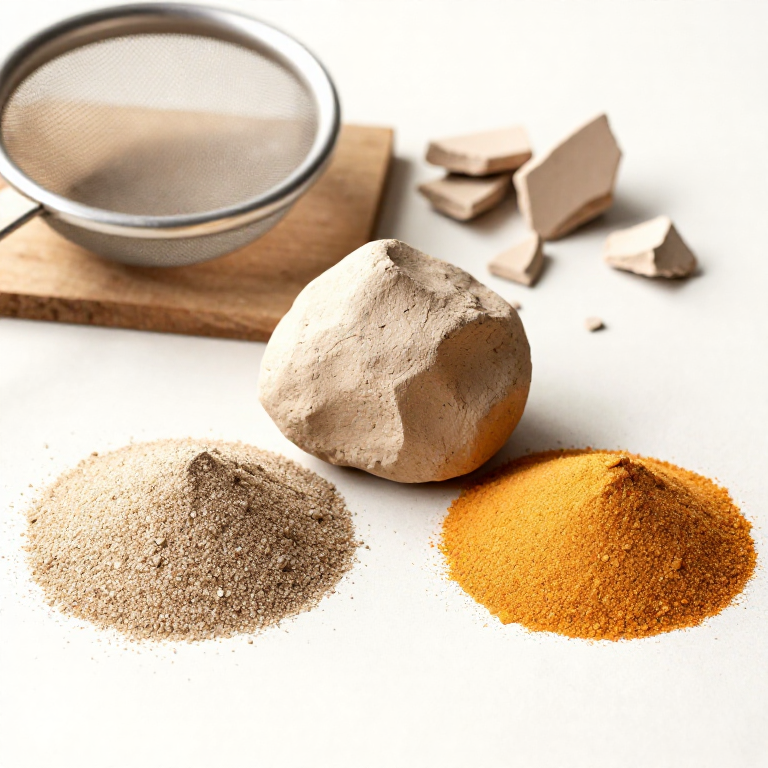
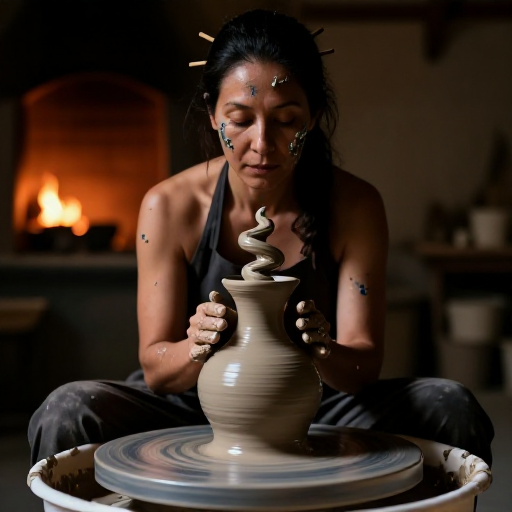

Grog from Fired Clay
Grog is clay that has already been fired and then crushed. Mixed into raw clay it opens the body, cuts shrinkage and cracking, and lets steam out as the piece dries and fires, which is why crucibles, kiln bricks and big pots are full of it. It is made by firing lumps of the same refractory clay, or by crushing broken unglazed pots.
Olùbẹ̀rẹ̀
A day, plus a kiln firing
Ìlànà
1
1
Make lumps
Make lumps
Wedge refractory clay into fist-sized lumps and let them dry completely.
Àwọn ohun èlò fún ìgbésẹ̀ yìí:
 Amọ̀ Tí Ń Fara Da Iná10 kg
 Omi1 lítà
Àwọn irinṣẹ́ tí a nílò:
 Ìgbá àdàpọ̀
2
2
Fire them
Fire them
Fire the dry lumps in the kiln, raising the heat slowly at first so they do not burst.
Àwọn irinṣẹ́ tí a nílò:
 Ìléru Ìsun
 Pirómítà
 Ohun èlò inú ààrò seramiki
3
3
Crush
Crush
Put the cold lumps in a sack and break them with the sledgehammer; finish small pieces in the mortar. Wear a dust mask and glasses.
Àwọn irinṣẹ́ tí a nílò:
 Àpò ọ̀gbọ̀ rẹ́gẹdẹ
 Òòlù ńlá
 Odó àti Ọmọ Odó
 Ìbòjú Eruku
 Gíláàsì ààbò
4
4
Sieve into sizes
Sieve into sizes
Sieve through the graded sieves and keep each size apart: coarse grog for bricks, fine grog for crucibles and thin pots. Re-crush what is too big.
Àwọn irinṣẹ́ tí a nílò:
 Àkójọ ajọ̀ (ihò onípele)Ìbòjú Eruku
5
5
Store dry
Store dry
Store each size in its own lidded bucket, labelled with the clay and firing it came from.
Àwọn irinṣẹ́ tí a nílò:
 Garawa irin pẹ̀lú ìbò
Àwọn irinṣẹ́ tó nílò
11- Àyè
- Àyè
- Àyè
- Àyè
- Àyè
- Àyè
Ìtọ́nisọ́nà yìí ń ṣe
Blueprint tó jọra
Àwọn blueprint wọ̀nyí pín ìmọ̀ — ọ̀nà, ohun-èlò tàbí ìlànà
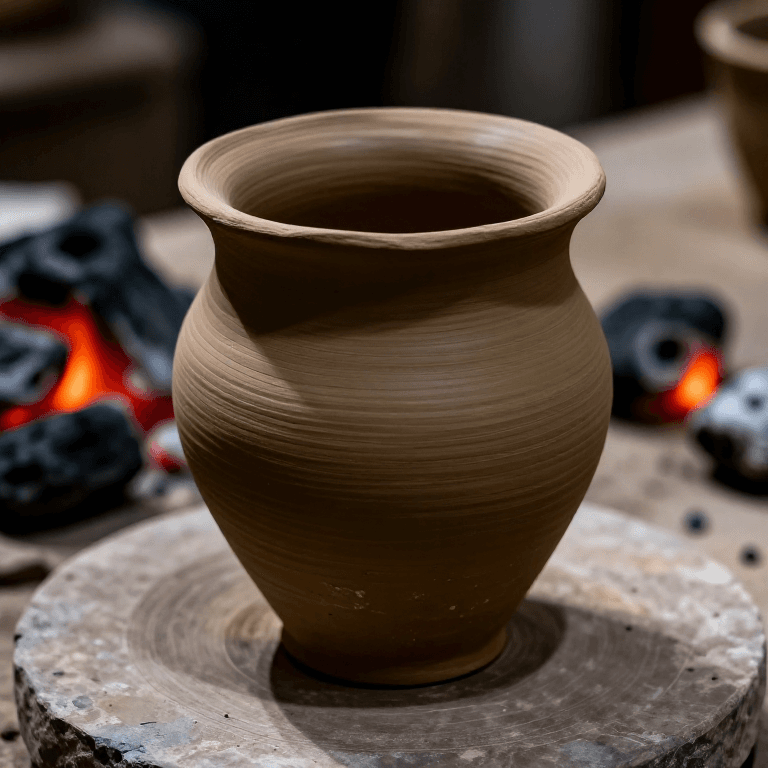

CC0 Àgbègbè Gbogbogbò
Blueprint yìí ti jáde lábẹ́ CC0. O lè ṣe àdàkọ, yí padà, pín, àti lò láìsí ìyọ̀ǹda.
Ṣàtìlẹ́yìn Olùṣẹ́dá nípa rírà àwọn ọjà nipasẹ̀ Blueprint wọn Ẹ̀san Olùṣẹ́dá tí àwọn Olùtajà gbé kalẹ̀, tàbí ṣẹ̀dá àtúnṣe tuntun ti Blueprint yìí kí o sì fi sínú Blueprint rẹ gẹ́gẹ́ bí ìsopọ̀ láti pín owó-wíwọlé.