IṢẸ́ ỌNÀ
ẸWÀ ÀTI ÌLERA
IṢẸ́ ỌWỌ́
ÀṢÀ ÀTI ÌTÀN
ÌṢERÉ
ÀYÍKÁ
OÚNJẸ ÀTI OHUN MÍMU
REVERSE ENGINEERING
SÁYẸ́ǸSÌ
ERÉ ÌDÁRAYÁ
ÌMỌ̀-Ẹ̀RỌ
ÀWỌN OHUN WÍWỌ̀
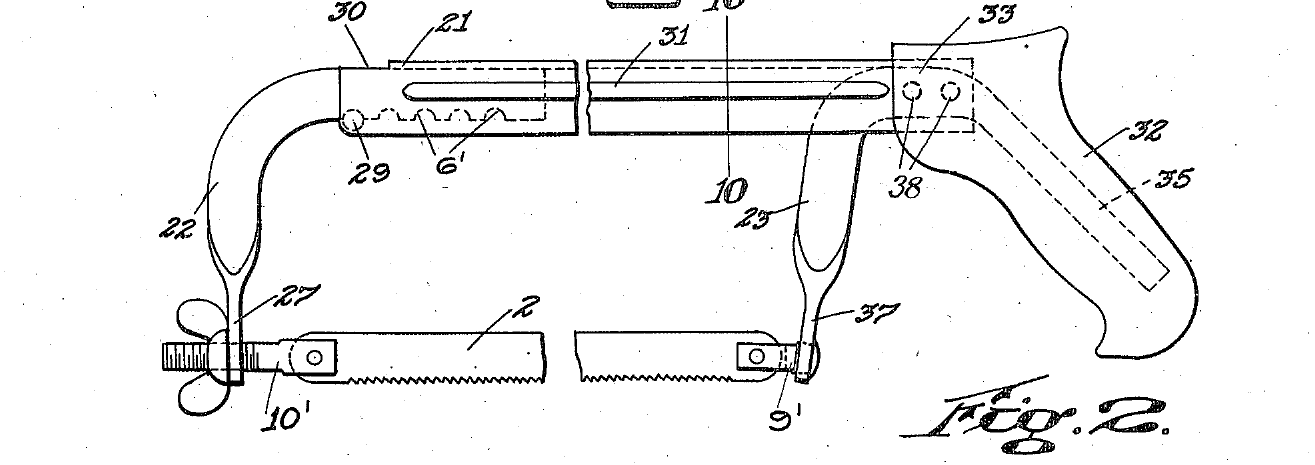


Hacksaw: Bent and Flattened Frame, Bi-Metal Blade
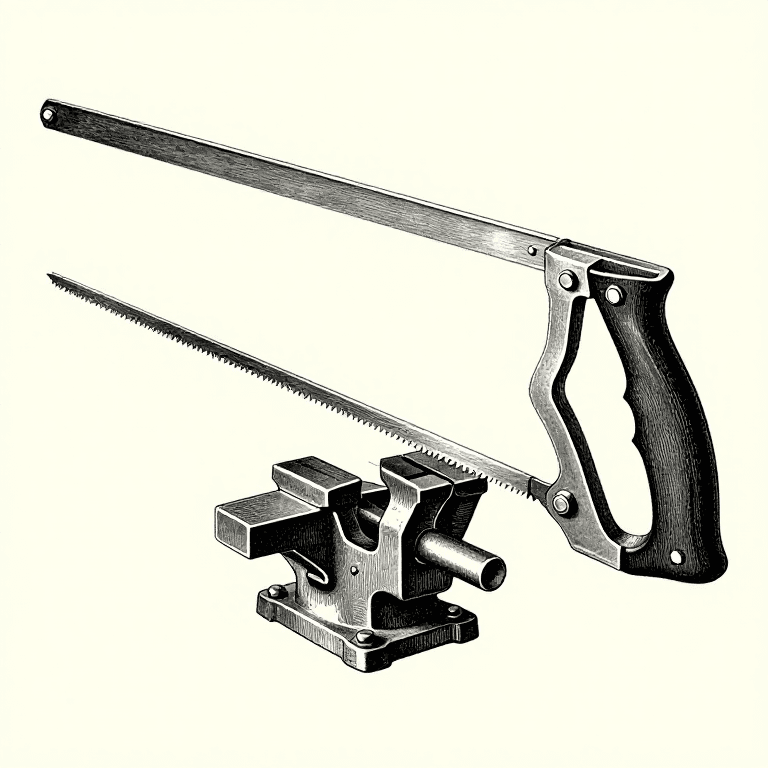
A hacksaw is a C-shaped frame holding a narrow blade under tension from a screw. In a 1936 patented frame, each upright is made from a piece of wire rod, bent to shape and then pressed, rolled or hammered flat, with its end flattened at right angles to carry the blade, and the uprights are held in a channel-section top member. Bi-metal blades, patented in 1976, start as a metal block with a central strip of cutting tool steel; it is rolled flat into a sheet, the sheet is divided into two blades whose edges are the tool steel, the teeth are cut in that edge, and the blades are hardened by heating, quenching and tempering. The teeth are given a wavy set.
Ilọsíwájú
Factory process
Ìlànà
1
1
Bend and flatten the uprights
Bend and flatten the uprights
Bend a piece of wire rod to the upright's shape, then press, roll or hammer its horizontal part and most of its upright part flat; flatten the end at right angles to take the blade.
Àwọn ohun èlò fún ìgbésẹ̀ yìí:
 Ìyípo ọ̀pá wáyà irin líle1 as required
Àwọn irinṣẹ́ tí a nílò:
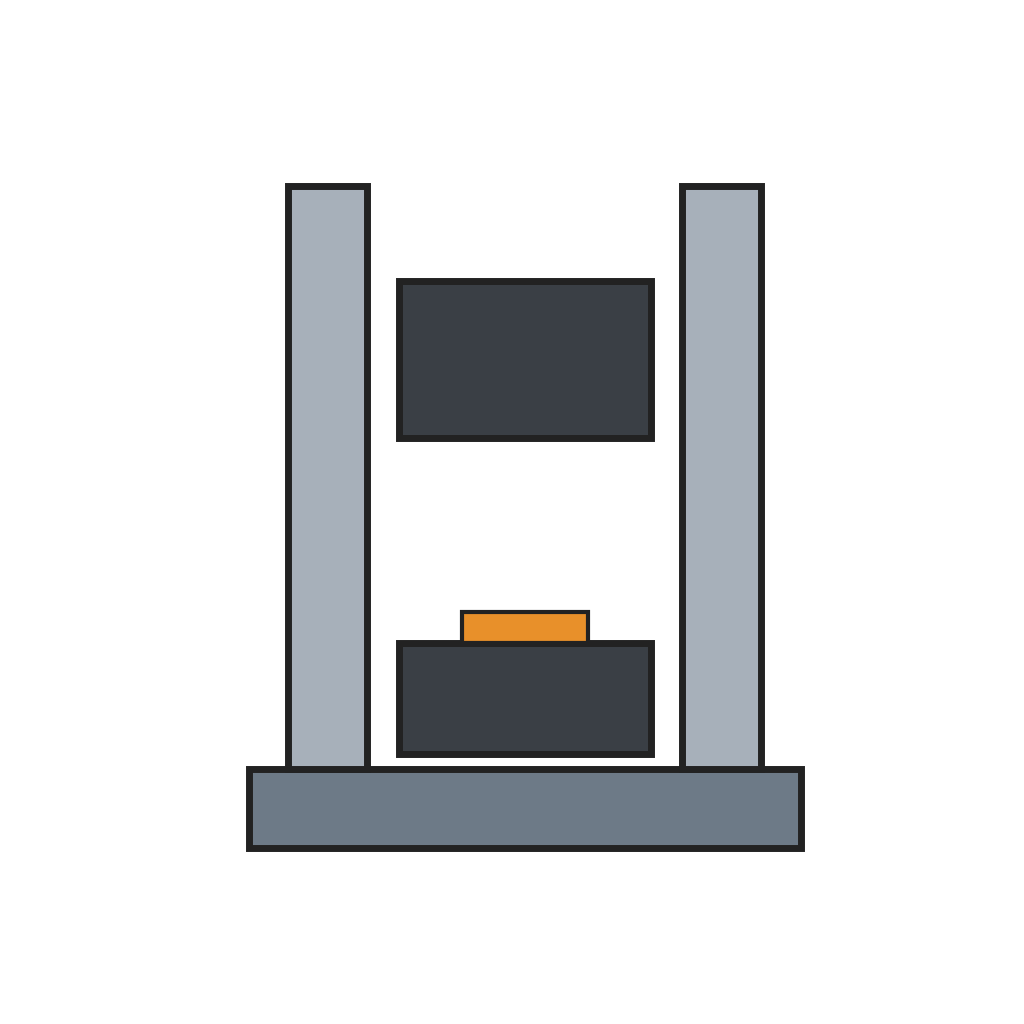 Òòlù ìjánilẹ̀ pẹ̀lú àwòṣe ìrọ
2
2
Assemble the frame
Assemble the frame
Fit the uprights into the channel-section top member and fit the tensioning screw.
Àwọn ohun èlò fún ìgbésẹ̀ yìí:
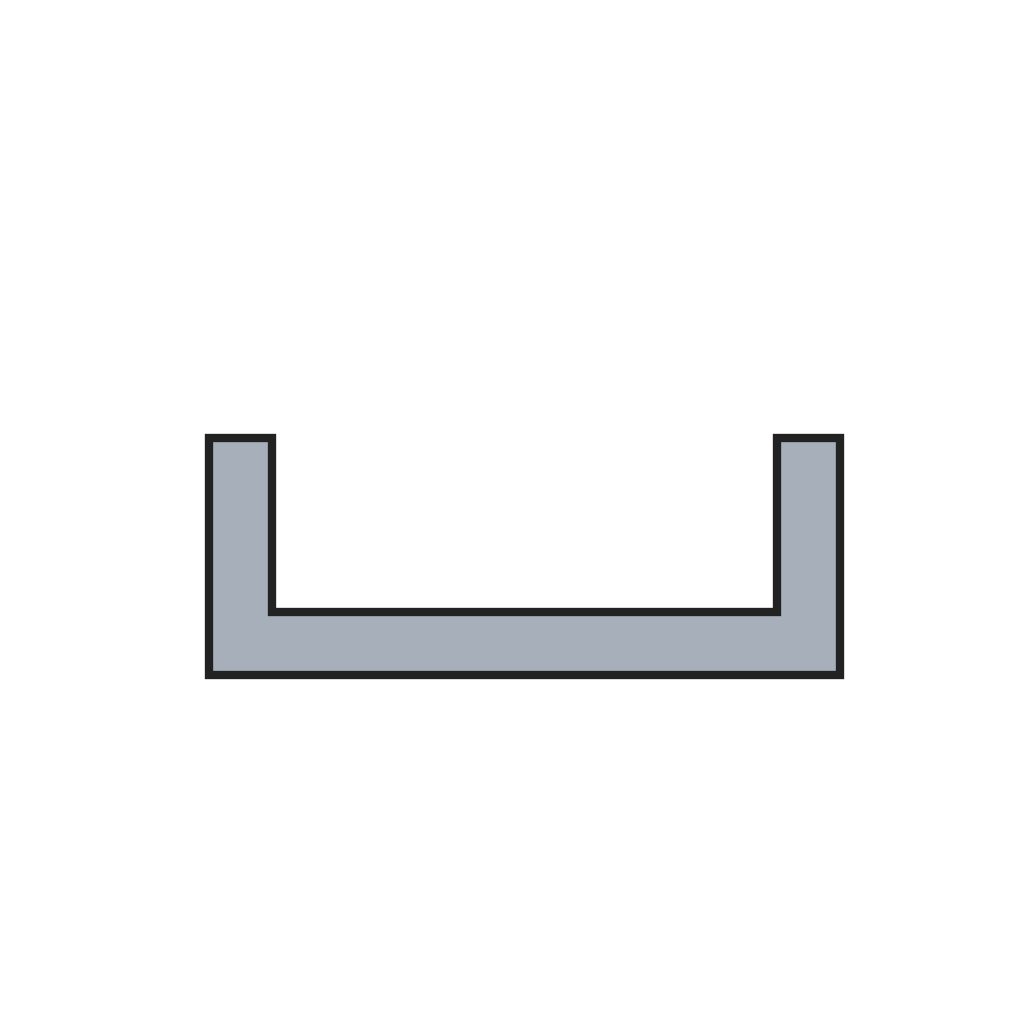 Ọ̀já irin líle onírísí U1 ẹyọ
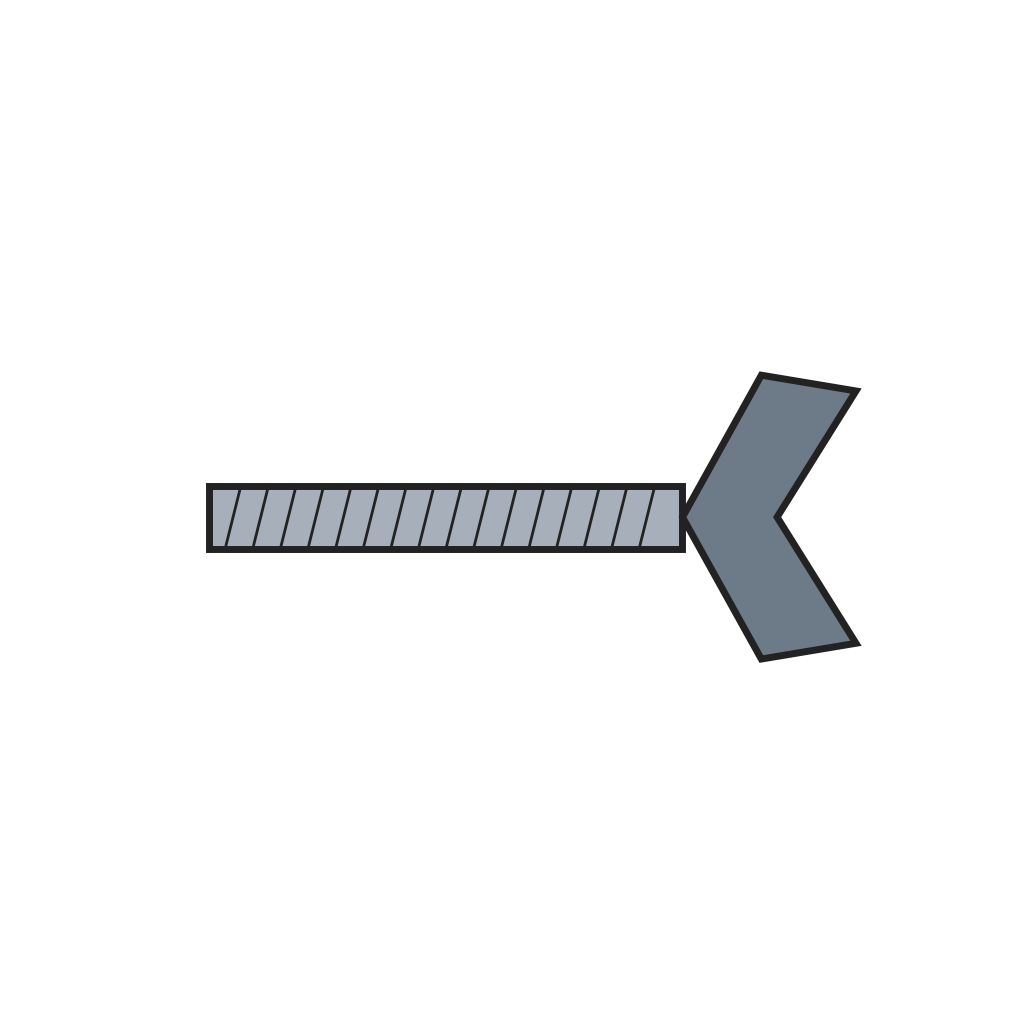 Skúrù ìfà-le pẹ̀lú nọ́ọ̀tì oníyẹ́1 ẹyọ
3
3
Make the blade stock
Make the blade stock
Roll a block with a central strip of tool steel flat into a sheet, and divide it into two blades with the tool steel along one edge.
Àwọn ohun èlò fún ìgbésẹ̀ yìí:
 Ọ̀pá yíká irin ìyára gíga1 as required
 Ọ̀já irin líle oníkábọ́ọ̀nù1 as required
Àwọn irinṣẹ́ tí a nílò:
 Ẹ̀rọ ìtẹ̀ irin
4
4
Cut and harden the teeth
Cut and harden the teeth
Cut the teeth in the tool-steel edge, set them in a wave, and harden the blades by heating, quenching and tempering.
Àwọn irinṣẹ́ tí a nílò:
 Ẹ̀rọ ìgé eyín ayùn
 Ìléru ìmúle àti àtúnṣe ọ̀já
Àwọn ohun-èlò
5- 1 as requiredÀyè
- Àyè
- 1 as requiredÀyè
- 1 as requiredÀyè
Àwọn irinṣẹ́ tó nílò
4Ìtọ́nisọ́nà yìí ń ṣe

Blueprint tó jọra
Àwọn blueprint wọ̀nyí pín ìmọ̀ — ọ̀nà, ohun-èlò tàbí ìlànà

CC0 Àgbègbè Gbogbogbò
Blueprint yìí ti jáde lábẹ́ CC0. O lè ṣe àdàkọ, yí padà, pín, àti lò láìsí ìyọ̀ǹda.
Ṣàtìlẹ́yìn Olùṣẹ́dá nípa rírà àwọn ọjà nipasẹ̀ Blueprint wọn Ẹ̀san Olùṣẹ́dá tí àwọn Olùtajà gbé kalẹ̀, tàbí ṣẹ̀dá àtúnṣe tuntun ti Blueprint yìí kí o sì fi sínú Blueprint rẹ gẹ́gẹ́ bí ìsopọ̀ láti pín owó-wíwọlé.