
IṢẸ́ ỌNÀ
ẸWÀ ÀTI ÌLERA
IṢẸ́ ỌWỌ́
ÀṢÀ ÀTI ÌTÀN
ÌṢERÉ
ÀYÍKÁ
OÚNJẸ ÀTI OHUN MÍMU
REVERSE ENGINEERING
SÁYẸ́ǸSÌ
ERÉ ÌDÁRAYÁ
ÌMỌ̀-Ẹ̀RỌ
ÀWỌN OHUN WÍWỌ̀
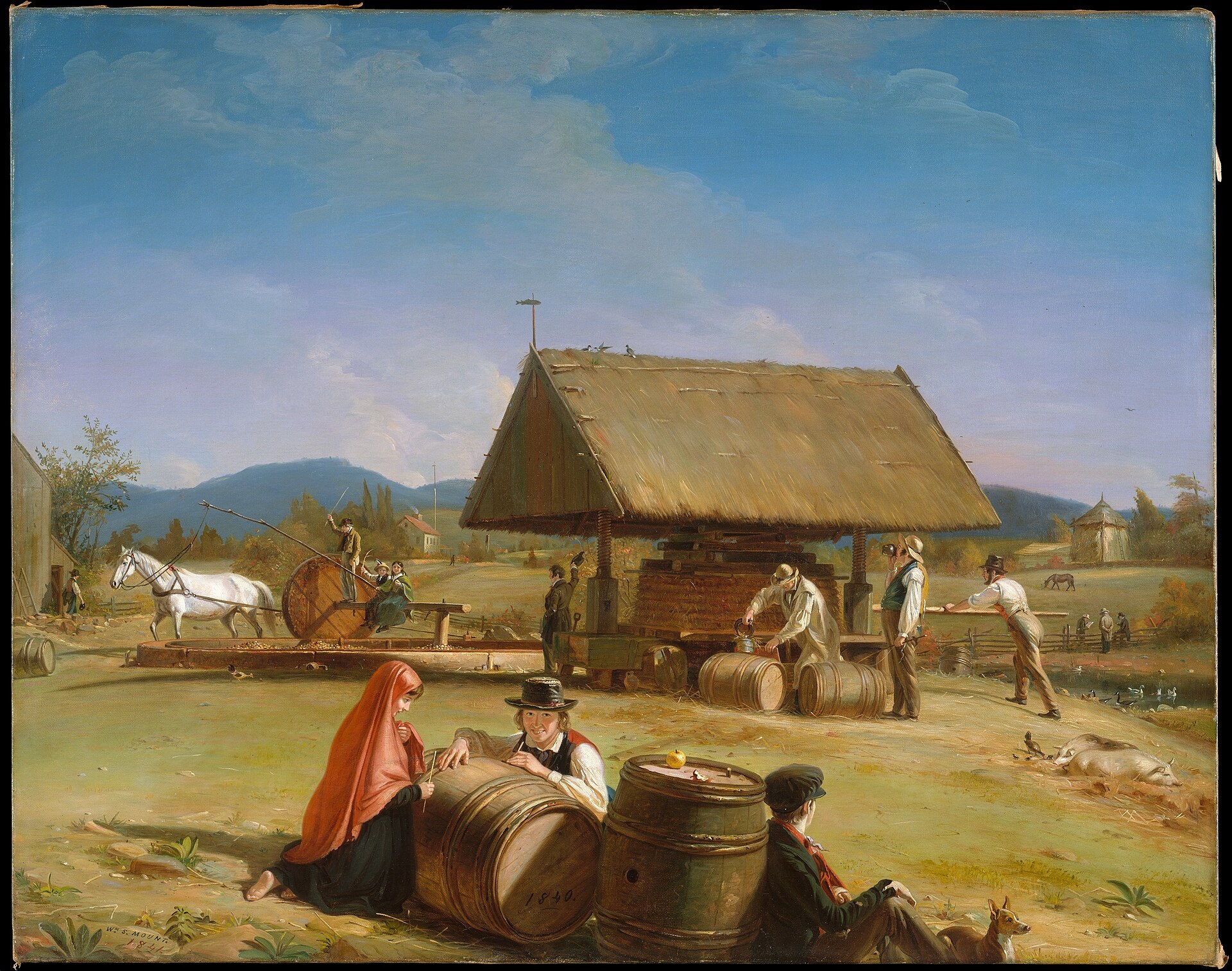
Hard Cider: Fresh Juice, a Pure Yeast Starter and a Cool Cellar (Alwood, USDA 1909)
Alchometer

Ṣẹ́dá nipasẹ̀

Alchometer

18. Oṣù Kọkànlá 2026GB
3
0
0
0
0

Hard Cider: Fresh Juice, a Pure Yeast Starter and a Cool Cellar (Alwood, USDA 1909)

William B. Alwood's cider for farm use, from the U.S. Department of Agriculture's Bulletin 129 (1909): juice straight from the press into clean casks, a pure yeast culture started three days before, a vent on the bung instead of a cotton plug, a cool cellar, one racking once the cider is bright, and bottling in June. He wrote that the results "establish clearly a method which any person of ordinary means can use".
Àárín
About 8 months

Ìlànà

1

His measures and gravities

Ń ṣí ìwé Jupyter…
2

Read Alwood

"The following notes give in detail the operation of making cider in the simplest possible manner after cold weather begins ... The work was intended to approximate as closely as possible the conditions under which a farmer might ferment his cider for family use." (Bulletin 129, p. 10.)
3

Press the juice

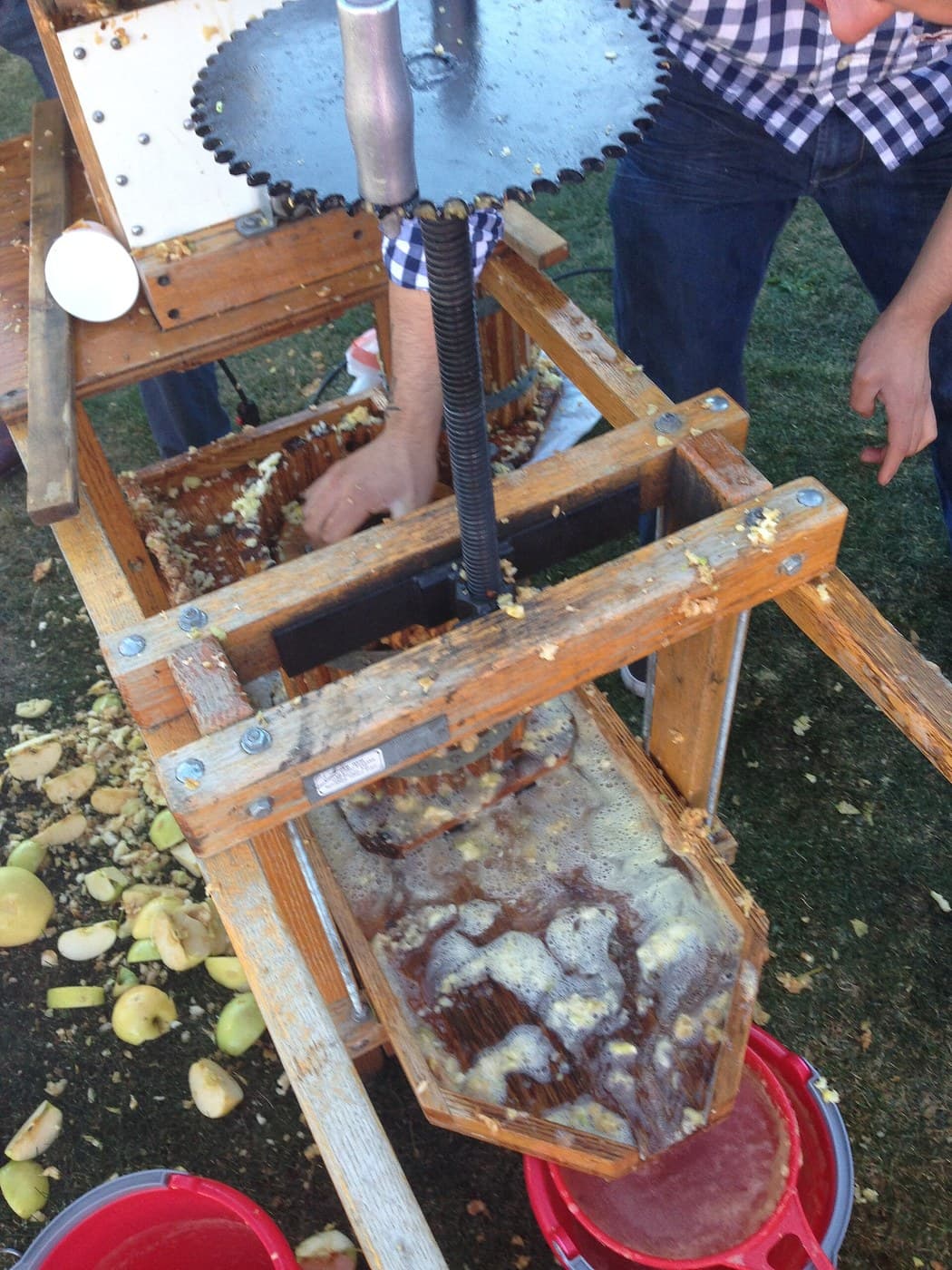
Alwood crushed and pressed 60 bushels of Winesap apples, "of a grade called unmerchantable, but ... not rotten nor soiled". His juice read 1.055 (13.6 Brix).
4

Prepare the casks

Steam each cask for twenty minutes, rinse with clean water and drain. Pour in one-half pint of 90 per cent alcohol, bung it tight, and leave it two weeks before use.

Àwọn irinṣẹ́ tí a nílò:

Àgbá igiÀgbá igi
Bọ́ìlà èéfín omiBọ́ìlà èéfín omi
OmiOmi
Ethanol - ìpele ilé-ìwádìí, 95 %Ethanol - ìpele ilé-ìwádìí, 95 %
Wooden BungWooden Bung
5

Start the yeast

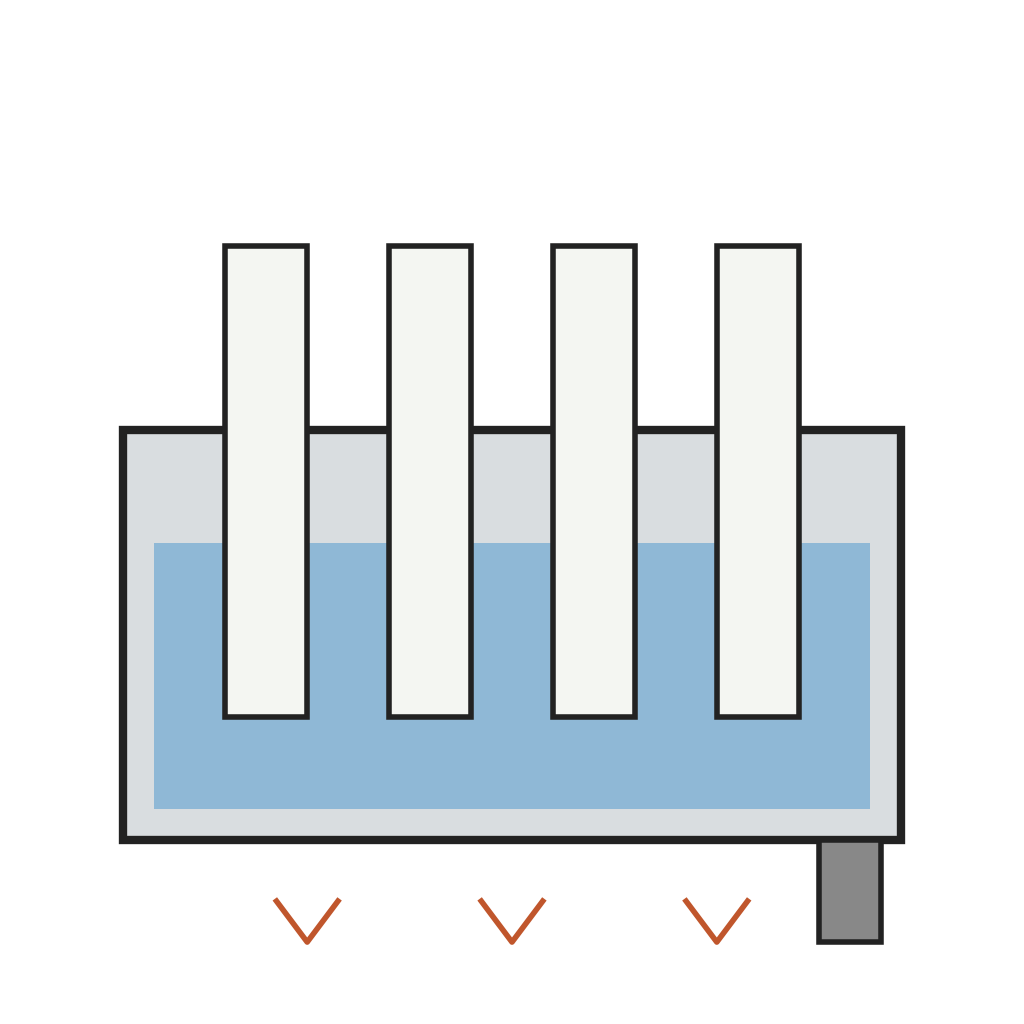
Three days before pressing, boil 400 ml of apple juice in a flask in a water bath for fifteen minutes. Cool it and sow it with a pure wine yeast. It should be in full fermentation when used.

Àwọn ohun èlò fún ìgbésẹ̀ yìí:

Omi èso ápù fífúnOmi èso ápù fífún0.4 lítà
Ìwúkàrà wáìnìÌwúkàrà wáìnì1 ẹyọ

Àwọn irinṣẹ́ tí a nílò:
Ìgò ErlenmeyerÌgò Erlenmeyer
Ìwẹ̀ OmiÌwẹ̀ Omi
6

Fill and pitch

Fill the casks straight from the press; do not sulphur them. Add the yeast culture at once. Read the gravity: his was 1.055.

Àwọn ohun èlò fún ìgbésẹ̀ yìí:

Omi èso ápù fífúnOmi èso ápù fífún189 lítà

Àwọn irinṣẹ́ tí a nílò:

Àgbá igiÀgbá igi
Òǹwọ̀n ìwúwo omiÒǹwọ̀n ìwúwo omi
7

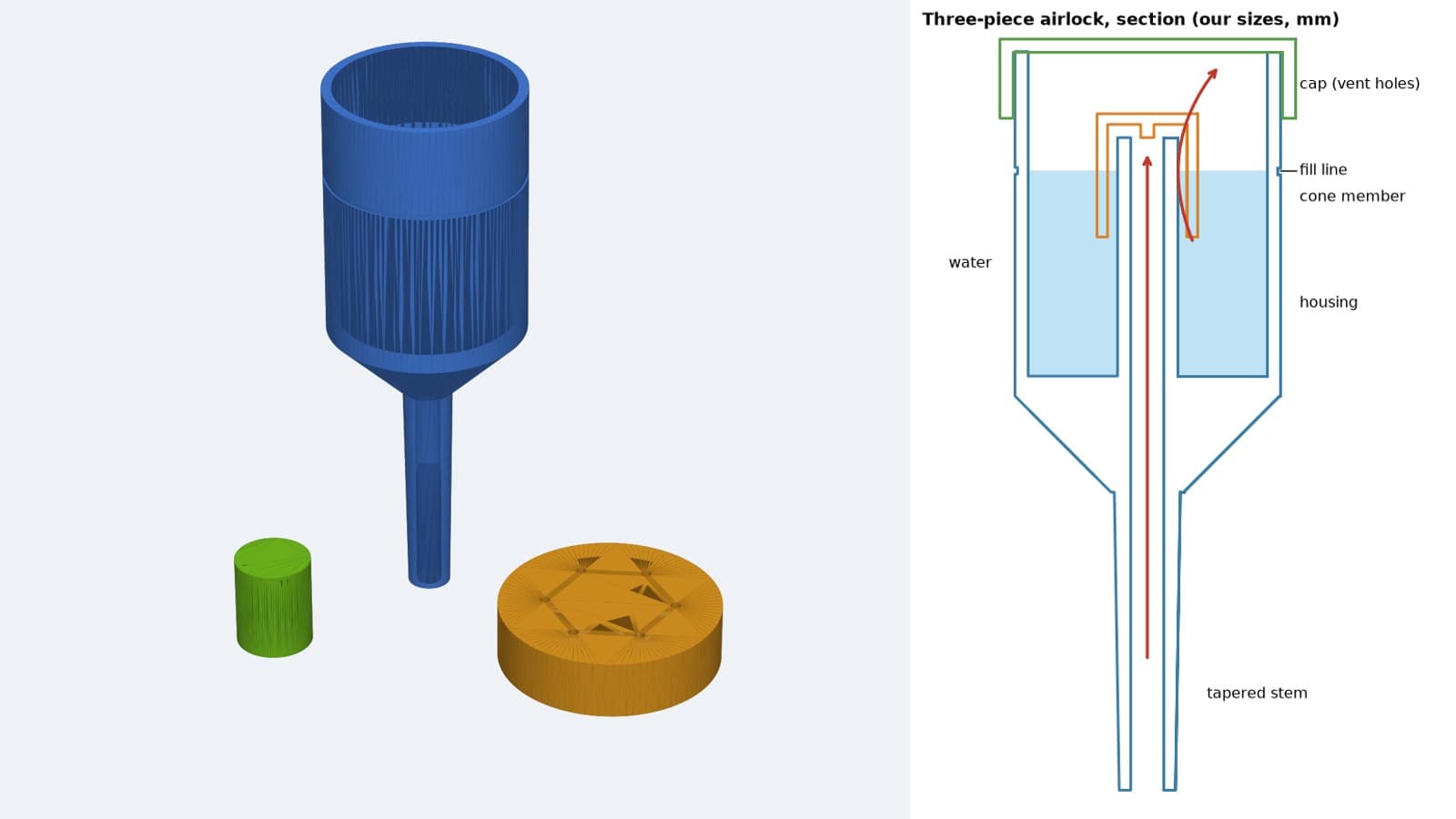
Fit the vent

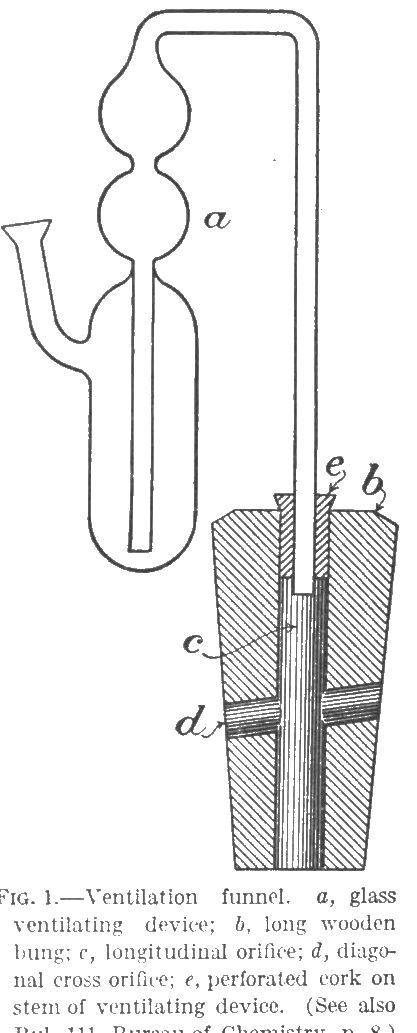
Do not plug with cotton: "if the cotton becomes the least bit damp, malferments readily find entrance". Put a vent funnel on a perforated cork in a long wooden bung, as his Fig. 1.
Ìgbésẹ̀ 7 - Image 1

Àwọn irinṣẹ́ tí a nílò:

Ìdí afẹ́fẹ́ ìwúkàràÌdí afẹ́fẹ́ ìwúkàrà
Wooden BungWooden Bung
Àwọn kọ́ọ̀kìÀwọn kọ́ọ̀kì
8

Keep it cool

His cold storeroom stopped the fermentation; he moved the casks to a cellar at 13 to 14 °C. Through the winter he held the cellar at 11 to 14 °C. Check it with a thermometer.

Àwọn irinṣẹ́ tí a nílò:

Ẹ̀rọ Ìwọ̀n OoruẸ̀rọ Ìwọ̀n Ooru
9

Follow the gravity

Read the gravity every few weeks. His cask No. 3 went from 1.055 in October to 1.018 by 10 January.

Àwọn irinṣẹ́ tí a nílò:

Òǹwọ̀n ìwúwo omiÒǹwọ̀n ìwúwo omi
Ẹ̀rọ Ìwọ̀n OoruẸ̀rọ Ìwọ̀n Ooru
10

Rack when bright

Wait until the cider is "practically bright and free from sediment" (his: 13 January, at 10 °C). Wash fresh casks with warm water and burn one-third of a sulphur match in each; pour the cider in on the fumes.

Àwọn irinṣẹ́ tí a nílò:

Àgbá igiÀgbá igi
OmiOmi
Sulphur MatchSulphur Match
11

Draw off the dregs

Draw the cider down to within 1 inch (2.5 cm) of the bottom, through a funnel covered with a thin woven towel. Ours: with a siphon. About 2 quarts (1.9 litres) of dregs stayed in his cask.

Àwọn irinṣẹ́ tí a nílò:

Tọ́ọ̀bù ìfàjádeTọ́ọ̀bù ìfàjáde

Fọ́nẹ̀lì ilé ìdánáFọ́nẹ̀lì ilé ìdáná
Ìnura òwú fún ojúÌnura òwú fún ojú
12

Keep the casks full

Top each cask up with cider of the same pressing. With the cask entirely full, a long bung bored crosswise under the vent funnel lets the gas out.

Àwọn irinṣẹ́ tí a nílò:

Wooden BungWooden Bung
Ìdí afẹ́fẹ́ ìwúkàràÌdí afẹ́fẹ́ ìwúkàrà
13

Bottle in June

His final bottling was 25 June, at 1.006. Draw it into pint champagne bottles, cork them and tie the corks down. Use champagne bottles only: his unfiltered bottles opened "with high pressure".

Àwọn ohun èlò fún ìgbésẹ̀ yìí:

Champagne BottleChampagne Bottle1 ẹyọ
Àwọn kọ́ọ̀kìÀwọn kọ́ọ̀kì1 ẹyọ

Àwọn irinṣẹ́ tí a nílò:

Tọ́ọ̀bù ìfàjádeTọ́ọ̀bù ìfàjáde
Okùn ÒwúOkùn Òwú
14

Troubleshooting

What went wrong in Alwood's casks, and the fix.

Flow

Loading...
15

History and honest limits

**William B. Alwood**, *Enological Studies. I. Experiments in Cider Making Applicable to Farm Conditions*, USDA Bureau of Chemistry Bulletin No. 129 (1909), under H. W. Wiley. He filled three 50-gallon whisky barrels on 23 October 1907: No. 1 left to natural fermentation, No. 2 with yeast No. 73 (Sauternes), No. 3 with yeast No. 161 (Ahrweiler). He called No. 3 the "Finest cider ever handled here", and found the total acid "about right for a sprightly cider—namely, approximately 0.40 per cent". A 10-gallon keg left with a cotton plug turned to vinegar. His yeast cultures came from his own laboratory and are not sold today; a pure wine yeast takes their place. He does not say how he drew the cider off; ours is a siphon. The alcohol estimate in the notebook is ours.

Àwọn ohun-èlò

4

Àwọn irinṣẹ́ tó nílò

16

Ìtọ́nisọ́nà yìí ń ṣe

CC0 Àgbègbè Gbogbogbò

Blueprint yìí ti jáde lábẹ́ CC0. O lè ṣe àdàkọ, yí padà, pín, àti lò láìsí ìyọ̀ǹda.

Ṣàtìlẹ́yìn Olùṣẹ́dá nípa rírà àwọn ọjà nipasẹ̀ Blueprint wọn Ẹ̀san Olùṣẹ́dá tí àwọn Olùtajà gbé kalẹ̀, tàbí ṣẹ̀dá àtúnṣe tuntun ti Blueprint yìí kí o sì fi sínú Blueprint rẹ gẹ́gẹ́ bí ìsopọ̀ láti pín owó-wíwọlé.

Ìfọ̀rọ̀wérọ̀

(0)

Wọlé láti dara pọ̀ mọ́ ìfọ̀rọ̀wérọ̀

Ń gbé àwọn ọ̀rọ̀ wọlé...