IṢẸ́ ỌNÀ
ẸWÀ ÀTI ÌLERA
IṢẸ́ ỌWỌ́
ÀṢÀ ÀTI ÌTÀN
ÌṢERÉ
ÀYÍKÁ
OÚNJẸ ÀTI OHUN MÍMU
REVERSE ENGINEERING
SÁYẸ́ǸSÌ
ERÉ ÌDÁRAYÁ
ÌMỌ̀-Ẹ̀RỌ
ÀWỌN OHUN WÍWỌ̀
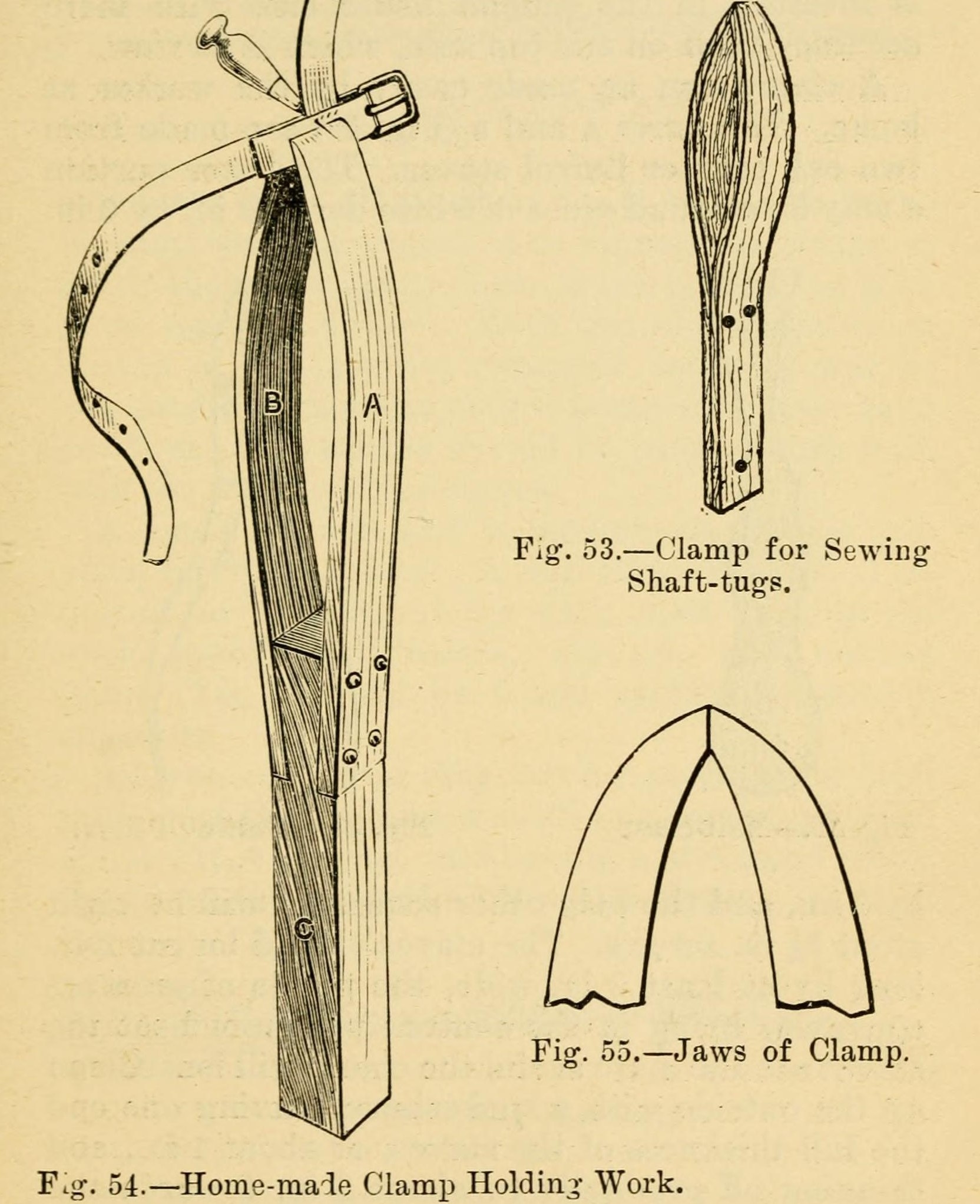


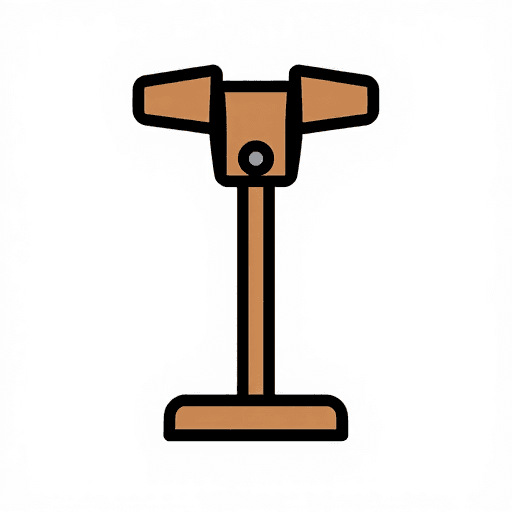
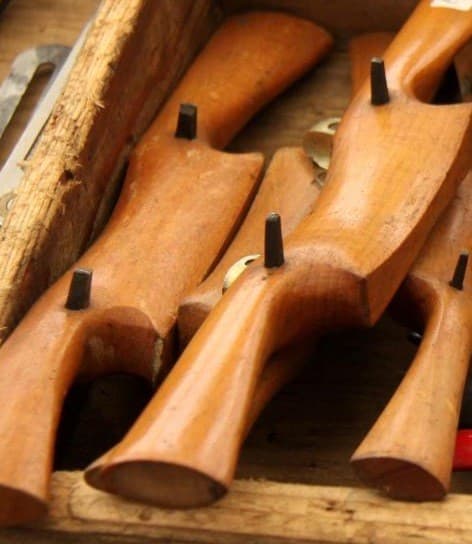
Saddler's Stitching Clamp from Two Oak Barrel Staves Screwed to a Deal Tenon (Hasluck, Harness Making, 1904)
The home-made saddler's clamp, or pair of clams, from Hasluck's Harness Making (1904): two curved oak barrel staves, thinned to springy jaws, screwed hard onto a dovetail-shaped tenon on a 20 x 3 x 3 in. deal post so the jaw tips grip the leather while both hands sew.
Olùbẹ̀rẹ̀
An afternoon
Ìlànà
1
1
His sizes
His sizes
Ń ṣí ìwé Jupyter…
2
2
Read Hasluck
Read Hasluck
"A clamp can be made easily by the worker at home."
3
3
Cut the staves
Cut the staves
Cut two oak cask or barrel staves 2 ft (610 mm) long and at least 3 in. (76 mm) wide, with the greatest bend in the middle. The more bent the staves, the more useful the clamp.
Àwọn ohun èlò fún ìgbésẹ̀ yìí:
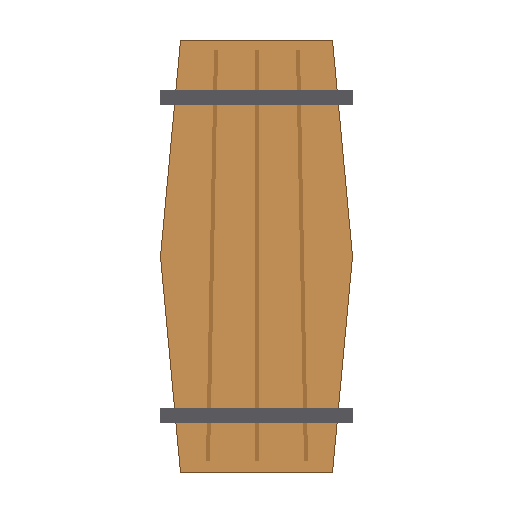 Pákó àgbá igi2 ẹyọ
Àwọn irinṣẹ́ tí a nílò:
 Ayùn Ọwọ́
4
4
Shape the jaws
Shape the jaws
Clean up the outside with a spokeshave. Leave one end the full stave thickness (about 1 in., 25 mm) and thin gradually to about 3/4 in. (19 mm) toward the other end, which forms the jaw (his fig. 55). Round the outer corners, plane the inside flat and smooth both sides with glass-paper.
Àwọn ohun èlò fún ìgbésẹ̀ yìí:
 Bébà Ìfá1 ẹyọ
Àwọn irinṣẹ́ tí a nílò:
 Ayùn onídìmú méjì
5
5
Cut the tenon
Cut the tenon
Take a sound piece of white deal 20 x 3 x 3 in. (510 x 76 x 76 mm) for the post C. Cut a dovetail-shaped tenon at least 6 in. (150 mm) long on its upper end. Fit the depth of the shoulders and the width at the top to the curve of your staves: the aim is for the jaw tips to press tightly together once the staves are home.
Àwọn ohun èlò fún ìgbésẹ̀ yìí:
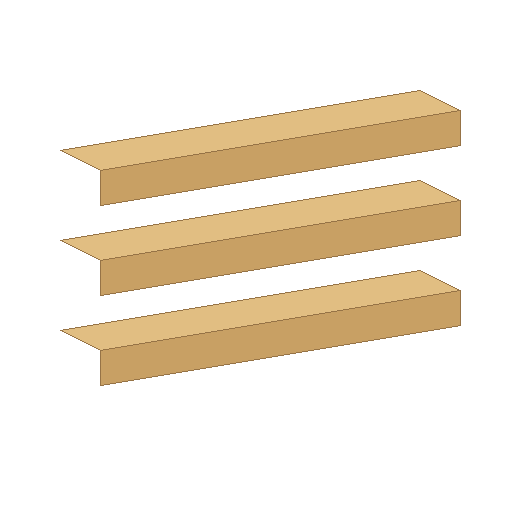 Igi tẹ́ẹ́rẹ́ rírọ̀1 ẹyọ
Àwọn irinṣẹ́ tí a nílò:
 Ayùn ẹlẹ́yìn irin
 Ìdìpọ̀ àyà igi
6
6
Screw the staves on
Screw the staves on
Lay the thick ends of the staves against the two sides of the tenon and fix them with eight stout 2 1/4 in. (57 mm) screws (ours: four through each stave, as his fig. 54 shows). The tenon should be cut so that hard screwing is needed to bring the staves home. Countersink the screws flush with the stave faces.
Àwọn ohun èlò fún ìgbésẹ̀ yìí:
 Ìṣó igi8 ẹyọ
Àwọn irinṣẹ́ tí a nílò:
 Ìlù ọwọ́ pẹ̀lú orí
 Àkójọ Orí Ìlù Countersink
 Ìlọ̀sí olójú pẹlẹbẹ
7
7
Troubleshooting
Troubleshooting
Clamp troubleshooting.
Flow
Loading...
8
8
History and honest limits
History and honest limits
From Paul N. Hasluck (ed.), **Harness Making** (Cassell, 1904), pp. 24-27 and figs. 52-55 (checked on the archive.org scan harnessmaking00hasl). The saddler sits with it between the knees, slanting against the left knee, the right leg thrown over it, so it does not yield under the awl. He gives no screw spacing; the four-per-stave layout, metric figures and tools are ours.
Àwọn ohun-èlò
4- 2 ẹyọÀyè
- 1 ẹyọÀyè
- 1 ẹyọÀyè
- 8 ẹyọÀyè
Àwọn irinṣẹ́ tó nílò
7- Àyè
Ìtọ́nisọ́nà yìí ń ṣe
Blueprint tó jọra
Àwọn blueprint wọ̀nyí pín ìmọ̀ — ọ̀nà, ohun-èlò tàbí ìlànà

CC0 Àgbègbè Gbogbogbò
Blueprint yìí ti jáde lábẹ́ CC0. O lè ṣe àdàkọ, yí padà, pín, àti lò láìsí ìyọ̀ǹda.
Ṣàtìlẹ́yìn Olùṣẹ́dá nípa rírà àwọn ọjà nipasẹ̀ Blueprint wọn Ẹ̀san Olùṣẹ́dá tí àwọn Olùtajà gbé kalẹ̀, tàbí ṣẹ̀dá àtúnṣe tuntun ti Blueprint yìí kí o sì fi sínú Blueprint rẹ gẹ́gẹ́ bí ìsopọ̀ láti pín owó-wíwọlé.