IṢẸ́ ỌNÀ
ẸWÀ ÀTI ÌLERA
IṢẸ́ ỌWỌ́
ÀṢÀ ÀTI ÌTÀN
ÌṢERÉ
ÀYÍKÁ
OÚNJẸ ÀTI OHUN MÍMU
REVERSE ENGINEERING
SÁYẸ́ǸSÌ
ERÉ ÌDÁRAYÁ
ÌMỌ̀-Ẹ̀RỌ
ÀWỌN OHUN WÍWỌ̀
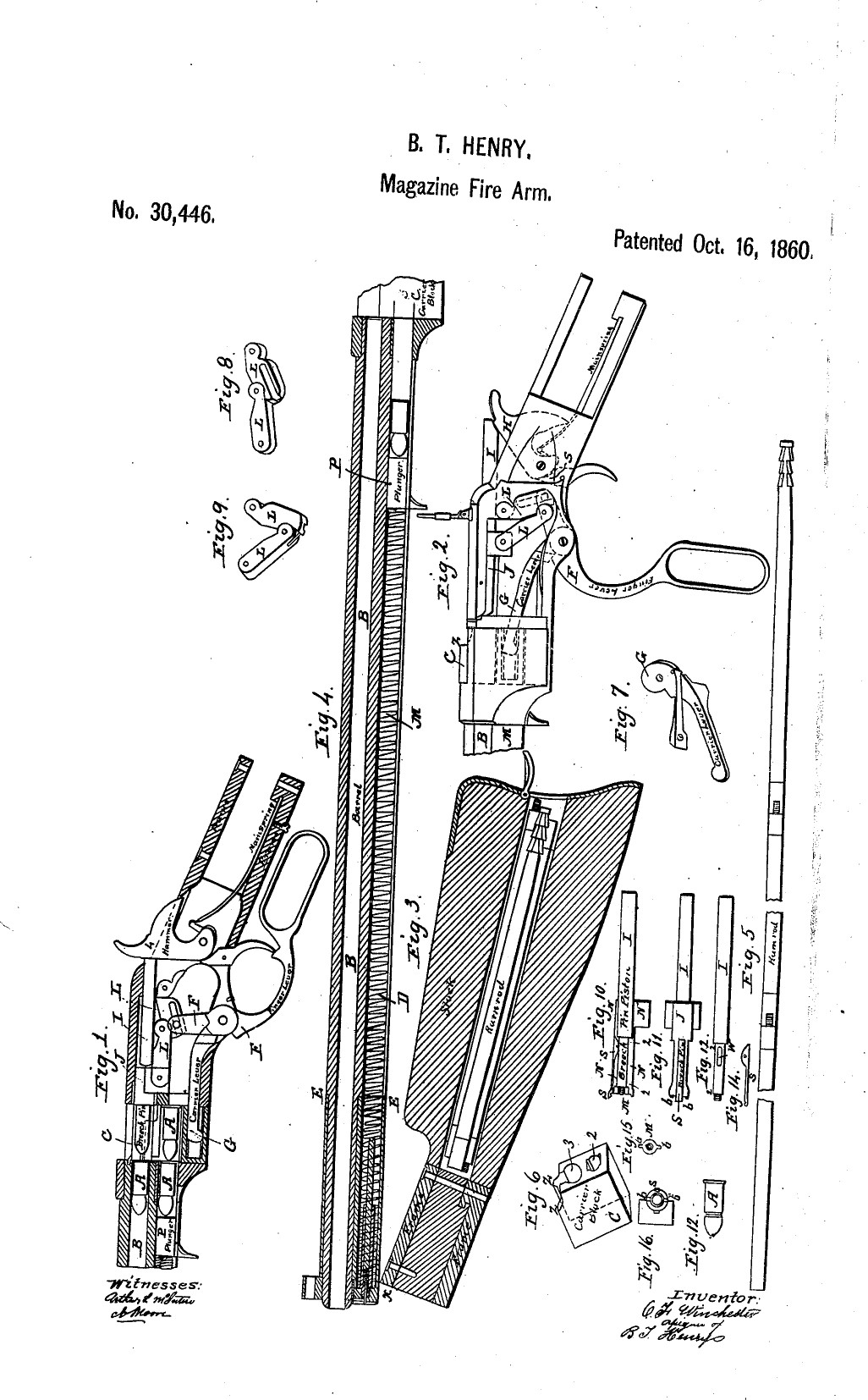

The Lever-Action Magazine Rifle (B. Tyler Henry, 1860) - History and How It Works
Olùbẹ̀rẹ̀
About 15 minutes
Ìlànà
1
1
Read Henry's patent
Read Henry's patent
"My invention relates to improvements in a repeating breech-loading gun designed and arranged for the exclusive use of a hollow loaded ball with a primer" (US 30,446, dated 16 October 1860; B. Tyler Henry, of New Haven, assignor to Oliver F. Winchester).
2
2
How it works, in principle
How it works, in principle
Cartridges lie end to end in a tube under the barrel, pushed back by a spring. Pulling the finger lever down works a toggle-jointed link that draws the breech-pin back, while a carrier-block rises with the next cartridge; pushing the lever up drives the breech-pin forward, putting the cartridge in the barrel and closing it. His drawing shows a sporting rifle "carrying fifteen charges".
3
3
Why it mattered
Why it mattered
A rifleman could fire many shots as fast as he could work the lever, without taking the rifle from his shoulder to reload. Oliver Winchester's company developed the design into the Winchester rifles.
4
4
Honest limits
Honest limits
From the text of US 30,446 (1860). This page describes the action in general terms only; it gives no dimensions, charges or making steps, by design.
Blueprint tó jọra
Àwọn blueprint wọ̀nyí pín ìmọ̀ — ọ̀nà, ohun-èlò tàbí ìlànà
Léwu
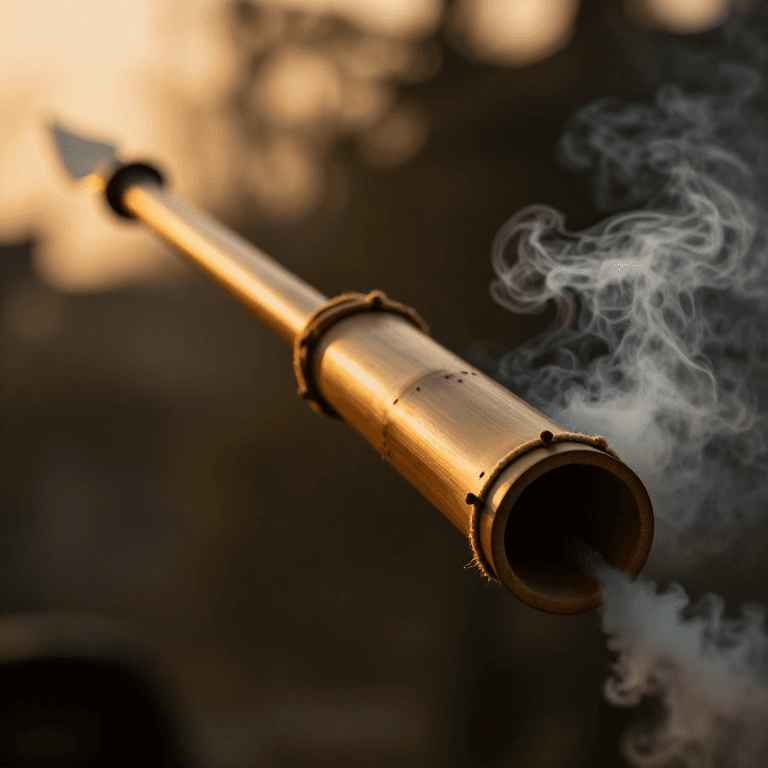
Building a Song Dynasty Fire Lance — The World's First Gunpowder Weapon
láti ọwọ́ Charlie
Àwọn Ohun Ìjà
117
1
0
0
4
0
Léwu
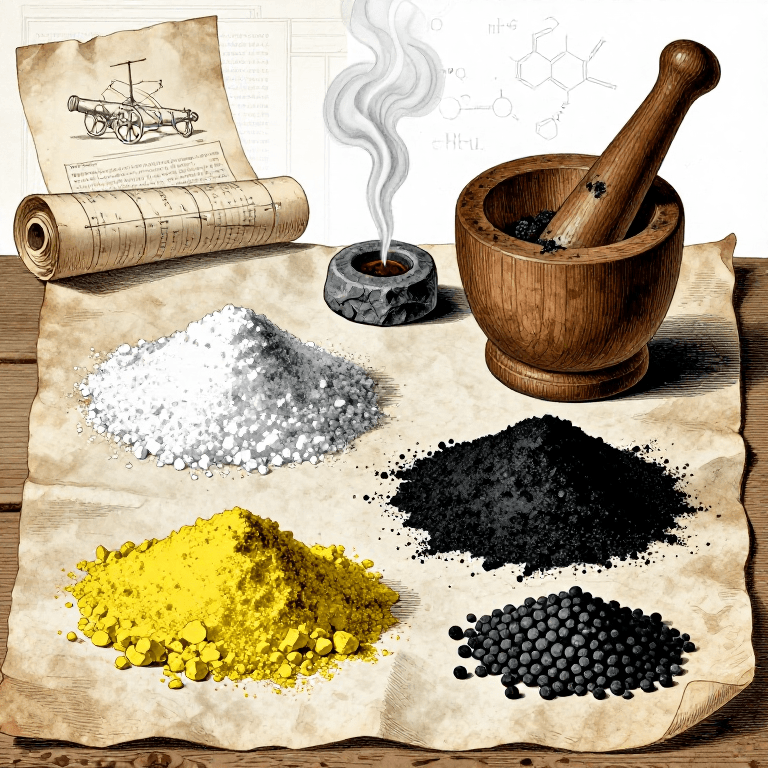
Making Black Powder from Saltpeter, Sulfur, and Charcoal — The Mixture That Changed the World
láti ọwọ́ Charlie
Àwọn Ohun Ìjà
204
0
0
0
7
0
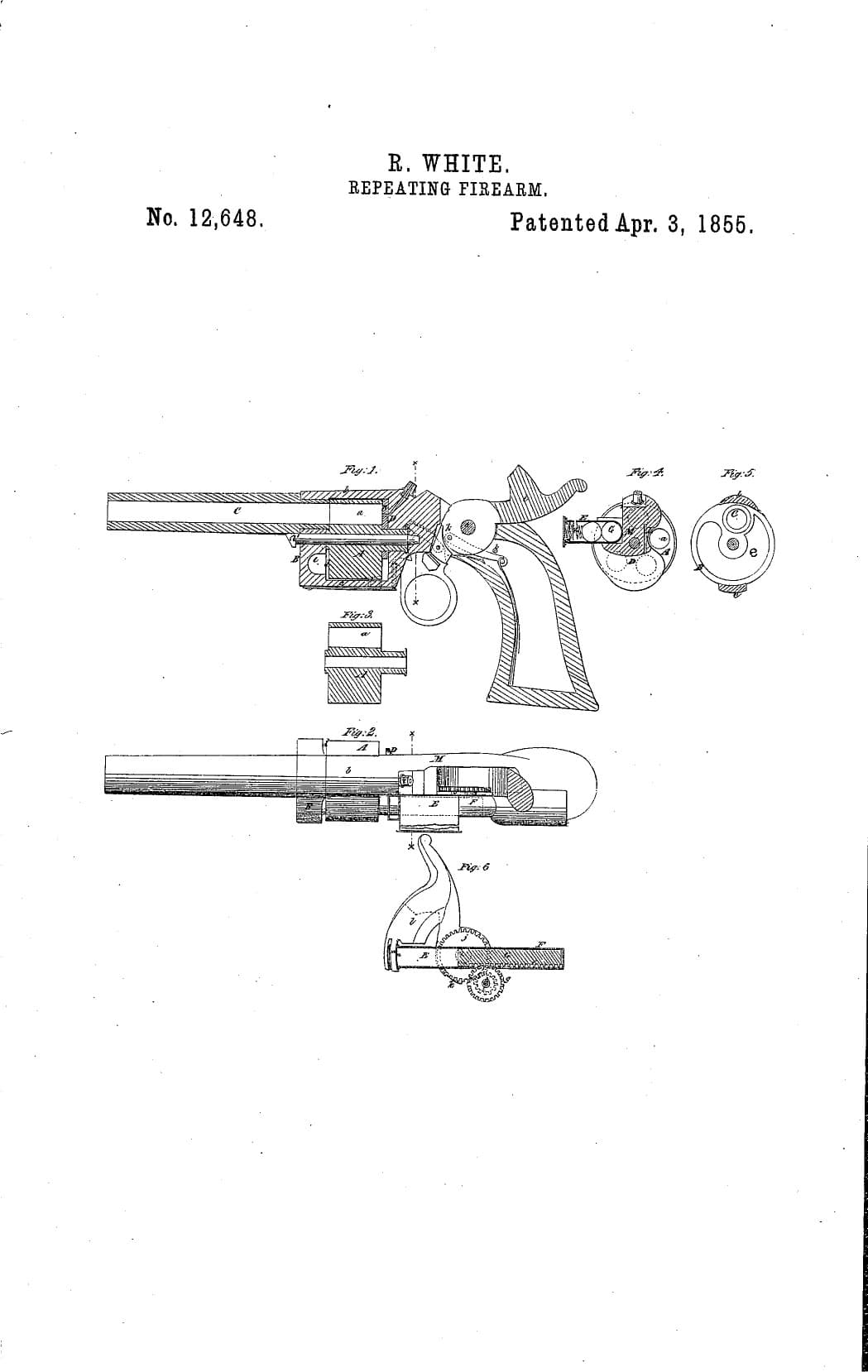
The Bored-Through Cylinder and the Self-Contained Cartridge (Rollin White, 1855) - History and How It Works
láti ọwọ́ Charlie
Àwọn Ohun Ìjà
5
0
0
0
0
0
CC0 Àgbègbè Gbogbogbò
Blueprint yìí ti jáde lábẹ́ CC0. O lè ṣe àdàkọ, yí padà, pín, àti lò láìsí ìyọ̀ǹda.
Ṣàtìlẹ́yìn Olùṣẹ́dá nípa rírà àwọn ọjà nipasẹ̀ Blueprint wọn Ẹ̀san Olùṣẹ́dá tí àwọn Olùtajà gbé kalẹ̀, tàbí ṣẹ̀dá àtúnṣe tuntun ti Blueprint yìí kí o sì fi sínú Blueprint rẹ gẹ́gẹ́ bí ìsopọ̀ láti pín owó-wíwọlé.