IṢẸ́ ỌNÀ
ẸWÀ ÀTI ÌLERA
IṢẸ́ ỌWỌ́
ÀṢÀ ÀTI ÌTÀN
ÌṢERÉ
ÀYÍKÁ
OÚNJẸ ÀTI OHUN MÍMU
REVERSE ENGINEERING
SÁYẸ́ǸSÌ
ERÉ ÌDÁRAYÁ
ÌMỌ̀-Ẹ̀RỌ
ÀWỌN OHUN WÍWỌ̀
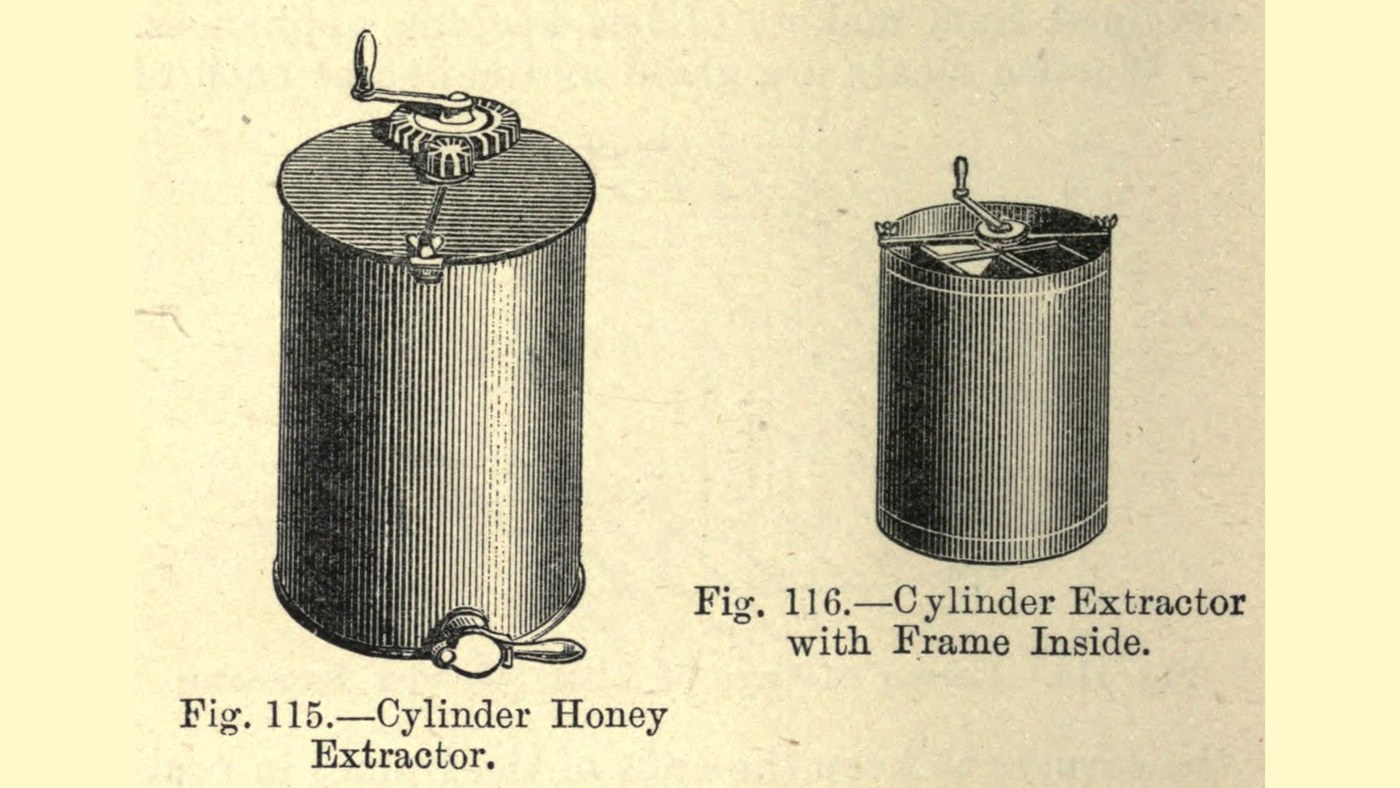


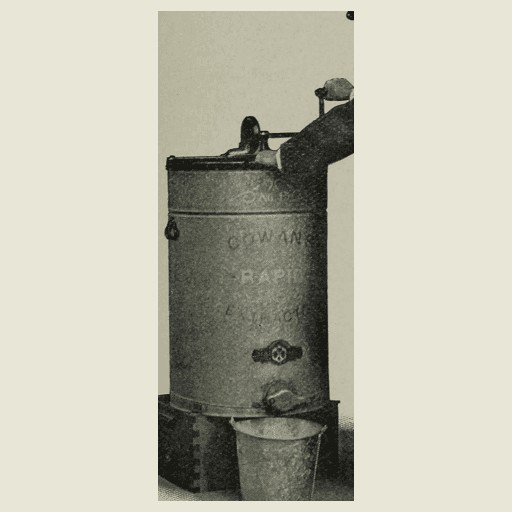
Honey Extractor: a Tinplate Cylinder Extractor (Hasluck, 1905)
A two-comb honey extractor built by a tinsmith: a soldered tinplate frame carrying two wire-netting comb baskets on a 1/2 in spindle, spun by bought gearing inside a tinplate cylinder with a sloping bottom that drains through a treacle valve.
Only the frame and combs revolve, not the can and the honey already thrown out, so it starts and stops easily; a comb that turns lighter tells you its side is empty.
Source: P. N. Hasluck, Beehives and Bee Keepers' Appliances (1905), pp. 122-132. Picture: the book's Figs. 115-116.
Ilọsíwájú
Unknown
Ìlànà
1
1
Make the two bands
Make the two bands
Take three sheets of tinplate 17 in by 12 1/2 in and cut one into six strips 2 in wide; pare the edges straight. Join three strips end to end by turning 1/4 in over at the ends, hooking them together, hammering flat and touching with solder; do the same with the other three. Cut each to 45 in and wire both edges with wire about 1/8 in diameter (about No. 10 gauge), 44 in long: turn the edge over nearly 1/2 in with mallet and stake, lay the wire in, and hammer the tin down round it. Use fine solder with a large proportion of tin throughout. Bend each strip in a wooden vice into a rectangular band 12 in by 10 in, square at the corners and not in winding, wired edge outwards; solder the overlapping inch.
Àwọn ohun èlò fún ìgbésẹ̀ yìí:
 Pátákó irin funfun3 17 x 12 1/2 in sheets
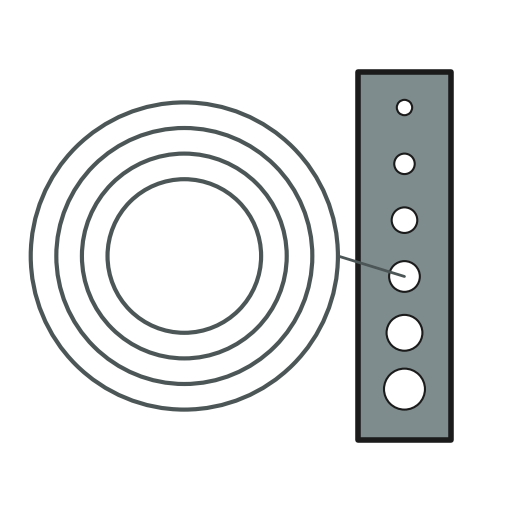 Wáyà irin1 about 1/8 in, No. 10
 Wẹ́là tìnì-lédì1 ẹyọ
Àwọn irinṣẹ́ tí a nílò:
 Ìlàǹkàn irin
 Òòlù Igi
 Igi tí a gún
 Irin ìsúdì
 Ìdìmú Tábìlì
2
2
Fit the bridges
Fit the bridges
From another sheet cut two pieces 12 in by 3 1/2 in. Wire both edges with wires only 10 in long placed in the middle, leaving 1 in free at each end, and hammer the turned edges flat at the ends. Turn the unwired ends up sharp to make a tin stool 10 in long with legs 1 in high. Fasten one across each band the narrow way, equidistant from the short sides, with solder and small rivets. The bridges carry the spindle.
Àwọn ohun èlò fún ìgbésẹ̀ yìí:
Pátákó irin funfun1 ẹyọWáyà irin1 ẹyọ Ìṣó irin1 ẹyọWẹ́là tìnì-lédì1 ẹyọ
Àwọn irinṣẹ́ tí a nílò:
Ìlàǹkàn irinÒòlù IgiIgi tí a gúnIrin ìsúdì Òòlù
3
3
Make the four slides
Make the four slides
Cut four pieces of tinplate 16 1/2 in by 3 1/8 in and cut small rectangles out of the corners. Turn over and hammer down 1/4 in at each long edge and 1/2 in at one short end. Turn the long edges up at right angles and the short end too, making a trough open at one end with the other end twice as high as the sides. Touch the corners with solder, nip off the sharp corners of the projecting end and round them with a file.
Àwọn ohun èlò fún ìgbésẹ̀ yìí:
Pátákó irin funfun1 ẹyọWẹ́là tìnì-lédì1 ẹyọÀwọn irinṣẹ́ tí a nílò:
Ìlàǹkàn irinÒòlù IgiIgi tí a gúnIrin ìsúdì Ìfá Irin
4
4
Assemble the frame
Assemble the frame
Lay one band on the bench, bridge up. Stand a slide, stopped end down, in a corner with its back against a long side of the band, hold the two with a small cramp and two pieces of wood, check with the square, and run solder between them; do the other three. Put the upper band over the tops of the slides; if a slide is out of true, unsolder and reset it. Both bridges must face upwards so they do not hold honey.
Àwọn ohun èlò fún ìgbésẹ̀ yìí:
Wẹ́là tìnì-lédì1 ẹyọÀwọn irinṣẹ́ tí a nílò:
 Ìdìmú onídàbí C
 Igun-òsùwọ̀n tí ó dúróIrin ìsúdì
5
5
Make the comb baskets
Make the comb baskets
Cut four pieces of wire netting, two 15 in by 9 5/8 in and two 1/4 in narrower. Bind each round with tinplate strips 3/4 in wide overlapping 3/8 in each side, soldering every wire to the tin, then turning the tin over and soldering every wire again. Solder up four strips 41 in by 2 1/4 in, turn the edges over 1/4 in and turn one edge up square, so the section is an L with legs 1 1/2 in and 1/4 in. Cut the narrow rib with a chisel at the bends and bend each strip into the three sides of a half-basket, the short side 9 3/4 in on two and 1/8 in less on the other two. Solder the framed netting against the rib. On the wider pair turn over the 5/8 in that projects with a short wire in it as a pull; on the narrower pair clip some off and turn 1/4 in down. Cut a hole in the end of each half for the frame's top bar. Solder two crossing wires 1/8 in thick over the netting, joined in the middle and bent flat, to stop it bulging.
Àwọn ohun èlò fún ìgbésẹ̀ yìí:
 Irin tí a kò mọ̀1 wire netting, metal not given (never zinc)Pátákó irin funfun1 ẹyọWáyà irin1 1/8 inWẹ́là tìnì-lédì1 ẹyọ
Àwọn irinṣẹ́ tí a nílò:
Ìlàǹkàn irinÒòlù IgiIgi tí a gúnIrin ìsúdì Àyà irin tútù
6
6
Make the cylinder
Make the cylinder
Take a tinplate 55 in by 26 in, wire the top and bottom edges with 1/4 in wire, bend it into a cylinder and solder the joint. Cut a bottom about 1/2 in larger than the cylinder's diameter, turn its edge up 1/4 in, set it in sloping, turn the flange down and solder it firmly to the sides. Fit the treacle valve at the lowest point. Solder a bearing for the spindle at the centre of the bottom, its underside filed to the slope so its top is level. Rivet two bands of hoop iron 1/8 in thick and 1 1/4 in wide under the beads.
Àwọn ohun èlò fún ìgbésẹ̀ yìí:
Pátákó irin funfun1 55 x 26 inWáyà irin1 1/4 in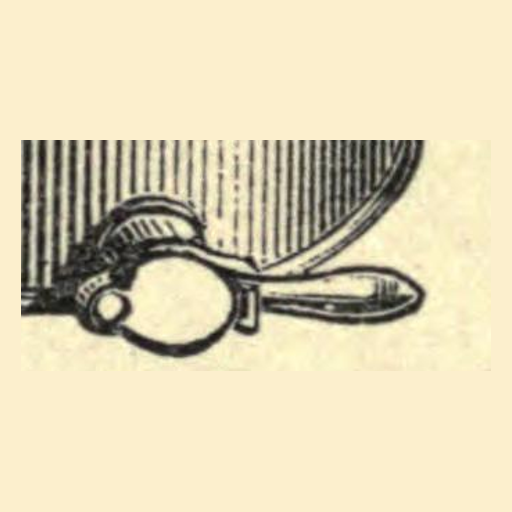 Ẹnu ìṣàn oyin1 ẹyọ
 Ọ̀pá Pẹrẹsẹ Irin Pẹ́lẹ́1 hoop iron 1/8 x 1 1/4 inÌṣó irin1 ẹyọWẹ́là tìnì-lédì1 ẹyọ
Àwọn irinṣẹ́ tí a nílò:
Ìlàǹkàn irinÒòlù IgiIgi tí a gúnIrin ìsúdìÌfá Irin Ìlù ọwọ́Òòlù
7
7
Fit the spindle
Fit the spindle
Make the spindle once the can is finished and its length is known: 1/2 in round iron or steel, tinned all over, with the lower end brought to a long cone to run in the bottom bearing. Pass it through the middle of both bridges so the cages run true, with the tops of the cages 2 in below the top of the can, and solder it to the bridges. Strengthen the hold with tin washers 1 1/2 in diameter, beaten saucer-shaped, with holes made a little small and turned out until the spindle passes; solder them to spindle and bridges.
Àwọn ohun èlò fún ìgbésẹ̀ yìí:
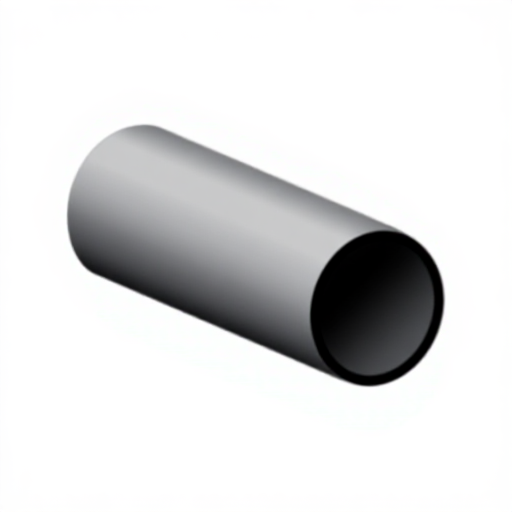 Ọ̀pá rírọ irin rírọ̀1 1/2 in roundPátákó irin funfun1 ẹyọWẹ́là tìnì-lédì1 ẹyọ
Àwọn irinṣẹ́ tí a nílò:
Ìfá IrinIrin ìsúdìÌlàǹkàn irinÒòlù8
8
Fit the cross-bar, gearing and covers
Fit the cross-bar, gearing and covers
Attach bolts to the top hoop, one of them breaking the joint of the hoop, to hold a cross-bar 1 1/4 in wide, long enough to reach across, drilled for the bolts and the spindle; make it 1/2 in thick when gearing is used, and fasten it with fly nuts or hexagon nuts. Key the pinion to the spindle and run the toothed wheel on a stud riveted to the cross-bar. Rivet a pair of handles to the sides, and make two flat covers, one each side of the cross-bar, with edges turned down to embrace the rim, like a saucepan cover.
Àwọn ohun èlò fún ìgbésẹ̀ yìí:
Ọ̀pá Pẹrẹsẹ Irin Pẹ́lẹ́1 cross-bar 1 1/4 x 1/2 in Àkójọ bọ́ọ̀lù onígun mẹ́fà1 ẹyọ
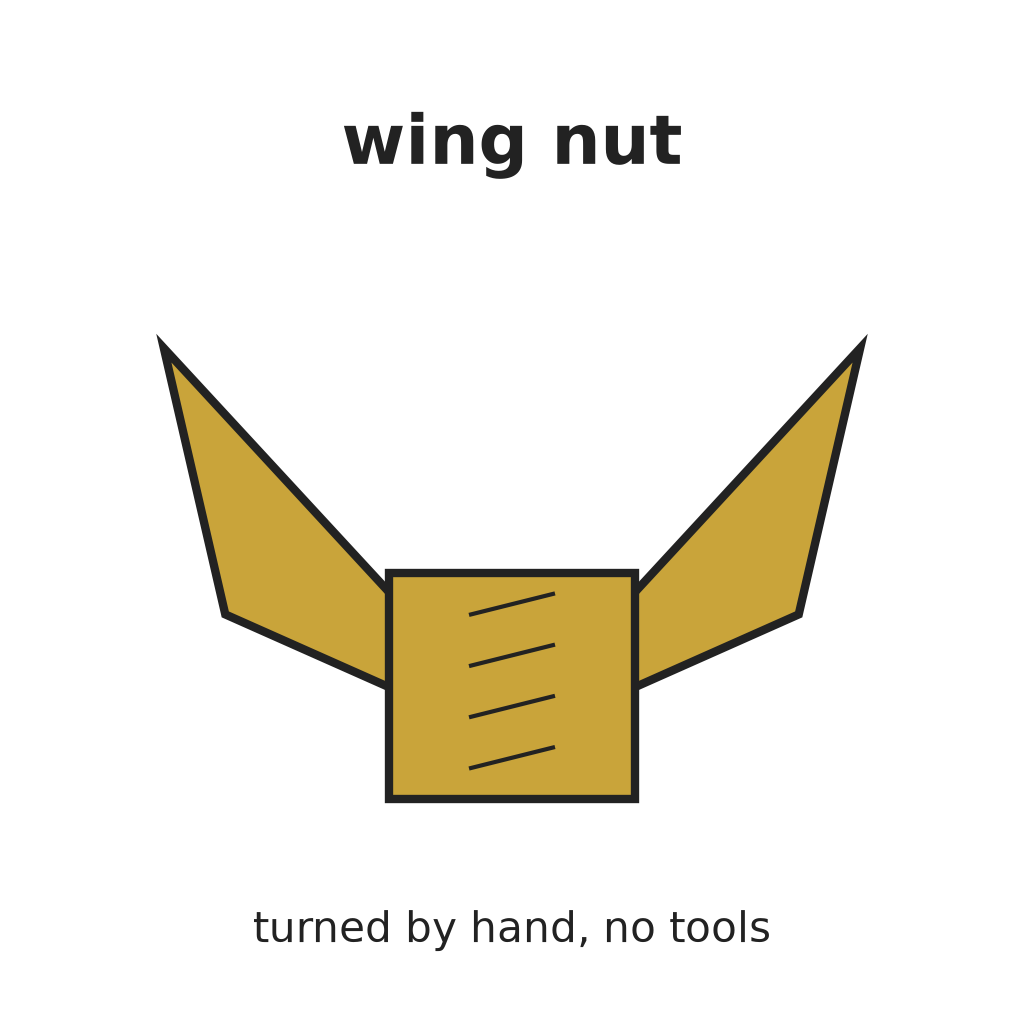 Nọ́ọ̀tì apá1 ẹyọ
 Pínínọ̀nù1 ẹyọ
 Kẹ̀kẹ́ ehín ńlá1 ẹyọÌṣó irin1 ẹyọPátákó irin funfun1 ẹyọ
Àwọn irinṣẹ́ tí a nílò:
Ìlù ọwọ́ÒòlùÌlàǹkàn irinÒòlù IgiÀwọn ohun-èlò
12- 1 55 x 26 inÀyè
- 1 1/4 inÀyè
- 7 ẹyọÀyè
- 3 ẹyọÀyè
- 1 wire netting, metal not given (never zinc)Àyè
- 1 ẹyọÀyè
- 1 cross-bar 1 1/4 x 1/2 inÀyè
- 1 1/2 in roundÀyè
- Àyè
- 1 ẹyọÀyè
- 1 ẹyọÀyè
- 1 ẹyọÀyè
Ìtọ́nisọ́nà yìí ń ṣe
CC0 Àgbègbè Gbogbogbò
Blueprint yìí ti jáde lábẹ́ CC0. O lè ṣe àdàkọ, yí padà, pín, àti lò láìsí ìyọ̀ǹda.
Ṣàtìlẹ́yìn Olùṣẹ́dá nípa rírà àwọn ọjà nipasẹ̀ Blueprint wọn Ẹ̀san Olùṣẹ́dá tí àwọn Olùtajà gbé kalẹ̀, tàbí ṣẹ̀dá àtúnṣe tuntun ti Blueprint yìí kí o sì fi sínú Blueprint rẹ gẹ́gẹ́ bí ìsopọ̀ láti pín owó-wíwọlé.