IṢẸ́ ỌNÀ
ẸWÀ ÀTI ÌLERA
IṢẸ́ ỌWỌ́
ÀṢÀ ÀTI ÌTÀN
ÌṢERÉ
ÀYÍKÁ
OÚNJẸ ÀTI OHUN MÍMU
REVERSE ENGINEERING
SÁYẸ́ǸSÌ
ERÉ ÌDÁRAYÁ
ÌMỌ̀-Ẹ̀RỌ
ÀWỌN OHUN WÍWỌ̀
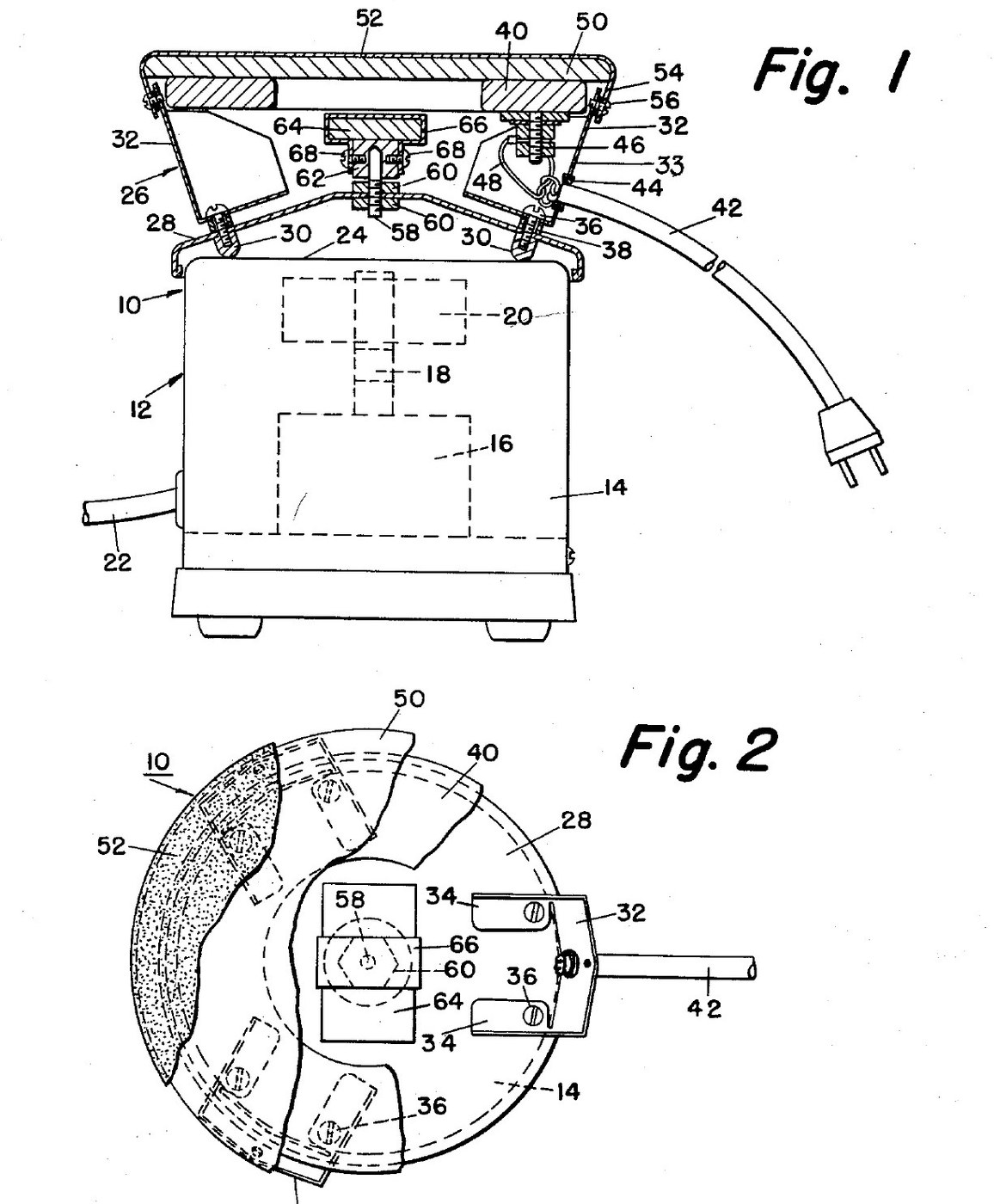

Hot Plate Magnetic Stirrer: Ring Heater over a Relay Magnet on a Shielded Spindle (Hug, US 3,028,476)
A laboratory stand that heats a vessel and stirs it at the same time. A motor in the base spins a bar magnet; in Theodore Hug's design (US 3,028,476, 1962) that magnet turns a second, free bar magnet on a spindle inside the hot plate, which in turn spins a coated stirring bar in the vessel.
A stainless-steel radiation shield and an air gap keep the ring heater's heat away from the motor. The relay magnet sits about 1/2 in. under the aluminium heat sink: closer, eddy currents in the sink slow the stirring.
Source: T. Hug, "Hot Plate and Magnetic Stirrer", US Patent 3,028,476 (filed 1960, granted 1962). Picture: its Figs. 1-2.
Ilọsíwájú
Unknown
Ìlànà
1
1
Read Hug
Read Hug
"Attempts have been made to couple conventional heating means to magnetic stirrers, but the same have proved to be unsuccessful. Thus, the base of a laboratory vessel must be positioned relatively close to the driving rotating magnet ... Moreover, if an appreciable amount of heat from the heating means is transmitted to the motor of the magnetic stirrer, it will drastically reduce the useful operating life of said motor."
2
2
Build the stirrer base
Build the stirrer base
Make a housing of aluminium (or another non-magnetic material) and mount an electric motor inside with its shaft upright. Fix a permanent bar magnet horizontally on the top of the shaft, just under the housing top. Wire the motor through a rheostat to its cord so the speed can be varied. Sizes, motor rating and how the housing is formed are not given.
Àwọn ohun èlò fún ìgbésẹ̀ yìí:
 Àwo aluminiọ̀mù1 housing
 Mọ́tò iná mànàmáná1 ẹyọ
 Ìdìpọ̀ òòfà ọ̀pá1 drive magnet
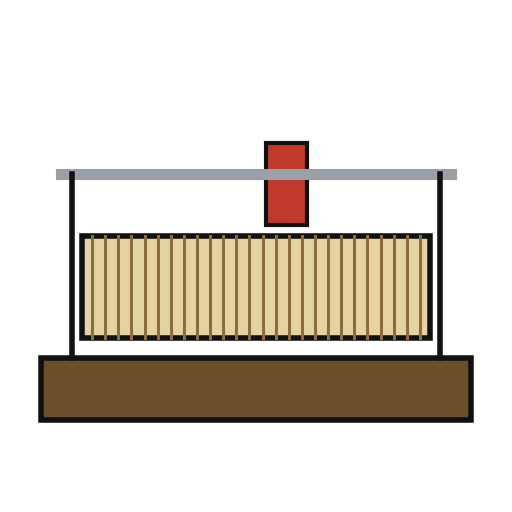 Rióstátì1 ẹyọ
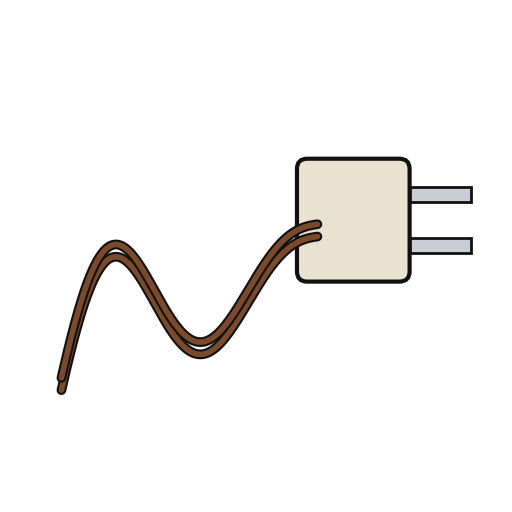 Okùn iná rírọ̀ pẹ̀lú plọ́ọ̀gì1 ẹyọ
Àwọn irinṣẹ́ tí a nílò:
 Ìwọ̀n tí a kò mọ̀
 Ọ̀nà ìṣẹ̀dá àìmọ̀
3
3
Make the radiation shield
Make the radiation shield
Shape a radiation shield of non-magnetic stainless steel so it straddles the top of the housing, on stainless-steel legs (a poor conductor of heat) that stand on the housing top. Bore its centre and fit a threaded spindle there with a nut on each side of the shield. Tap a blind thread in each leg.
Àwọn ohun èlò fún ìgbésẹ̀ yìí:
 Àwo irin tí kò ń yá - 3041 shield and legs
 Ọ̀pá oníṣọ̀kan1 spindle
 Nọ́ọ̀tì Onígun Mẹ́fà2 ẹyọ
Àwọn irinṣẹ́ tí a nílò:
 Ìlàǹkàn irin
 Ẹ̀rọ Ìlùkòkò Onídúró
 Àkójọ Orí Ìlùkòkò
 Ìtò irinṣẹ́ ìgé iháỌ̀nà ìṣẹ̀dá àìmọ̀
4
4
Fit the relay magnet
Fit the relay magnet
Bore a blind cavity in a hub of non-magnetic material so it turns freely on the spindle. Lay a permanent bar magnet 1/4 in. by 1 in. by 1 3/4 in. on top of the hub and hold it with a strap screwed to the hub. The hub and strap material is not given.
Àwọn ohun èlò fún ìgbésẹ̀ yìí:
Ìdìpọ̀ òòfà ọ̀pá1 relay magnet, 1/4 x 1 x 1 3/4 in. Ohun èlò tí a kò mọ̀1 hub and strap
 Skurú ẹ̀rọ2 ẹyọ
Àwọn irinṣẹ́ tí a nílò:
 Ẹ̀rọ Ìyí IrinẸ̀rọ Ìlùkòkò OnídúróÀkójọ Orí ÌlùkòkòÌtò irinṣẹ́ ìgé ihá
5
5
Mount the supports
Mount the supports
Make three support members of non-magnetic stainless steel, each an upright with flanges. Screw the flanges down into the legs, with small tubular spacers of insulating material round the screws between the shield and the flanges, so air can circulate and carry heat away. Fit a grommet in one support for the heater cord. The spacer material is not given.
Àwọn ohun èlò fún ìgbésẹ̀ yìí:
Àwo irin tí kò ń yá - 3041 three supportsSkurú ẹ̀rọ3 ẹyọ Ohun ìdènà iná tí a kò mọ̀3 tubular spacers
Àwọn irinṣẹ́ tí a nílò:
Ìlàǹkàn irinẸ̀rọ Ìlùkòkò OnídúróÀkójọ Orí Ìlùkòkò6
6
Fit the heater and top
Fit the heater and top
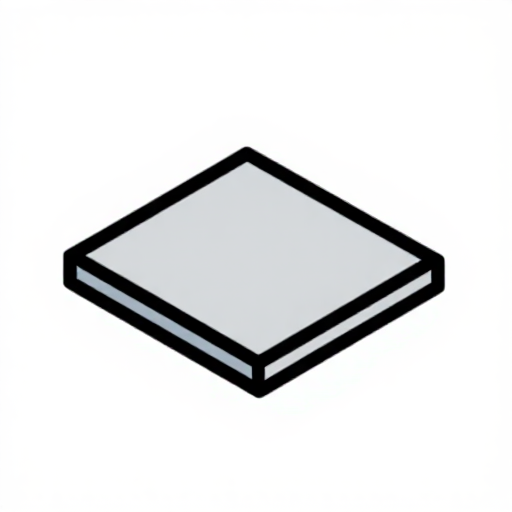
Mount an annular ring heater (elements in a non-magnetic sheath) coaxial with the spindle; join its cord wires to its threaded stud between two nuts. Above it lay an aluminium heat sink, a flat plate wider than the heater, so the relay magnet is about 1/2 in. below it. Cover with a top plate of aluminium or stainless steel whose edge is spun into an inverted dish, and screw the edge to the tops of the supports. The patent claims a blackened outer surface on the heat sink and top plate (how is not given). In use, set the hot plate on the stirrer and put a stirring bar (a short bar magnet sealed in glass or coated with PTFE) in the vessel: the drive magnet turns the relay magnet, which turns the bar.
Àwọn ohun èlò fún ìgbésẹ̀ yìí:
 Ẹ̀yà amóoru1 ring heaterOkùn iná rírọ̀ pẹ̀lú plọ́ọ̀gì1 ẹyọNọ́ọ̀tì Onígun Mẹ́fà2 ẹyọ
 Àwo Alumíníọ̀mù1 heat sinkÀwo aluminiọ̀mù1 top plateSkurú ẹ̀rọ3 ẹyọ
Àwọn irinṣẹ́ tí a nílò:
 Irinṣẹ́ ìyíṣe irinẸ̀rọ Ìyí IrinẸ̀rọ Ìlùkòkò OnídúróÀkójọ Orí Ìlùkòkò
Àwọn ohun-èlò
13- 1 top plateÀyè
- 1 ẹyọÀyè
- 1 relay magnet, 1/4 x 1 x 1 3/4 in.Àyè
- 1 ẹyọÀyè
- Àyè
- 1 three supportsÀyè
- 1 spindleÀyè
- 4 ẹyọÀyè
- 1 hub and strapÀyè
- 8 ẹyọÀyè
- 3 tubular spacersÀyè
- 1 ring heaterÀyè
- 1 heat sinkÀyè
Ìtọ́nisọ́nà yìí ń ṣe

CC0 Àgbègbè Gbogbogbò
Blueprint yìí ti jáde lábẹ́ CC0. O lè ṣe àdàkọ, yí padà, pín, àti lò láìsí ìyọ̀ǹda.
Ṣàtìlẹ́yìn Olùṣẹ́dá nípa rírà àwọn ọjà nipasẹ̀ Blueprint wọn Ẹ̀san Olùṣẹ́dá tí àwọn Olùtajà gbé kalẹ̀, tàbí ṣẹ̀dá àtúnṣe tuntun ti Blueprint yìí kí o sì fi sínú Blueprint rẹ gẹ́gẹ́ bí ìsopọ̀ láti pín owó-wíwọlé.