IṢẸ́ ỌNÀ
ẸWÀ ÀTI ÌLERA
IṢẸ́ ỌWỌ́
ÀṢÀ ÀTI ÌTÀN
ÌṢERÉ
ÀYÍKÁ
OÚNJẸ ÀTI OHUN MÍMU
REVERSE ENGINEERING
SÁYẸ́ǸSÌ
ERÉ ÌDÁRAYÁ
ÌMỌ̀-Ẹ̀RỌ
ÀWỌN OHUN WÍWỌ̀
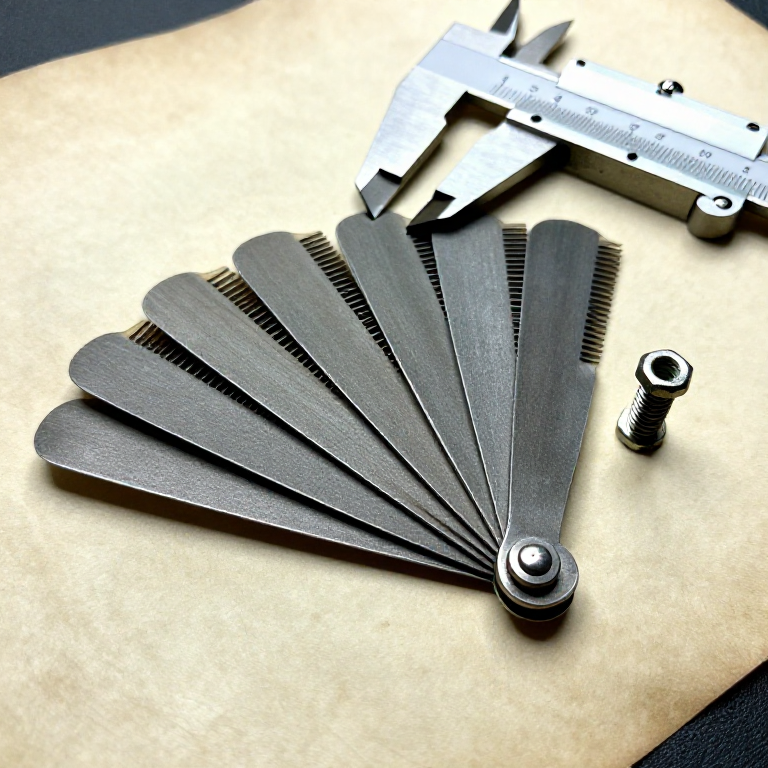


Identifying a Thread: Which Bolt Is That, Actually?
A drawer of unlabelled bolts is a common problem and an easy one, once you know that only two measurements identify a thread: the diameter across the crests and the pitch.
Get either wrong and the fastener will start, bind, and strip the threads it is going into — which is why guessing is expensive. M8 and 5/16 UNC are close enough to start in each other's holes and different enough to destroy them.
This rung covers measuring both, the handful of standards a maker will actually meet, and the trap of the two systems that look identical until they are tightened.
Olùbẹ̀rẹ̀
2 hours
Ìlànà
1
1
Measure the diameter over the crests
Measure the diameter over the crests
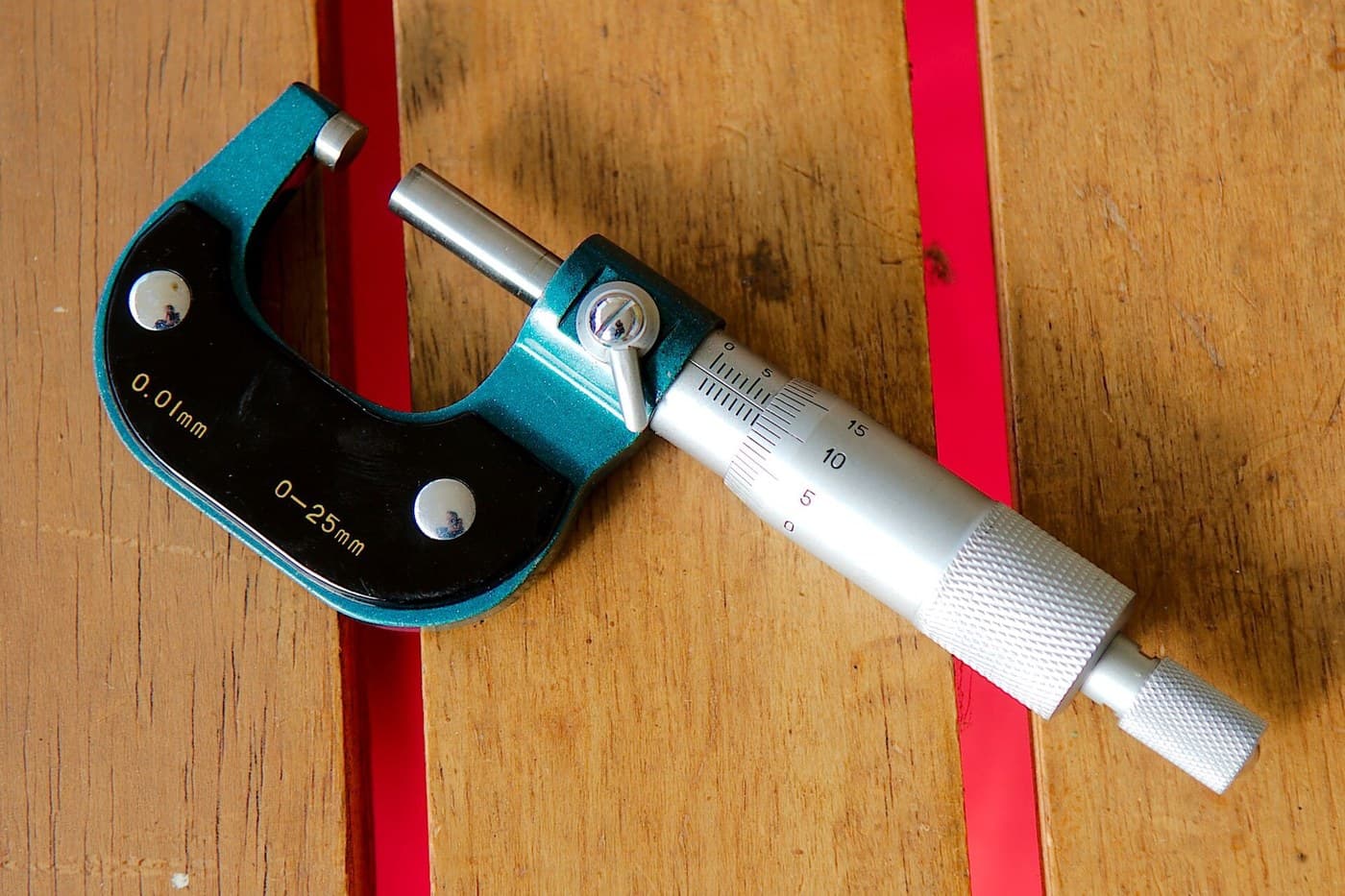
Put a caliper across the widest part of the thread and read it. An M8 bolt measures very close to 8 mm; a 5/16 inch bolt measures about 7.9 mm.
That 0.1 mm is the entire difference and a caliper alone will not settle it — which is exactly why the pitch matters more than the diameter for identification. Measure the diameter to narrow it to two or three candidates, then use the pitch to decide.
Measure a clean unworn part of the thread, not a damaged end or the run-out near the head. And measure a BOLT rather than trying to measure the hole: an internal thread is far harder to measure directly, and the published bore-measurement blueprint exists for exactly that reason.
Àwọn irinṣẹ́ tí a nílò:
 Kálípà Fáníà
 Àkójọ bọ́ọ̀lù onígun mẹ́fà
 Skurú ẹ̀rọ
2
2
Use a thread gauge — do not count threads by eye
Use a thread gauge — do not count threads by eye
A thread pitch gauge is a fan of thin steel leaves, each cut to one pitch. Try them against the bolt until one seats with no light showing between the teeth anywhere along it.
Counting threads per inch with a rule works but is slow and error-prone, and the commonest mistake is off-by-one at the ends. The gauge is unambiguous: the right leaf disappears into the thread and every wrong one rocks or shows light.
Metric leaves are marked in millimetres of pitch (1.25, 1.5) and imperial ones in threads per inch (18, 20, 24). A set usually carries both, and which kind of leaf fits is itself half the identification.
Àwọn irinṣẹ́ tí a nílò:
 Ìwọ̀n iháÀkójọ bọ́ọ̀lù onígun mẹ́fà
 Lúpù Ìgbéga
3
3
The standards you will actually meet
The standards you will actually meet
Ń ṣí ìwé Jupyter…
Àwọn irinṣẹ́ tí a nílò:
Ìwọ̀n iháKálípà Fáníà Ẹ̀rọ Ìṣirò
4
4
Label the drawer — and keep the odd ones apart
Label the drawer — and keep the odd ones apart
Once a fastener is identified, it costs nothing to keep it that way. Sort by thread into labelled compartments and the whole problem disappears permanently.
Keep imperial fasteners physically separate from metric ones rather than mixed and labelled. The near-miss pairs are what cause the damage, and they only cause it when both are within reach of the same hand.
Where a machine uses an unusual thread, tape a labelled sample to it or write the thread on the maintenance note. Working it out from scratch takes ten minutes every time, and stripping the hole because you guessed takes an afternoon to repair.
Àwọn irinṣẹ́ tí a nílò:
Àkójọ bọ́ọ̀lù onígun mẹ́fàSkurú ẹ̀rọ Àkójọpọ̀ ọ̀pá ìdì àti wáṣàÌwọ̀n ihá
Blueprint tó jọra
Àwọn blueprint wọ̀nyí pín ìmọ̀ — ọ̀nà, ohun-èlò tàbí ìlànà

CC0 Àgbègbè Gbogbogbò
Blueprint yìí ti jáde lábẹ́ CC0. O lè ṣe àdàkọ, yí padà, pín, àti lò láìsí ìyọ̀ǹda.
Ṣàtìlẹ́yìn Olùṣẹ́dá nípa rírà àwọn ọjà nipasẹ̀ Blueprint wọn Ẹ̀san Olùṣẹ́dá tí àwọn Olùtajà gbé kalẹ̀, tàbí ṣẹ̀dá àtúnṣe tuntun ti Blueprint yìí kí o sì fi sínú Blueprint rẹ gẹ́gẹ́ bí ìsopọ̀ láti pín owó-wíwọlé.