IṢẸ́ ỌNÀ
ẸWÀ ÀTI ÌLERA
IṢẸ́ ỌWỌ́
ÀṢÀ ÀTI ÌTÀN
ÌṢERÉ
ÀYÍKÁ
OÚNJẸ ÀTI OHUN MÍMU
REVERSE ENGINEERING
SÁYẸ́ǸSÌ
ERÉ ÌDÁRAYÁ
ÌMỌ̀-Ẹ̀RỌ
ÀWỌN OHUN WÍWỌ̀
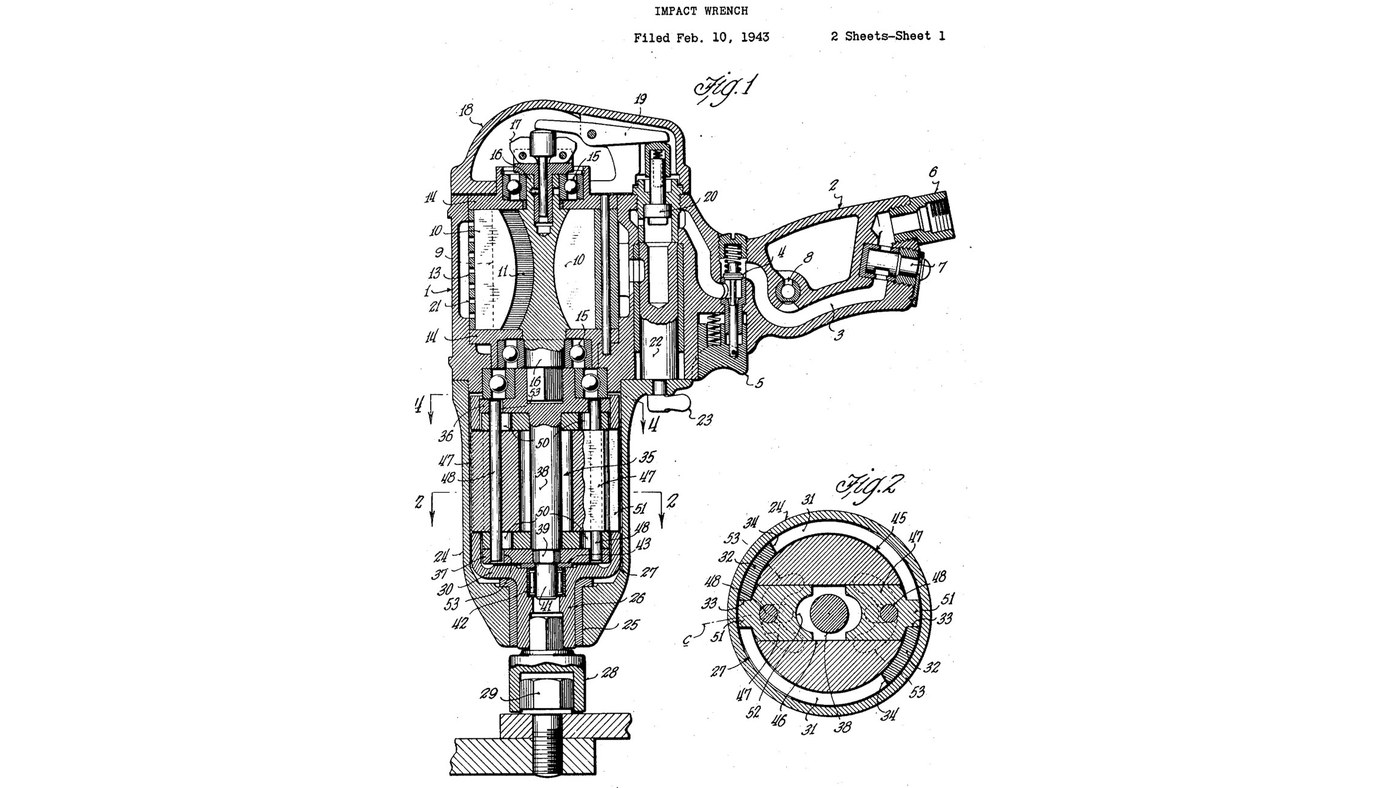

Impact Wrench: Centrifugal-Dog Clutch on a Reversible Air Motor
Louis Fosnot's impact wrench (Independent Pneumatic Tool, US 2,425,793, 1947). A reversible vane air motor turns a carrier that drags a heavy slotted hammer round with it. Centrifugal force throws two sliding dogs out of the hammer to strike the jaws of the anvil, which carries the socket; on each blow the hammer recoils, cam slots pull the dogs back in, and the motor, which never stops, spins the hammer up for the next blow. The blows land at the largest radius, so a small tool hits hard.
The patent gives no sizes or materials beyond a light-metal case, and leaves the motor's ports to the trade; the motor is taken as a bought part. The picture: the patent's sheet 1.
Ilọsíwájú
2 days
Ìlànà
1
1
Fit valve, trigger and nipple in the cast case
Fit valve, trigger and nipple in the cast case
Use the motor case and side handle cast in one piece of light metal. Fit the spring-closed throttle valve (4) in the handle's air passage (3), the trigger block (5) to open it, and the hose nipple (6) at the passage's end.
Àwọn ohun èlò fún ìgbésẹ̀ yìí:
 Àpò mọ́tò irinṣẹ́1 ẹyọ
 Fáàfù ìṣàkóso ìṣàn1 ẹyọ
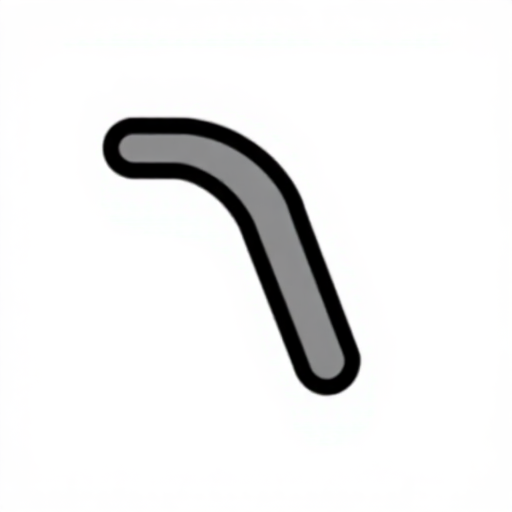 Àtẹ̀ irinṣẹ́1 ẹyọ
 Níípù oníyíyí fún ọ̀pá-omi1 ẹyọ
Àwọn irinṣẹ́ tí a nílò:
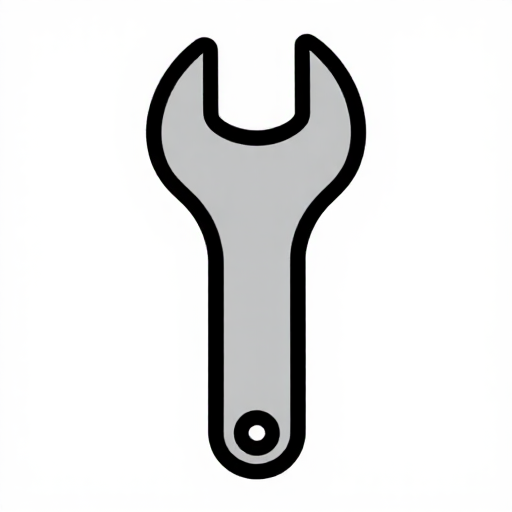 Kọ́kọ́rọ́ tí a lè ṣàtúnṣe
2
2
Mount the vane motor
Mount the vane motor
Clamp the vane motor's cylinder (13), fixed against turning, between its end plates (14) in the case. The plates carry ball bearings (15) for the rotor's shaft ends (16); the rotor (9) sits off-centre with sliding blades (10) in its slots (11).
Àwọn ohun èlò fún ìgbésẹ̀ yìí:
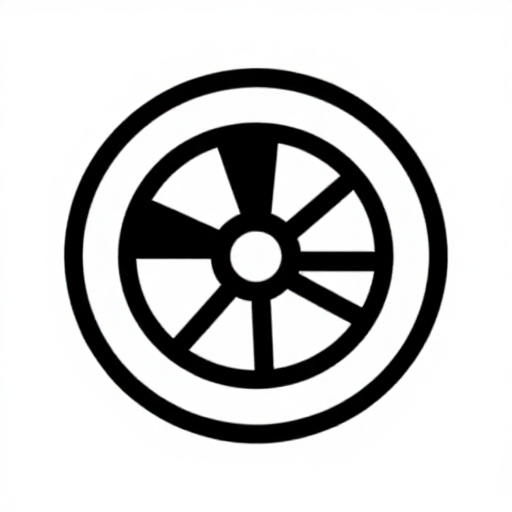 Mọ́tò afẹ́fẹ́ oníyẹ̀ẹ́1 ẹyọ
 Bearing Bọ́ọ̀lù2 ẹyọ
Àwọn irinṣẹ́ tí a nílò:
 Ẹ̀rọ ìtẹ̀ ọwọ́
3
3
Fit the reversing valve
Fit the reversing valve
Fit the turning reversing valve (22) in the case between the rotor and the throttle valve, with its handle (23) outside: one way the motor screws up right-hand threads, the other way it undoes them.
Àwọn ohun èlò fún ìgbésẹ̀ yìí:
 Fáàfù ìyípadà1 ẹyọ
Àwọn irinṣẹ́ tí a nílò:
Kọ́kọ́rọ́ tí a lè ṣàtúnṣe4
4
Pin the dogs into the hammer
Pin the dogs into the hammer
Slide one rectangular dog (47) into each end of the hammer's cross-slot (46). Press a pin (48) through the bore (49) of each dog so its ends stick out into the hammer's radial slots (50), letting the dog slide in and out but not fall out. Ours: arbor press.
Àwọn ohun èlò fún ìgbésẹ̀ yìí:
 Òòlù kílọ́ọ̀ṣì ìlù1 ẹyọ
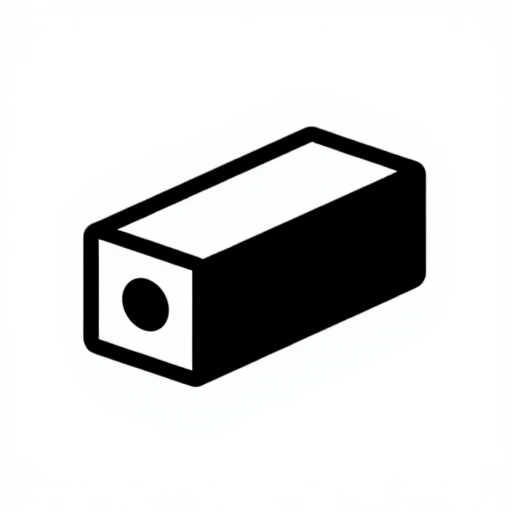 Ìkàn ìlù2 ẹyọ
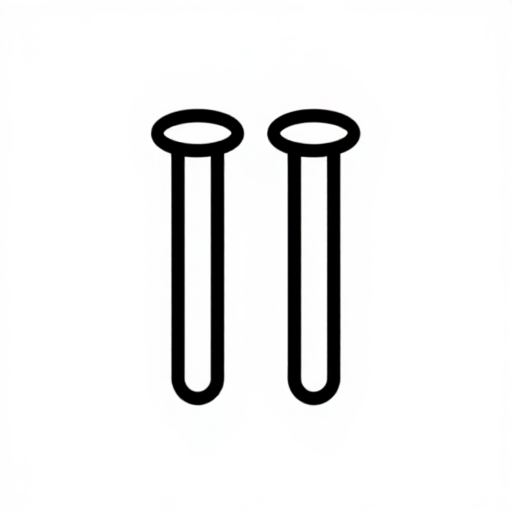 Pínì irin2 ẹyọ
Àwọn irinṣẹ́ tí a nílò:
Ẹ̀rọ ìtẹ̀ ọwọ́5
5
Build the carrier round the hammer
Build the carrier round the hammer
Put the hammer on the carrier shaft (38) through its centre openings (54). Fit the lower plate (37) on the shaft's hexagon (39). The pin ends now ride in the curved cam slots (53) of both plates.
Àwọn ohun èlò fún ìgbésẹ̀ yìí:
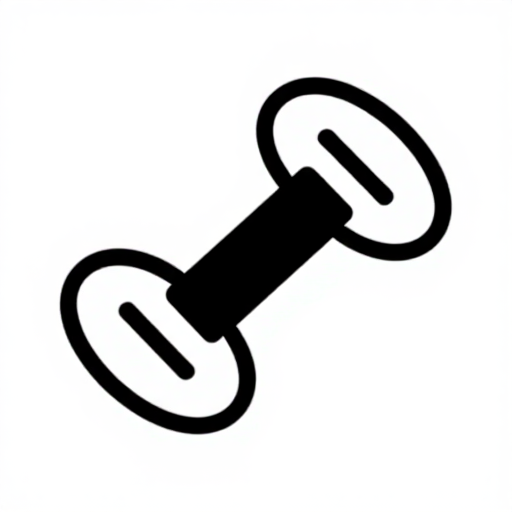 Agbégbé òòlù kílọ́ọ̀ṣì1 ẹyọ
Àwọn irinṣẹ́ tí a nílò:
Ẹ̀rọ ìtẹ̀ ọwọ́6
6
Set the carrier in the anvil
Set the carrier in the anvil
Lower the carrier into the anvil cup (27): a thrust plate (43) between the lower plate and the anvil's end wall (30), the shaft's lower end (41) in a roller bearing (42) inside the hollow spindle (26). The dogs face the anvil's jaws (32) through its side openings (31).
Àwọn ohun èlò fún ìgbésẹ̀ yìí:
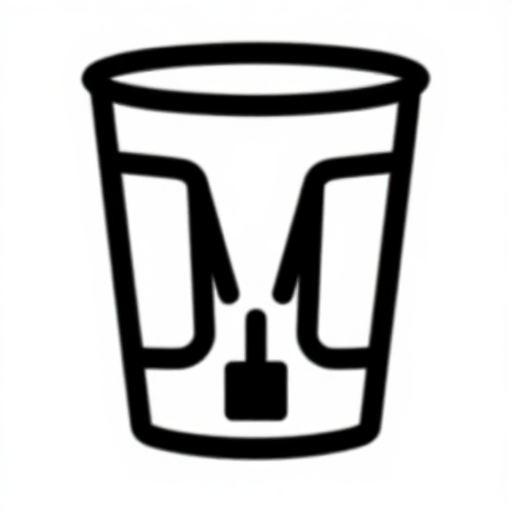 Owú kílọ́ọ̀ṣì ìlù1 ẹyọ
 Àwo ìtì1 ẹyọ
 Bẹ́rínì oníyíyí1 ẹyọ
Àwọn irinṣẹ́ tí a nílò:
Ẹ̀rọ ìtẹ̀ ọwọ́7
7
Couple to the motor and bolt on the housing
Couple to the motor and bolt on the housing
Engage the rotor's shaft end in the upper plate's socket (44). Bolt the clutch housing (24) to the motor case; its bushing (25) carries the anvil spindle. Ours: wrench for the bolts.
Àwọn ohun èlò fún ìgbésẹ̀ yìí:
 Àpò kílọ́ọ̀ṣì1 ẹyọ
 Búṣìn irin1 ẹyọ
Àwọn irinṣẹ́ tí a nílò:
Kọ́kọ́rọ́ tí a lè ṣàtúnṣe8
8
Fit the socket and run it
Fit the socket and run it
Put a socket (28) of the nut's size on the spindle. Ours: connect an air hose from a compressor. Run the nut down; once it is tight the dogs strike the jaws in rapid blows. On each blow the hammer recoils and the cams draw the dogs in until the carrier spins it up again.
Àwọn ohun èlò fún ìgbésẹ̀ yìí:
 Ihò-ìdè ṣípánà1 ẹyọ
Àwọn irinṣẹ́ tí a nílò:
 Ẹ̀rọ ìfun afẹ́fẹ́
 Páìpù afẹ́fẹ́
Àwọn ohun-èlò
17- 1 ẹyọÀyè
- 1 ẹyọÀyè
- 1 ẹyọÀyè
- Àyè
- Àyè
- Àyè
- 1 ẹyọÀyè
- 1 ẹyọÀyè
- 2 ẹyọÀyè
- 2 ẹyọÀyè
- Àyè
- 1 ẹyọÀyè
- 1 ẹyọÀyè
- 1 ẹyọÀyè
- 1 ẹyọÀyè
- 1 ẹyọÀyè
- 1 ẹyọÀyè
Ìtọ́nisọ́nà yìí ń ṣe

CC0 Àgbègbè Gbogbogbò
Blueprint yìí ti jáde lábẹ́ CC0. O lè ṣe àdàkọ, yí padà, pín, àti lò láìsí ìyọ̀ǹda.
Ṣàtìlẹ́yìn Olùṣẹ́dá nípa rírà àwọn ọjà nipasẹ̀ Blueprint wọn Ẹ̀san Olùṣẹ́dá tí àwọn Olùtajà gbé kalẹ̀, tàbí ṣẹ̀dá àtúnṣe tuntun ti Blueprint yìí kí o sì fi sínú Blueprint rẹ gẹ́gẹ́ bí ìsopọ̀ láti pín owó-wíwọlé.