IṢẸ́ ỌNÀ
ẸWÀ ÀTI ÌLERA
IṢẸ́ ỌWỌ́
ÀṢÀ ÀTI ÌTÀN
ÌṢERÉ
ÀYÍKÁ
OÚNJẸ ÀTI OHUN MÍMU
REVERSE ENGINEERING
SÁYẸ́ǸSÌ
ERÉ ÌDÁRAYÁ
ÌMỌ̀-Ẹ̀RỌ
ÀWỌN OHUN WÍWỌ̀

Induction Hob
The induction coil already published makes a changing magnetic field, and the induction motor uses one to drive currents in a rotor. The cooking rung uses the same trick to heat the pan itself: no element, no flame, and a cold top - the pan is the only thing that gets hot.
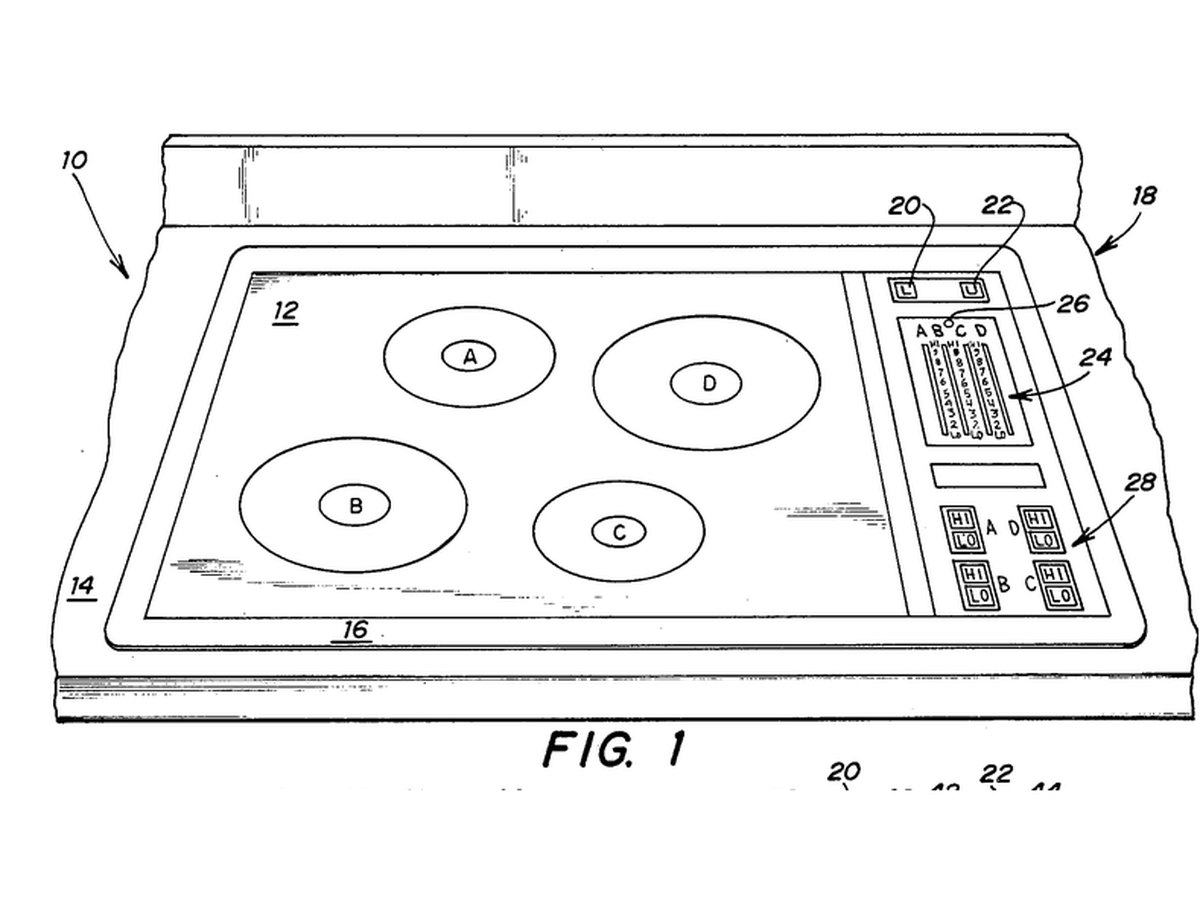
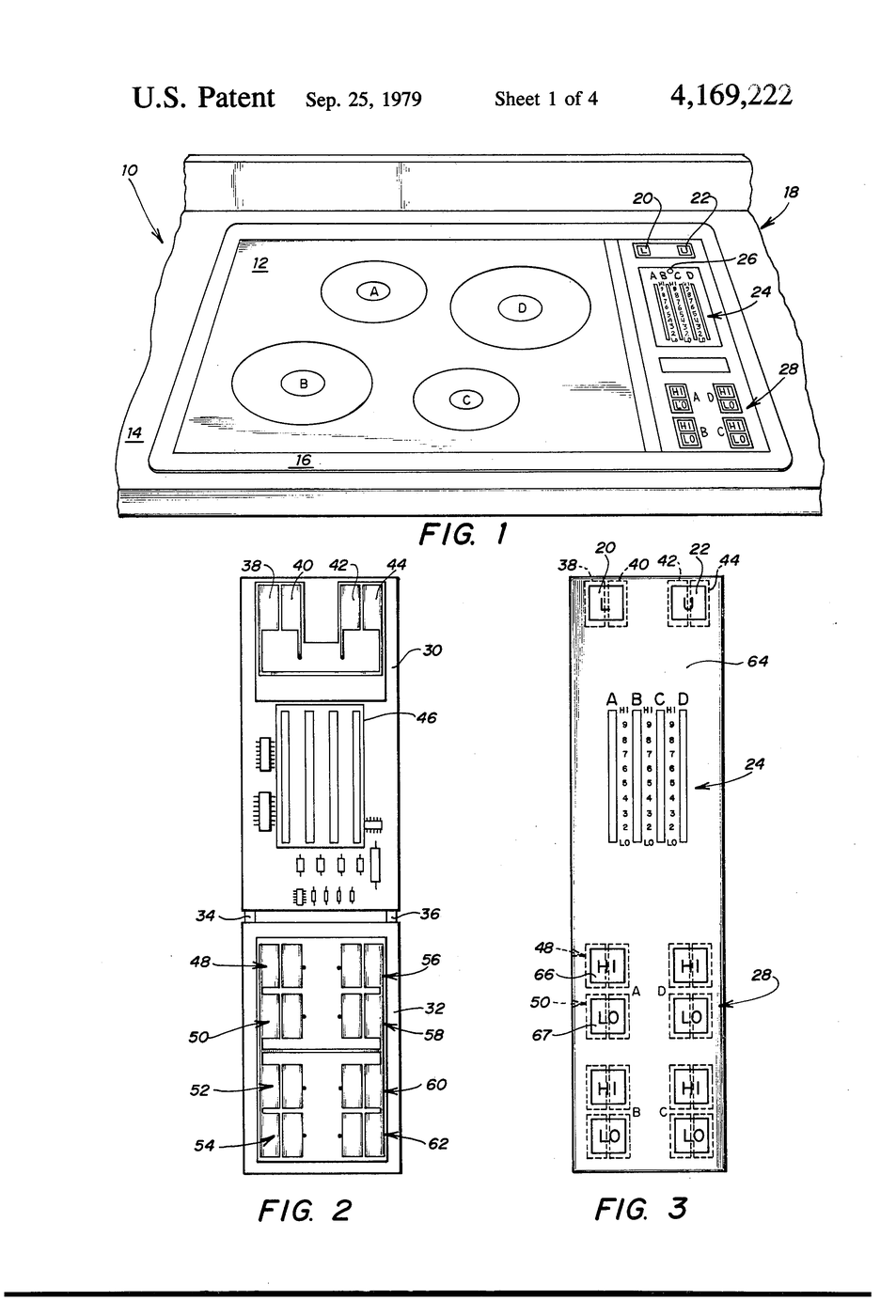
**US 4,169,222**, "Induction cook-top system and control", Raymond M. Tucker, assigned to Rangaire, filed 26. July 1977, granted 25. September 1979: mains rectified to DC, switched into induction heating coils under a non-metallic top, with the power set by the switching.
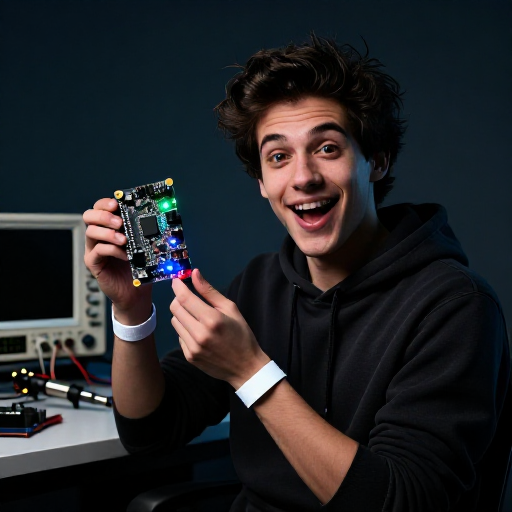
**A mains hob is never opened or built here.** You build a LOW-VOLTAGE induction heater from a 12–24 V module and measure which metals it can heat - which is exactly why some pans work on a hob and others do nothing.
Àárín
3 hours
Ìlànà
1
1
Wind a work coil
Wind a work coil
Wind 6 turns of 10 AWG bare copper wire round a 60 mm former into a flat spiral, leaving 80 mm tails. Keep the turns evenly spaced and not touching.
Àwọn ohun èlò fún ìgbésẹ̀ yìí:
 Okùn Bàbà1 mítà
Àwọn irinṣẹ́ tí a nílò:
 Ìdìpọ̀ ẹmú
 Ìdíwọ̀n
2
2
Power it safely
Power it safely
Bolt the coil to the ZVS module's terminals. Set the bench supply to 12 V with a 5 A limit; the module draws several amps and its transistors get hot. Never run it with no metal near the coil for more than a few seconds, and keep the supply under 24 V.
Àwọn ohun èlò fún ìgbésẹ̀ yìí:
 Ẹ̀ka amúgbóná induction ZVS1 ẹyọ
Àwọn irinṣẹ́ tí a nílò:
 Orísun Iná Tábìlì Tí A Lè Ṣàtúnṣe
 Gílásì Ààbò Tí Ó Mọ́
3
3
Cut six discs
Cut six discs
Cut 40 mm discs from mild steel, stainless (both a magnetic and a non-magnetic grade if you have them), aluminium and copper, all the same thickness. Deburr the edges. Try a magnet on each and note which hold it.
Àwọn ohun èlò fún ìgbésẹ̀ yìí:
 Ìwé Irin Pẹ́lẹ́1 ẹyọ
 Àwo irin tí kò ń yá1 ẹyọ
 Àwo aluminiọ̀mù1 ẹyọ
 Pẹlẹbẹ Bàbà1 ẹyọ
 Ìdìpọ̀ òòfà neodimium1 ìtò
Àwọn irinṣẹ́ tí a nílò:
 Ìlàǹkàn irin
 Ìfá Irin
4
4
Sixty seconds each
Sixty seconds each
Rest each disc on a ceramic tile 5 mm above the coil, note its starting temperature, run for 60 seconds at the same supply setting, and read it again. Lift hot discs with pliers and gloves; let the module cool between runs.
Àwọn irinṣẹ́ tí a nílò:
 Ẹ̀rọ Ìwọ̀n Ooru Infurarẹ́dì
 Aago Ìdúró
 Ìbọ̀wọ́ wẹ́lídìnÌdìpọ̀ ẹmú
5
5
The same test on a real hob
The same test on a real hob
If a commercial induction hob is to hand, put a cast-iron skillet on it, then an aluminium saucepan, and see which one it will even acknowledge. Then hold a magnet to each base.
Àwọn irinṣẹ́ tí a nílò:
 Àwo ìdáná irin dídà
 Ìkòkò olódi gígaÌdìpọ̀ òòfà neodimium
6
6
Skin depth and your results
Skin depth and your results
Ń ṣí ìwé Jupyter…
7
7
History & Context
History & Context
**What the patent specifies:** a cook-top with rectifier, gated semiconductor switches and induction heating coils beneath a non-metallic top, with the heat set by how the coils are switched. **Modern build (derived):** a low-voltage ZVS heater and metal discs.
Induction reached kitchens slowly because the electronics were dear; efficiency into the pan is high and the top stays cool enough not to burn spills on. Its limits: the pan must be magnetic (so much old aluminium and copper cookware is useless), the electronics whine, and a pan smaller than the coil couples poorly.
Àwọn ohun-èlò
7- 1 mítàÀyè
- Àyè
- 1 ẹyọÀyè
- 1 ẹyọÀyè
- 1 ẹyọÀyè
- 1 ẹyọÀyè
- Àyè
Àwọn irinṣẹ́ tó nílò
12- Àyè
- Àyè
- Àyè
- Àyè
- Àyè
Blueprint tó jọra
Àwọn blueprint wọ̀nyí pín ìmọ̀ — ọ̀nà, ohun-èlò tàbí ìlànà

CC0 Àgbègbè Gbogbogbò
Blueprint yìí ti jáde lábẹ́ CC0. O lè ṣe àdàkọ, yí padà, pín, àti lò láìsí ìyọ̀ǹda.
Ṣàtìlẹ́yìn Olùṣẹ́dá nípa rírà àwọn ọjà nipasẹ̀ Blueprint wọn Ẹ̀san Olùṣẹ́dá tí àwọn Olùtajà gbé kalẹ̀, tàbí ṣẹ̀dá àtúnṣe tuntun ti Blueprint yìí kí o sì fi sínú Blueprint rẹ gẹ́gẹ́ bí ìsopọ̀ láti pín owó-wíwọlé.