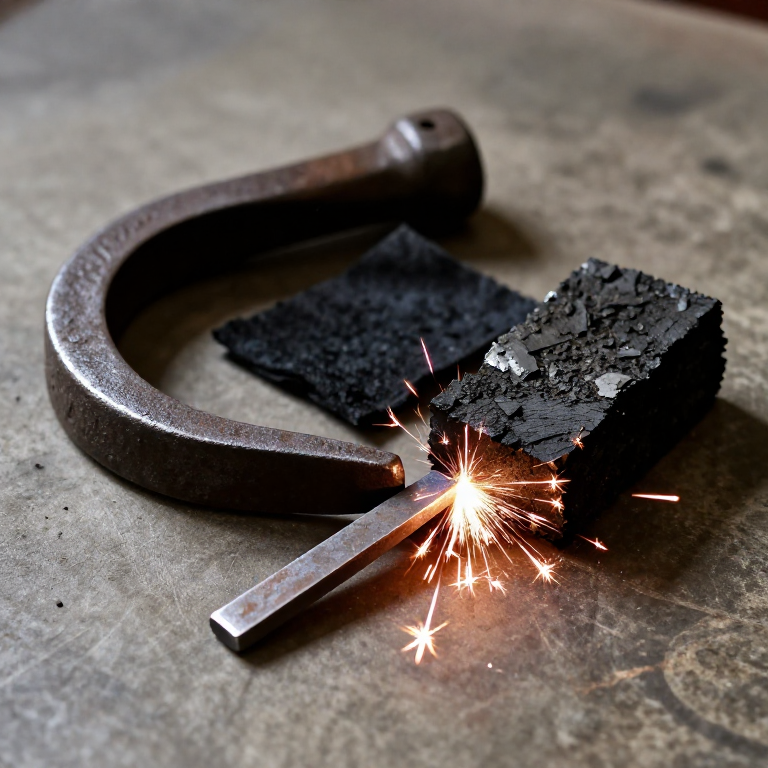


Striking Fire with Flint and Steel — The Iron Age Upgrade to Fire Starting
The moment iron became available, someone struck it against flint and noticed the sparks were hotter and more reliable than the old flint-on-pyrite method. Flint and steel replaced friction fire-starting and flint-on-pyrite across the entire Old World and remained the primary fire-starting technology for over two thousand years — from the Iron Age through the invention of friction matches in the 1830s.
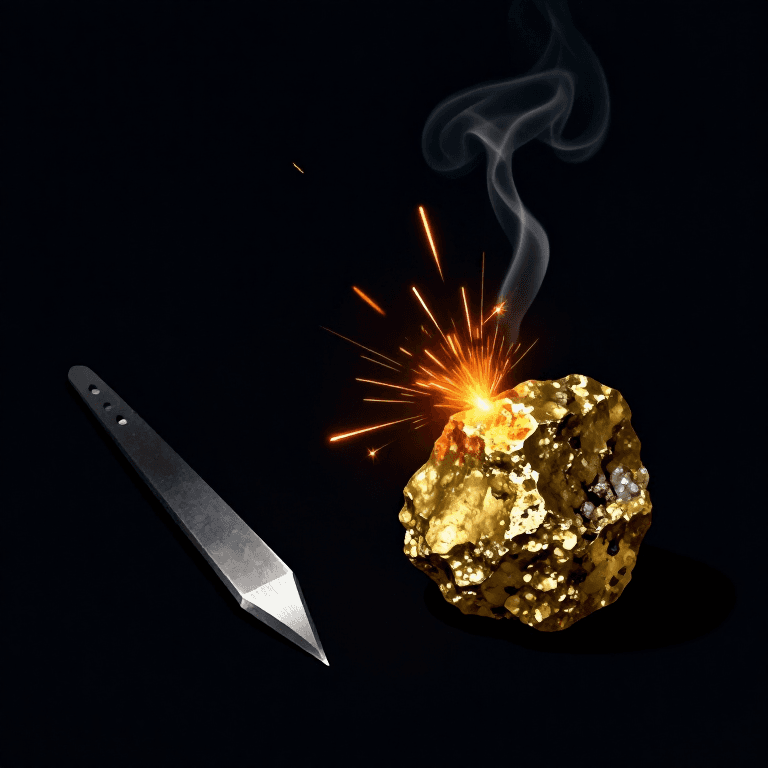
The principle is simple: striking a hardened steel edge sharply against the sharp edge of flint shears off tiny curls of steel. The impact heats these curls to their ignition temperature (about 1,500 °C) and they burn in air as bright white sparks. These sparks are caught in a prepared tinder — charcloth, dried fungus, or charred plant pith — which smoulders and is blown into flame.
The steel used must be high-carbon steel (case-carburised wrought iron or proper spring steel). Soft wrought iron does not produce good sparks — the flint simply scrapes off cold shavings. A properly made fire steel is one of the most important personal tools in pre-match society.
Ìlànà
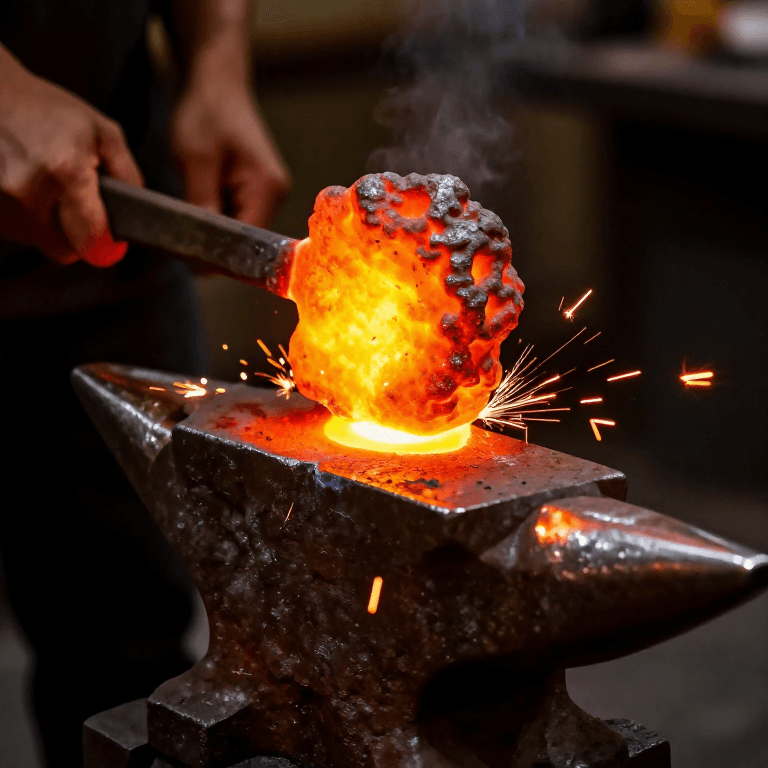
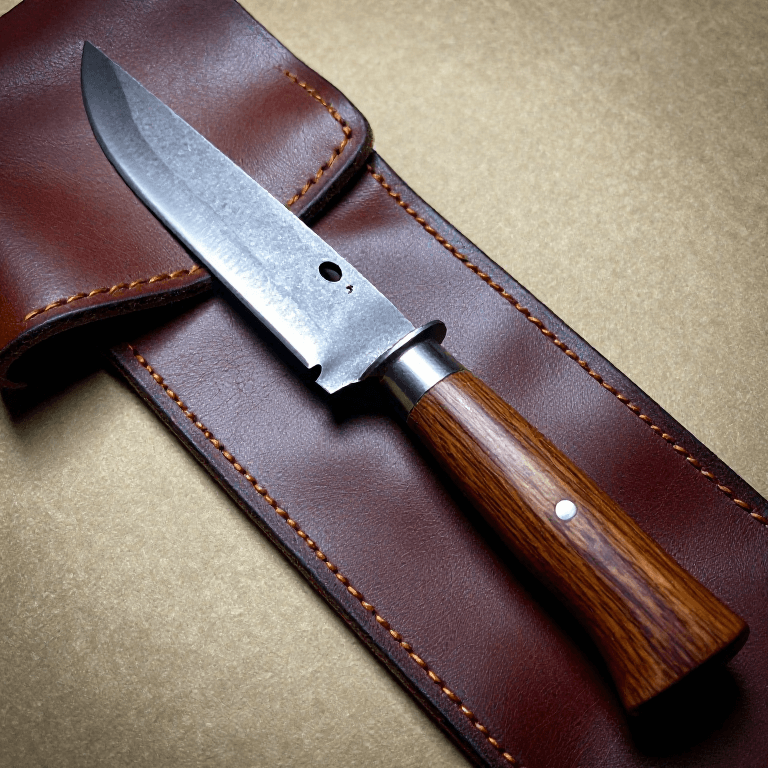
Forge the fire steel blank
Forge the fire steel blank
Àwọn ohun èlò fún ìgbésẹ̀ yìí:
 Èédú2 kg
Àwọn irinṣẹ́ tí a nílò:
 Òòlù Alágbẹ̀dẹ
 Ẹmú Alágbẹ̀dẹ
 Ààrò (Iná Alágbẹ̀dẹ)
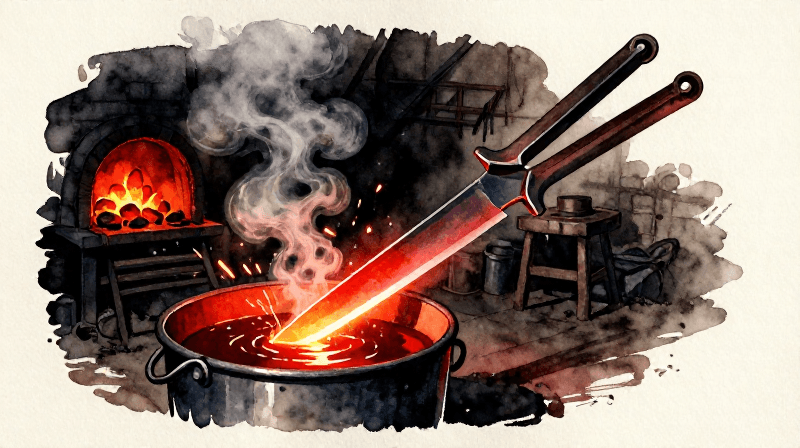
Harden the striking edge
Harden the striking edge
Select and prepare flint
Select and prepare flint
Make charcloth tinder
Make charcloth tinder
Strike sparks onto the tinder
Strike sparks onto the tinder
Blow the ember into flame
Blow the ember into flame
Àwọn ohun-èlò
4- 2 kgÀyè
- 1 ẹyọÀyè
- 1 ẹyọÀyè
- 1 ẹyọÀyè
Àwọn irinṣẹ́ tó nílò
3Àwọn Ohun Èlò Ìtọ́nisọ́nà Tí A So Pọ̀
Ìtọ́nisọ́nà yìí ń ṣe
Blueprint tó jọra
Àwọn blueprint wọ̀nyí pín ìmọ̀ — ọ̀nà, ohun-èlò tàbí ìlànà

CC0 Àgbègbè Gbogbogbò
Blueprint yìí ti jáde lábẹ́ CC0. O lè ṣe àdàkọ, yí padà, pín, àti lò láìsí ìyọ̀ǹda.
Ṣàtìlẹ́yìn Olùṣẹ́dá nípa rírà àwọn ọjà nipasẹ̀ Blueprint wọn Ẹ̀san Olùṣẹ́dá tí àwọn Olùtajà gbé kalẹ̀, tàbí ṣẹ̀dá àtúnṣe tuntun ti Blueprint yìí kí o sì fi sínú Blueprint rẹ gẹ́gẹ́ bí ìsopọ̀ láti pín owó-wíwọlé.