IṢẸ́ ỌNÀ
ẸWÀ ÀTI ÌLERA
IṢẸ́ ỌWỌ́
ÀṢÀ ÀTI ÌTÀN
ÌṢERÉ
ÀYÍKÁ
OÚNJẸ ÀTI OHUN MÍMU
REVERSE ENGINEERING
SÁYẸ́ǸSÌ
ERÉ ÌDÁRAYÁ
ÌMỌ̀-Ẹ̀RỌ
ÀWỌN OHUN WÍWỌ̀
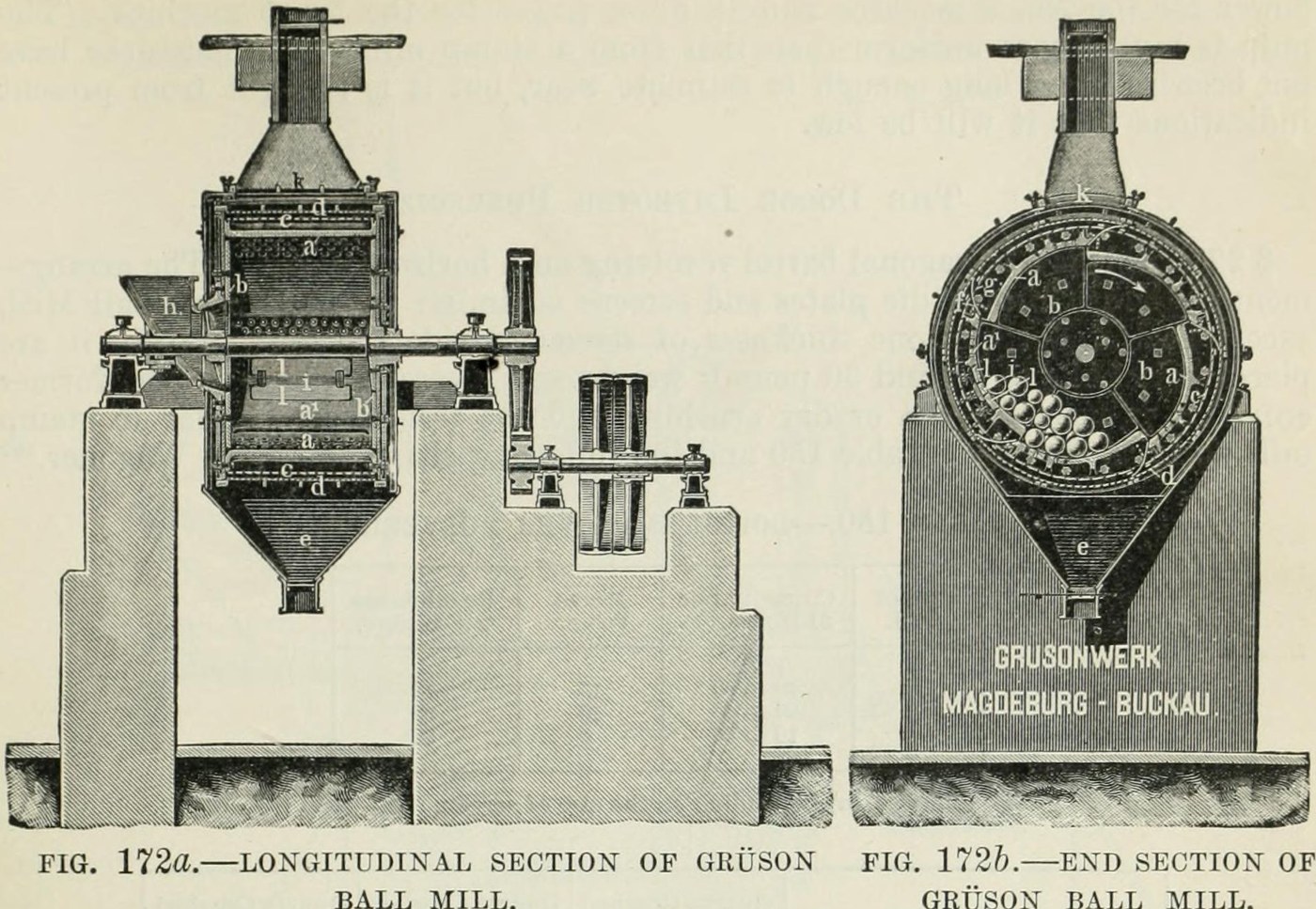


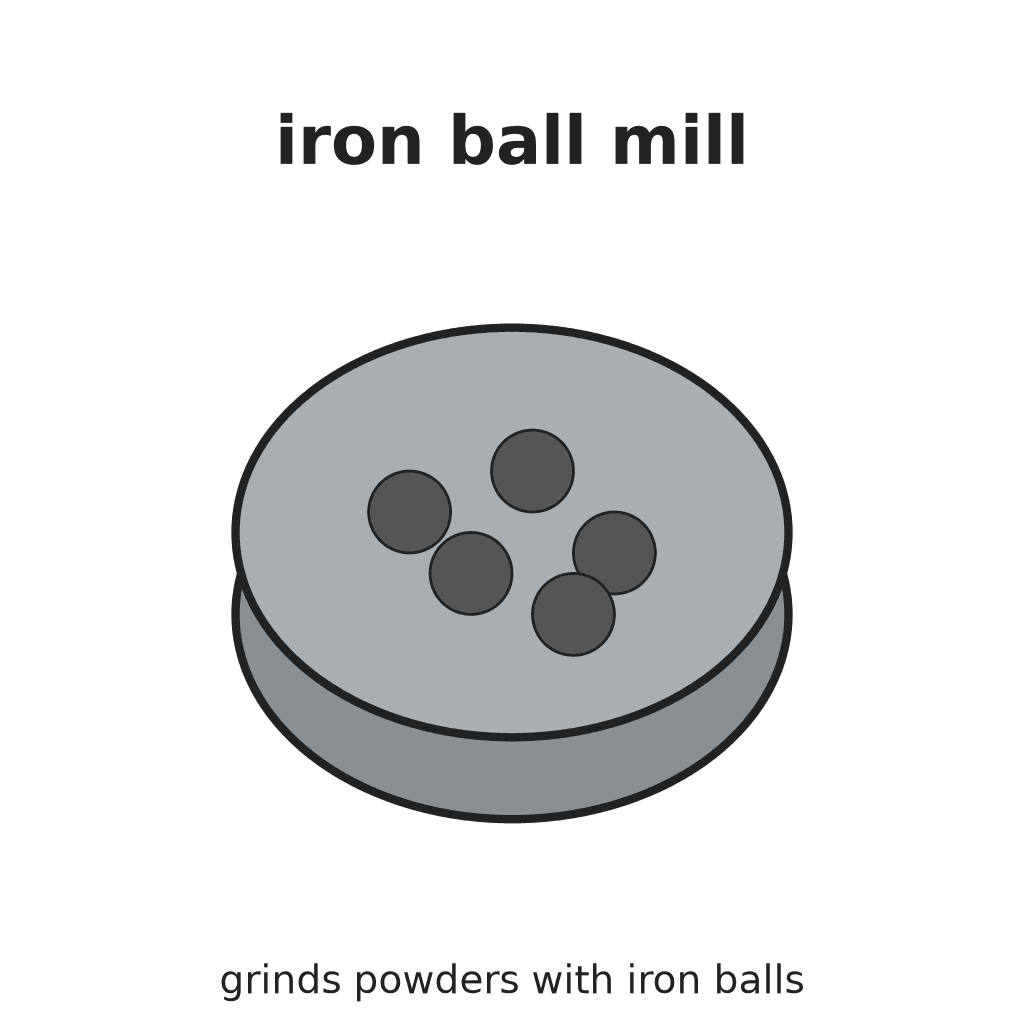
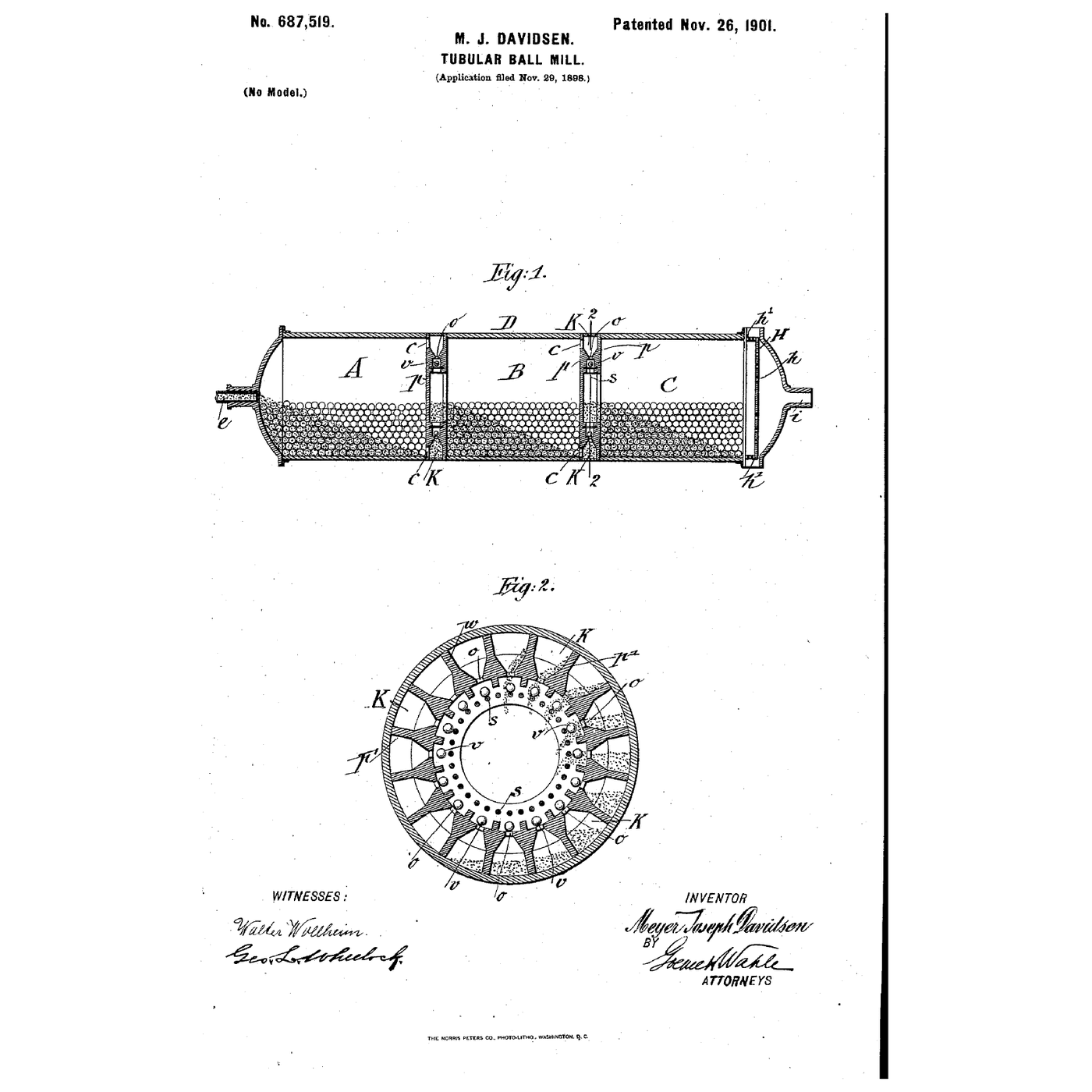
Iron Ball Mill: Grüson Drum with a Stepped Die Ring and Two Screens (Richards, 1903)
The Grüson ball mill: a drum turning on a horizontal axis, charged with chilled iron or steel balls of mixed sizes. The balls grind the ore against each other and against a stepped die ring. The ground ore passes out through a coarse and a fine screen; the oversize is carried back in.
Result: a mill for fine grinding of cement, fertiliser, clay and soft ores, wet or dry. Sizes from 0.66 m to 1.83 m across.
Source: R. H. Richards, Ore Dressing, vol. I (1903), § 225, Figs. 172a-b and Table 149. Unknown: dimensions beyond the table, and the materials of the side plates, screens and shaft. Picture: Richards, Figs. 172a-b.
Ilọsíwájú
Unknown
Ìlànà
1
1
Make the drum and the die ring
Make the drum and the die ring
The drum is two side plates (b) joined round the edge by the die ring (a). The die ring is five perforated, spiral plates of chilled iron. Each plate laps the next, so they form steps: the balls drop from one step to the next, and the space under each step lets the oversize from the screens back in. Not given: the side-plate material, sizes, hole sizes.
Àwọn ohun èlò fún ìgbésẹ̀ yìí:
 Àwọn ohun irin dídà5 die plates, chilled iron
 Ohun èlò tí a kò mọ̀2 side plates
Àwọn irinṣẹ́ tí a nílò:
 Ìwọ̀n tí a kò mọ̀
 Kọ́kọ́rọ́ tí a lè ṣàtúnṣe
2
2
Put the two screens round it
Put the two screens round it
Outside the die ring, fit a coarse perforated screen (c) to take the wear. It is in five parts with spaces between them and has back-deflecting holes (g). Outside that, fit a fine gauze screen (d). At the end of each section of fine screen, fix a deflector or shovel (f). As the drum turns, it carries the oversize up and back into the grinding space. Not given: the screens' metal and mesh.
Àwọn ohun èlò fún ìgbésẹ̀ yìí:
 Àwo asẹ́ oníhò1 coarse screen, 5 parts
 Aṣọ ajọ okùn onírin híhun1 fine screenOhun èlò tí a kò mọ̀5 deflectors
Àwọn irinṣẹ́ tí a nílò:
Ìwọ̀n tí a kò mọ̀Kọ́kọ́rọ́ tí a lè ṣàtúnṣe3
3
Mount and house it
Mount and house it
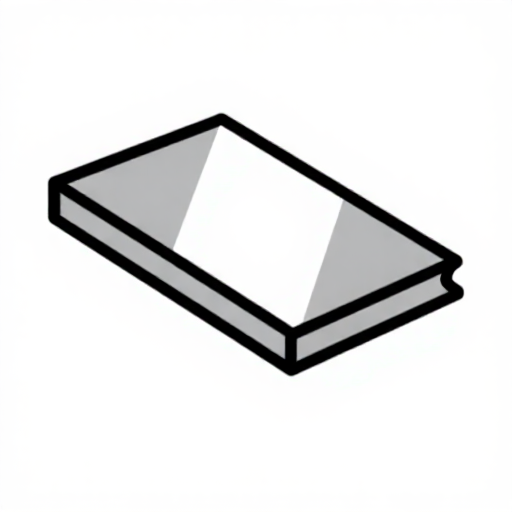
Carry the drum on a horizontal shaft in two bearings; the figures show them on masonry piers. Enclose the drum in a plate iron housing with a discharge spout (e) below, a feed hopper (h) at one end, a manhole (i) and a dust pipe (k) on top. Ours: steel sheet for the plate iron.
Àwọn ohun èlò fún ìgbésẹ̀ yìí:
 Ọ̀pá irin agbéǹkẹ́kẹ́1 mill shaft
 Ìdìmú bííyárìn2 ẹyọ
 Ìwé Irin Pẹ́lẹ́1 housing, spout, hopper
Àwọn irinṣẹ́ tí a nílò:
Kọ́kọ́rọ́ tí a lè ṣàtúnṣeÌwọ̀n tí a kò mọ̀4
4
Fit the drive
Fit the drive
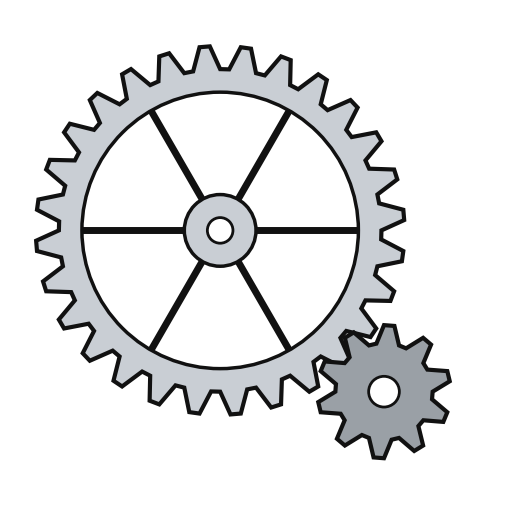
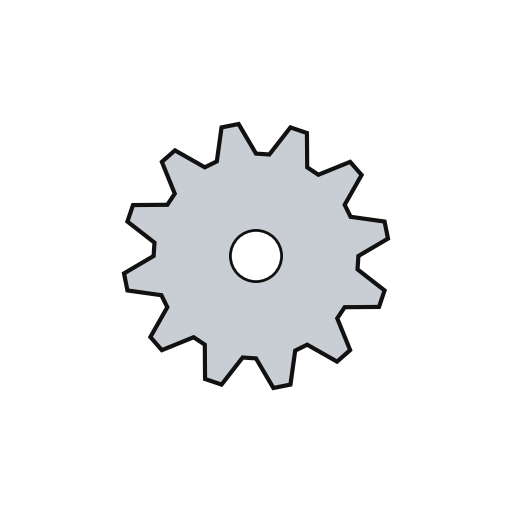
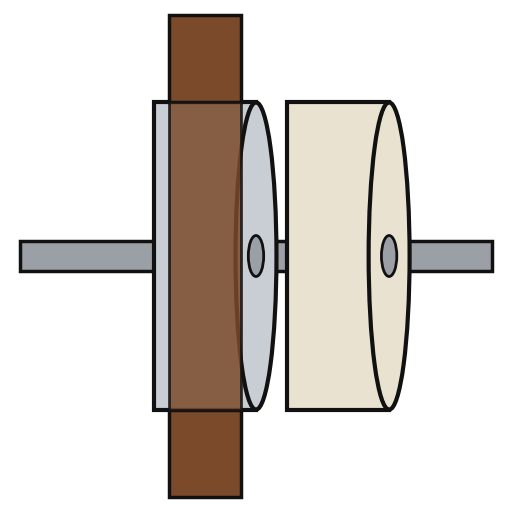
Drive the mill by gear and pinion. In the figure, the gear is on the mill shaft and the pinion on a countershaft that carries tight and loose pulleys. A belt from the line shaft runs on the pulleys: on the tight pulley the mill turns, on the loose pulley it stops.
Àwọn ohun èlò fún ìgbésẹ̀ yìí:
 Kẹ̀kẹ́ ehín ńlá1 on the mill shaft
 Pínínọ̀nù1 ẹyọỌ̀pá irin agbéǹkẹ́kẹ́1 countershaftÌdìmú bííyárìn2 ẹyọ
 Púlì tí a dè mọ́ àti púlì aláìdè1 ẹyọ
Àwọn irinṣẹ́ tí a nílò:
 Bẹ́líìtì ìwakọ̀Kọ́kọ́rọ́ tí a lè ṣàtúnṣe
5
5
Charge the balls (size sets the charge)
Charge the balls (size sets the charge)
Load chilled iron or steel balls in mixed sizes; mixed sizes grind better than one size. Size is the variable: No. 0 (0.660 m drum, 45 rev/min) takes 15 kg of 40 mm and 45 kg of 80 mm balls, 60 kg in all. No. 2 (1.330 m, 30 rev/min) takes 100 kg each of 100, 115 and 125 mm, 300 kg. No. 4 (1.830 m, 25 rev/min) takes 217 kg each of the same three sizes, 650 kg. The bigger the drum, the slower it turns and the heavier its charge.
Àwọn ohun èlò fún ìgbésẹ̀ yìí:
 Ohun èlò ìlọ̀ (bọ́ọ̀lù irin)300 kg for No. 2; 60 kg No. 0, 650 kg No. 4
Àwọn irinṣẹ́ tí a nílò:
 Ìwọ̀n pẹpẹ ti iléeṣẹ́
6
6
Grind
Grind
Feed the ore, egg-size, through the hopper and run the mill wet or dry. Power, and output per 24 hours: No. 0 takes 1/4 horse power and grinds 1,680 kg of copper ore to 15 mesh, or 840 kg of chrome iron ore to 130 mesh. No. 2 takes 2 1/2 to 3 horse power: 14,400 kg of brick bats to 20 mesh, or 1,920 kg of emery to 200 mesh. No. 4 takes 9 to 11 horse power: 12,720 kg of gold ores to 40 mesh, or 10,800 kg of chrome iron ore to 130 mesh. Wear: 1,345 kg of balls for 102,400 barrels of cement, about 0.139 lb a ton. The end plates last 18 months. Hard quartz ores wear the balls too much.
Àwọn irinṣẹ́ tí a nílò:
Bẹ́líìtì ìwakọ̀ Omi
Àwọn ohun-èlò
11- 5 die plates, chilled ironÀyè
- 5 deflectorsÀyè
- 1 coarse screen, 5 partsÀyè
- 1 fine screenÀyè
- 1 countershaftÀyè
- 2 ẹyọÀyè
- 1 housing, spout, hopperÀyè
- 1 on the mill shaftÀyè
- 1 ẹyọÀyè
- Àyè
- 300 kg for No. 2; 60 kg No. 0, 650 kg No. 4Àyè
Àwọn Ohun Èlò Ìtọ́nisọ́nà Tí A So Pọ̀



Ìtọ́nisọ́nà yìí ń ṣe
Blueprint tó jọra
Àwọn blueprint wọ̀nyí pín ìmọ̀ — ọ̀nà, ohun-èlò tàbí ìlànà


CC0 Àgbègbè Gbogbogbò
Blueprint yìí ti jáde lábẹ́ CC0. O lè ṣe àdàkọ, yí padà, pín, àti lò láìsí ìyọ̀ǹda.
Ṣàtìlẹ́yìn Olùṣẹ́dá nípa rírà àwọn ọjà nipasẹ̀ Blueprint wọn Ẹ̀san Olùṣẹ́dá tí àwọn Olùtajà gbé kalẹ̀, tàbí ṣẹ̀dá àtúnṣe tuntun ti Blueprint yìí kí o sì fi sínú Blueprint rẹ gẹ́gẹ́ bí ìsopọ̀ láti pín owó-wíwọlé.