IṢẸ́ ỌNÀ
ẸWÀ ÀTI ÌLERA
IṢẸ́ ỌWỌ́
ÀṢÀ ÀTI ÌTÀN
ÌṢERÉ
ÀYÍKÁ
OÚNJẸ ÀTI OHUN MÍMU
REVERSE ENGINEERING
SÁYẸ́ǸSÌ
ERÉ ÌDÁRAYÁ
ÌMỌ̀-Ẹ̀RỌ
ÀWỌN OHUN WÍWỌ̀
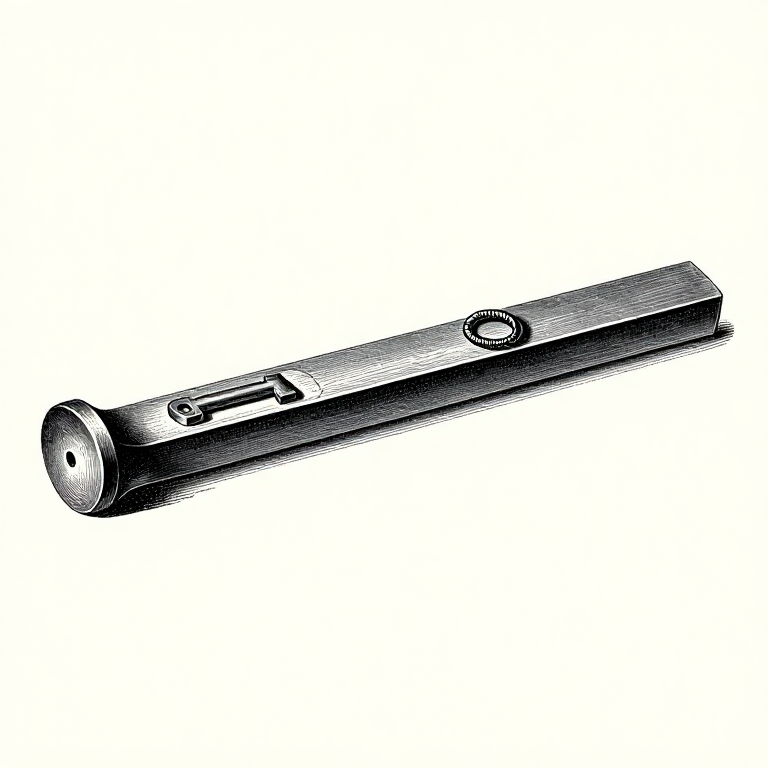

Keeping It Together: Shoulders, Keys, Circlips and What Each One Resists
A part on a shaft can move in three ways: it can slide ALONG the shaft, it can rotate AROUND it, and it can rattle radially. Each needs its own answer, and the commonest assembly fault is using one feature to do a job it cannot do.
A SHOULDER stops axial movement in one direction and nothing else. A KEY stops rotation and nothing else. A CIRCLIP stops axial movement in one direction. An INTERFERENCE FIT resists all three, up to its limit.
So a pulley with a key and no clamp will walk along its shaft; a pulley with a grub screw and no key will eventually spin; and a bearing located only by a circlip on one side will be pushed out the other. Every real assembly needs two or three of these together.
Àárín
3 hours
Ìlànà
1
1
Locate axially against a shoulder, and clamp the other side
Locate axially against a shoulder, and clamp the other side
A machined shoulder is the best axial location there is: it is part of the shaft, it cannot loosen, and it positions the part precisely. But it works in one direction only.
So the other side needs something — a locknut, a circlip, a clamping collar, an end plate. The part is then trapped between two features and cannot move either way.
Make the shoulder the right size. A shoulder taller than the bearing's inner ring will foul the seal or the outer ring; too short and it contacts only part of the ring face and pushes it out of square. Bearing makers publish the shoulder diameter for exactly this reason.
Àwọn ohun èlò fún ìgbésẹ̀ yìí:
 Ọ̀pá irin 30 mm1 ẹyọ
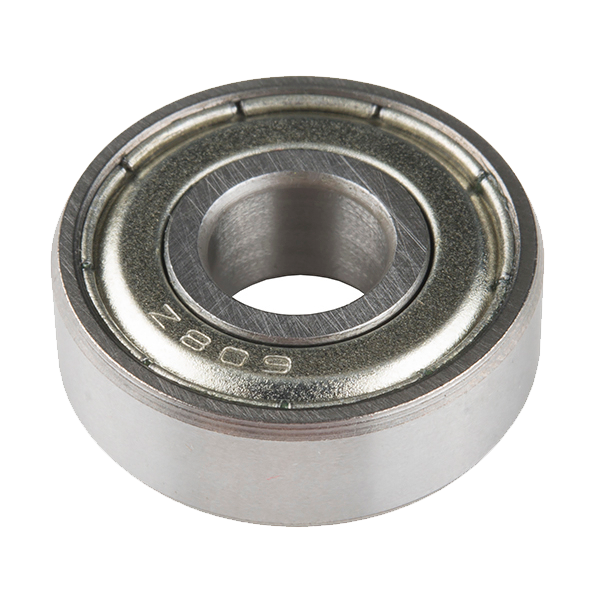 Ball Bearing - Non-Flanged (8mm Bore, 22mm OD)1 ẹyọ
Àwọn irinṣẹ́ tí a nílò:
 Kálípà Fáníà
 Ìdìpọ̀ òǹwọ̀n àyè
2
2
Keys carry torque, and only on their sides
Keys carry torque, and only on their sides
A parallel key transmits torque through its two long SIDES bearing against the keyway walls. The top of the key should not touch the bottom of the hub's keyway — there is meant to be a small clearance there.
A key that is a tight fit on its top and loose on its sides carries nothing. It is held by friction on a face that was never designed to grip, and it will roll in the keyway and batter it oval.
Keyways are stress raisers. A keyway cut into a shaft removes material exactly where the bending stress is highest, so a keyed shaft is meaningfully weaker than a plain one — which is why highly loaded joints use splines, tapers or interference fits instead.
Àwọn ohun èlò fún ìgbésẹ̀ yìí:
Ọ̀pá irin 30 mm1 ẹyọ Kẹ̀kẹ́ okùn1 ẹyọ
Àwọn irinṣẹ́ tí a nílò:
Kálípà FáníàÌdìpọ̀ òǹwọ̀n àyè Ìdìmú tábìlì iṣẹ́ tí ó wúwo
3
3
Circlips, grub screws and what each is honestly good for
Circlips, grub screws and what each is honestly good for
A CIRCLIP is a light axial stop. It is excellent at preventing a part from wandering and poor at resisting a real thrust load, and it must be fully seated in its groove with the sharp edge facing the load.
A GRUB SCREW into a plain shaft is the weakest common method. It grips on a tiny area, it digs a burr into the shaft that makes the part hard to remove, and it loosens under vibration. It is acceptable for a light component, and it is not a substitute for a key.
Two grub screws at ninety degrees are much better than one, a flat milled on the shaft better again, and a grub screw used ALONGSIDE a key — one to carry torque, one to stop axial movement — is the combination that actually works.
Àwọn ohun èlò fún ìgbésẹ̀ yìí:
 Ìsúrú Ìdìmú1 ẹyọ
 Alẹ̀mọ́ ìdí ìhò1 ẹyọỌ̀pá irin 30 mm1 ẹyọ
Àwọn irinṣẹ́ tí a nílò:
Ìdìmú tábìlì iṣẹ́ tí ó wúwoÌdìpọ̀ òǹwọ̀n àyè4
4
Vibration undoes threads, so lock them
Vibration undoes threads, so lock them
A threaded fastener on a machine that vibrates will loosen, because vibration lets the surfaces slip microscopically and each slip lets the thread turn a little. That is a mechanism, not bad luck, and it does not care how tight the fastener was.
The cures work differently. THREAD LOCKER fills the gaps so the surfaces cannot slip. A NYLOC nut adds friction that the vibration must overcome. A TAB WASHER or wire lock is a mechanical stop that does not rely on friction at all.
Correct preload is the first defence and the one people skip. A joint tightened properly is clamped hard enough that its faces never slip, so the loosening mechanism never starts — which is the tightening rung's whole argument, and it is why a locking compound is a second line rather than a first.
Àwọn ohun èlò fún ìgbésẹ̀ yìí:
Alẹ̀mọ́ ìdí ìhò1 ẹyọÌsúrú Ìdìmú1 ẹyọÀwọn irinṣẹ́ tí a nílò:
Ìdìmú tábìlì iṣẹ́ tí ó wúwoÀwọn ohun-èlò
5- 1 ẹyọÀyè
- 1 ẹyọ$1.27
- 1 ẹyọÀyè
- Ìsúrú Ìdìmúìdá 10%2 ẹyọÀyè
- 2 ẹyọÀyè
Àwọn irinṣẹ́ tó nílò
3- Àyè
Àpapọ̀ Ìfojúsùn
Ohun tí ẹni tó ṣe é rà. Àwọn ohun èlò tí kò ní iye owó ni o máa rà níbi tí o bá ti rà á.
Blueprint tó jọra
Àwọn blueprint wọ̀nyí pín ìmọ̀ — ọ̀nà, ohun-èlò tàbí ìlànà
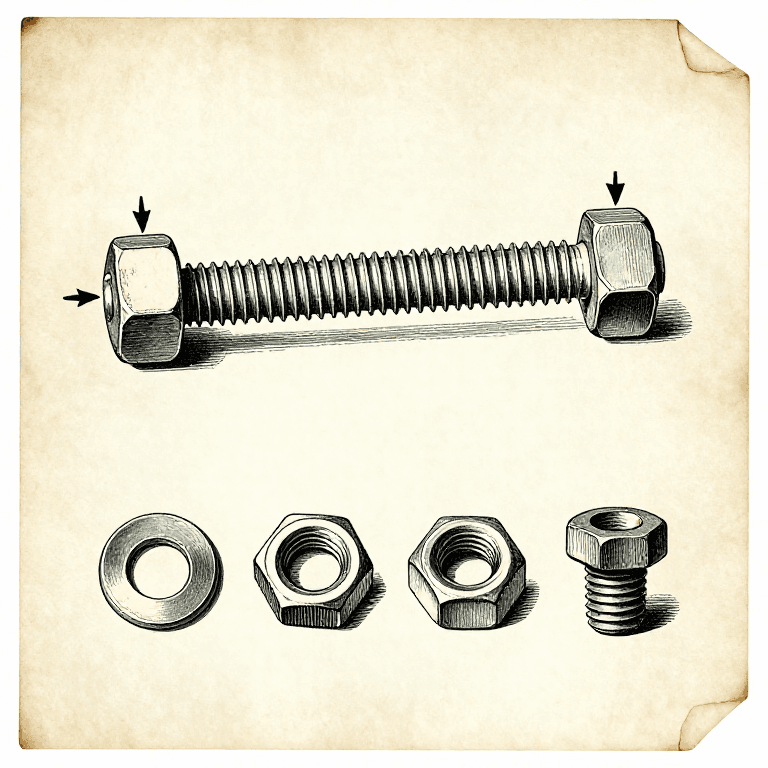
Tightening: How Tight Is Right, and Making It Stay
láti ọwọ́ Martin
Àwọn Irinṣẹ́ Irin
19
0
0
0
0
0
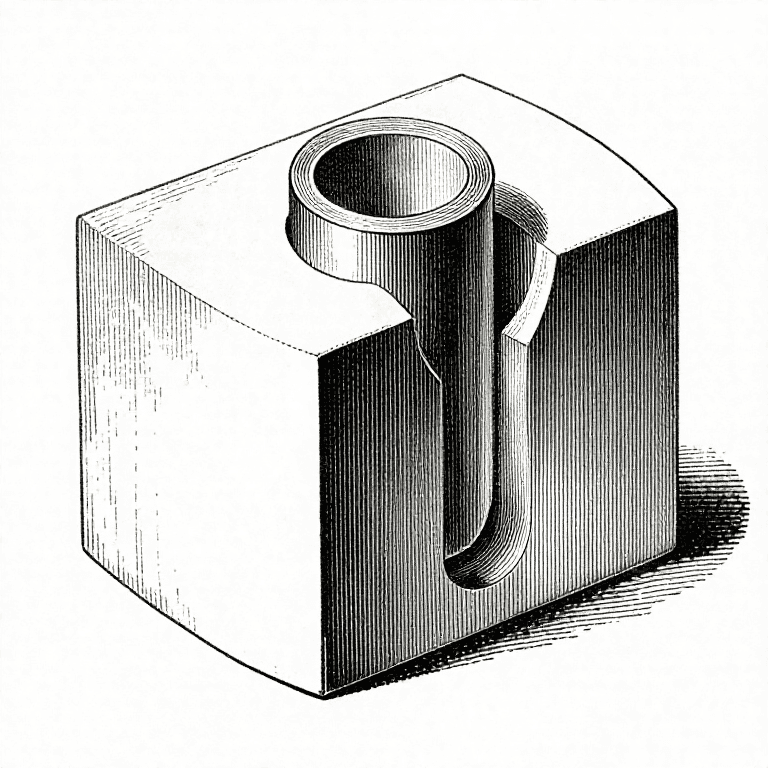
Fits: Clearance, Transition and Interference — the Difference Is Microns
láti ọwọ́ Martin
Àwọn Irinṣẹ́ Irin
25
0
0
0
0
0
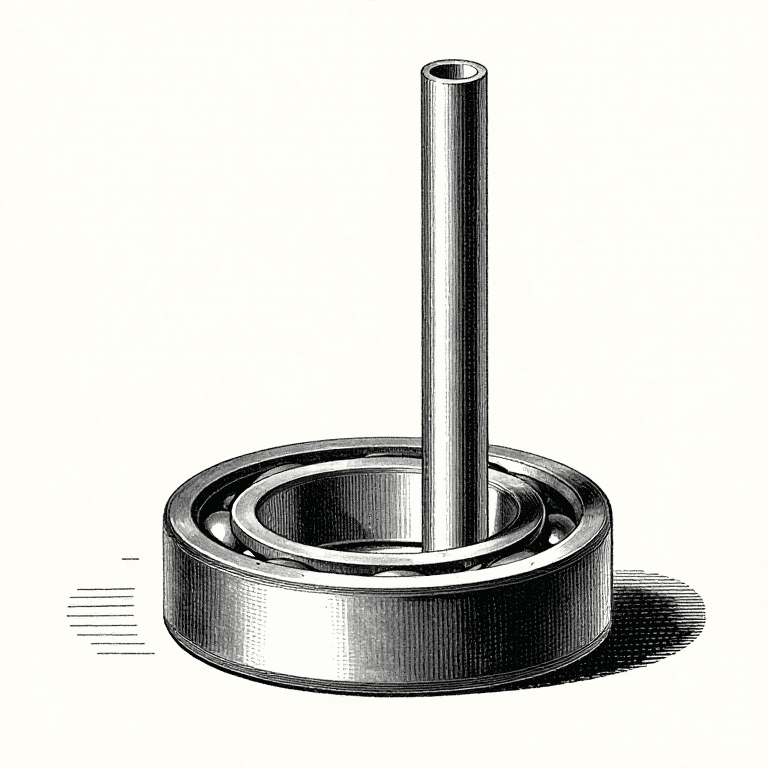
Mounting a Bearing: Press on the Ring That Is Being Fitted, Never Through the Balls
láti ọwọ́ Martin
Ìmọ̀-ẹ̀rọ
28
0
0
0
0
0
CC0 Àgbègbè Gbogbogbò
Blueprint yìí ti jáde lábẹ́ CC0. O lè ṣe àdàkọ, yí padà, pín, àti lò láìsí ìyọ̀ǹda.
Ṣàtìlẹ́yìn Olùṣẹ́dá nípa rírà àwọn ọjà nipasẹ̀ Blueprint wọn Ẹ̀san Olùṣẹ́dá tí àwọn Olùtajà gbé kalẹ̀, tàbí ṣẹ̀dá àtúnṣe tuntun ti Blueprint yìí kí o sì fi sínú Blueprint rẹ gẹ́gẹ́ bí ìsopọ̀ láti pín owó-wíwọlé.