IṢẸ́ ỌNÀ
ẸWÀ ÀTI ÌLERA
IṢẸ́ ỌWỌ́
ÀṢÀ ÀTI ÌTÀN
ÌṢERÉ
ÀYÍKÁ
OÚNJẸ ÀTI OHUN MÍMU
REVERSE ENGINEERING
SÁYẸ́ǸSÌ
ERÉ ÌDÁRAYÁ
ÌMỌ̀-Ẹ̀RỌ
ÀWỌN OHUN WÍWỌ̀


Keyway Broaching: Tooth Pitch, Rise per Tooth, Rake and Clearance by Metal and Hardness, Pushing Force
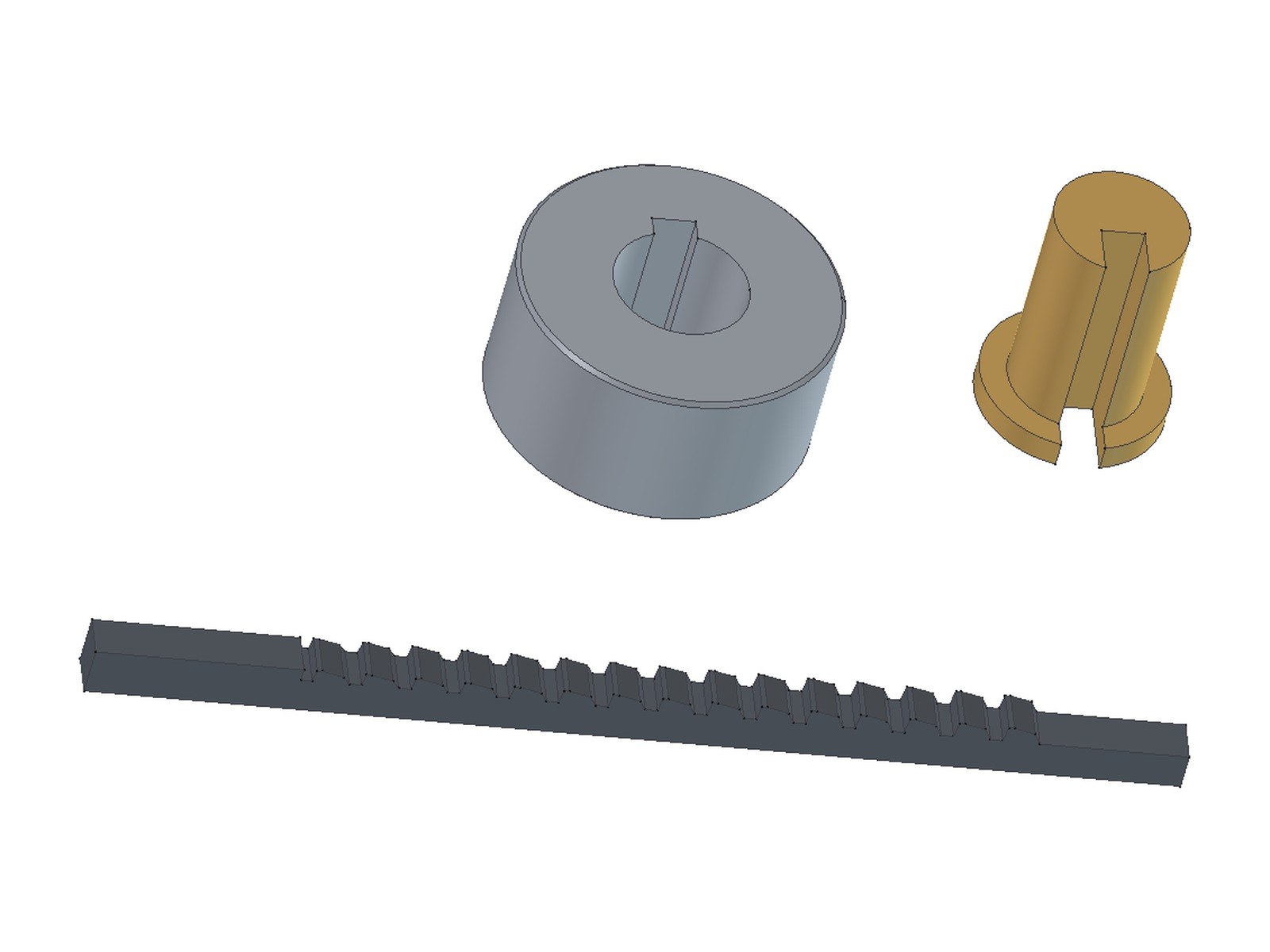
Cut a keyway in a bore with a keyway broach in an arbor press, and work out the broach criteria for your metal: tooth pitch and teeth in contact, rise per tooth and the number of teeth, rake and clearance by material and hardness, and the pushing force. Rules from Machinery's Handbook (1924), Hammond (1921), the US Navy and Metcut (1980).
Àárín
About 1 hour per part
Ìlànà
1
1
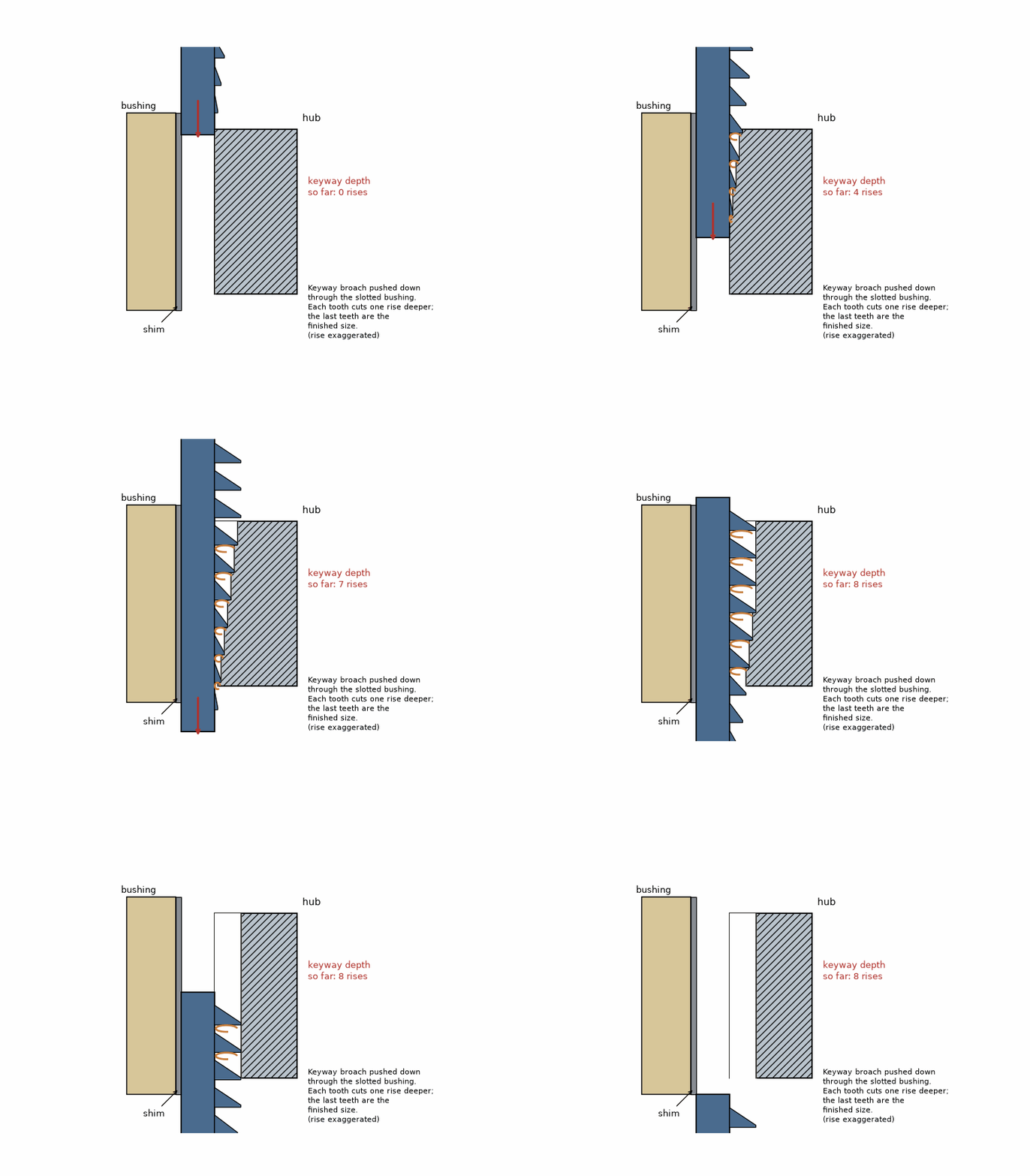
How a keyway broach cuts
How a keyway broach cuts
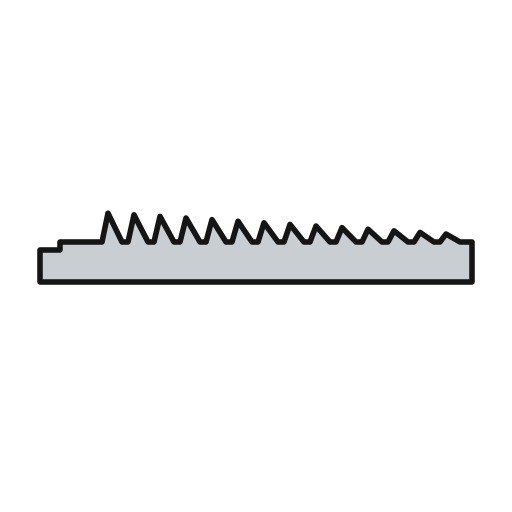
The broach slides through a slotted bushing in the bore. Each tooth stands a little higher than the one before (the rise), so each takes a thin chip and the keyway deepens tooth by tooth; the last teeth are the finished size and only clean up. Shims behind the broach set the depth for the next pass. Our animation; the rise is exaggerated.
2
2
Tooth pitch and teeth in contact
Tooth pitch and teeth in contact
Ń ṣí ìwé Jupyter…
3
3
Rise per tooth by metal
Rise per tooth by metal
Ń ṣí ìwé Jupyter…
4
4
Rake and clearance by hardness
Rake and clearance by hardness
Ń ṣí ìwé Jupyter…
5
5
Pushing force (estimate)
Pushing force (estimate)
Ń ṣí ìwé Jupyter…
6
6
Check the work hardness
Check the work hardness
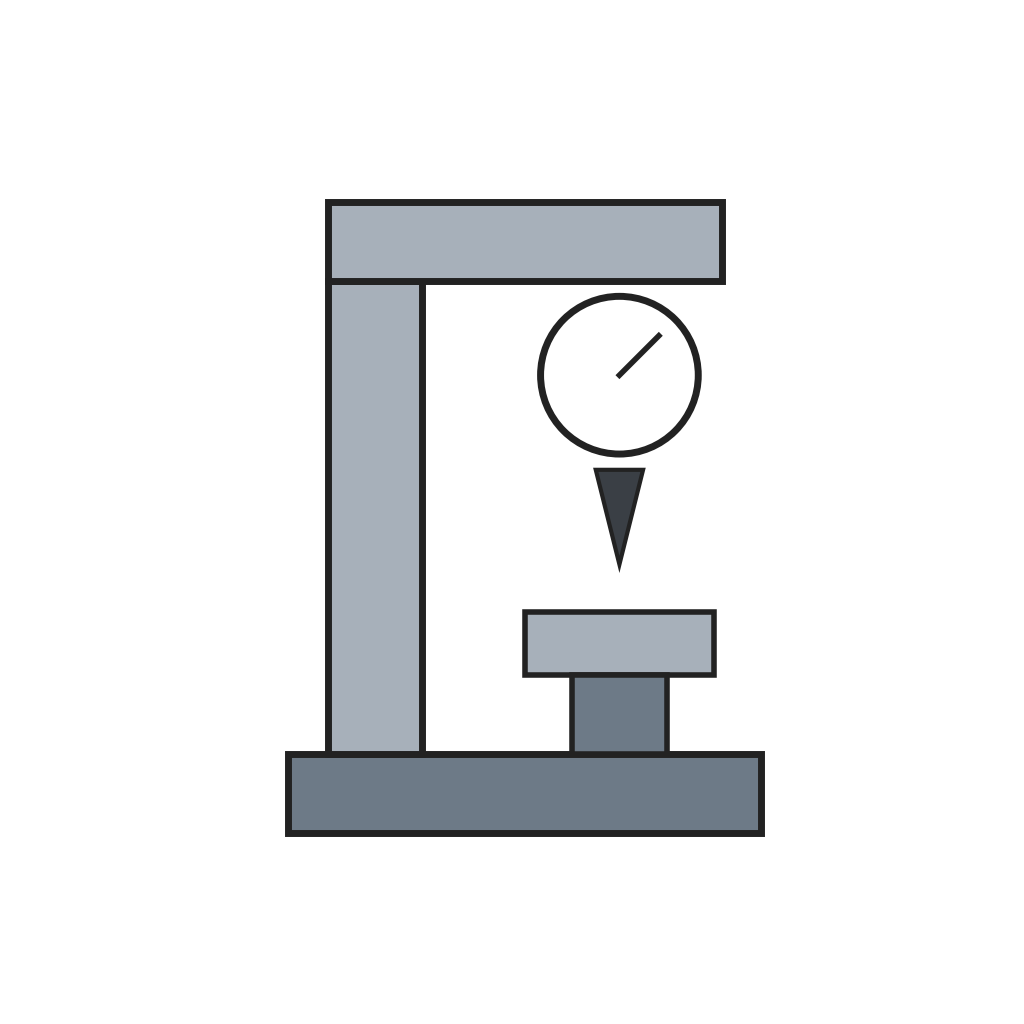
Test the hub. Metcut's angles are by Brinell. For steel Hammond wants scleroscope 32-40: softer tears, harder "will rapidly destroy the broaches". He gives no Brinell or Rockwell figure; convert with a standard table (ASTM E140) if you test in Rockwell.
Àwọn irinṣẹ́ tí a nílò:
 Ẹ̀rọ ìwọ̀n líle Rockwell
7
7
Bore and bushing
Bore and bushing
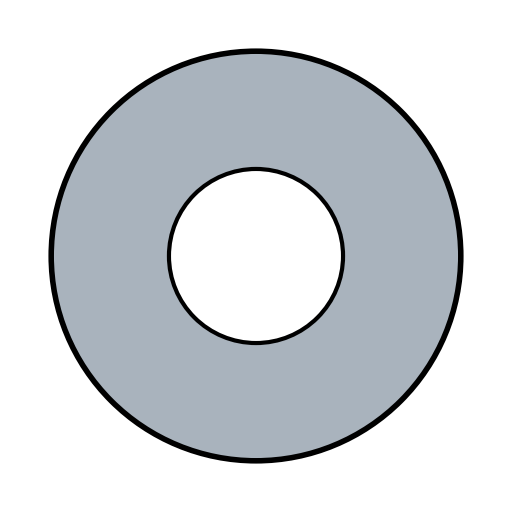
The bore must be to size: the broach's pilot should enter freely but not let the broach drop past the first tooth. Fit the bushing snug in the bore, slot where the keyway goes.
Àwọn ohun èlò fún ìgbésẹ̀ yìí:
 Bored Hub Blank1 ẹyọ
Àwọn irinṣẹ́ tí a nílò:
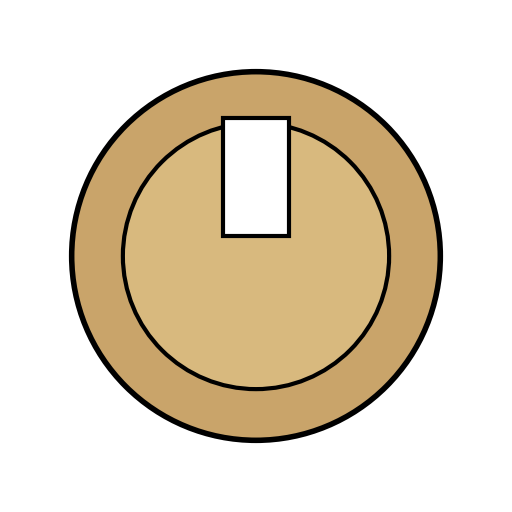 Keyway Broach Bushing
 Kálípà Fáníà
8
8
Set up in the press
Set up in the press
Set hub, bushing and broach square under the arbor press, rigid and true. Oil the broach: broaching oil is best; lard or soluble oil will help.
Àwọn irinṣẹ́ tí a nílò:
 Ẹ̀rọ ìtẹ̀ ọwọ́
 Broach ihò kọ́kọ́rọ́
 Òróró gígé
9
9
Push it through
Push it through
Push with slow, even pressure. Never bring the broach back up through the hole: push it on through and catch it on a soft cushion.
Àwọn irinṣẹ́ tí a nílò:
Ẹ̀rọ ìtẹ̀ ọwọ́ Aṣọ Òwú
10
10
Shim and repeat
Shim and repeat
Put the next shim behind the broach to set the next depth, oil, and push through again. Repeat until the keyway is deep enough.
Àwọn irinṣẹ́ tí a nílò:
 Broach ShimÒróró gígé
11
11
Measure the keyway
Measure the keyway
Check the width and the depth from the opposite side of the bore.
Àwọn irinṣẹ́ tí a nílò:
Kálípà Fáníà Máíkírómítà
12
12
Troubleshooting
Troubleshooting
Broaching problems and fixes.
Flow
Loading...
13
13
Sources and honest limits
Sources and honest limits
*Machinery's Handbook* 6th ed. (1924) pp. 1135-1137 (first printed in Jones, *Broaching*, 1914); Hammond, *Broaching Practice* (1921) pp. 6, 7, 44; US Navy, *Machinery Repairman 3 & 2* (1990) p. 3-24; Metcut, *Machining Data Handbook* 3rd ed. (1980) Table 15.16 and pp. 17-8 to 17-20, © Metcut, cited. Not in any source we could read: cutting speed by hardness (Hammond gives 5-6 ft/min for 1921 carbon-steel broaches) and a Brinell or Rockwell limit. The force formula is our derivation. Ours: the animation, the example sizes.
Àwọn ohun-èlò
1- 1 ẹyọÀyè
Àwọn irinṣẹ́ tó nílò
9- Àyè
- Àyè
- Àyè
- Àyè
- Àyè
Ìtọ́nisọ́nà yìí ń ṣe
Blueprint tó jọra
Àwọn blueprint wọ̀nyí pín ìmọ̀ — ọ̀nà, ohun-èlò tàbí ìlànà
CC0 Àgbègbè Gbogbogbò
Blueprint yìí ti jáde lábẹ́ CC0. O lè ṣe àdàkọ, yí padà, pín, àti lò láìsí ìyọ̀ǹda.
Ṣàtìlẹ́yìn Olùṣẹ́dá nípa rírà àwọn ọjà nipasẹ̀ Blueprint wọn Ẹ̀san Olùṣẹ́dá tí àwọn Olùtajà gbé kalẹ̀, tàbí ṣẹ̀dá àtúnṣe tuntun ti Blueprint yìí kí o sì fi sínú Blueprint rẹ gẹ́gẹ́ bí ìsopọ̀ láti pín owó-wíwọlé.