IṢẸ́ ỌNÀ
ẸWÀ ÀTI ÌLERA
IṢẸ́ ỌWỌ́
ÀṢÀ ÀTI ÌTÀN
ÌṢERÉ
ÀYÍKÁ
OÚNJẸ ÀTI OHUN MÍMU
REVERSE ENGINEERING
SÁYẸ́ǸSÌ
ERÉ ÌDÁRAYÁ
ÌMỌ̀-Ẹ̀RỌ
ÀWỌN OHUN WÍWỌ̀
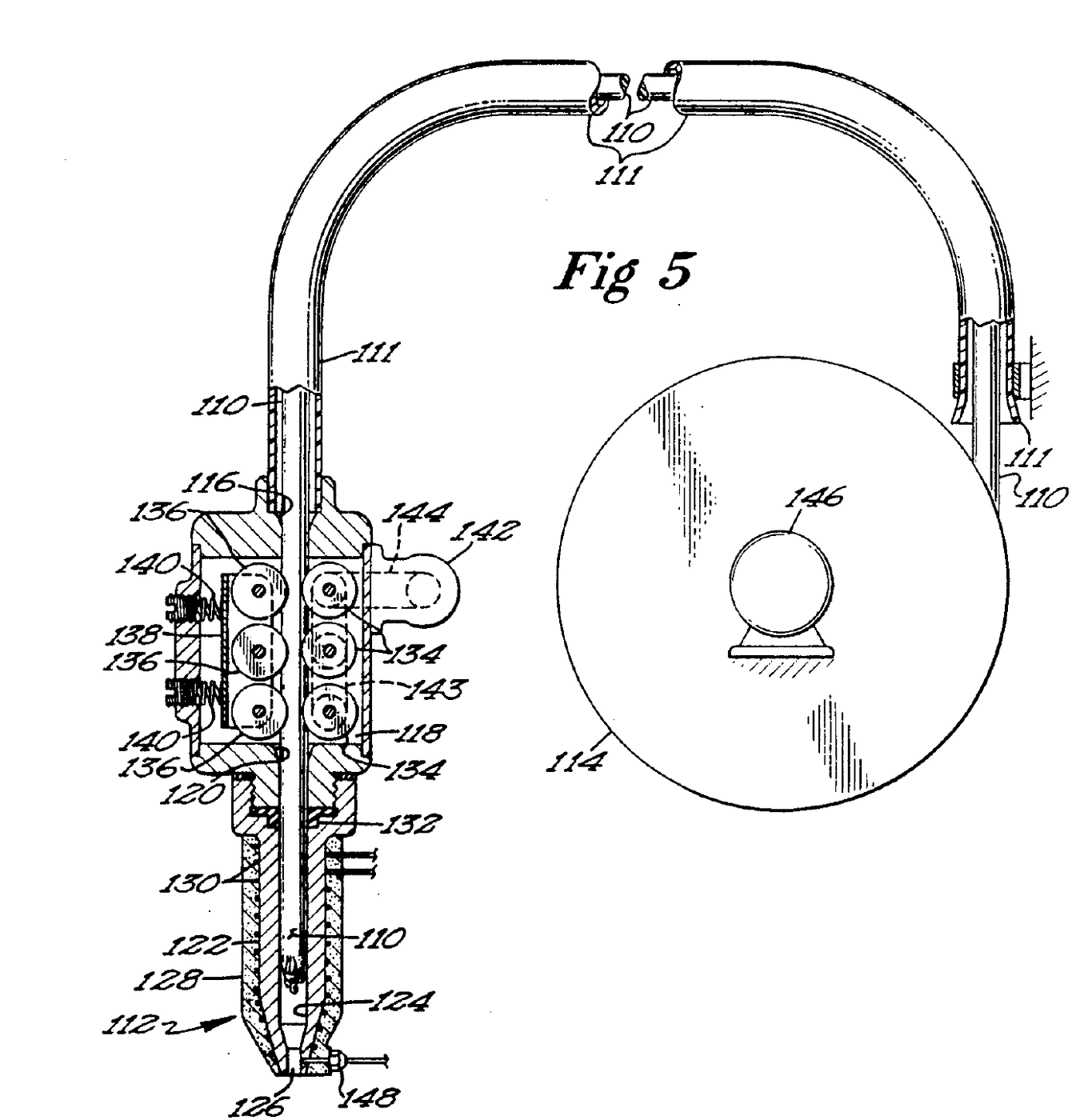


Layer-by-Layer Strand Deposition Machine: Crump, 1992
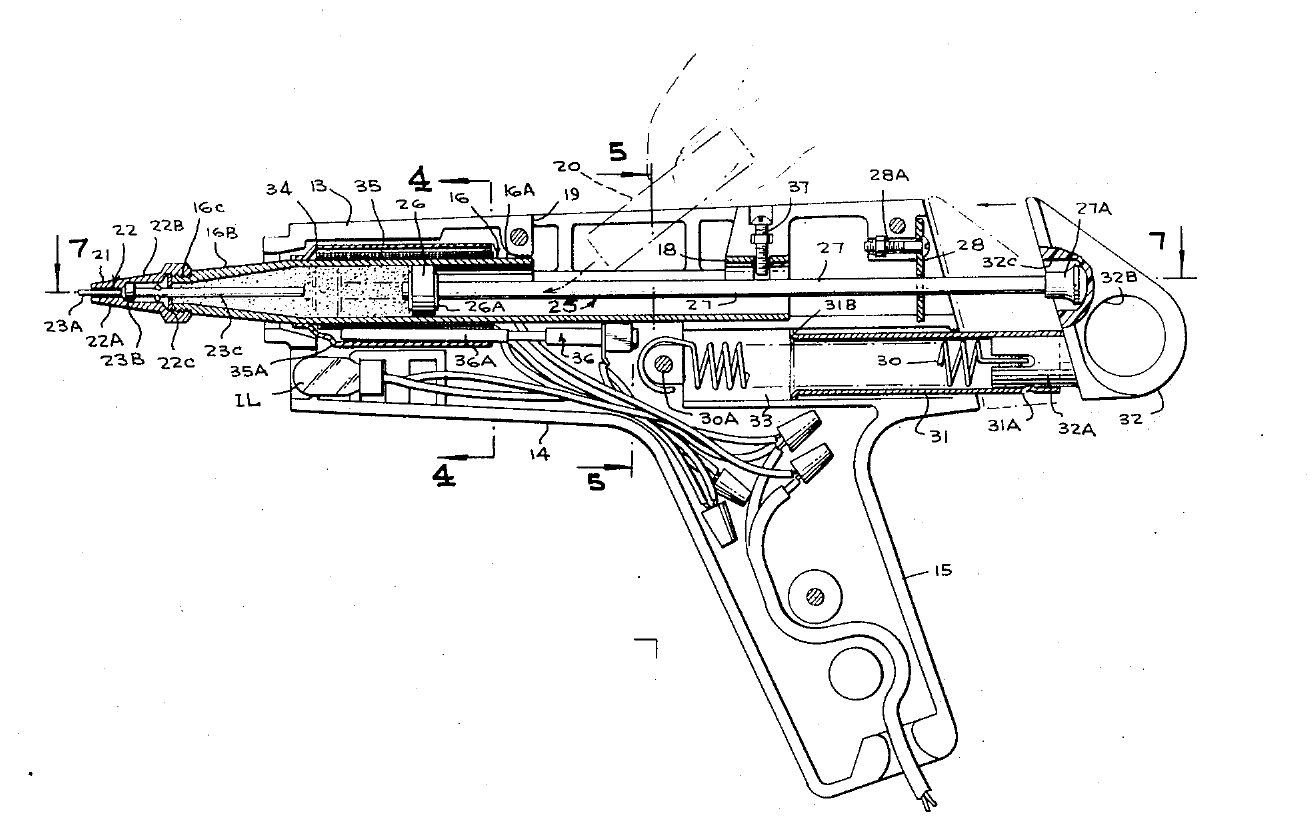
S. Scott Crump patented this machine in 1992, US 5,121,329. A computer slices a CAD design into layers. A dispensing head melts a material just above its solidification temperature and lays it down through a small nozzle, one layer at a time, on a base plate that moves under it in X and Y, while the head steps up in Z after each layer. Each layer solidifies almost at once and bonds to the one below. In one version a pneumatic piston pushes a solid rod into the head; in the version built here, drive rollers pull a flexible strand, about 1/16 inch thick, off a reel, so the rate the strand advances sets how much material flows. Any material that bonds to the layer below as it solidifies can be used, such as waxes, thermoplastic resins and metals.
Ilọsíwájú
Workshop process
Ìlànà
1
1
X-Y table and base plate
X-Y table and base plate
Carry the base plate on an X-Y table: one motor turns a drive screw in a drive block to move a slide rod, and a second motor turns a screw on the slide rod engaged with threads under the plate, so the plate moves along X and Y. The table is small enough for a desk top. Fix fine wire-mesh sandpaper to the plate with double-faced adhesive tape: the dispensed material grips the sand and flows into the mesh, and the sheet peels off the finished article.
Àwọn ohun èlò fún ìgbésẹ̀ yìí:
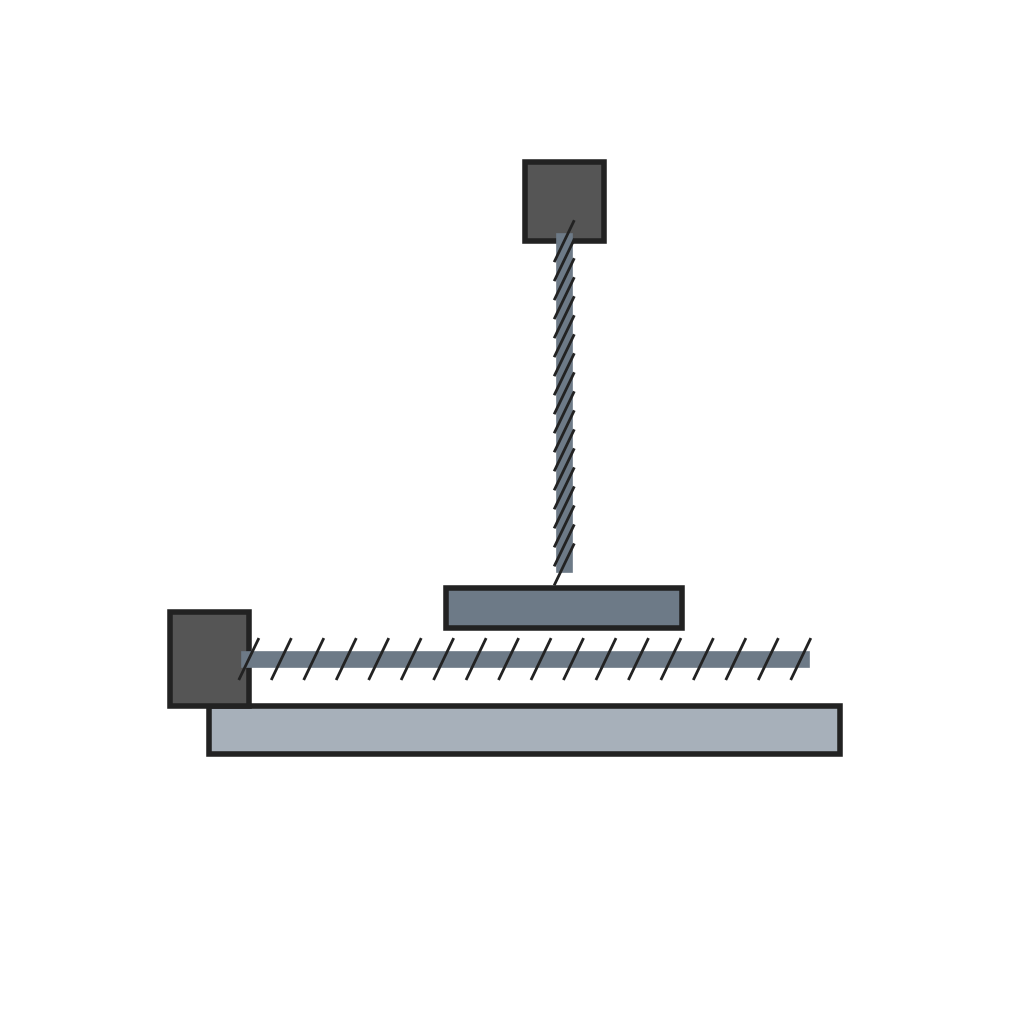 Tábìlì X-Y pẹ̀lú ìṣó-àyídà ìwakọ̀1 ẹyọ
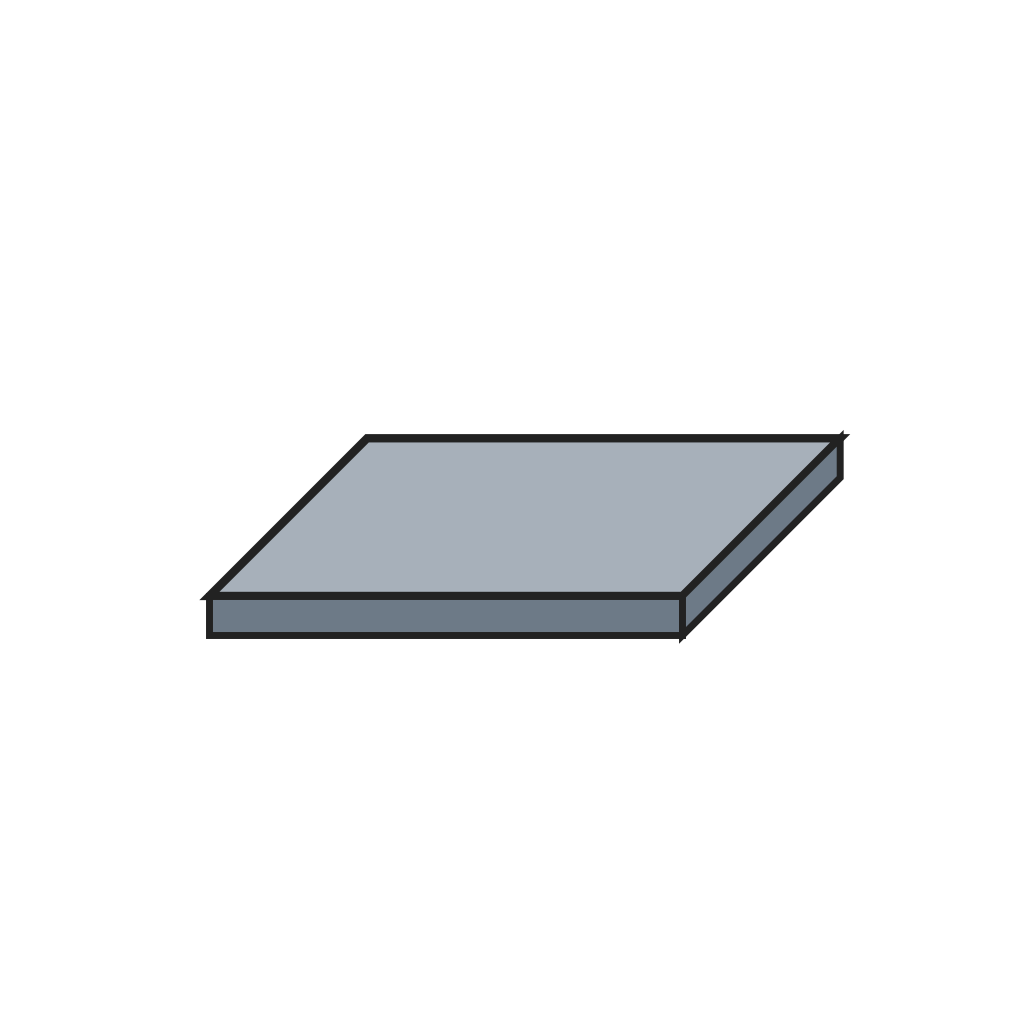 Àwo ìpìlẹ̀ ìkọ́1 ẹyọ
 Bébà Ìfá1 ẹyọ
 Tépù olójú méjì1 ẹyọ
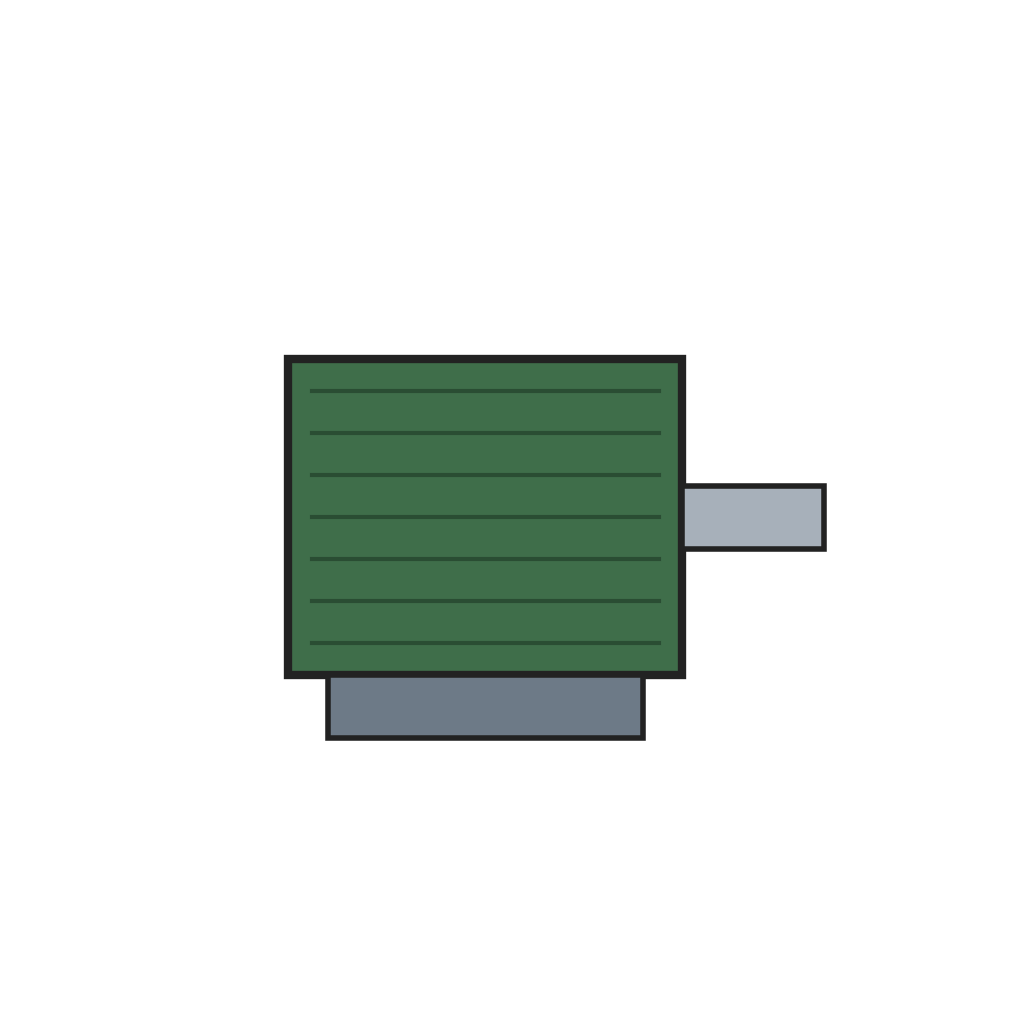 Mọ́tò iná mànàmáná2 ẹyọ
2
2
Vertical slide
Vertical slide
Mount the dispensing head on a micro-slide bearing at the end of a support arm on a pedestal, close above the plate. A right-angle bracket on the head is threaded on a vertical drive screw turned by a third motor, preferably a high-resolution stepper motor, to raise the head along Z.
Àwọn ohun èlò fún ìgbésẹ̀ yìí:
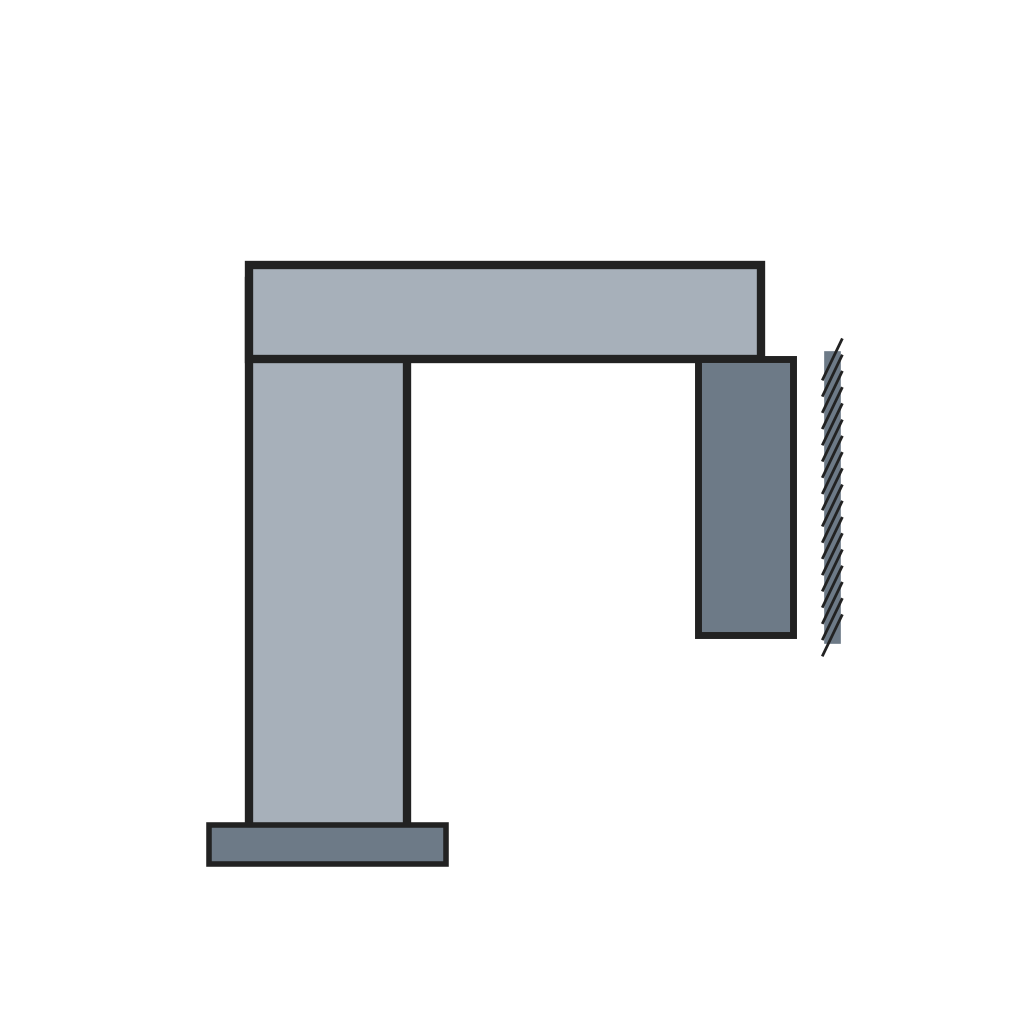 Ìdúró àti apá ìtìlẹ́yìn pẹ̀lú ìyọ̀ Z1 ẹyọ
 Mọ́tò oníṣísẹ̀1 ẹyọ
3
3
Strand head and nozzle
Strand head and nozzle
Feed the strand from its reel through a low-friction Teflon guide sleeve into the head's supply chamber. Inside, belt- or chain-linked drive rollers, turned by a motor (preferably a high-resolution stepper), grip it against idler rollers pressed by springs on a pressure plate and push it down into a nozzle threaded onto the head. A sleeve heater with a resistance coil round the nozzle melts the strand in the flow passage to slightly above its solidification point; a seal ring seals the passage's inlet, and it flows out through an orifice of chosen size. Leave enough slack in the strand for the head to travel freely.
Àwọn ohun èlò fún ìgbésẹ̀ yìí:
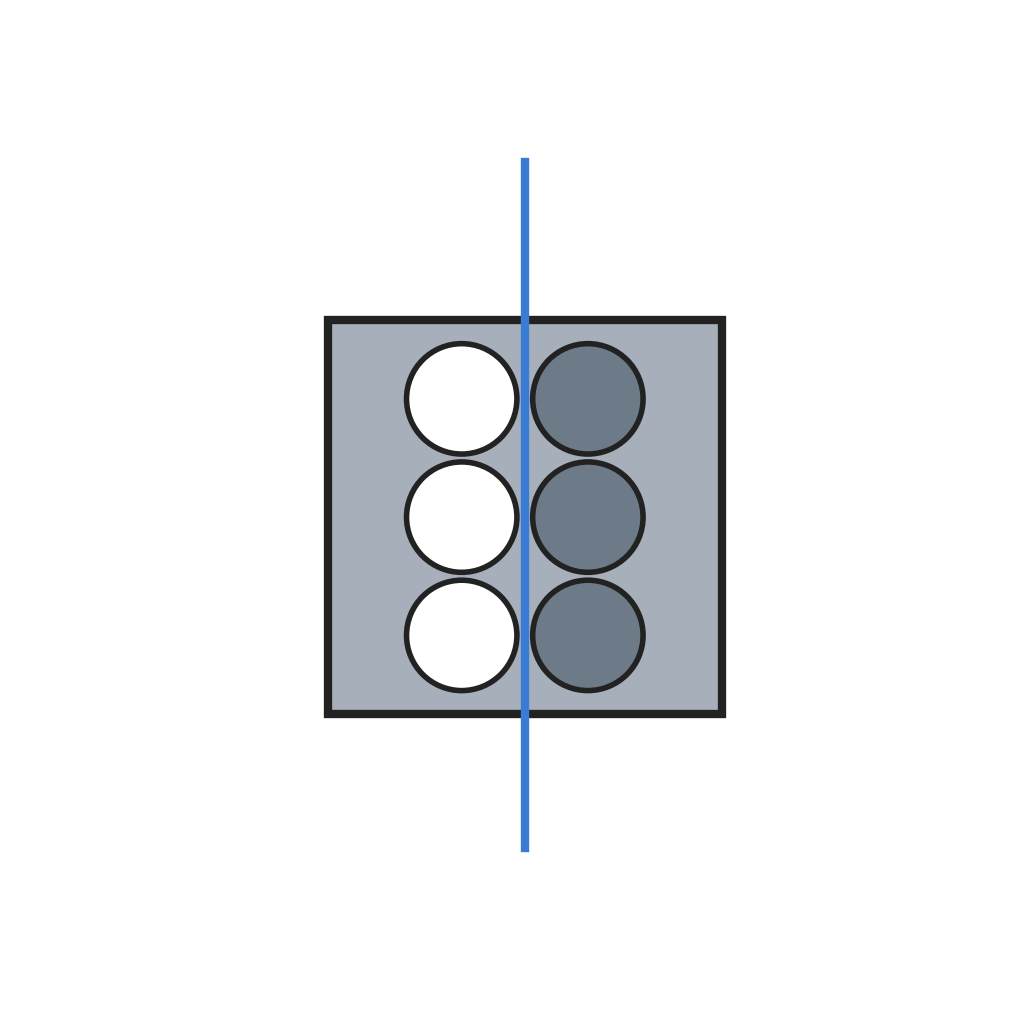 Orí ìtújáde òwú pẹ̀lú àgbá ìwakọ̀1 ẹyọ
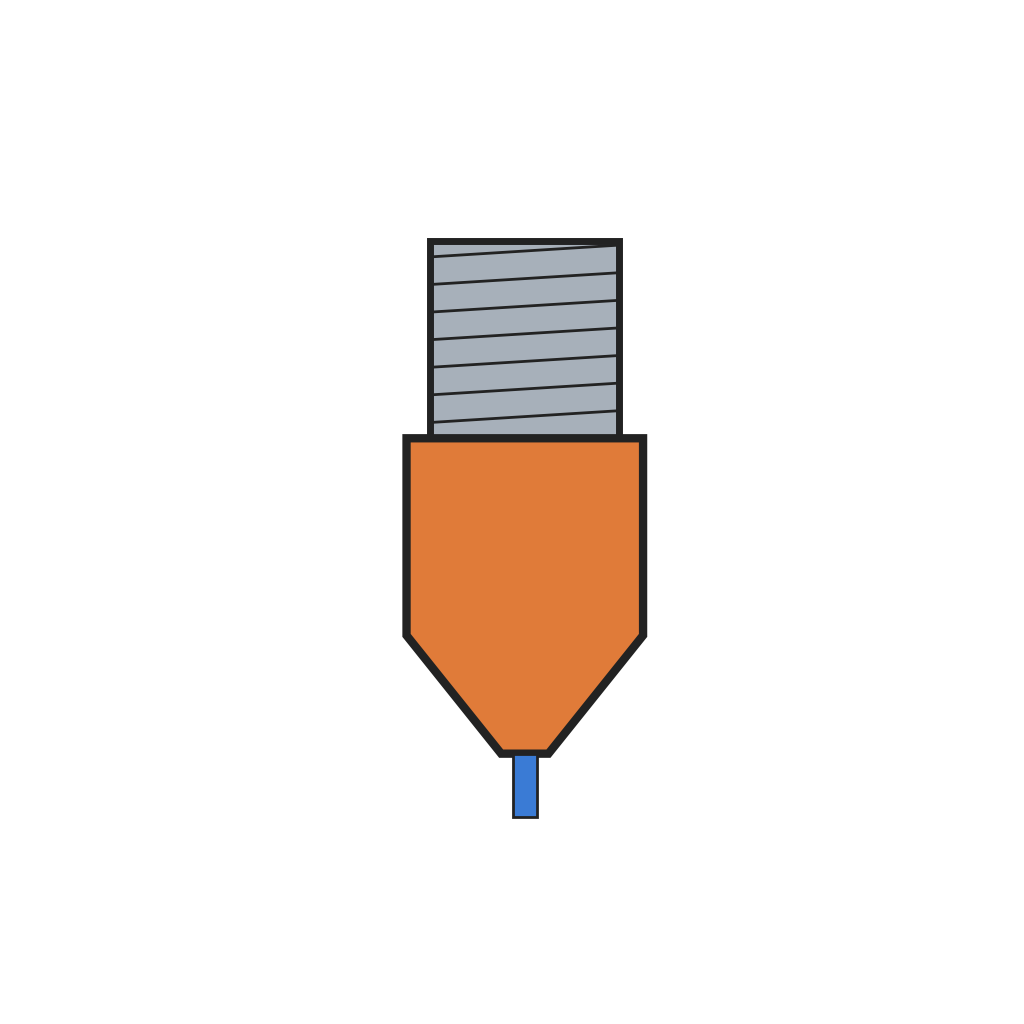 Nozzle ìtújáde tí a gbóná1 ẹyọ
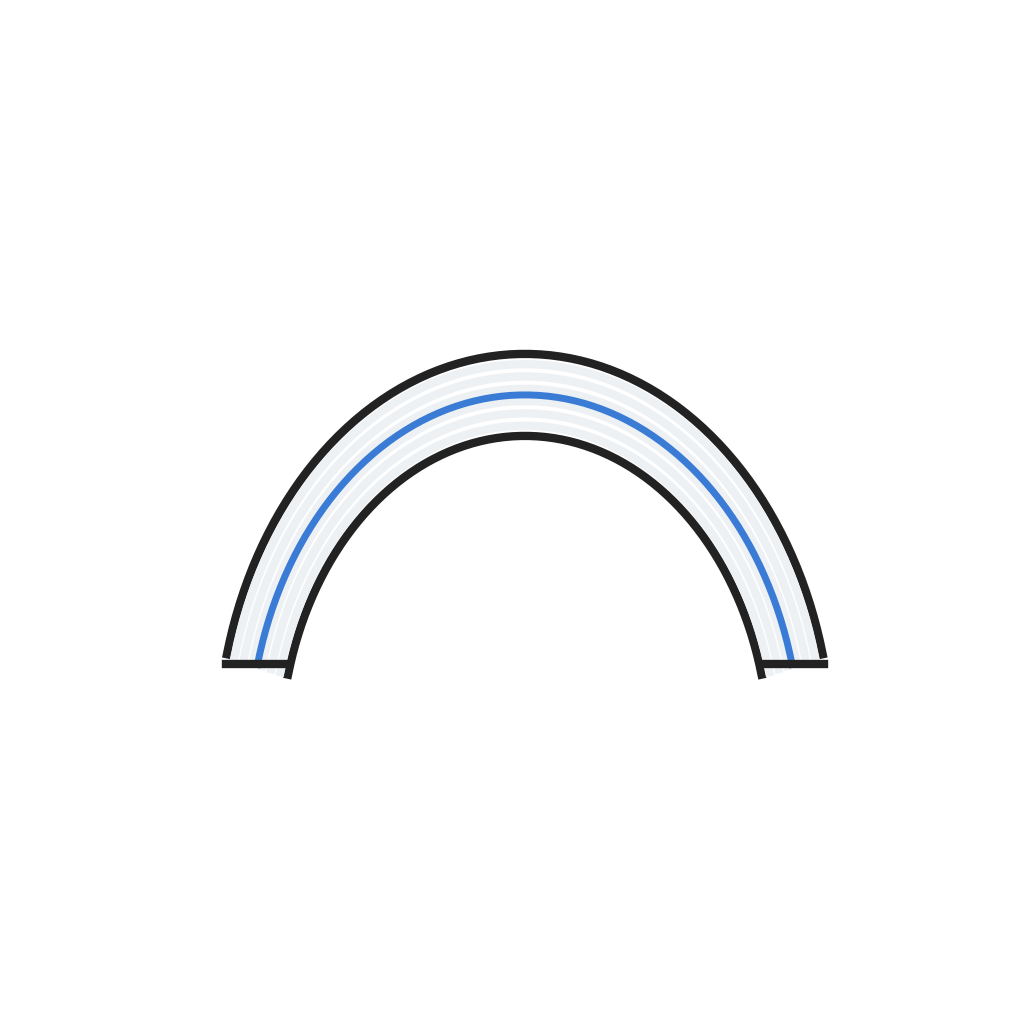 Àpá ìtọ́sọ́nà PTFE1 ẹyọ
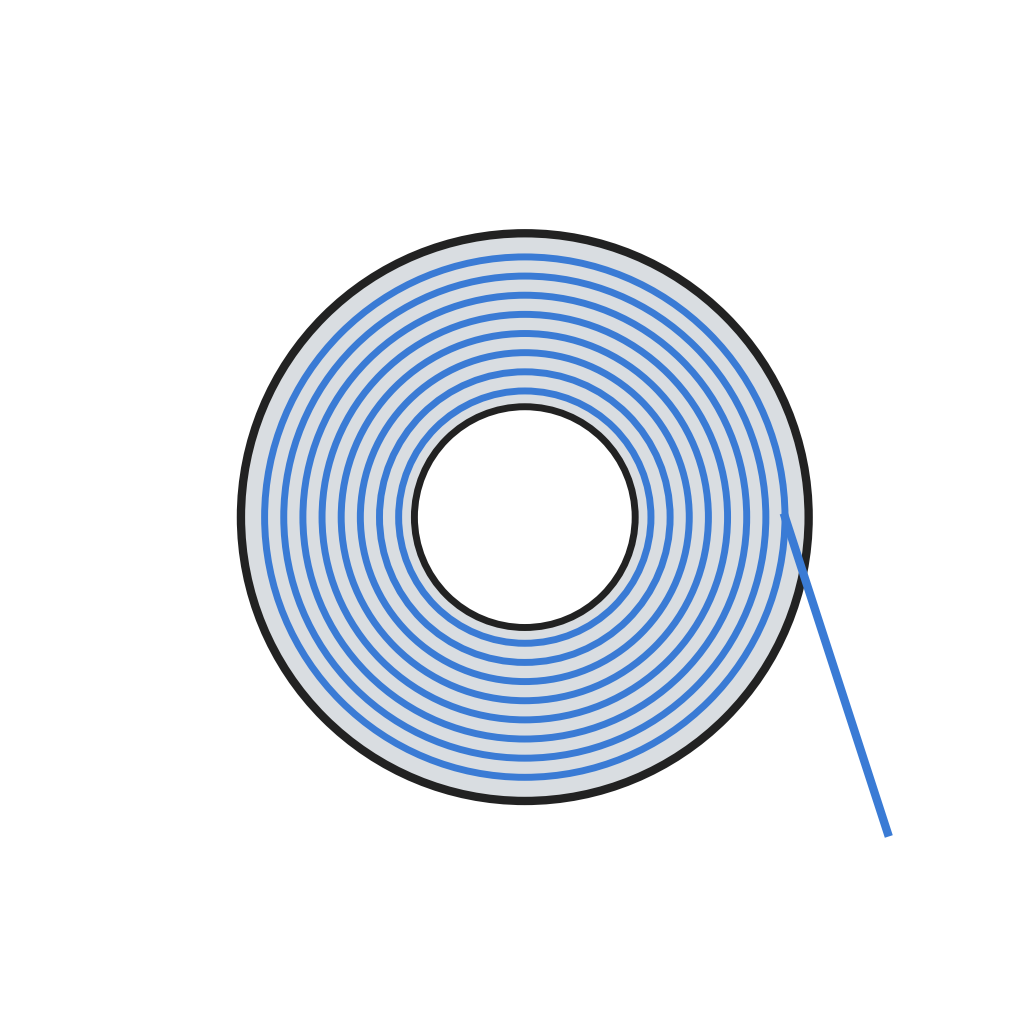 Òwú thermoplastic lórí káàkiri1 ẹyọMọ́tò oníṣísẹ̀1 ẹyọ
4
4
Computer control
Computer control
Draw the article in CAD on the computer, section it into layers with layering software, and send the layer data to a machine controller that drives the X, Y and Z motors and the strand drive, so plate and head move in the pattern of each layer and the head steps up a set distance for the next.
Àwọn ohun èlò fún ìgbésẹ̀ yìí:
 Kọ̀ǹpútà Tábìlì1 ẹyọ
 Olùdarí ìrìn ẹ̀rọ1 ẹyọ
Àwọn ohun-èlò
13- 1 ẹyọÀyè
- 1 ẹyọÀyè
- 1 ẹyọÀyè
- 2 ẹyọÀyè
- Àyè
- Àyè
- 1 ẹyọÀyè
- Àyè
- 1 ẹyọÀyè
- 1 ẹyọÀyè
Ìtọ́nisọ́nà yìí ń ṣe

Blueprint tó jọra
Àwọn blueprint wọ̀nyí pín ìmọ̀ — ọ̀nà, ohun-èlò tàbí ìlànà

CC0 Àgbègbè Gbogbogbò
Blueprint yìí ti jáde lábẹ́ CC0. O lè ṣe àdàkọ, yí padà, pín, àti lò láìsí ìyọ̀ǹda.
Ṣàtìlẹ́yìn Olùṣẹ́dá nípa rírà àwọn ọjà nipasẹ̀ Blueprint wọn Ẹ̀san Olùṣẹ́dá tí àwọn Olùtajà gbé kalẹ̀, tàbí ṣẹ̀dá àtúnṣe tuntun ti Blueprint yìí kí o sì fi sínú Blueprint rẹ gẹ́gẹ́ bí ìsopọ̀ láti pín owó-wíwọlé.