IṢẸ́ ỌNÀ
ẸWÀ ÀTI ÌLERA
IṢẸ́ ỌWỌ́
ÀṢÀ ÀTI ÌTÀN
ÌṢERÉ
ÀYÍKÁ
OÚNJẸ ÀTI OHUN MÍMU
REVERSE ENGINEERING
SÁYẸ́ǸSÌ
ERÉ ÌDÁRAYÁ
ÌMỌ̀-Ẹ̀RỌ
ÀWỌN OHUN WÍWỌ̀
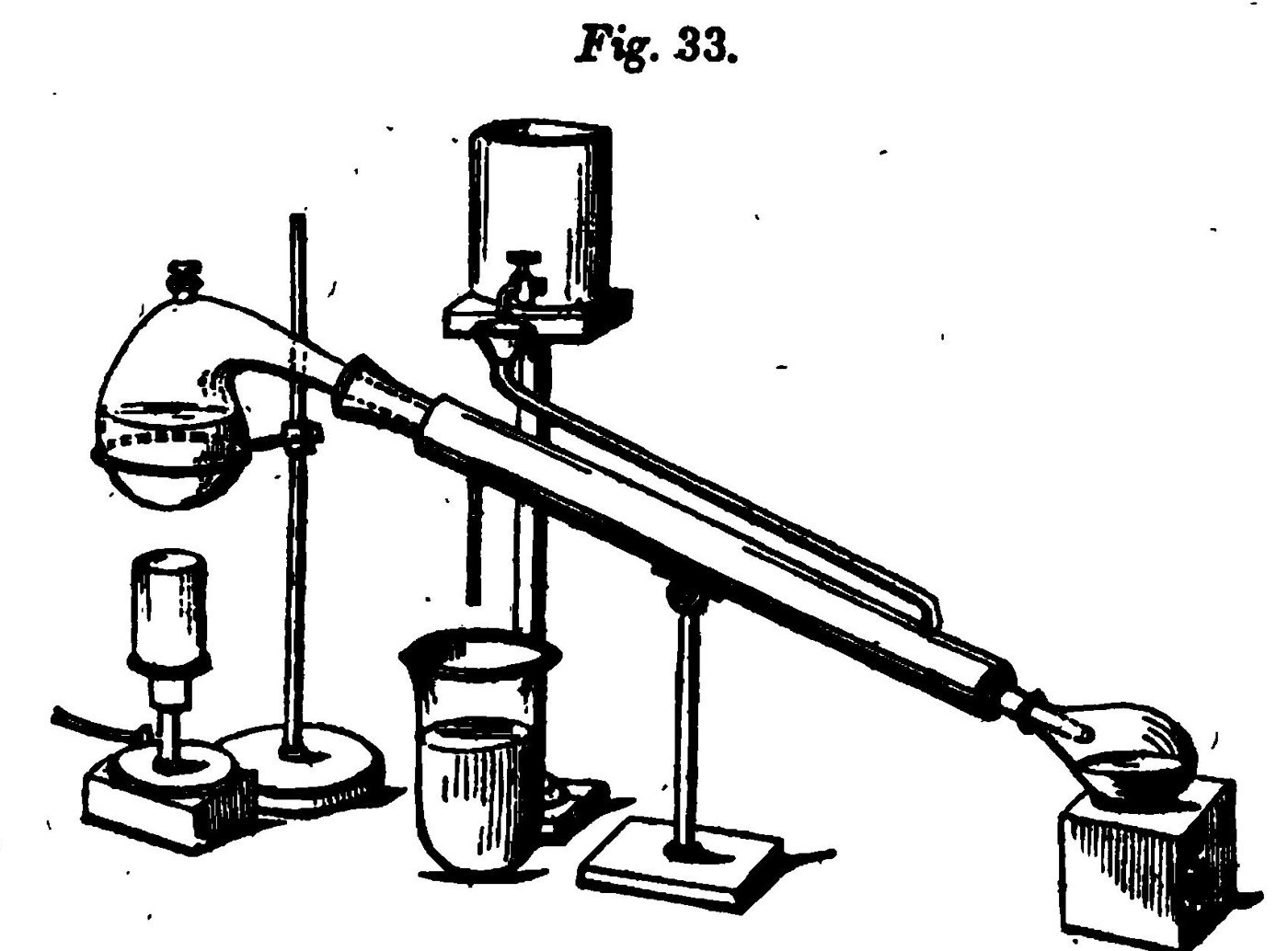


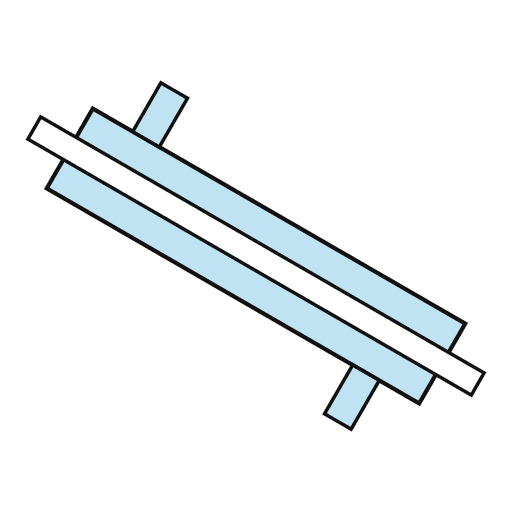
Water-Cooled Condenser: Liebig's Glass Tube Corked in a Metal Pipe (Fownes, 1847)
Liebig's condenser as Fownes described it in 1847: a glass tube, tapering from end to end, held by bored corks in the centre of a metal pipe, with tubes that let a current of cold water run through the pipe around it. Vapour from a retort passes down the glass tube, condenses and runs into the receiver.
With a few pieces of ice in the little cistern the water stays at 32 °F (0 °C), and even very volatile liquids condense.
Unknown: the metal of the pipe, the material of the water tubes and all sizes. Fownes does not give them.
Source: G. Fownes, Elementary Chemistry (1847), p. 46 and Fig. 33. Picture: Fig. 33.
Àárín
Unknown
Ìlànà
1
1
Cork the glass tube into the pipe
Cork the glass tube into the pipe
Bore a cork for each end of the metal pipe. Pass the glass tube, which tapers from end to end, through both corks so that it is held in the centre of the pipe. Ours: the cork borer.
Àwọn ohun èlò fún ìgbésẹ̀ yìí:
 Ọpọ́n gíláàsì1 tapering from end to end
 Irin tí a kò mọ̀1 the pipe
 Àwọn kọ́ọ̀kì2 perforated
 Ìwọ̀n tí a kò mọ̀1 ẹyọ
Àwọn irinṣẹ́ tí a nílò:
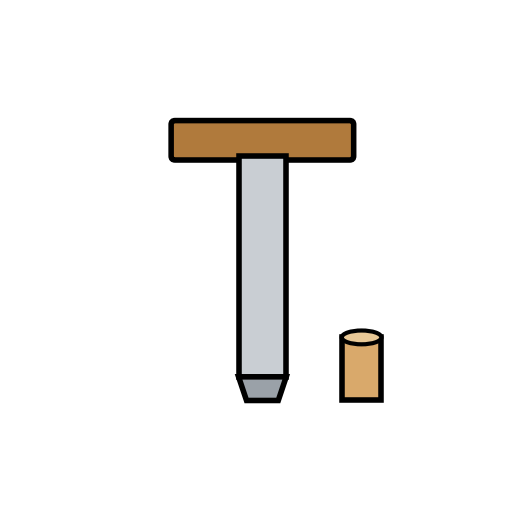 Ìlu koki
2
2
Fit the water tubes
Fit the water tubes
Provide the pipe with tubes so arranged that a current of cold water can circulate through it. As drawn in Fig. 33, the water comes from a little cistern with a cock, standing above the apparatus, down to the lower end of the pipe, and leaves at the upper end into a jar.
Àwọn ohun èlò fún ìgbésẹ̀ yìí:
 Ohun èlò tí a kò mọ̀1 water tubes and cistern
Àwọn irinṣẹ́ tí a nílò:
Ìlu koki3
3
Run the cold water
Run the cold water
While distilling, let cold water flow from the cistern through the pipe. For very volatile liquids put a few pieces of ice into the cistern: the water then stays at 32 °F (0 °C).
Àwọn irinṣẹ́ tí a nílò:
 Omi
 Yìnyín tí a gún
Àwọn ohun-èlò
5- 1 tapering from end to endÀyè
- 1 the pipeÀyè
- 2 perforatedÀyè
- 1 ẹyọÀyè
- 1 water tubes and cisternÀyè
Àwọn Ohun Èlò Ìtọ́nisọ́nà Tí A So Pọ̀

Ìtọ́nisọ́nà yìí ń ṣe
CC0 Àgbègbè Gbogbogbò
Blueprint yìí ti jáde lábẹ́ CC0. O lè ṣe àdàkọ, yí padà, pín, àti lò láìsí ìyọ̀ǹda.
Ṣàtìlẹ́yìn Olùṣẹ́dá nípa rírà àwọn ọjà nipasẹ̀ Blueprint wọn Ẹ̀san Olùṣẹ́dá tí àwọn Olùtajà gbé kalẹ̀, tàbí ṣẹ̀dá àtúnṣe tuntun ti Blueprint yìí kí o sì fi sínú Blueprint rẹ gẹ́gẹ́ bí ìsopọ̀ láti pín owó-wíwọlé.