IṢẸ́ ỌNÀ
ẸWÀ ÀTI ÌLERA
IṢẸ́ ỌWỌ́
ÀṢÀ ÀTI ÌTÀN
ÌṢERÉ
ÀYÍKÁ
OÚNJẸ ÀTI OHUN MÍMU
REVERSE ENGINEERING
SÁYẸ́ǸSÌ
ERÉ ÌDÁRAYÁ
ÌMỌ̀-Ẹ̀RỌ
ÀWỌN OHUN WÍWỌ̀
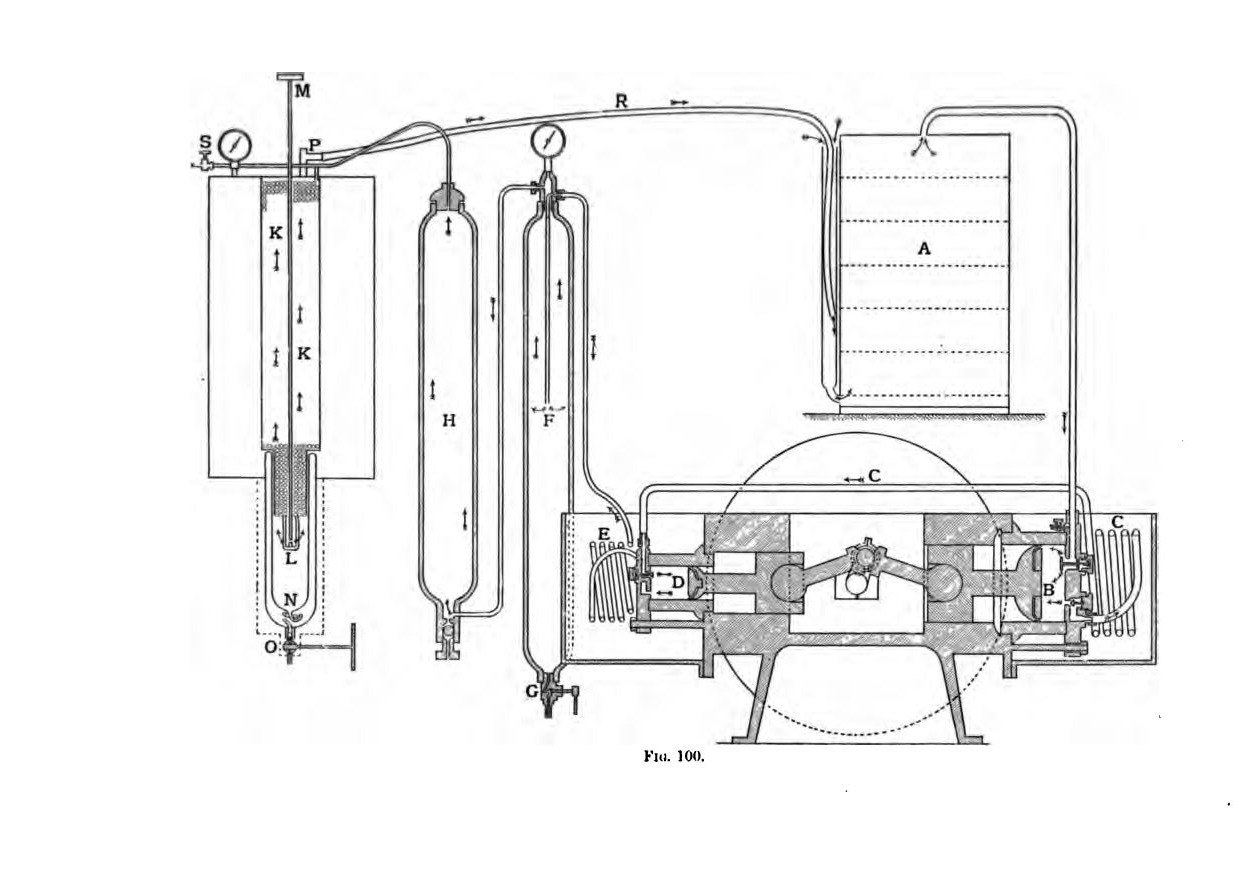


Liquid Air: Air Compressed to 170 Atmospheres and Expanded through the Hampson Liquefier (Travers 1901)
Air freed of carbon dioxide and water is pumped to about 170 atmospheres and let out through a fine valve at the foot of long copper coils. The expanding air cools a little and flows back over the coils, cooling the air coming down, until some of it turns liquid and drips into a vacuum vessel.
Result: liquid air, about 1-1.5 litres an hour, the first after about four minutes.
Source: M. W. Travers, The Experimental Study of Gases (1901), pp. 190-194, Fig. 100 (shown above). High pressure and liquid air: Travers warns that a sudden fault can cause a serious accident.
Ilọsíwájú
1 day
Ìlànà
1
1
Draw air through slaked lime
Draw air through slaked lime
Draw the air into the compressor through a cylinder of moist slaked lime spread on trays.
Àwọn ohun èlò fún ìgbésẹ̀ yìí:
 Afẹ́fẹ́ àyíká ayé - Ayé1 as required
Àwọn irinṣẹ́ tí a nílò:
 Calcium hydroxide (ẹfun tí a pa)
2
2
Compress in two stages
Compress in two stages
Compress in two stages to 160-180 atmospheres (the first to about 16), each stage followed by a copper coil in running water and then a water separator. A little water goes in with the air to lubricate; blow it off from the separator now and then. Travers' compressor was driven by a 5 horse-power electric motor.
Àwọn irinṣẹ́ tí a nílò:
 Ẹ̀rọ ìfun gáàsì
 Mọ́tò iná mànàmáná
 Omi
 Ẹ̀rọ Ìwọ̀n Ìtẹ̀
3
3
Dry over caustic potash
Dry over caustic potash
Pass the air through a cylinder of lumps of caustic potash to take out the water vapour and the last carbon dioxide. Run off the little water that collects after some weeks.
Àwọn irinṣẹ́ tí a nílò:
 Hidiroksidi potasiomu
4
4
Liquefy
Liquefy
Lead the dry air into the Hampson liquefier, its lower end and valve inside a vacuum vessel. Start the motor, blow a little air through, close the valve and let the pressure rise to 170 atmospheres. Open the valve and keep the flow steady by the glycerol gauge on the exit (about 10 cm of glycerol with an exit rubber tube 80 cm long and 2 cm across). Liquid air appears in about four minutes; about 5 % of the air liquefies.
Àwọn irinṣẹ́ tí a nílò:
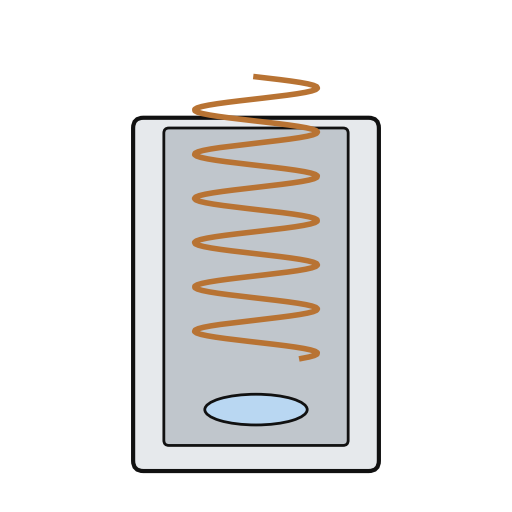 Ẹ̀rọ ìyí afẹ́fẹ́ di omi Hampson
 Ìgò òfo (Dewar)
 Páìpù Rọ́bà
 Gilísẹ́rọ̀lùẸ̀rọ Ìwọ̀n Ìtẹ̀
5
5
Draw it off, watch the machine
Draw it off, watch the machine
Run off the liquid air through the tap from time to time, about 1-1.5 litres an hour. Watch the machinery the whole time.
Àwọn irinṣẹ́ tí a nílò:
Ìgò òfo (Dewar)Àwọn ohun-èlò
1- 1 as requiredÀyè
Àwọn irinṣẹ́ tó nílò
10- Àyè
- Àyè
- Àyè
Ìtọ́nisọ́nà yìí ń ṣe
CC0 Àgbègbè Gbogbogbò
Blueprint yìí ti jáde lábẹ́ CC0. O lè ṣe àdàkọ, yí padà, pín, àti lò láìsí ìyọ̀ǹda.
Ṣàtìlẹ́yìn Olùṣẹ́dá nípa rírà àwọn ọjà nipasẹ̀ Blueprint wọn Ẹ̀san Olùṣẹ́dá tí àwọn Olùtajà gbé kalẹ̀, tàbí ṣẹ̀dá àtúnṣe tuntun ti Blueprint yìí kí o sì fi sínú Blueprint rẹ gẹ́gẹ́ bí ìsopọ̀ láti pín owó-wíwọlé.