IṢẸ́ ỌNÀ
ẸWÀ ÀTI ÌLERA
IṢẸ́ ỌWỌ́
ÀṢÀ ÀTI ÌTÀN
ÌṢERÉ
ÀYÍKÁ
OÚNJẸ ÀTI OHUN MÍMU
REVERSE ENGINEERING
SÁYẸ́ǸSÌ
ERÉ ÌDÁRAYÁ
ÌMỌ̀-Ẹ̀RỌ
ÀWỌN OHUN WÍWỌ̀
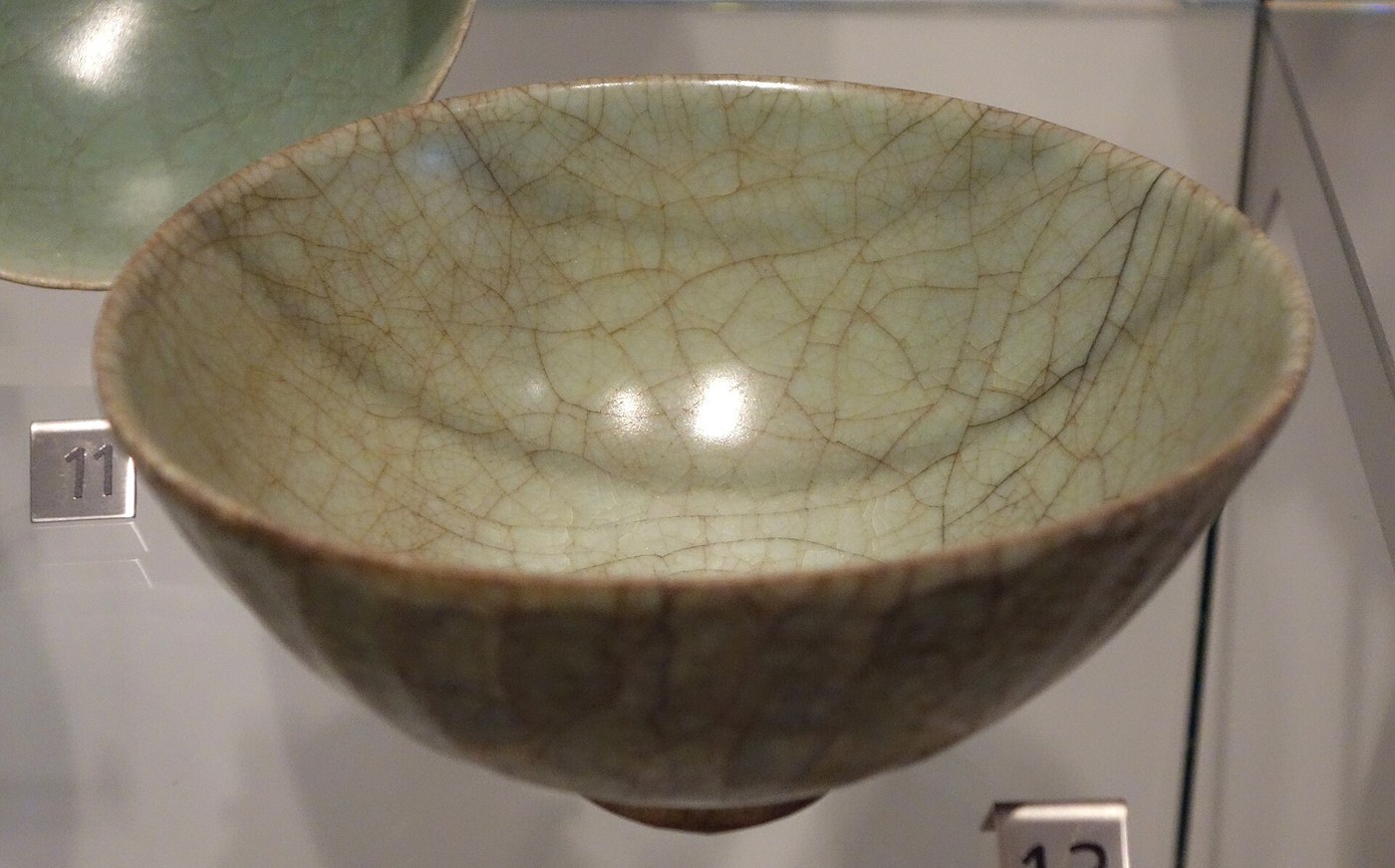
Longquan Celadon Bowls: Glaze of Glaze Stone, Husk-and-Lime Ash and Zijin Clay, Reduction Fired
Clay

Ṣẹ́dá nipasẹ̀

Clay

1. Oṣù Kọkànlá 2026DK
5
0
0
0
0

Longquan Celadon Bowls: Glaze of Glaze Stone, Husk-and-Lime Ash and Zijin Clay, Reduction Fired

Longquan celadon, made in Longquan, China, since the 10th century, is a thick jade-green glaze over a bisque-fired body. The glaze is three powders washed out of local materials: glaze stone, the ash of rice husk burnt together with limestone, and iron-rich Zijin clay. Fired in reduction between 900 and 1230 °C, the iron in the glaze turns blue-green. Result: thick-glazed, jade-green celadon bowls. Source: the video 'Longquan celadon' by Shanbai (2025), checked frame by frame against its captions. Not given: amounts, the glaze proportion, ageing times, how iron is taken out, firing times. Unknown: the clay body of the bowls; the video does not show it. Photo: Southern Song Longquan bowl, Royal Ontario Museum, by Daderot (CC0).
Ilọsíwájú
several weeks

Ìlànà

1

Watch: Longquan celadon from stone to bowl

The whole process in eight minutes, by Shanbai: preparing the three glaze materials, throwing and bisque firing the bowls, glazing, and the reduction firing.
2

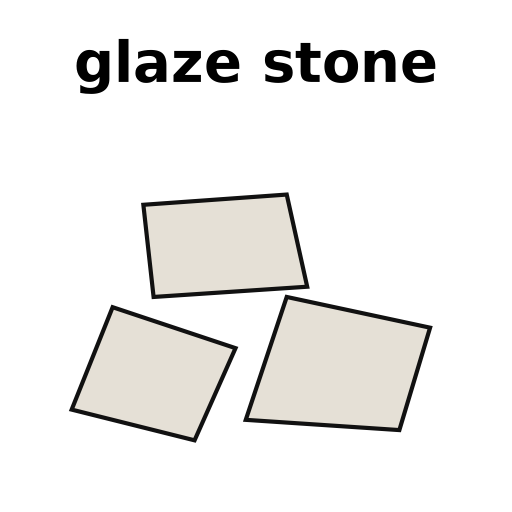
Pound the glaze stone

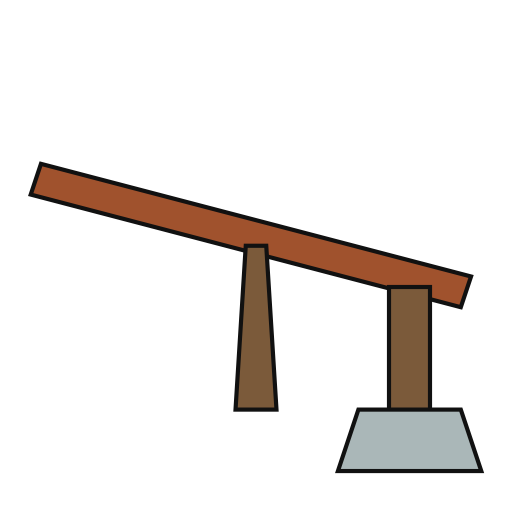
Crush the glaze stone in a stone mortar with a foot-trodden pestle.

Àwọn ohun èlò fún ìgbésẹ̀ yìí:

Òkúta fún glazeÒkúta fún glaze1 as required

Àwọn irinṣẹ́ tí a nílò:
Odó tí a ń tẹ̀ lẹ́sẹ̀Odó tí a ń tẹ̀ lẹ́sẹ̀
3

Sieve and settle the stone

Sieve the crushed stone and pound the coarse bits again. Stir the fine stone into water in a vat, sieve off the fine particles suspended in the water into another vat, and let them settle.

Àwọn irinṣẹ́ tí a nílò:

Àkójọ ajọ̀ (ihò onípele)Àkójọ ajọ̀ (ihò onípele)
OmiOmi
Ìkòkò Seramiiki OnídìíÌkòkò Seramiiki Onídìí
Ṣíbí ńláṢíbí ńlá
4

Burn rice husk with limestone

In a brick-edged bed outdoors, lay rice husk and limestone in alternate layers and burn them. Turn the materials several times during the firing so the husk burns completely.

Àwọn ohun èlò fún ìgbésẹ̀ yìí:

Èèpo ìrẹsìÈèpo ìrẹsì1 as required
Bílọ́ọ̀kì òkúta ẹfunBílọ́ọ̀kì òkúta ẹfun1 as required

Àwọn irinṣẹ́ tí a nílò:
BíríkìBíríkì
Ọkọ́Ọkọ́
5

Sieve and wash the ash

Sieve the ash into a vat. Add water and ladle it through a fine sieve into a fresh vat. While this 'black glaze' settles, change the water and wash it several times.

Àwọn irinṣẹ́ tí a nílò:

Àkójọ ajọ̀ (ihò onípele)Àkójọ ajọ̀ (ihò onípele)
Ìkòkò Seramiiki OnídìíÌkòkò Seramiiki Onídìí
OmiOmi
Ṣíbí ńláṢíbí ńlá
6

Mill and settle the Zijin clay

Grind the dry Zijin clay to powder in a stone hand mill. Mix it well with water, sieve it into a fresh vat and let the fine particles settle.

Àwọn ohun èlò fún ìgbésẹ̀ yìí:

Amọ̀ ZijinAmọ̀ Zijin1 as required

Àwọn irinṣẹ́ tí a nílò:
Ọlọ Òkúta Ọwọ́Ọlọ Òkúta Ọwọ́
OmiOmi
Àkójọ ajọ̀ (ihò onípele)Àkójọ ajọ̀ (ihò onípele)
Ìkòkò Seramiiki OnídìíÌkòkò Seramiiki Onídìí
7

Dewater in bags, then age

Drain the water off each of the three vats without stirring up the settled powder. Scoop each paste into a cloth bag, lay the bags on a board and press them under a millstone. When they are dewatered to a certain degree, let them age for a while. Not given: how long. Ours: linen bags (as in the transcript).

Àwọn irinṣẹ́ tí a nílò:

Ṣíbí ńláṢíbí ńlá
Àpò ọ̀gbọ̀Àpò ọ̀gbọ̀
Òkúta ọlọ ọwọ́Òkúta ọlọ ọwọ́
8

Throw the bowls

Throw the bowls on the wheel and let them air-dry in the shade. Unknown: the clay body; the video does not show what it is or how it is made.

Àwọn ohun èlò fún ìgbésẹ̀ yìí:

Ara amọ̀ àìmọ̀Ara amọ̀ àìmọ̀1 as required

Àwọn irinṣẹ́ tí a nílò:
Kẹ̀kẹ́ oníṣẹ́ ìkòkòKẹ̀kẹ́ oníṣẹ́ ìkòkò

9

Trim and stamp

Set each dry bowl upside down on a chuck on the wheel, trim the outside and the foot smooth, and stamp your mark in the foot.

Àwọn irinṣẹ́ tí a nílò:

Kẹ̀kẹ́ oníṣẹ́ ìkòkòKẹ̀kẹ́ oníṣẹ́ ìkòkò
Ohun èlò ìyípo igi tútùOhun èlò ìyípo igi tútù
Èdìdì amọ̀kòkòÈdìdì amọ̀kòkò
10

Bisque fire at about 800 °C

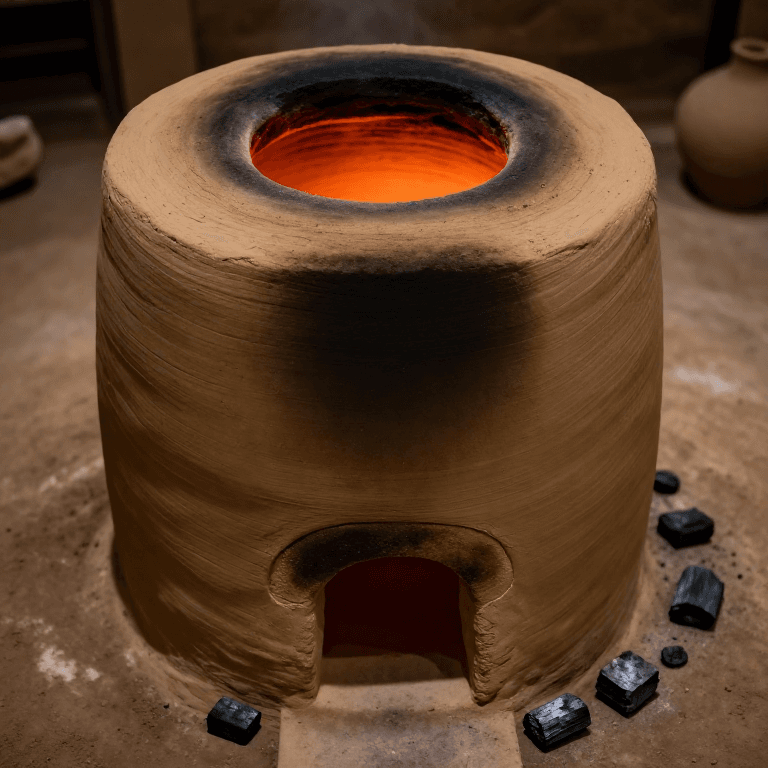
Stack the bowls in the kiln, brick up the door and seal it with mud, and fire with wood to about 800 °C. The bisque firing makes the body stronger and more absorbent, so the glaze takes better.

Àwọn irinṣẹ́ tí a nílò:

Ìléru ÌsunÌléru Ìsun
BíríkìBíríkì
Igi ÌdánáIgi Ìdáná
PirómítàPirómítà
11

Make the glaze

Mix the burnt husk-and-lime ash, the glaze stone and the Zijin clay in proportion, add about an equal amount of water, stir and grind fine. Sieve it, take out the iron, and let the glaze age in the glaze vat. Not given: the proportion, how the iron is removed, how long it ages. Rice husk ash, glaze stone and Zijin clay give the silica, feldspar and kaolin; Zijin clay's iron is the colourant; lime and the potash and soda of feldspar lower the melting point.

Àwọn irinṣẹ́ tí a nílò:

Odó àti Ọmọ Odó ÒkútaOdó àti Ọmọ Odó Òkúta
OmiOmi
Àkójọ ajọ̀ (ihò onípele)Àkójọ ajọ̀ (ihò onípele)
Ìkòkò Seramiiki OnídìíÌkòkò Seramiiki Onídìí
12

Dip the bowls

Hold each bisque bowl with wire tongs and dip it into the glaze. Let it air-dry.

Àwọn irinṣẹ́ tí a nílò:

Ẹ̀mú ìrìbọmiẸ̀mú ìrìbọmi
Ìkòkò Seramiiki OnídìíÌkòkò Seramiiki Onídìí
13

Spray on more glaze

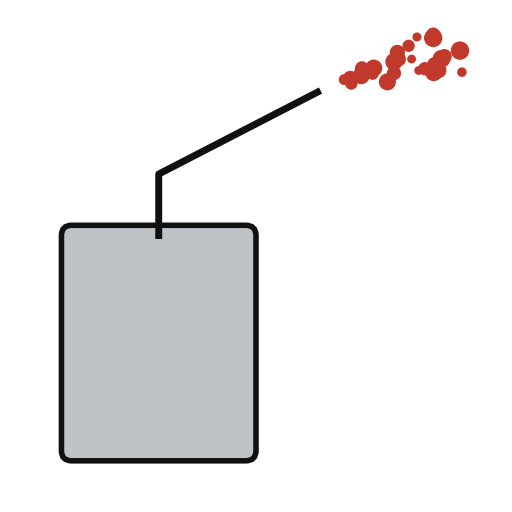
Set the bowl upside down on a chuck on the wheel and spray glaze evenly over the outside with a mouth-blown sprayer. Repeated bisque firings, dipping and thin spray coats build a thick glaze; Longquan celadon is a lime-alkali glaze that stays put at high temperature. Scrape the glaze off the foot with a knife.

Àwọn irinṣẹ́ tí a nílò:

Kẹ̀kẹ́ oníṣẹ́ ìkòkòKẹ̀kẹ́ oníṣẹ́ ìkòkò
Ohun ìfọ́n dídán tí a fẹ́nu fẹ́Ohun ìfọ́n dídán tí a fẹ́nu fẹ́
Ọ̀bẹỌ̀bẹ
14

Reduction fire in saggars

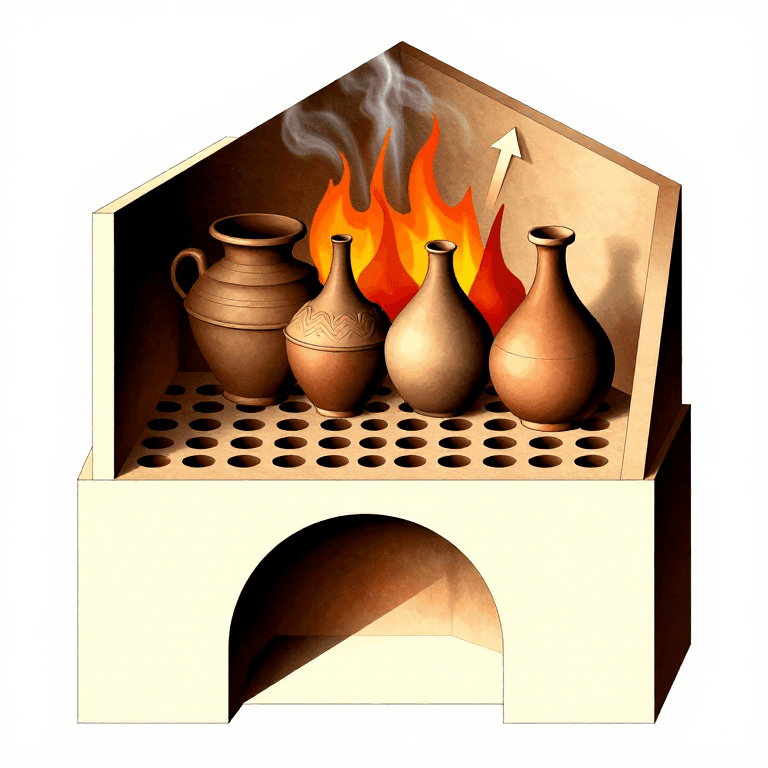
Set the bowls in saggars, stack them in the kiln and seal the door. Between 900 °C and 1230 °C, feed fuel often, and when combustion is insufficient fire in reduction: the iron in the glaze gives up oxygen, and the mix of divalent and trivalent iron turns the glaze blue-green. Not given: how long the firing takes.

Àwọn irinṣẹ́ tí a nílò:

Àpótí amọ̀-ináÀpótí amọ̀-iná
Ìléru ÌsunÌléru Ìsun
BíríkìBíríkì
Igi ÌdánáIgi Ìdáná
PirómítàPirómítà

Àwọn ohun-èlò

5

Àwọn irinṣẹ́ tó nílò

21

Ìtọ́nisọ́nà yìí ń ṣe

CC0 Àgbègbè Gbogbogbò

Blueprint yìí ti jáde lábẹ́ CC0. O lè ṣe àdàkọ, yí padà, pín, àti lò láìsí ìyọ̀ǹda.

Ṣàtìlẹ́yìn Olùṣẹ́dá nípa rírà àwọn ọjà nipasẹ̀ Blueprint wọn Ẹ̀san Olùṣẹ́dá tí àwọn Olùtajà gbé kalẹ̀, tàbí ṣẹ̀dá àtúnṣe tuntun ti Blueprint yìí kí o sì fi sínú Blueprint rẹ gẹ́gẹ́ bí ìsopọ̀ láti pín owó-wíwọlé.

Ìfọ̀rọ̀wérọ̀

(0)

Wọlé láti dara pọ̀ mọ́ ìfọ̀rọ̀wérọ̀

Ń gbé àwọn ọ̀rọ̀ wọlé...