IṢẸ́ ỌNÀ
ẸWÀ ÀTI ÌLERA
IṢẸ́ ỌWỌ́
ÀṢÀ ÀTI ÌTÀN
ÌṢERÉ
ÀYÍKÁ
OÚNJẸ ÀTI OHUN MÍMU
REVERSE ENGINEERING
SÁYẸ́ǸSÌ
ERÉ ÌDÁRAYÁ
ÌMỌ̀-Ẹ̀RỌ
ÀWỌN OHUN WÍWỌ̀
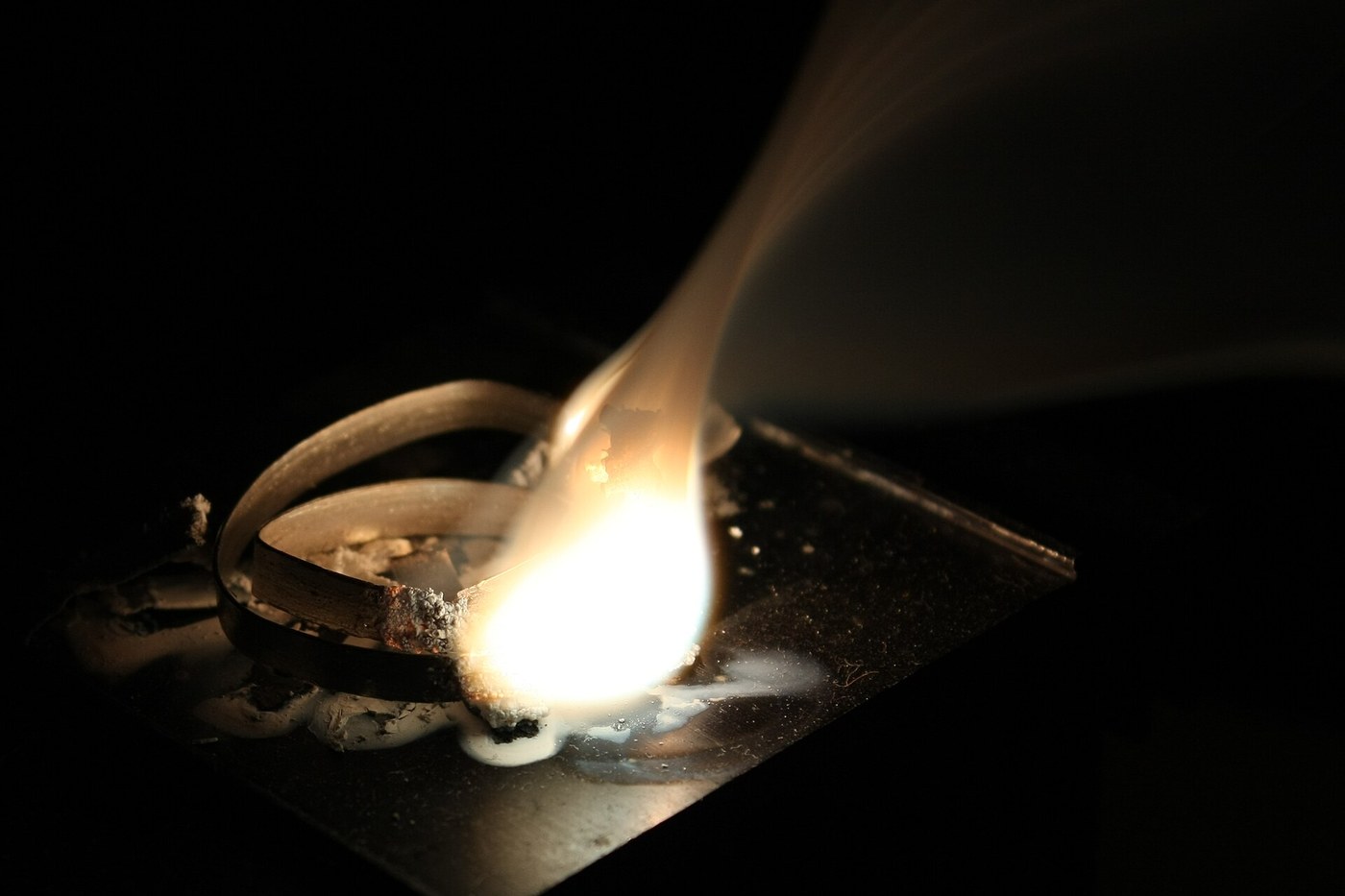


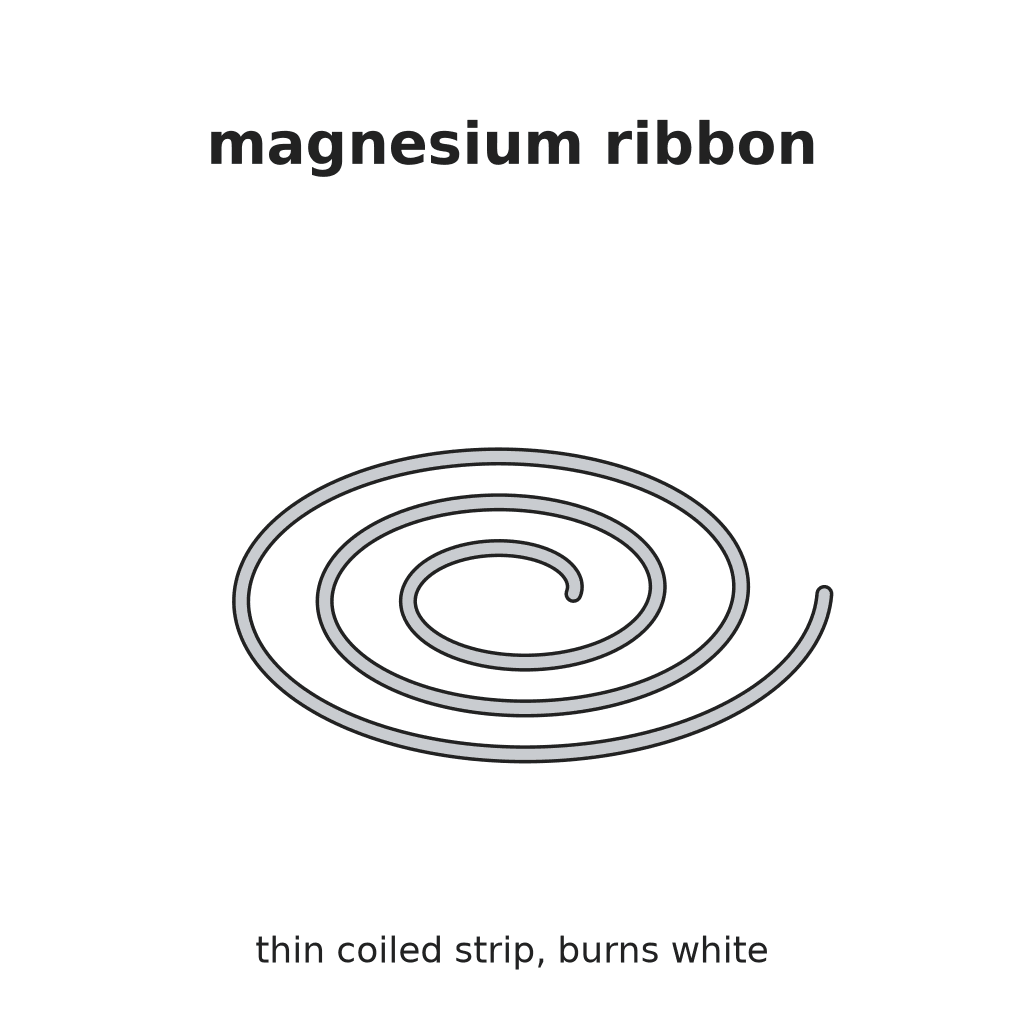
Magnesium Ribbon: Rolled Hot at 450 °C and Slit
Magnesium ribbon catches in a flame and burns with an intense white light, which makes it the lighter for a thermit charge. Thorpe (1912): magnesium is malleable but ductile only when hot, it can be rolled at 450 °C, and it is most used flattened into ribbon. It tarnishes in moist air, so store it dry. Keep flame away from the finished ribbon.
The picture: magnesium ribbon burning (Wikimedia Commons).
Àárín
Half a day
Ìlànà
1
1
Cut a piece
Cut a piece
Saw a 20 g piece off the magnesium ingot.
Àwọn ohun èlò fún ìgbésẹ̀ yìí:
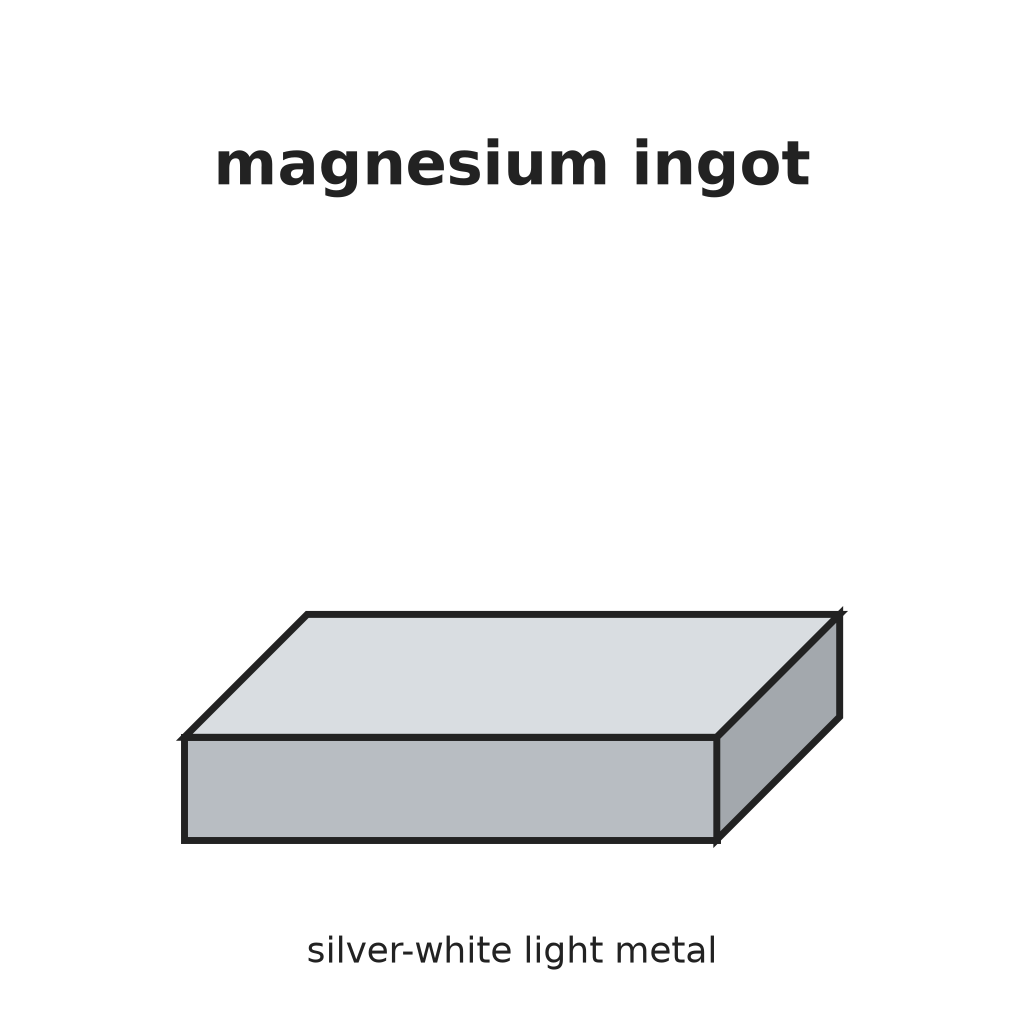 Òpó Magnẹ́síọ́mù20 g
Àwọn irinṣẹ́ tí a nílò:
 Ayùn Irin
 Òǹwọ̀n ìdọ́gba
2
2
Heat to 450 °C
Heat to 450 °C
Heat the piece to 450 °C in the furnace and check it with the pyrometer. Cold, magnesium is not ductile.
Àwọn irinṣẹ́ tí a nílò:
 Ààrò Èédú
 Pirómítà
 Ẹ̀mú
 Ìbọ̀wọ́ Awọ
3
3
Roll it thin
Roll it thin
Pass it through the rolling mill, close the rolls a little each time, and reheat to 450 °C between passes. Stop at about 0.2 mm thick.
Àwọn irinṣẹ́ tí a nílò:
 Ẹ̀rọ ìtẹ̀ irinÀàrò ÈédúẸ̀mú
 MáíkírómítàÌbọ̀wọ́ Awọ
4
4
Slit and store
Slit and store
Cut the cold strip into ribbon about 3 mm wide, coil it, and keep it in a dry, closed jar.
Àwọn irinṣẹ́ tí a nílò:
 Àlùmọ́gàjí irin
 Ìgò Gílásì Onídìí
Àwọn ohun-èlò
1- 20 gÀyè
Ìtọ́nisọ́nà yìí ń ṣe
CC0 Àgbègbè Gbogbogbò
Blueprint yìí ti jáde lábẹ́ CC0. O lè ṣe àdàkọ, yí padà, pín, àti lò láìsí ìyọ̀ǹda.
Ṣàtìlẹ́yìn Olùṣẹ́dá nípa rírà àwọn ọjà nipasẹ̀ Blueprint wọn Ẹ̀san Olùṣẹ́dá tí àwọn Olùtajà gbé kalẹ̀, tàbí ṣẹ̀dá àtúnṣe tuntun ti Blueprint yìí kí o sì fi sínú Blueprint rẹ gẹ́gẹ́ bí ìsopọ̀ láti pín owó-wíwọlé.