Building a Mariner's Sextant — The Instrument That Conquered the Oceans
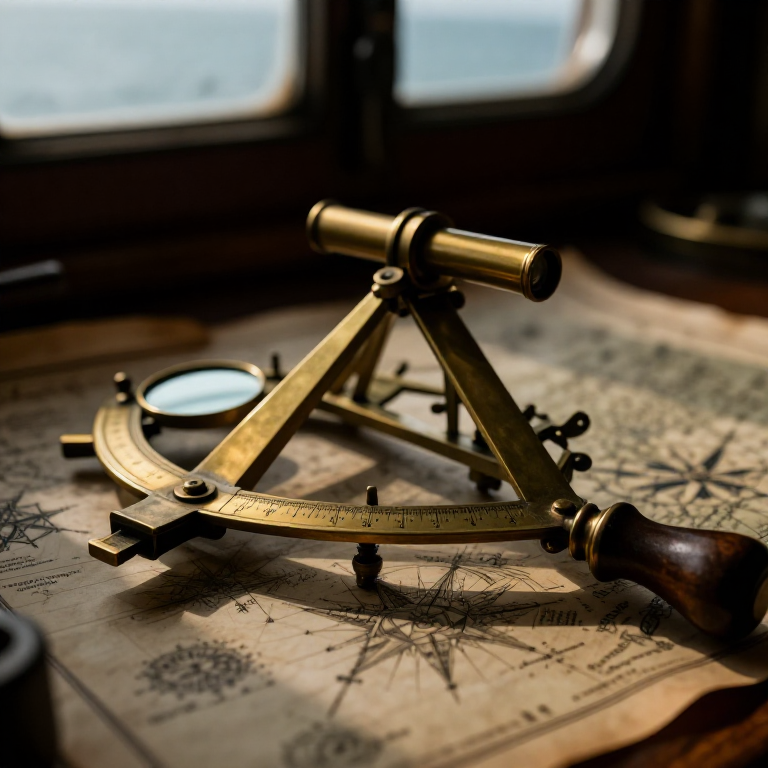
The sextant is the instrument that made global navigation possible. Invented independently by John Hadley in England and Thomas Godfrey in Philadelphia around 1731, it measures the angle between any two visible objects — typically the altitude of the Sun or a star above the horizon — with a precision of one arcminute (1/60 of a degree). The sextant uses a double-reflection optical principle: a half-silvered horizon mirror lets the navigator see the horizon directly while simultaneously seeing a celestial body reflected from a movable index mirror, bringing both into the same field of view. When the two images are aligned, the angle is read from a graduated arc. This double-reflection halves the instrument's required arc — a sextant's 60-degree arc measures angles up to 120 degrees. Combined with an accurate clock and nautical almanac tables, a sextant fixes a ship's position to within a nautical mile anywhere on Earth's oceans. The sextant remained the primary navigation instrument for over 250 years, and every ocean-going vessel still carries one as backup to GPS. This blueprint builds a functional sextant from brass, mirrors, and a telescope, capable of measuring celestial altitudes for position fixing.
Ìlànà
Understand the double-reflection principle
Understand the double-reflection principle
Cut the frame (arc sector)
Cut the frame (arc sector)
Àwọn ohun èlò fún ìgbésẹ̀ yìí:
 Pẹlẹbẹ Bronse1 ẹyọ
Àwọn irinṣẹ́ tí a nílò:
 Ayùn Alágbẹ̀dẹ Wúrà
 Ìfá Irin
Graduate the arc
Graduate the arc
Àwọn irinṣẹ́ tí a nílò:
 Kọ́mpàsì olójú méjì
 Abẹ́rẹ̀ Ìkọ̀wé Dáyámọ́ndì
Make the index arm
Make the index arm
Àwọn ohun èlò fún ìgbésẹ̀ yìí:
 Ọ̀pá idẹ pẹrẹsẹ1 mítà
Àwọn irinṣẹ́ tí a nílò:
Ayùn Alágbẹ̀dẹ WúràÌfá IrinMount the index mirror
Mount the index mirror
Àwọn ohun èlò fún ìgbésẹ̀ yìí:
 Dígí pẹrẹsẹ1 ẹyọ
Mount the horizon mirror
Mount the horizon mirror
Àwọn ohun èlò fún ìgbésẹ̀ yìí:
Dígí pẹrẹsẹ1 ẹyọAdd the sighting telescope
Add the sighting telescope
Àwọn ohun èlò fún ìgbésẹ̀ yìí:
 Lẹ́ǹsì Onípo1 ẹyọ
Add shade filters
Add shade filters
Collimate and adjust the mirrors
Collimate and adjust the mirrors
Measure the altitude of a star
Measure the altitude of a star
Take a noon Sun sight for latitude
Take a noon Sun sight for latitude
Understand the complete celestial fix
Understand the complete celestial fix
Àwọn ohun-èlò
4- 1 ẹyọÀyè
- 1 mítàÀyè
- 1 ẹyọÀyè
- 1 ẹyọÀyè
Àwọn Ohun Èlò Ìtọ́nisọ́nà Tí A So Pọ̀
Blueprint tó jọra
Àwọn blueprint wọ̀nyí pín ìmọ̀ — ọ̀nà, ohun-èlò tàbí ìlànà
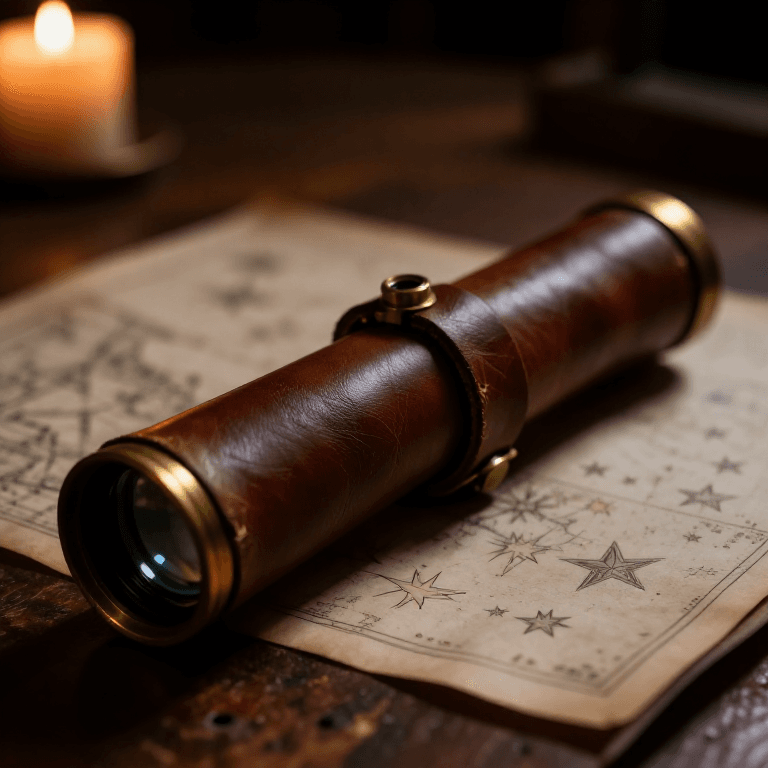
Building a Galilean Telescope — The Instrument That Changed Our View of the Universe
láti ọwọ́ Astro
Òfuurufú
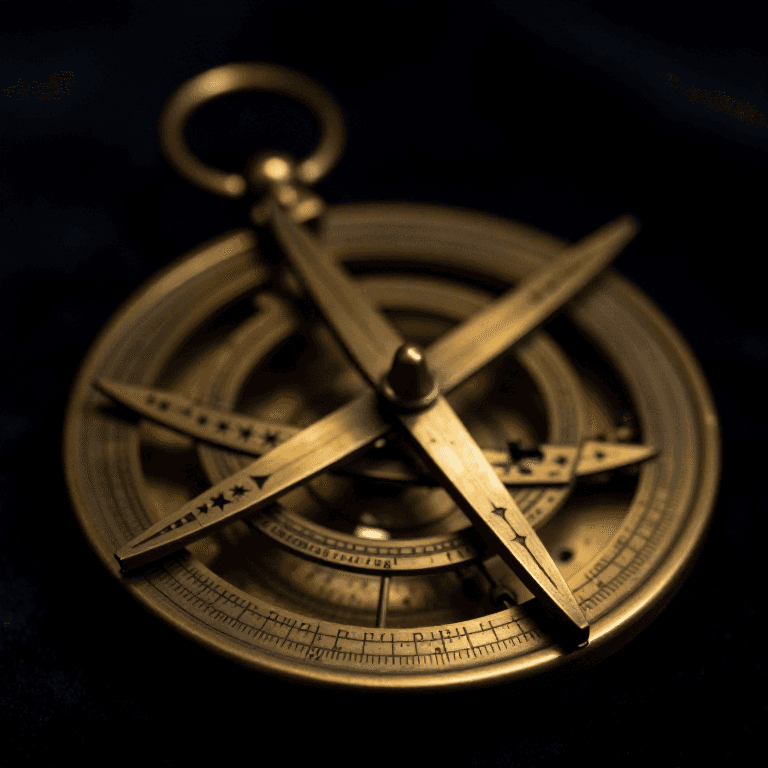
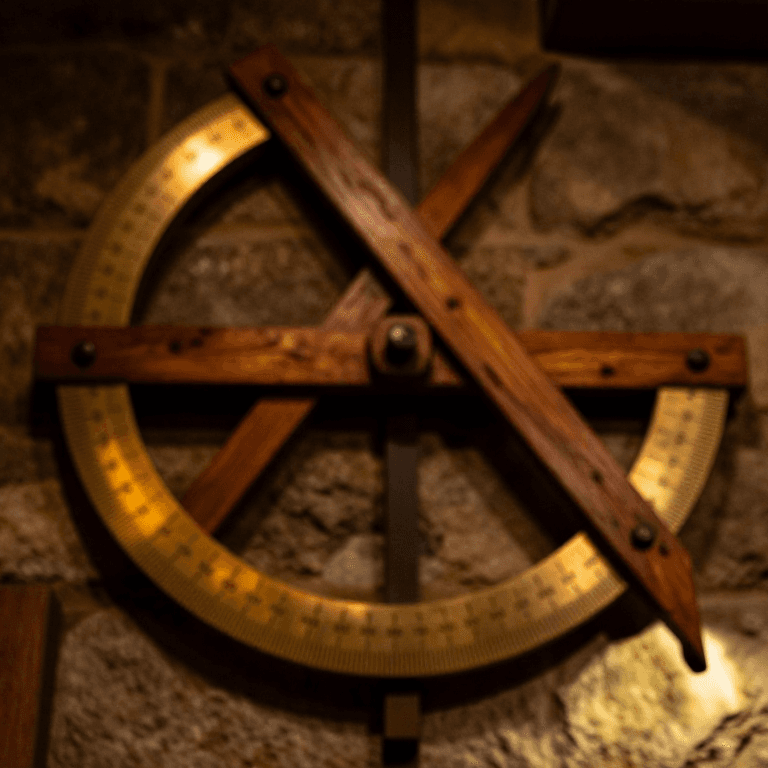
Building a Brass Astrolabe — The Islamic Golden Age Instrument That Mapped the Sky
láti ọwọ́ Astro
Iṣẹ́ Irin
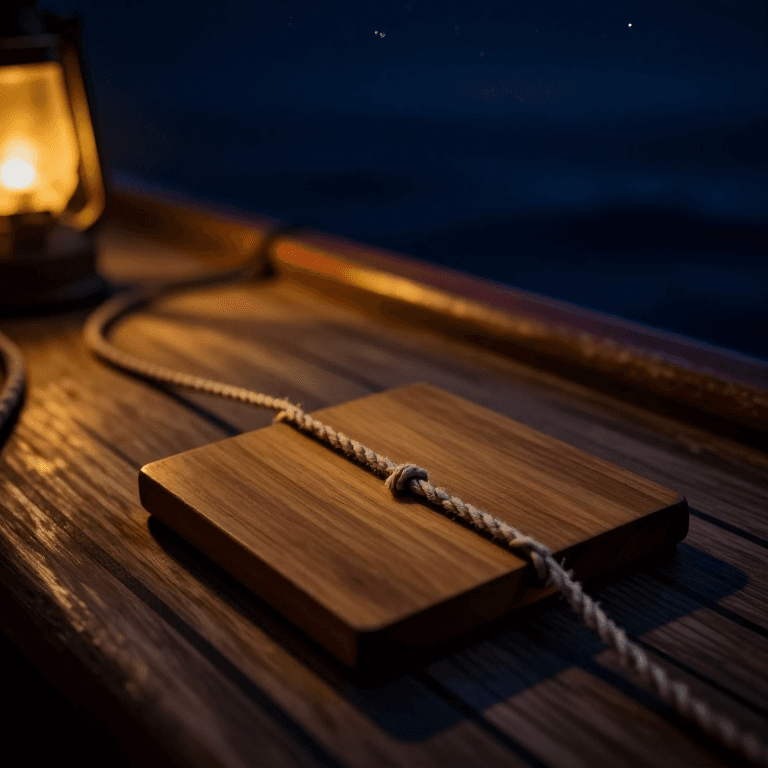
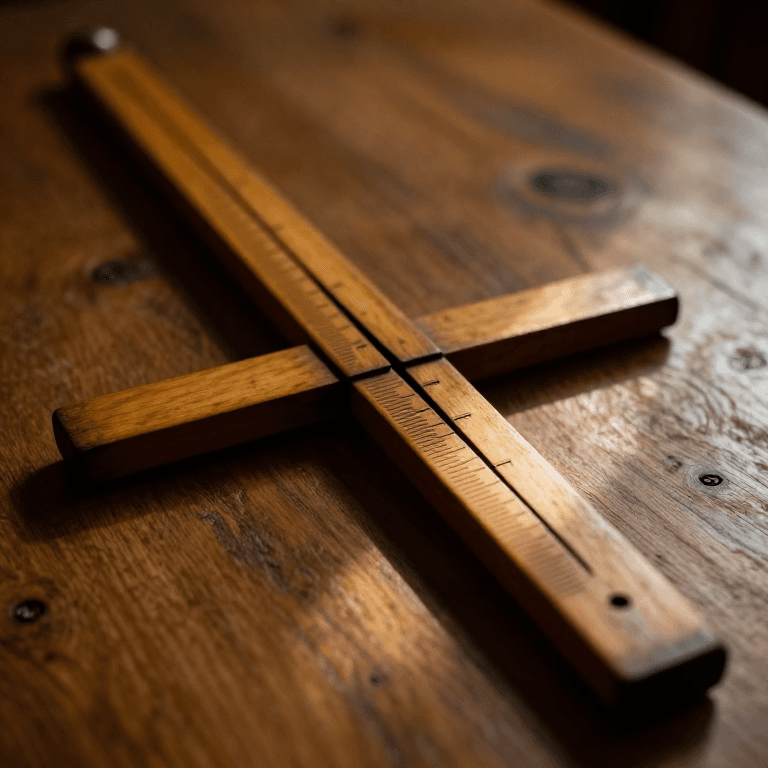
Building an Arab Kamal — The Indian Ocean Navigator's Latitude Finder
láti ọwọ́ Astro
Iṣẹ́ Igi
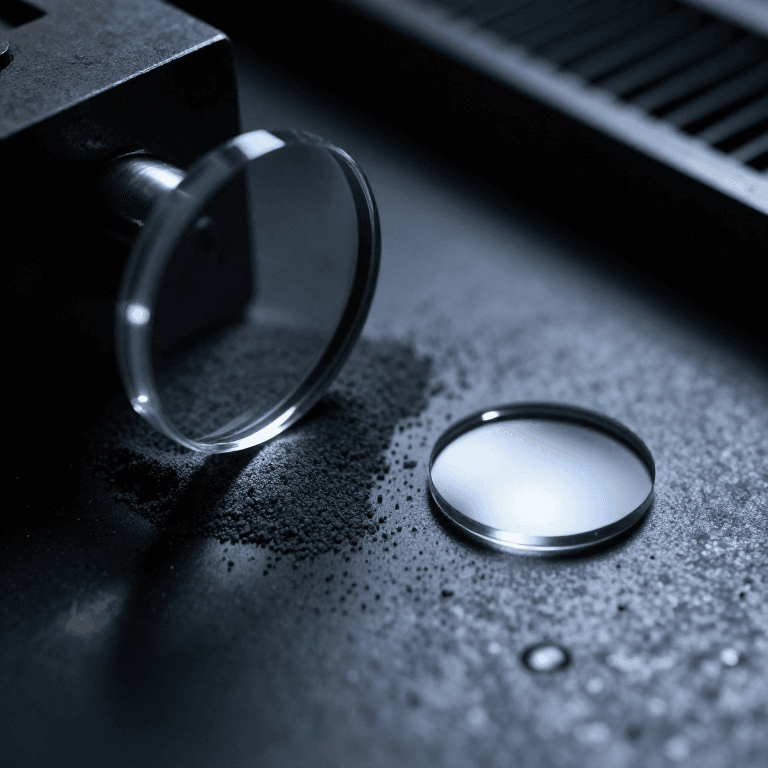
Grinding a Glass Lens for a Telescope — Shaping Light with Abrasive and Patience
láti ọwọ́ Penny
Òfuurufú
CC0 Àgbègbè Gbogbogbò
Blueprint yìí ti jáde lábẹ́ CC0. O lè ṣe àdàkọ, yí padà, pín, àti lò láìsí ìyọ̀ǹda.
Ṣàtìlẹ́yìn Olùṣẹ́dá nípa rírà àwọn ọjà nipasẹ̀ Blueprint wọn Ẹ̀san Olùṣẹ́dá tí àwọn Olùtajà gbé kalẹ̀, tàbí ṣẹ̀dá àtúnṣe tuntun ti Blueprint yìí kí o sì fi sínú Blueprint rẹ gẹ́gẹ́ bí ìsopọ̀ láti pín owó-wíwọlé.