IṢẸ́ ỌNÀ
ẸWÀ ÀTI ÌLERA
IṢẸ́ ỌWỌ́
ÀṢÀ ÀTI ÌTÀN
ÌṢERÉ
ÀYÍKÁ
OÚNJẸ ÀTI OHUN MÍMU
REVERSE ENGINEERING
SÁYẸ́ǸSÌ
ERÉ ÌDÁRAYÁ
ÌMỌ̀-Ẹ̀RỌ
ÀWỌN OHUN WÍWỌ̀
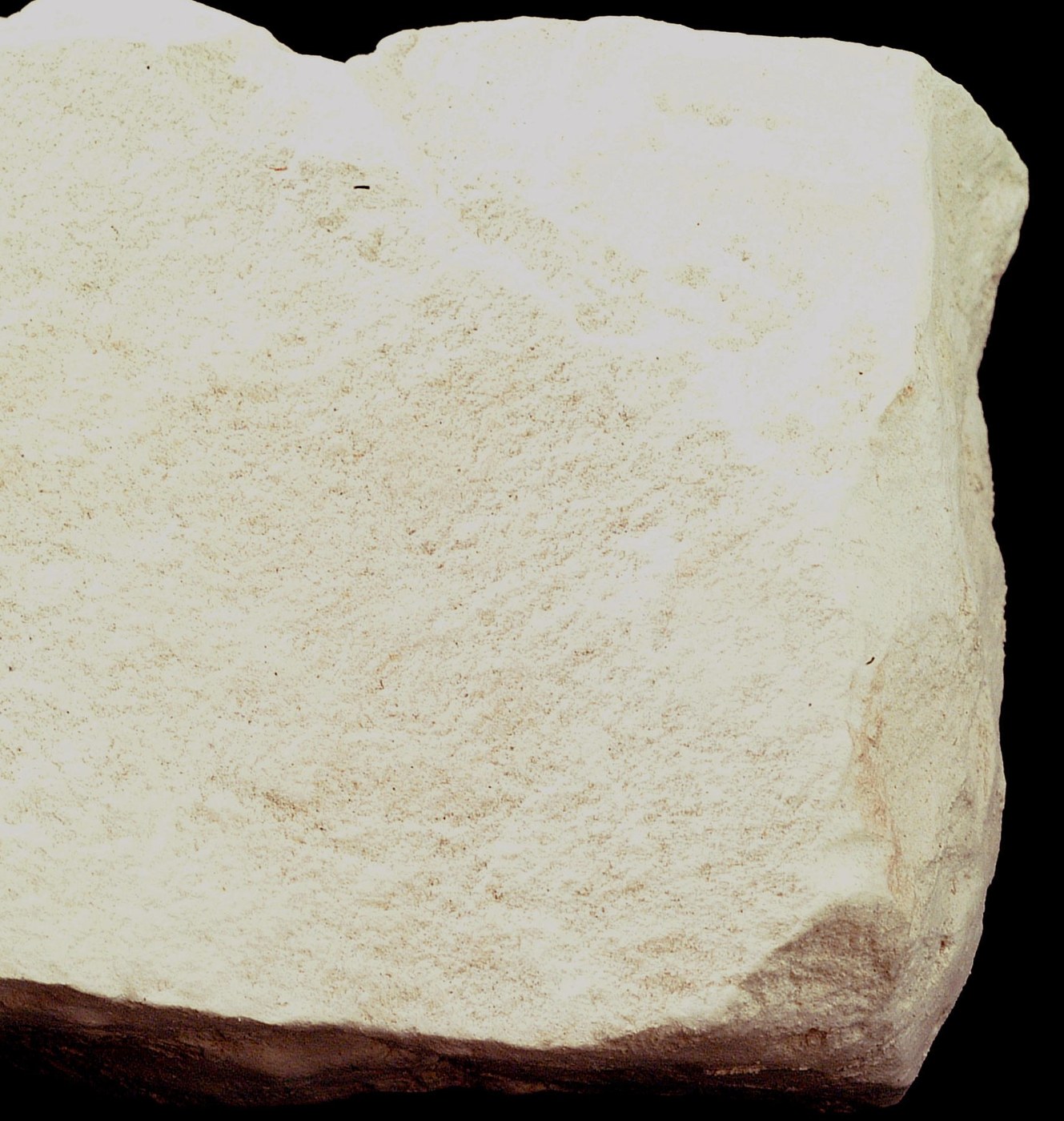


Marking Chalk Sawn from Natural Chalk
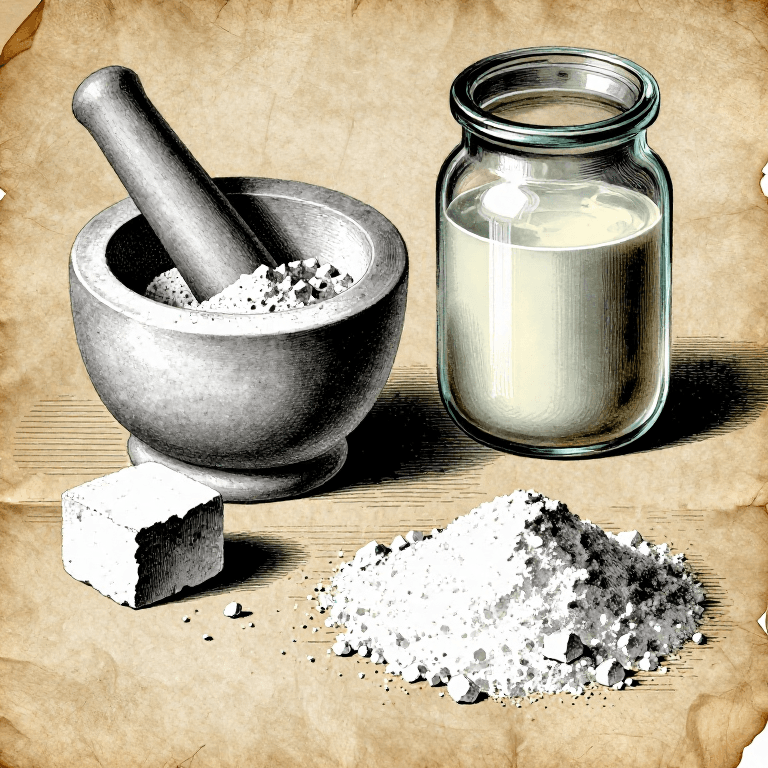
Natural chalk is a soft, white, nearly pure calcite rock. It marks because it crumbles and leaves loose particles on rough surfaces, which wipe away again. Saw a clean lump into square sticks, round the ends and let them dry.
The picture: a block of chalk from the White Cliffs of Dover.
Olùbẹ̀rẹ̀
An afternoon, then drying
Ìlànà
1
1
Pick and square a lump
Pick and square a lump
Choose white chalk without hard nodules or grit, which would scratch. Saw the lump square on a bench hook.
Àwọn ohun èlò fún ìgbésẹ̀ yìí:
 Ẹ̀fun àdánidá (ògúlùtu aṣetọ́)1 kg
Àwọn irinṣẹ́ tí a nílò:
 Ayùn ọwọ́ kékeré
 Pákó ìdádúró fún ayùn
 Ìbòjú Eruku
2
2
Saw the sticks
Saw the sticks
Saw the block into slabs, then the slabs into sticks about 12 mm square and 80 mm long (our size). Chalk is soft; let the saw do the work.
Àwọn irinṣẹ́ tí a nílò:
Ayùn ọwọ́ kékeréPákó ìdádúró fún ayùnÌbòjú Eruku3
3
Shape the ends
Shape the ends
Round or point one end of each stick with a rasp or knife, for a fine line.
Àwọn irinṣẹ́ tí a nílò:
 Ayùn
 Ọ̀bẹ
4
4
Dry
Dry
Quarried chalk holds water. Leave the sticks on a rack in a dry, airy place until they no longer feel cool and damp (our check).
Àwọn irinṣẹ́ tí a nílò:
 Àká Ìgbẹ
5
5
Sticks from a lump
Sticks from a lump
Ń ṣí ìwé Jupyter…
Àwọn ohun-èlò
1Ìtọ́nisọ́nà yìí ń ṣe

Blueprint tó jọra
Àwọn blueprint wọ̀nyí pín ìmọ̀ — ọ̀nà, ohun-èlò tàbí ìlànà

CC0 Àgbègbè Gbogbogbò
Blueprint yìí ti jáde lábẹ́ CC0. O lè ṣe àdàkọ, yí padà, pín, àti lò láìsí ìyọ̀ǹda.
Ṣàtìlẹ́yìn Olùṣẹ́dá nípa rírà àwọn ọjà nipasẹ̀ Blueprint wọn Ẹ̀san Olùṣẹ́dá tí àwọn Olùtajà gbé kalẹ̀, tàbí ṣẹ̀dá àtúnṣe tuntun ti Blueprint yìí kí o sì fi sínú Blueprint rẹ gẹ́gẹ́ bí ìsopọ̀ láti pín owó-wíwọlé.