IṢẸ́ ỌNÀ
ẸWÀ ÀTI ÌLERA
IṢẸ́ ỌWỌ́
ÀṢÀ ÀTI ÌTÀN
ÌṢERÉ
ÀYÍKÁ
OÚNJẸ ÀTI OHUN MÍMU
REVERSE ENGINEERING
SÁYẸ́ǸSÌ
ERÉ ÌDÁRAYÁ
ÌMỌ̀-Ẹ̀RỌ
ÀWỌN OHUN WÍWỌ̀

Measuring High Temperature: Thermocouples, Pyrometers, and What Each Lies About
An ordinary thermometer stops working long before a forge gets interesting. Above a few hundred degrees you need an instrument that works by a different principle, and each of the three common ones is accurate about something slightly different from what you wanted.
A THERMOCOUPLE measures its own junction. An INFRARED thermometer measures radiation and has to assume an emissivity. An OPTICAL PYROMETER compares brightness against a filament and needs a judgement by eye.
Knowing what each one is really telling you is the difference between a number and a measurement. Both published instrument blueprints — the Seebeck thermocouple and the optical pyrometer — describe how they work; this is how to use them.
Àárín
3 hours
Ìlànà
1
1
The thermocouple measures its junction, not your work
The thermocouple measures its junction, not your work
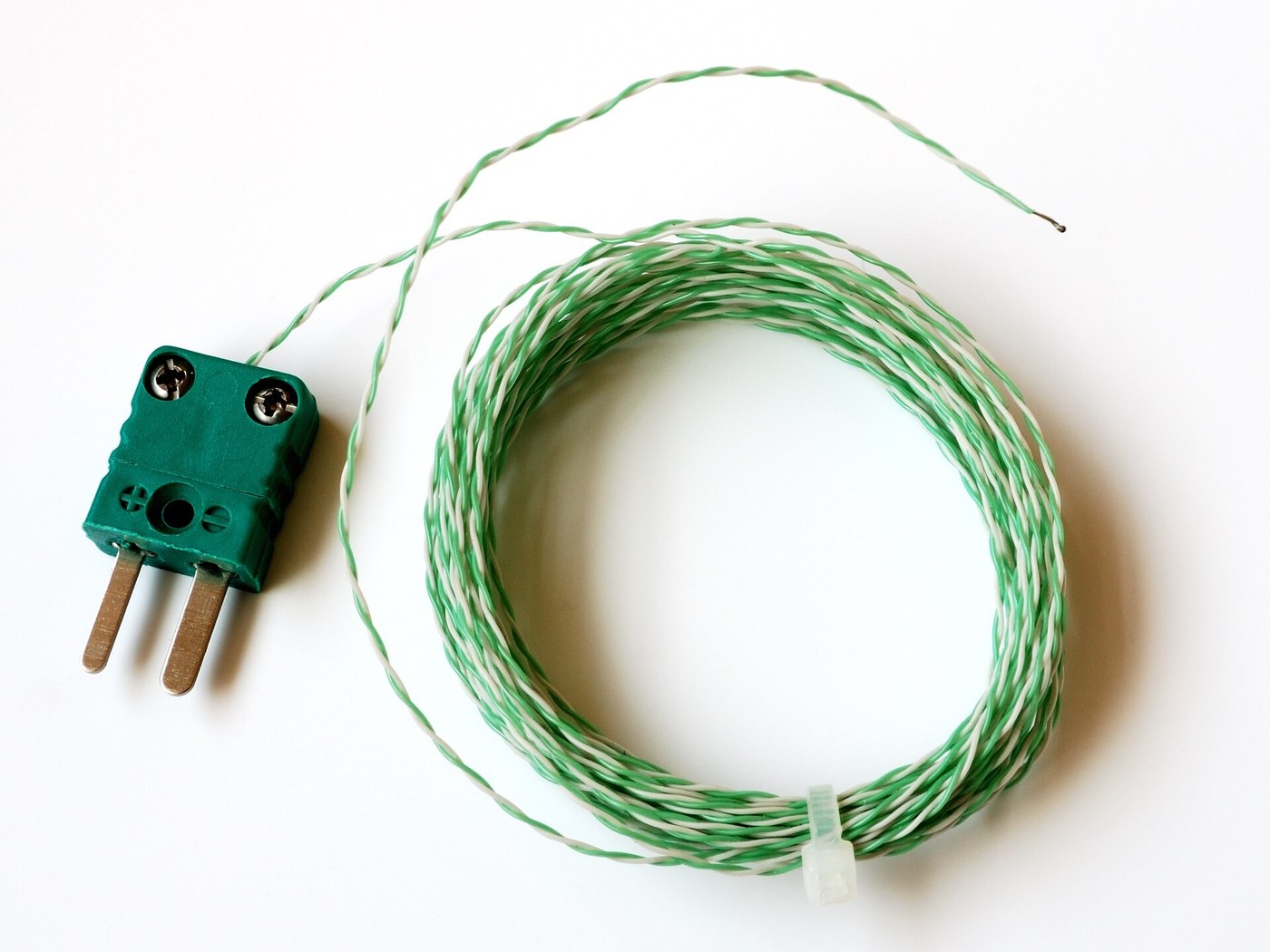
Two dissimilar metals joined at a point generate a small voltage that depends on the temperature of that junction. It is cheap, robust and reads continuously, which is why it runs almost every kiln and furnace controller.
But it reads the JUNCTION. A thermocouple in the roof of a kiln tells you about the roof; one in the gas stream tells you about the gas. Neither is necessarily the temperature of the pot on the shelf, and the difference can be a hundred degrees.
Put the tip where the work is, give it time to equalise, and remember it has its own thermal mass — a heavy sheathed probe takes minutes to follow a change. The type matters too: a K-type covers most workshop use and a cheap one drifts with age, so check it in boiling water occasionally.
Àwọn irinṣẹ́ tí a nílò:
 Thermocouple pẹ̀lú ìkà
 Ìléru Ìsun
2
2
Infrared thermometers and the emissivity problem
Infrared thermometers and the emissivity problem
Ń ṣí ìwé Jupyter…
Àwọn ohun èlò fún ìgbésẹ̀ yìí:
 Ọ̀pá irin rírọ̀1 ẹyọ
Àwọn irinṣẹ́ tí a nílò:
 Ẹ̀rọ Ìwọ̀n Ooru Infurarẹ́dì
 Ẹ̀rọ Ìṣirò
3
3
The optical pyrometer: matching a filament by eye
The optical pyrometer: matching a filament by eye
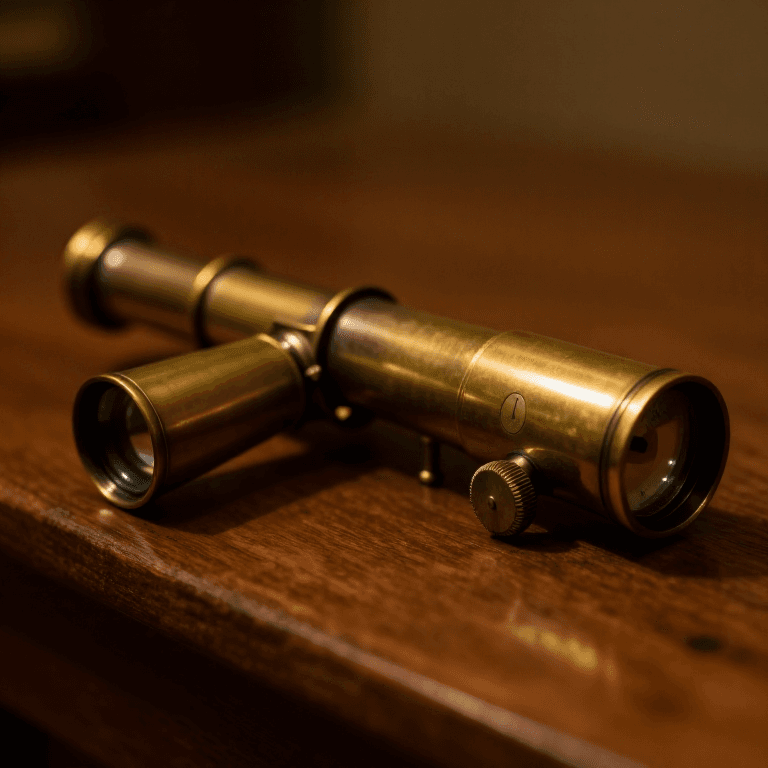
Look through it at the hot object and a small electric filament appears superimposed on it. Adjust the current until the filament disappears against the background, and the current is a measure of the temperature.
It is elegant because it needs no contact and no assumption about distance — brightness matching is independent of how far away you are, since both the object and the filament are seen through the same optics.
Its weakness is the same emissivity problem plus a human judgement: 'disappeared' is a decision your eye makes, and different people settle on slightly different points. It is also useless below visible glow. The published optical pyrometer blueprint builds one and is worth reading alongside this.
Àwọn ohun èlò fún ìgbésẹ̀ yìí:
Ọ̀pá irin rírọ̀1 ẹyọÀwọn irinṣẹ́ tí a nílò:
 Gílásì dúdú fún ìléru
 Ìléru alágbẹ̀dẹ
4
4
Calibrate your eye against an instrument, once
Calibrate your eye against an instrument, once
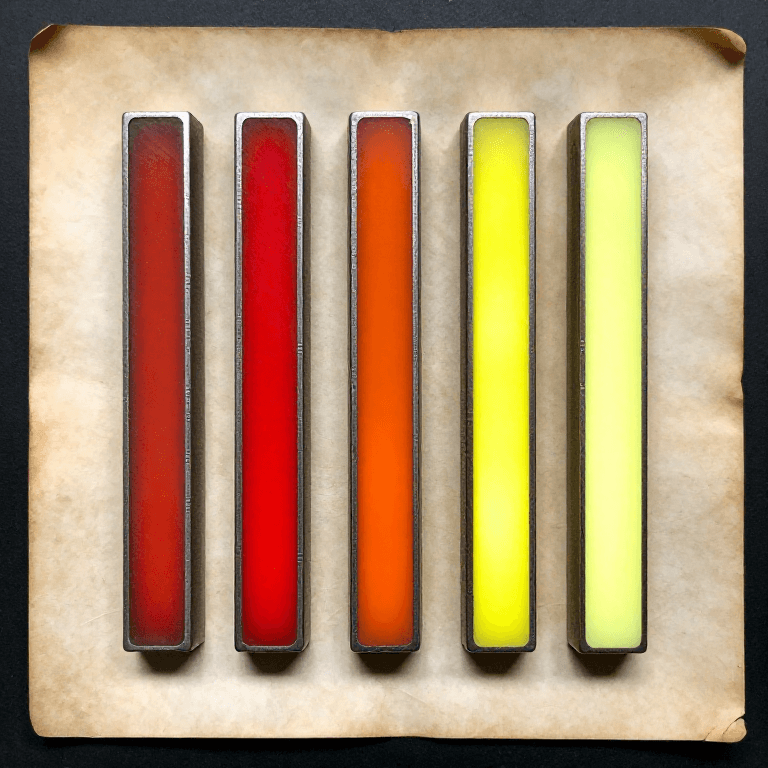
Put a thermocouple in the fire beside the work, heat a bar, and write down what each colour reads. An hour spent doing this converts a vague colour scale into your own calibrated instrument.
Do it in the light you normally work in, with the fuel you normally use, because both of those affect the judgement — which is the whole point of the colour rung's two conditions.
After that the eye is faster than any instrument and always with you, and the instrument becomes a check rather than a necessity. That is the same progression as the go/no-go gauge in the measurement batch: use the precise tool to establish the reference, then use the fast one.
Àwọn ohun èlò fún ìgbésẹ̀ yìí:
Ọ̀pá irin rírọ̀1 ẹyọ Èédú1 ẹyọ
Àwọn irinṣẹ́ tí a nílò:
Thermocouple pẹ̀lú ìkàÌléru alágbẹ̀dẹGílásì dúdú fún ìléruÀwọn irinṣẹ́ tó nílò
6- Àyè
- Àyè
Blueprint tó jọra
Àwọn blueprint wọ̀nyí pín ìmọ̀ — ọ̀nà, ohun-èlò tàbí ìlànà


CC0 Àgbègbè Gbogbogbò
Blueprint yìí ti jáde lábẹ́ CC0. O lè ṣe àdàkọ, yí padà, pín, àti lò láìsí ìyọ̀ǹda.
Ṣàtìlẹ́yìn Olùṣẹ́dá nípa rírà àwọn ọjà nipasẹ̀ Blueprint wọn Ẹ̀san Olùṣẹ́dá tí àwọn Olùtajà gbé kalẹ̀, tàbí ṣẹ̀dá àtúnṣe tuntun ti Blueprint yìí kí o sì fi sínú Blueprint rẹ gẹ́gẹ́ bí ìsopọ̀ láti pín owó-wíwọlé.