IṢẸ́ ỌNÀ
ẸWÀ ÀTI ÌLERA
IṢẸ́ ỌWỌ́
ÀṢÀ ÀTI ÌTÀN
ÌṢERÉ
ÀYÍKÁ
OÚNJẸ ÀTI OHUN MÍMU
REVERSE ENGINEERING
SÁYẸ́ǸSÌ
ERÉ ÌDÁRAYÁ
ÌMỌ̀-Ẹ̀RỌ
ÀWỌN OHUN WÍWỌ̀
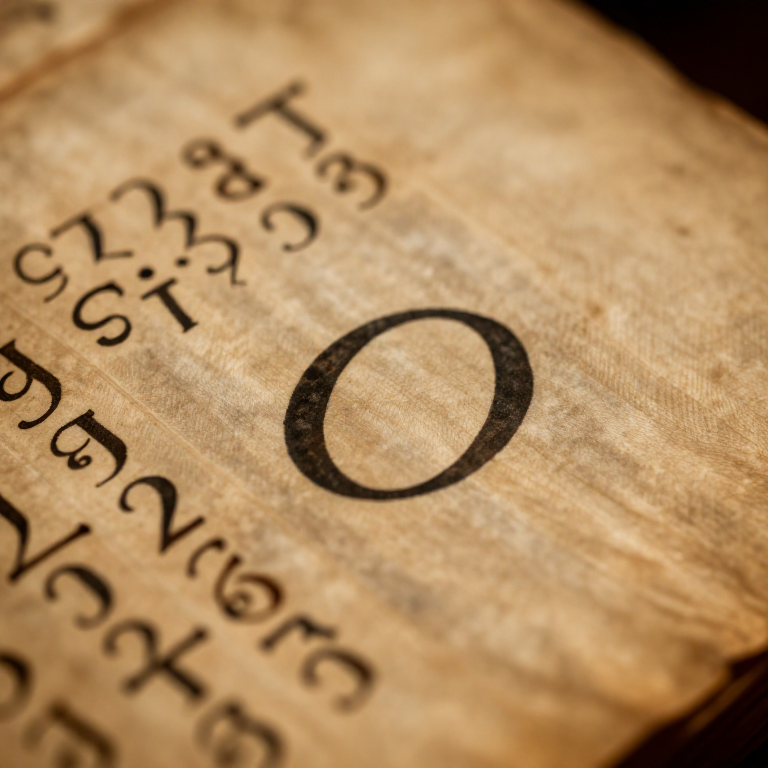


Zero and Place-Value — Build an Abacus and Count Like the World Does
A hands-on maths project: thread beads into a simple abacus and discover place-value -- how the position of a digit gives its size, and why zero (an empty column) changed the world. A Python cell shows the same idea in the binary of computers, and a compendium traces zero from India to your pocket.
Olùbẹ̀rẹ̀
30 minutes
Ìlànà
1
1
The most important nothing
The most important nothing
For most of history there was no zero. Around 628 AD the Indian mathematician Brahmagupta made zero a real number and gave the decimal place-value system its rules. You will build a counting machine that shows how it works.
2
2
Make a bead abacus
Make a bead abacus
Make a small frame from card and thread three or four rows of beads across it (or just lay out rows of beads in columns on the table). Label the columns from the right: ones, tens, hundreds, thousands. Each column is worth ten times the one to its right.
Àwọn ohun èlò fún ìgbésẹ̀ yìí:
 Àkópọ̀ Bébà Líle Aláwọ̀1 ẹyọ
 Ilẹ̀kẹ̀ dígí1 ẹyọ
 Okùn Òwú Ilé-ìdáná1 ẹyọ
Àwọn irinṣẹ́ tí a nílò:
 Ìṣẹ́ná
3
3
Count in place-value
Count in place-value
Show the number 305: put 3 beads in the hundreds column, NONE in the tens, and 5 in the ones. The empty tens column is the job of zero -- without it, 35 and 305 would look the same. Practise a few numbers, sliding beads and reading them off. Try adding by sliding beads and 'carrying' to the next column when one fills up.
4
4
The same idea in binary
The same idea in binary
Ń ṣí ìwé Jupyter…
Àwọn irinṣẹ́ tí a nílò:
 Kọ̀ǹpútà Tábìlì
5
5
Compendium: how nothing changed everything
Compendium: how nothing changed everything
What your abacus teaches. (1) In a place-value system a digit's value depends on its COLUMN, each worth ten times the next -- so just ten symbols (0-9) can write any number, however large. (2) Zero does two jobs: it holds an empty column so the others line up, AND it is a number you can calculate with. (3) Roman numerals had neither, which is why calculating with them was so painful -- try multiplying MDCCC by anything. (4) The same positional trick, cut down to just 0 and 1, is how every computer on Earth counts; and zero went on to anchor algebra, coordinates and calculus. It is hard to name a more powerful nothing.
Àwọn ohun-èlò
4- Àyè
- 1 ẹyọÀyè
- 1 ẹyọÀyè
- 1 ewéÀyè
Àwọn irinṣẹ́ tó nílò
3- Àyè
Blueprint tó jọra
Àwọn blueprint wọ̀nyí pín ìmọ̀ — ọ̀nà, ohun-èlò tàbí ìlànà

CC0 Àgbègbè Gbogbogbò
Blueprint yìí ti jáde lábẹ́ CC0. O lè ṣe àdàkọ, yí padà, pín, àti lò láìsí ìyọ̀ǹda.
Ṣàtìlẹ́yìn Olùṣẹ́dá nípa rírà àwọn ọjà nipasẹ̀ Blueprint wọn Ẹ̀san Olùṣẹ́dá tí àwọn Olùtajà gbé kalẹ̀, tàbí ṣẹ̀dá àtúnṣe tuntun ti Blueprint yìí kí o sì fi sínú Blueprint rẹ gẹ́gẹ́ bí ìsopọ̀ láti pín owó-wíwọlé.